Synodontis (Upside-down Catfish) Care Guide | Types and Care Methods for Unique Upside-swimming Catfish
Complete guide to caring for Synodontis, the African "upside-down swimming catfish." This practical care guide covers the characteristics, tank environment, feeding habits, compatibility with African cichlids, and parasitic spawning reproduction of representative species such as nigriventris, petricola, and cuckoo catfish.
Key Takeaways
Complete guide to caring for Synodontis, the African "upside-down swimming catfish." This practical care guide covers the characteristics, tank environment, feeding habits, compatibility with African cichlids, and parasitic spawning reproduction of representative species such as nigriventris, petricola, and cuckoo catfish.
Related Species
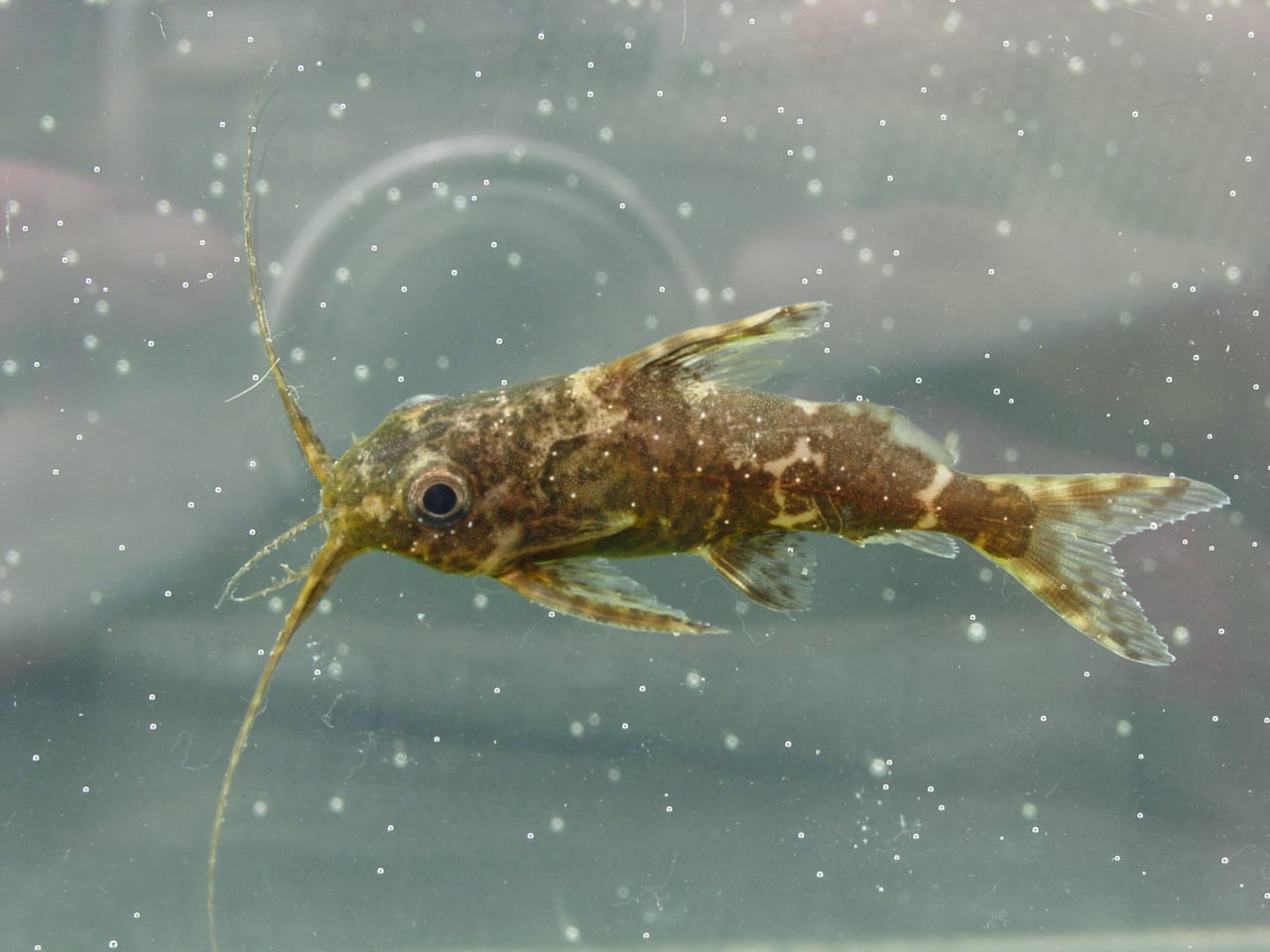
Known as the "upside-down swimming catfish," the genus Synodontis (Synodontis spp.) comprises bottom-dwelling catfish native to Africa. True to their name, they captivate enthusiasts with their unique behavior of swimming toward the water surface with their belly facing upward. Beyond their distinctive appearance, they are hardy, easy to care for, and highly compatible with other fish, making them popular companion fish alongside African cichlids. This article provides detailed explanations of representative Synodontis species, tank environment, feeding habits, and reproduction.
About Synodontis
Synodontis are large catfish from the Mochokidae family (order Siluriformes) widely distributed across the African continent, with over 100 species documented. In English-speaking regions, they are called "Upside-down Catfish" due to their swimming behavior.
Why they swim upside-down: Unlike most fish, these catfish have evolved "reverse countershading," with their dorsal side being dark and their ventral side light, allowing them to feed on air pockets near the water surface and insects or detritus that fall on the surface. The degree of upside-down swimming varies by species—some swim completely upside-down, some occasionally flip, and others rarely do so.
Representative Species
Synodontis nigriventris (S. nigriventris) — The Quintessential Upside-down Catfish
A small species (maximum 10 cm) with the highest availability in the trade and the easiest to handle for beginners. They are almost constantly observed swimming upside-down and show schooling tendencies. They are hardy, resistant to disease, and have high compatibility with other fish. Water quality: pH 6.5–7.5, temperature: 22–26°C.
Synodontis petricola (S. petricola) — Dwarf Type
A small species native to Lake Tanganyika (maximum 12 cm), characterized by beautiful black-and-white spot patterns similar to Altolamprologus compressiceps. Ideal for keeping with Lake Tanganyika cichlids, they prefer hard water and slightly alkaline conditions. pH 7.5–8.5, temperature: 24–27°C. A popular premium species also seen in breeders' markets.
Synodontis eupterus (S. eupterus) — Featherfin Synodontis
A large species (maximum 30 cm) characterized by feather-like filamentous extensions on the dorsal and tail fins. Suitable for solitary keeping or mixing with cichlids. As they mature, they may become territorial, requiring a tank of 60 cm or larger.
Synodontis multipunctatus (S. multipunctatus) — Cuckoo Catfish
A species inhabiting Lake Tanganyika with a remarkable reproductive strategy called "parasitic spawning," in which they replace cichlid eggs with their own and have the cichlids raise their fry. Maximum 30 cm. While somewhat challenging to keep, it is popular among enthusiasts who enjoy observing this unique breeding behavior. pH 7.5–8.5.
Tank Environment
Tank Size
- Small species (nigriventris, petricola, etc.): 60 cm (57 L) or larger
- Medium to large species (eupterus, multipunctatus, etc.): 90–120 cm or larger
Water Parameters
While requirements vary by species, most species can be kept within these ranges:
- Temperature: 22–28°C
- pH: 6.5–8.5 (adjust based on the species' native habitat)
- Hardness: GH 8–20 (African lake species prefer harder water)
Layout
Be sure to provide hiding places such as rock caves, pipes, and driftwood. Synodontis are crepuscular to nocturnal and often hide in shadows during the day. Installing multiple hiding spots reduces conflicts.
Fine sand is ideal for substrate. Sharp gravel can damage their barbels.
Feeding Habits and Feeding
Synodontis are omnivorous and feed on detritus, aquatic insect larvae, and algae from the substrate in the wild. In the aquarium, they enjoy the following foods:
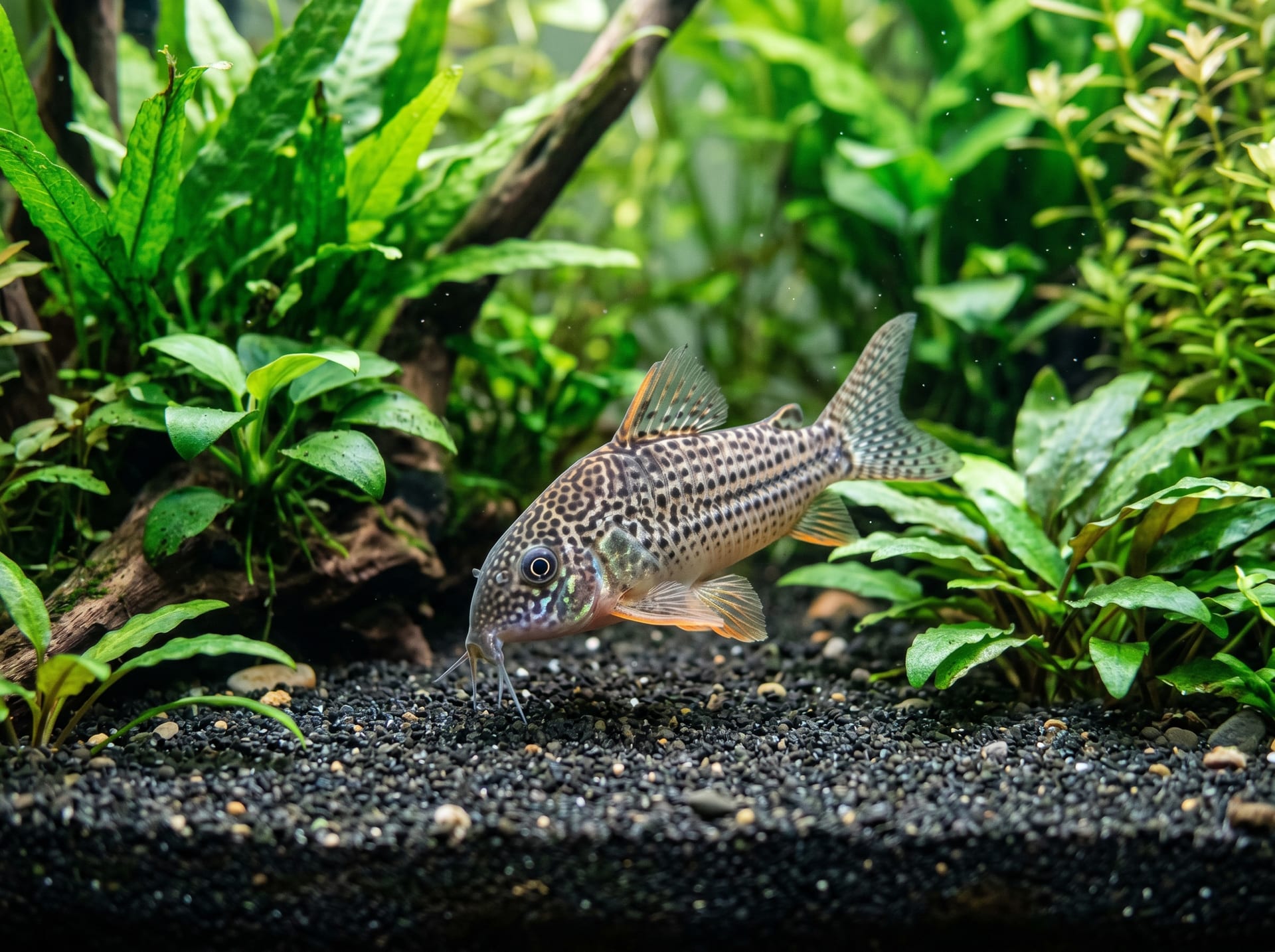
- Sinking pellets and tablets: Artificial foods designed to sink to the bottom (such as those for Corydoras) are ideal
- Frozen bloodworms and frozen daphnia: These have high palatability and regular feeding improves their condition
- Dried seaweed and spirulina tablets: They also readily consume plant-based foods
Although they may eat from the upper water column before food sinks, sinking foods are most efficient. Feed once or twice daily, providing only the amount they can eat in 3–5 minutes.
Tank Mates
Synodontis in general are peaceful and highly compatible with many tropical fish. They are particularly well-known as companions to African cichlids and have the agility to quickly avoid cichlid aggression.
Compatible fish:
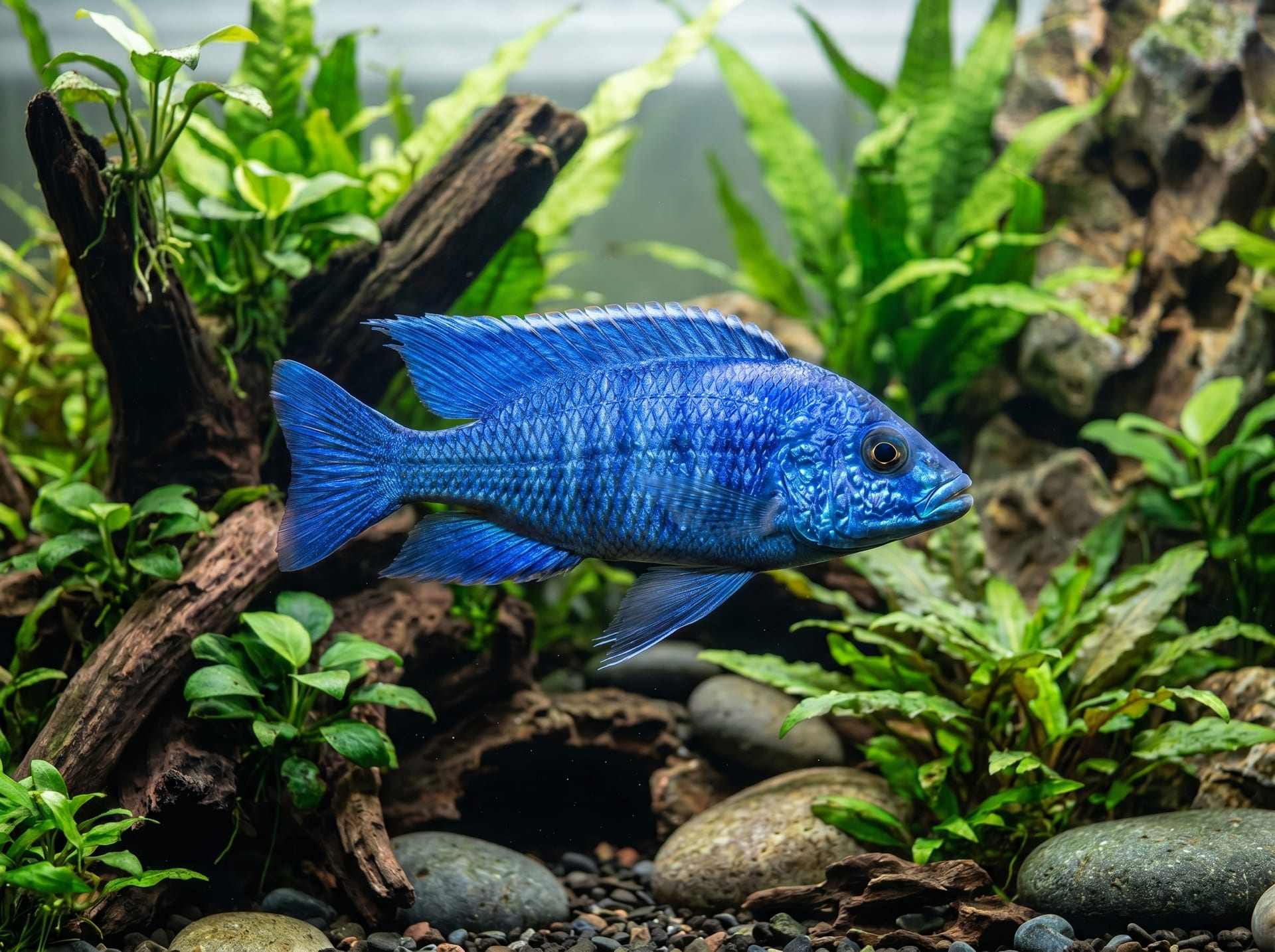
- African cichlids (Lake Tanganyika and Lake Malawi species)
- Large tetras and characins
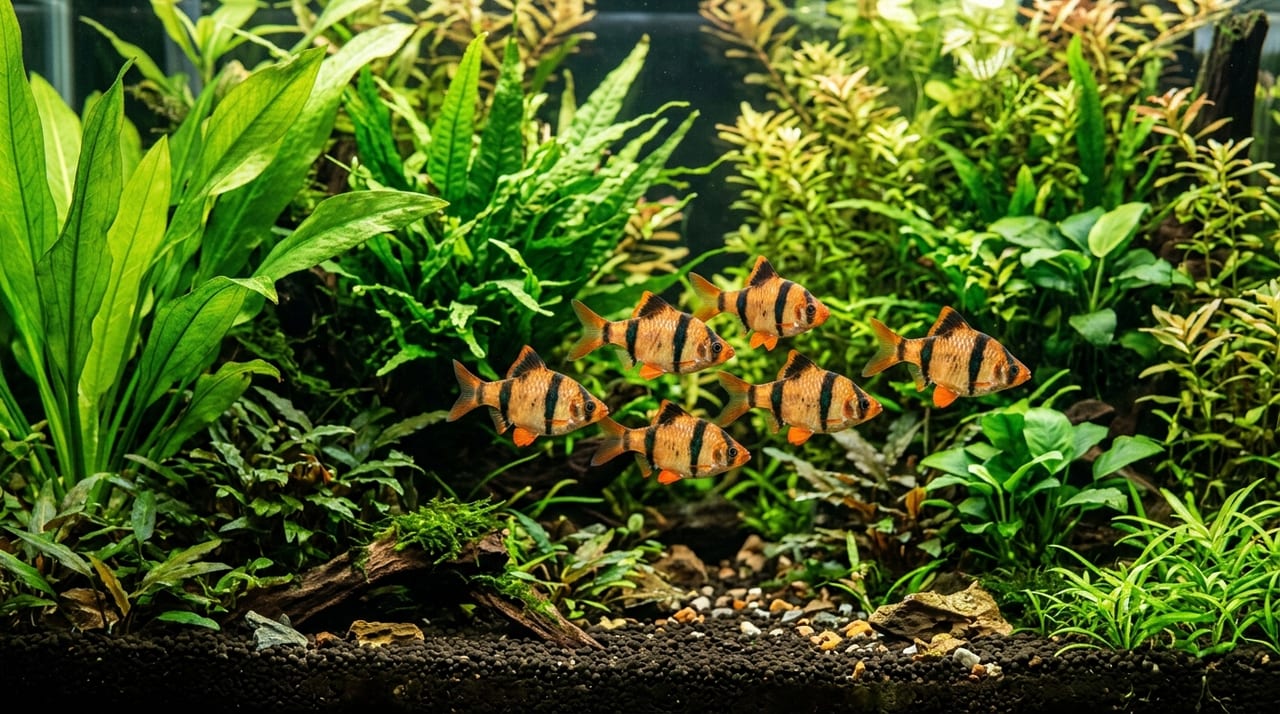
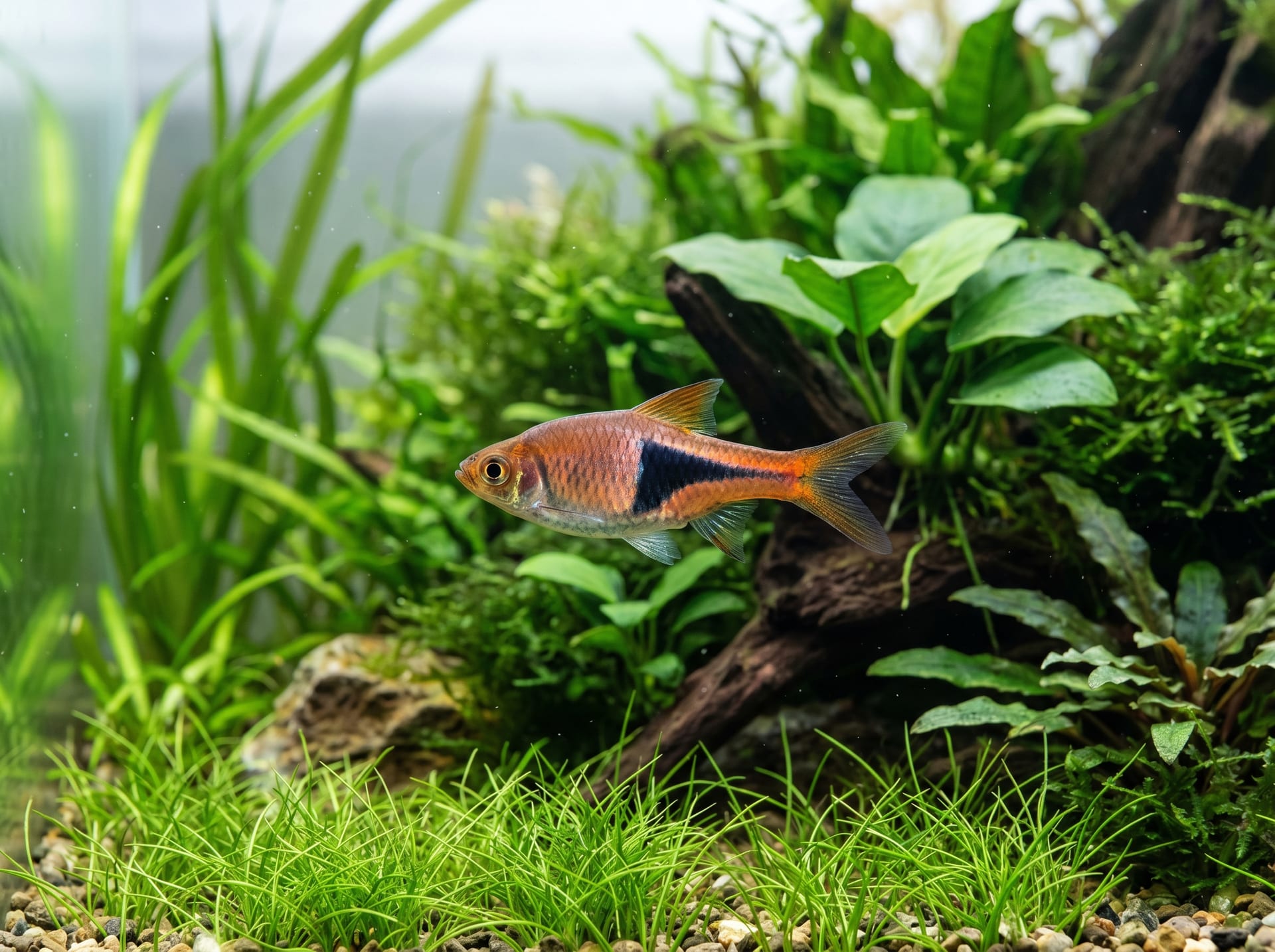
- Barbs and rasboras
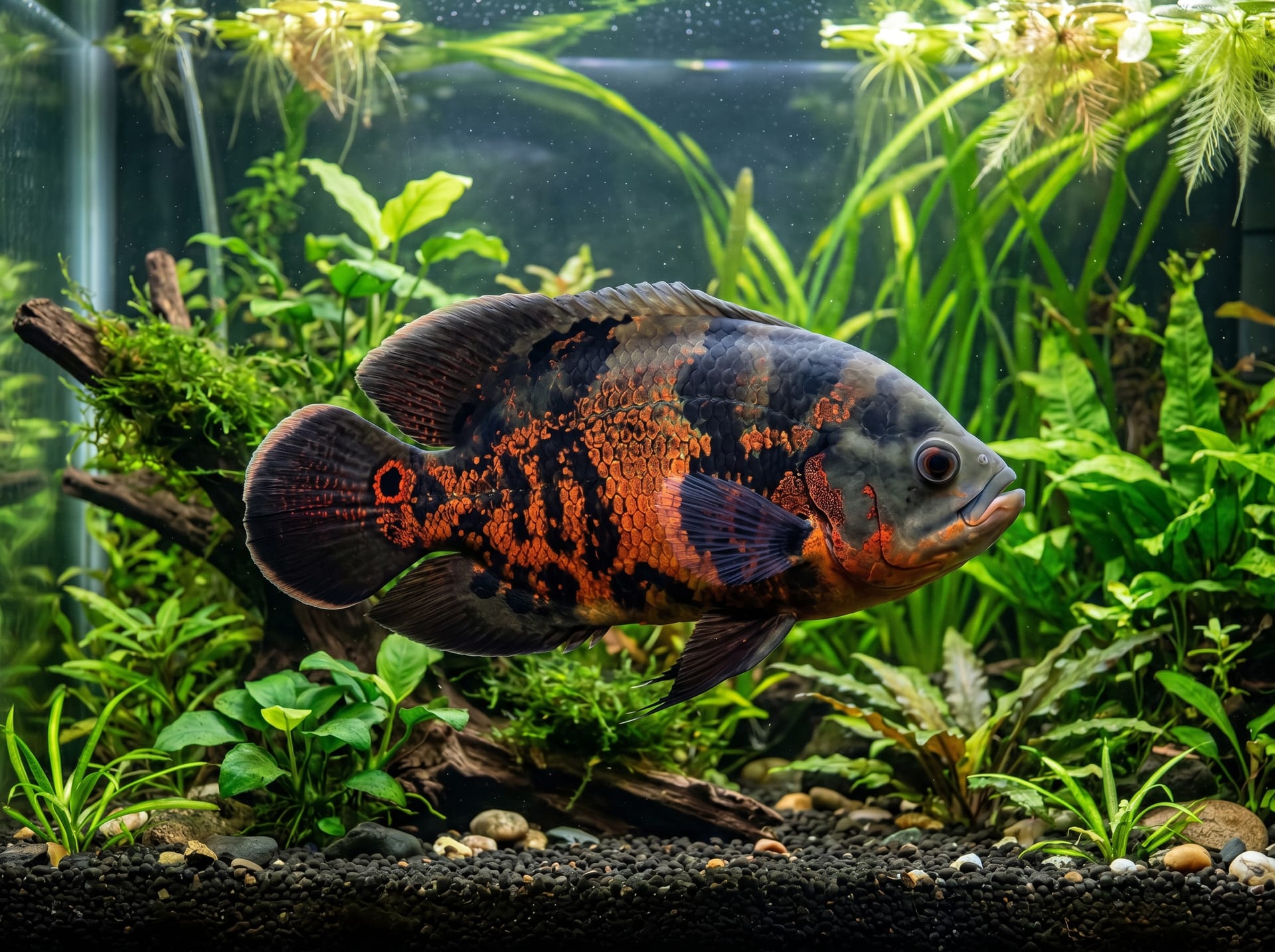
- Large cichlids like Oscars and Flowerhorns (note size differences)
Caution required:
- Small eggs or freshly hatched fry: Cuckoo catfish (S. multipunctatus) are parasitic spawners, so they should not be kept with fry
- Very small fish (1 cm or less): May be eaten
Reproduction
Breeding common species (such as nigriventris) is somewhat difficult and requires specialized conditions, while the cuckoo catfish (multipunctatus) is known for its unique parasitic spawning strategy. When kept with Lake Tanganyika mouthbrooding cichlids (such as Altolamprologus species), you can observe the remarkable behavior of the catfish mixing their own eggs with those the cichlid is holding. The fry are then raised by the cichlid and emerge from its mouth once they reach a certain size.
Summary
Synodontis are tropical fish enjoyed by everyone from beginners to enthusiasts thanks to their unique upside-down swimming behavior, diverse species options, and hardiness. Whether as companions to African cichlids or as featured fish, they bring personality and movement to the aquarium. The parasitic spawning behavior of the cuckoo catfish, in particular, offers a rare opportunity to observe the wonders of nature firsthand and may open new perspectives as an aquarist.