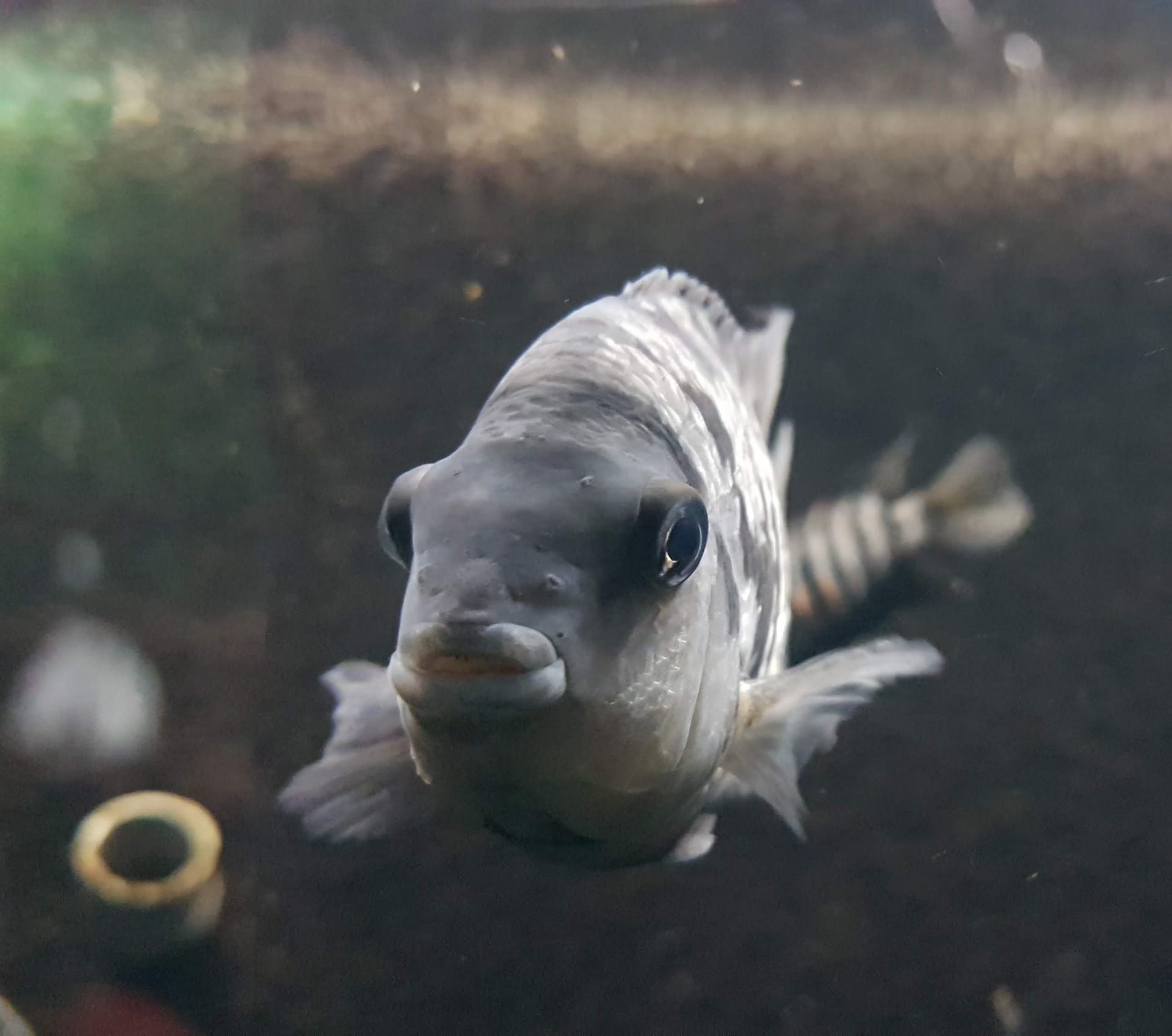
 © JSutton93 / CC BY-SA 4.0
Convict Cichlid
The Convict Cichlid is a small cichlid native to Central America, easily recognized by the bold black stripes running across its pale gray-white body. During breeding, females develop a striking orange blush on the belly, creating a vivid contrast between the sexes. Hardy and highly adaptable, this fish tolerates a range of water conditions and breeds readily, making it a popular starting point for anyone curious about cichlid keeping. That said, Convict Cichlids are strongly territorial and can become quite aggressive, especially when breeding, so they are generally best kept alone rather than in a community tank. With its rugged constitution, distinctive markings, and fascinating breeding behavior, this fish offers a lot of character in a compact package.
View Convict Cichlid encyclopedia →0% commission on your first sales!Register by September 30, 2026 and your first 2 sales are commission-free!
Breeder Wanted!
List on BreederDirect and sell directly to customers nationwide!
Our 6 Transparency Commitments
All Tropical Fish listings include water quality, temperament, and tank size information from verified Breeder.
- Origin Disclosed
- Real Photos
- Water Quality Disclosed
- Recommended Tank Size
- Temperament Disclosed
- Breed Line Disclosed
Browse all 301 breeds
Water Type
Care Level
Verified breeders wanted for Tropical Fish
Breeders are signing up now ahead of launch. Subscribe to be notified when new listings go live.
Getting alerts is free with a member account. When new listings match your saved search, we'll notify you by email and in-app.
Browse other categories
Verified breeders (preview)
Are you raising tropical fish?
Register as a breeder and connect with buyers directly.
Apply as a breederConvict Cichlid key facts
- Care level
- Beginner-friendly
- Lifespan
- 8-12 years
- Size
- 10-15cm
- Temperature
- 24〜28℃
- Diet
- Prepared foods, frozen bloodworm, frozen brine shrimp
- Tank
- Base dimensions of about 90 x 30cm are adequate for a single pair. Provide caves or rockwork as spawning sites and refuges.
- Water Temperature & Quality
- 24-28C, pH 6.0-8.0, 5-25 dGH. It tolerates a broad range of water chemistry.
- Tank Mates
- Strongly territorial, attacking regardless of size difference when breeding. A species-only tank is the norm.
- Diet & Feeding
- Very unfussy. Base the diet on prepared foods and add frozen items to keep it varied.
- Breeding & Spawning
- One of the most easily bred species in the hobby. Up to 300 eggs hatch in three to four days, with fry free-swimming four to seven days later.
- Health & Notes
- Line up homes for the fry before breeding, as numbers build fast. It digs, so anchor any plants.
About Convict Cichlid
A small Central American cichlid with bold black stripes on a pale gray body. Hardy and easy to breed, but territorial — best kept alone. A beginner-friendly species.
7 things to know before welcoming a Convict Cichlid
1Best Kept Alone
Convict Cichlids are highly territorial and may relentlessly chase tankmates. Aggression intensifies during breeding, so plan for a single-species or pair setup rather than a community tank.
2Hardy and Adaptable
This species tolerates a range of water conditions and is manageable even for beginners. Still, adequate filtration and regular water changes remain essential for keeping fish healthy long-term.
3Plan for Adult Size
Adults reach around 10-15cm in length. Don't size the tank based on their juvenile appearance alone — make sure there's enough room for them to swim comfortably once fully grown.
4Active Breeding Behavior
Once paired, they breed readily and attentively guard their eggs and fry, offering an interesting glimpse into cichlid parenting. If you'd rather avoid breeding, be mindful of how you combine sexes and set up the tank.
5Hiding Spots and Layout
Providing shelters such as clay pots or rock formations gives them a territorial base and helps them settle in. Keep in mind they may dig and rearrange substrate, so build a layout that stays stable even when disturbed.
6Telling Males from Females
During breeding, females develop a distinctive orange belly, making it relatively easy to tell the sexes apart. Outside of breeding, both display the same striped gray-white coloration.
7Preparing Before You Bring One Home
Given their territorial nature, it's important to have a dedicated tank and hiding spots ready before bringing one home. If you're considering tankmates, plan carefully with their temperament in mind.
Frequently asked questions about Convict Cichlid
- Q.Can it be kept with other fish?
- A.Because of their strong territorial instincts and aggression, community tanks aren't recommended. They can relentlessly attack tankmates, especially during breeding, so keeping them alone is the standard approach.
- Q.Is it suitable for beginners?
- A.Yes, it's considered beginner-friendly thanks to its hardiness and tolerance for varying water conditions. That said, you'll need to plan around its strong aggression.
- Q.How big does it get?
- A.Adults typically reach about 10-15cm. It's a good idea to plan tank size around their adult length from the start.
- Q.Is it easy to breed?
- A.Yes, it's hardy and breeds readily once a pair forms, laying eggs without much difficulty. You can also observe the parents attentively guarding their eggs and fry.
- Q.Are there any legal restrictions on keeping this fish?
- A.The Convict Cichlid is not subject to CITES.
Useful tools for Convict Cichlid care
Learn more about Convict Cichlid in the encyclopedia
View Convict Cichlid encyclopedia entry →
Care difficulty, lifespan, size and diet — all basics covered.
More in this category
Can't find the one you're looking for?
Post your wishes for free and breeders with matching animals will contact you with introductions.