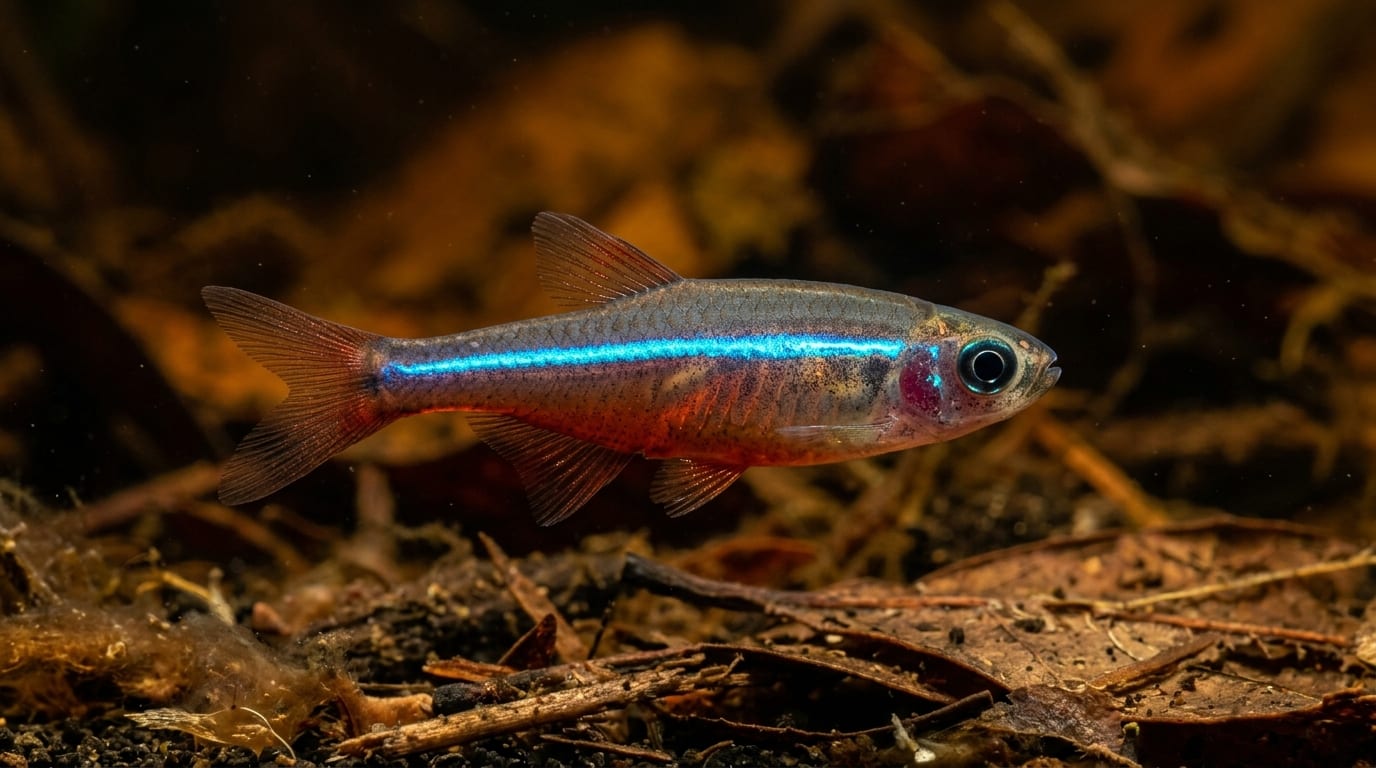
Neon Blue Rasbora
The Neon Blue Rasbora is an ultra-small cyprinid fish, reaching a maximum length of about 2.3 cm, known for the glowing neon-blue stripe that runs along its body. In the wild, it lives in blackwater peat swamp forests on islands like Borneo, where the tannin-stained water is extremely soft. This is a shy, retiring fish that tends to hide when housed with more boisterous tankmates, so it does best in a species-only tank or alongside similarly small, calm fish. Because of its tiny size and sensitivity to water conditions, it's generally considered a fish for experienced aquarists rather than beginners.
View Neon Blue Rasbora encyclopedia →0% commission on your first sales!Register by September 30, 2026 and your first 2 sales are commission-free!
Breeder Wanted!
List on BreederDirect and sell directly to customers nationwide!
Our 6 Transparency Commitments
All Tropical Fish listings include water quality, temperament, and tank size information from verified Breeder.
- Origin Disclosed
- Real Photos
- Water Quality Disclosed
- Recommended Tank Size
- Temperament Disclosed
- Breed Line Disclosed
Browse all 301 breeds
Water Type
Care Level
Verified breeders wanted for Tropical Fish
Breeders are signing up now ahead of launch. Subscribe to be notified when new listings go live.
Getting alerts is free with a member account. When new listings match your saved search, we'll notify you by email and in-app.
Browse other categories
Verified breeders (preview)
Are you raising tropical fish?
Register as a breeder and connect with buyers directly.
Apply as a breederNeon Blue Rasbora key facts
- Care level
- Advanced
- Lifespan
- 3-5 years
- Size
- Up to 2.3cm SL
- Temperature
- 23〜26℃
- Diet
- Live or frozen Artemia nauplii, daphnia, grindal worm and chopped bloodworm
- Tank
- Seriously Fish suggests a 30 x 20cm base. A densely planted tank with floating plants and driftwood roots to diffuse the light suits it. It comes from sluggish water, so keep filter flow gentle.
- Water Temperature & Quality
- Seriously Fish gives 23-26C and 0-5 dGH but lists pH as not recorded, and FishBase records only 23-26C. What is certain is that it comes from peat swamp blackwater and needs very soft water.
- Tank Mates
- Peaceful but small and timid, so it is unsuited to a general community. Keep it in a species tank or with equally small fish that share its water preferences, such as Boraras, Eirmotus and Trigonostigma.
- Diet & Feeding
- In nature it presumably eats small crustaceans, worms and zooplankton. Some individuals refuse dried food, so offer live or frozen Artemia nauplii, daphnia, grindal worm and chopped bloodworm regularly.
- Breeding & Spawning
- It has not often been bred in the hobby, largely because it dislikes fluctuating conditions, which makes separate spawning and rearing tanks hard to arrange. Reports nonetheless exist.
- Health & Notes
- It reacts badly to sudden changes, so acclimatise it slowly. Very soft water is a precondition, which means treating hard tap water in many areas. Habitat loss has led the IUCN to rate it Vulnerable.
About Neon Blue Rasbora
A care guide to the Neon Blue Rasbora, an ultra-small cyprinid fish with a glowing neon-blue stripe that grows to about 2.3 cm. Learn about its shy nature, care tips, and common questions.
7 things to know before welcoming a Neon Blue Rasbora
1Prefers Very Soft Water
In the wild, this species lives in blackwater habitats on islands like Borneo, where tannins stain the water and it stays extremely soft. Keeping the water on the soft side in your tank helps maintain its health.
2A Shy Temperament
The Neon Blue Rasbora is a very timid fish that spends much of its time hiding. Without a calm environment, it may not come out to feed.
3Best Kept Alone
It tends to become stressed and withdrawn when housed with larger, more active fish. A species-only tank, or tankmates that are similarly small and calm, works best.
4An Advanced-Level Fish
Its tiny size makes it sensitive to changes in water quality, which is why it's generally considered suited to experienced keepers. A stable, well-managed tank is important.
5Provide Places to Hide
Driftwood, plants, and floating vegetation give the fish spots to retreat to, helping it settle in. Avoid overly open layouts with no cover.
6Feed Small-Sized Food
Because of its small mouth, it needs food sized appropriately, such as powdered fry food or newly hatched brine shrimp. These are easy for it to eat.
7Let the Tank Mature First
A newly set up tank can have unstable water parameters, which is hard on such a small fish. Adding it once filtration has stabilized is the safer approach.
Frequently asked questions about Neon Blue Rasbora
- Q.How big does it grow?
- A.It's an ultra-small species that reaches a maximum of about 2.3 cm. It stays tiny throughout its life, so it has a subtle presence in a tank compared with other fish.
- Q.Can it be kept with other fish?
- A.Because it's a shy fish, it tends to hide when kept with more active tankmates. If you do keep it with others, choose fish that are similarly small and calm.
- Q.Is it suitable for beginners?
- A.It's generally considered suited to experienced aquarists rather than beginners. Because it needs very soft water and careful water quality management, it's best kept after gaining experience with other tropical fish.
- Q.What kind of setup does it need?
- A.Following its natural habitat in places like Borneo, aim for soft water and a layout with driftwood or plants for cover. A calm environment with places to hide will make it more likely to come out and be seen.
- Q.What should I feed it?
- A.Because its mouth is small, it needs fine food such as powdered food or freshly hatched brine shrimp. Uneven feeding can lead to water quality issues, so it's best to give small amounts several times a day.
Useful tools for Neon Blue Rasbora care
Learn more about Neon Blue Rasbora in the encyclopedia
View Neon Blue Rasbora encyclopedia entry →
Care difficulty, lifespan, size and diet — all basics covered.
More in this category
Can't find the one you're looking for?
Post your wishes for free and breeders with matching animals will contact you with introductions.