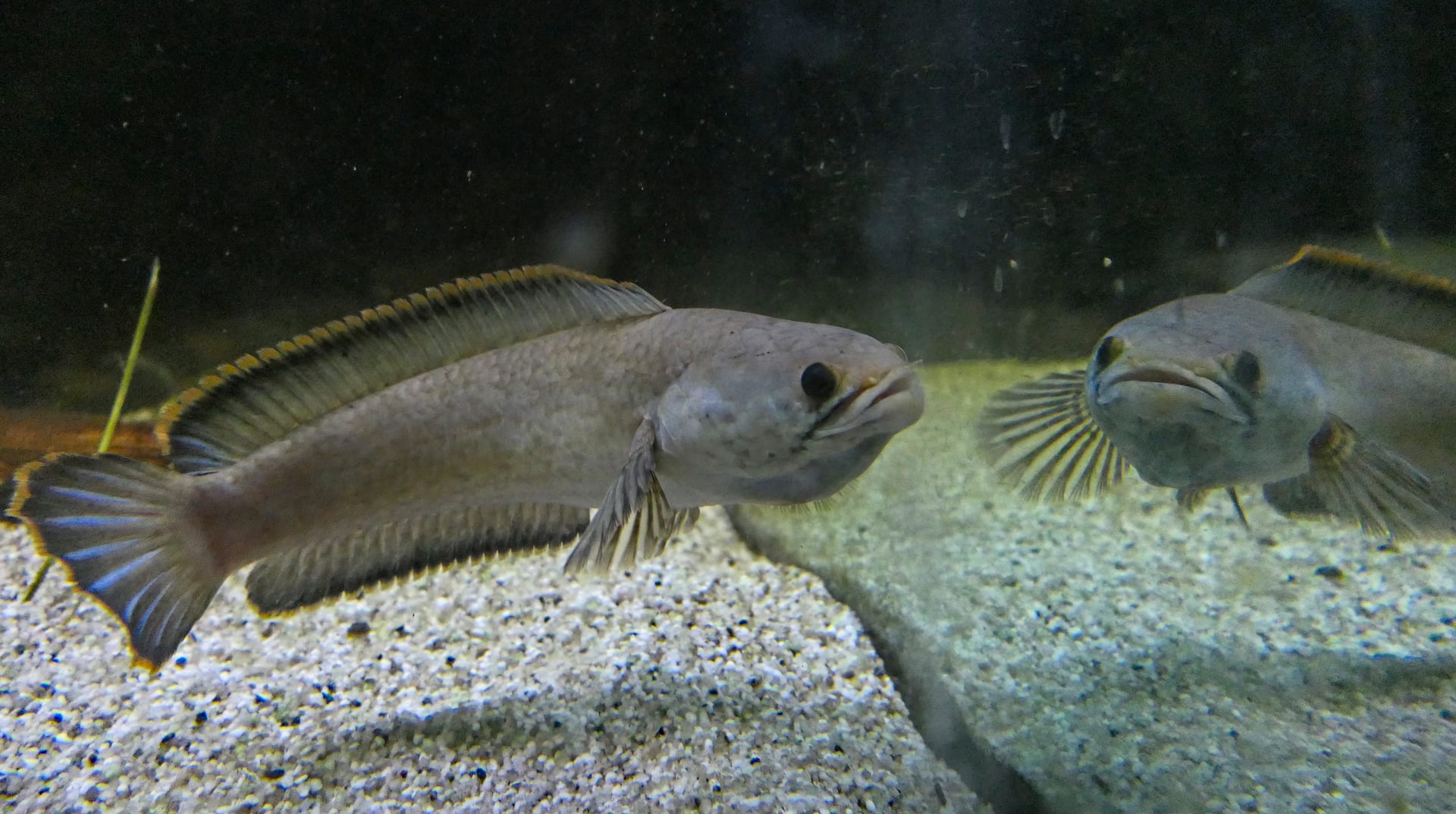
 © 5snake5 / CC0
Dwarf Snakehead
The Dwarf Snakehead is a small snakehead species native to a wide range spanning from Afghanistan to Indonesia. Despite reaching only about 15 to 20 cm as an adult, its coloration varies dramatically between populations, with some individuals showing striking red or blue-edged fins. This species is a mouthbrooder, carrying eggs and fry in its mouth for protection, and has been bred successfully in home aquariums many times. Territorial by nature, it's generally best kept alone rather than with tankmates. While considered suitable for intermediate-level keepers, its distinctive appearance and fascinating parental behavior make it a rewarding fish to observe up close.
View Dwarf Snakehead encyclopedia →0% commission on your first sales!Register by September 30, 2026 and your first 2 sales are commission-free!
Breeder Wanted!
List on BreederDirect and sell directly to customers nationwide!
Our 6 Transparency Commitments
All Tropical Fish listings include water quality, temperament, and tank size information from verified Breeder.
- Origin Disclosed
- Real Photos
- Water Quality Disclosed
- Recommended Tank Size
- Temperament Disclosed
- Breed Line Disclosed
Browse all 301 breeds
Water Type
Care Level
Verified breeders wanted for Tropical Fish
Breeders are signing up now ahead of launch. Subscribe to be notified when new listings go live.
Getting alerts is free with a member account. When new listings match your saved search, we'll notify you by email and in-app.
Browse other categories
Verified breeders (preview)
Are you raising tropical fish?
Register as a breeder and connect with buyers directly.
Apply as a breederDwarf Snakehead key facts
- Care level
- Intermediate
- Lifespan
- 5-8 years
- Size
- 15-20cm
- Temperature
- 18〜28℃
- Diet
- Frozen bloodworm, earthworms, chopped prawn and fish
- Tank
- A 120 x 45cm base, about 243 litres, is the practical minimum. Keep the lighting dim and provide plenty of cover from plants, driftwood and pipes. Snakeheads escape easily, so a tight cover is essential, with an air gap left above the water.
- Water Temperature & Quality
- Seriously Fish gives 18-28C, pH 5.0-8.0 and 1-20dGH; FishBase records 22-26C and pH 6.0-7.0 in the wild. Populations from colder regions such as northern India require a cool winter period.
- Tank Mates
- Normally kept alone or as a pair. It can share a tank with peaceful fish too large to be eaten. Juveniles can be grown on together but turn aggressive as they mature, and an established pair will drive off other conspecifics.
- Diet & Feeding
- An obligate predator. Offer bloodworm, earthworms and pieces of prawn or fish. Some individuals take dried food but it should never be the staple. Avoid mammalian and avian meat and feeder fish.
- Breeding & Spawning
- A mouthbrooder that breeds regularly in captivity. In some populations the female produces infertile eggs to feed the free-swimming fry. Take care not to mix populations, as some may hybridise.
- Health & Notes
- Fish from different localities may prove to be separate species, so check the collection locality when buying. It jumps powerfully and escapes through gaps in the cover.
About Dwarf Snakehead
Dwarf Snakehead is a small snakehead found from Afghanistan to Indonesia, known for striking color variation and mouthbrooding behavior. Adults reach 15-20cm and it's best suited to intermediate keepers.
7 things to know before welcoming a Dwarf Snakehead
1Best Kept Alone
Dwarf Snakeheads are territorial and often clash with both their own kind and other tankmates. If mixing with other fish, provide ample hiding spots and tank space, and introduce new fish gradually while monitoring behavior closely.
2Watch for Jumping
Like other snakeheads, this species is a powerful jumper and can leap out of an open or loosely covered tank. Use a tight, secure lid and leave enough space between the water surface and the tank rim.
3Carnivorous Diet
This species is strongly carnivorous and prefers animal-based foods like frozen bloodworms or small fish. Some individuals can be trained onto pellets, but if one refuses, try starting with live or frozen food and transitioning gradually.
4Coloration Varies Widely
Because this species ranges across such a wide area, coloration and patterns vary significantly between populations. The color you see at purchase may change as the fish matures, so it's worth evaluating body condition and shape as well, not just color.
5Mouthbrooding Parent
This species is known for mouthbrooding — carrying eggs and newly hatched fry in its mouth for protection. Successful captive breeding has been reported many times, so if you're considering breeding, prepare a way to separate a compatible pair in advance.
6Adult Tank Size
Adults reach roughly 15 to 20 cm, so it's best to plan for that eventual size even while the fish is still young. A tank that stays too small can stunt growth or become a source of stress.
7Check Health Before Buying
Before bringing one home, check the fins and body for injuries or white spots, and observe its feeding response. After introduction, acclimate it slowly to your water conditions and consider a short quarantine period to monitor its health.
Frequently asked questions about Dwarf Snakehead
- Q.Can it be kept with other fish?
- A.It's territorial and generally best kept alone. If you do mix it with tankmates, use a large tank with plenty of hiding spots and introduce fish carefully based on size and temperament.
- Q.How big does it get?
- A.Adults typically reach about 15 to 20 cm. Size can vary somewhat by individual and conditions, so it's wise to plan for a tank with room to spare.
- Q.Is this a good fish for a beginner?
- A.This species is considered suitable for intermediate-level keepers rather than beginners. Its carnivorous diet and need for solitary housing require more attention than many other tropical fish.
- Q.Can it jump out of the tank?
- A.Like other snakeheads, it's a strong jumper and can escape through a loose or inadequate lid. Use a secure, well-fitted cover and leave extra clearance between the water line and the rim.
- Q.Can it be bred at home?
- A.It's a mouthbrooder, carrying eggs and fry in its mouth, and captive breeding has been reported many times. Success depends on having a compatible pair and a suitable space to protect the eggs and fry.
Useful tools for Dwarf Snakehead care
Learn more about Dwarf Snakehead in the encyclopedia
View Dwarf Snakehead encyclopedia entry →
Care difficulty, lifespan, size and diet — all basics covered.
More in this category
Can't find the one you're looking for?
Post your wishes for free and breeders with matching animals will contact you with introductions.