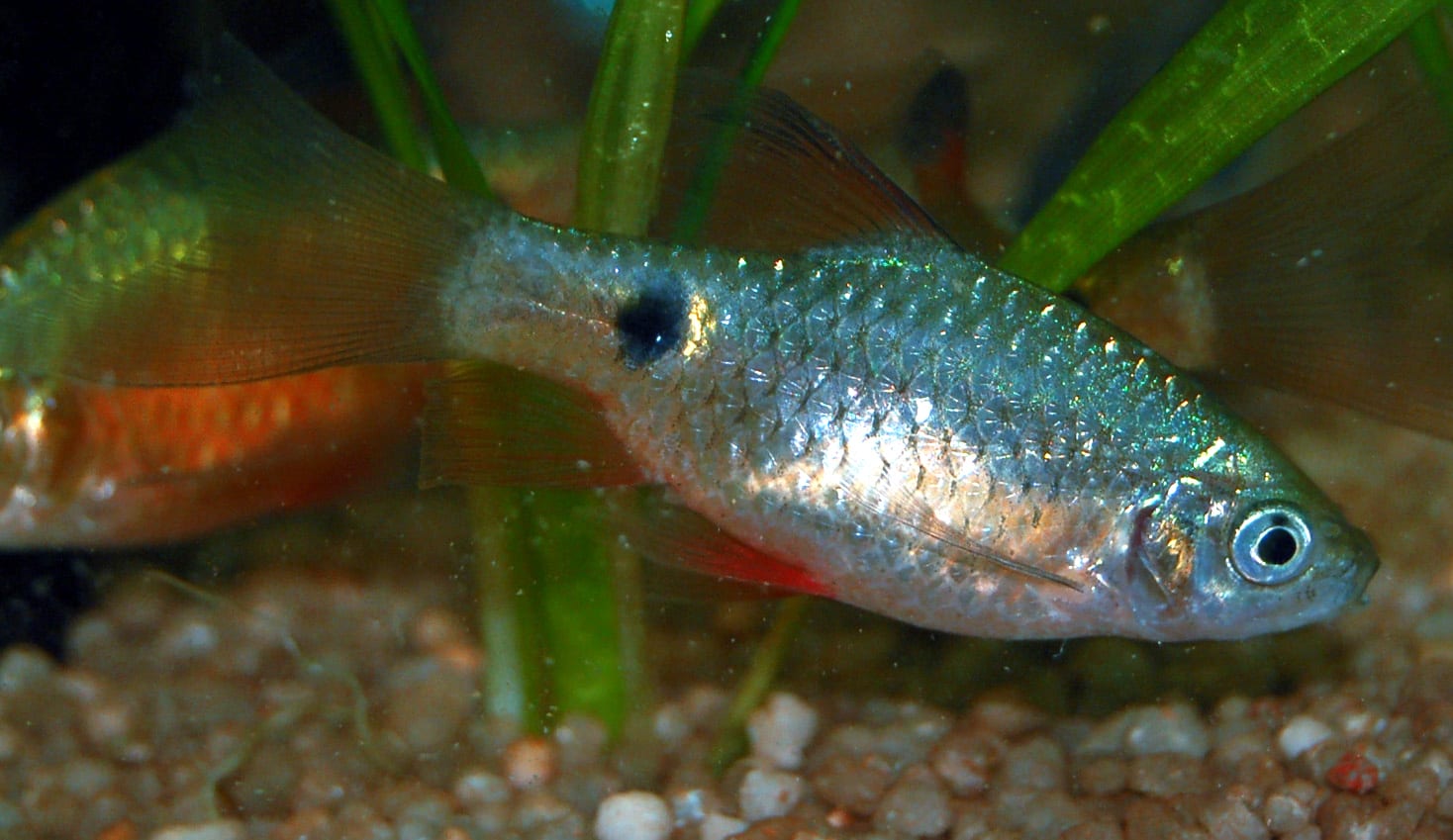
 © Marrabbio2 / CC BY-SA 4.0
Rosy Barb
The Rosy Barb is a mid-sized member of the carp family, best known for the way breeding males shift from silvery tones to a deep rosy red. It's a hardy fish that tolerates cooler water than many tropical species, making it a good fit for planted tanks or even unheated setups. Kept in groups of eight or more, males compete for attention by intensifying their color, creating a lively, ever-changing display. Active and sociable, they also make a confident centerpiece in community tanks. Combining beginner-friendly toughness with striking seasonal color, the Rosy Barb rewards patient, attentive keepers.
View Rosy Barb encyclopedia →0% commission on your first sales!Register by September 30, 2026 and your first 2 sales are commission-free!
Breeder Wanted!
List on BreederDirect and sell directly to customers nationwide!
Our 6 Transparency Commitments
All Tropical Fish listings include water quality, temperament, and tank size information from verified Breeder.
- Origin Disclosed
- Real Photos
- Water Quality Disclosed
- Recommended Tank Size
- Temperament Disclosed
- Breed Line Disclosed
Browse all 301 breeds
Water Type
Care Level
Verified breeders wanted for Tropical Fish
Breeders are signing up now ahead of launch. Subscribe to be notified when new listings go live.
Getting alerts is free with a member account. When new listings match your saved search, we'll notify you by email and in-app.
Browse other categories
Verified breeders (preview)
Are you raising tropical fish?
Register as a breeder and connect with buyers directly.
Apply as a breederRosy Barb key facts
- Care level
- Beginner-friendly
- Lifespan
- 5-8 years
- Size
- Up to 14cm TL
- Temperature
- 16〜24℃
- Diet
- Dried, frozen and live foods
- Tank
- Seriously Fish suggests a 100 x 30cm base of about 90 litres. Colour is best over a dark substrate in a heavily planted tank, with floating plants and driftwood to soften the light. Strong filtration is unnecessary, but it appreciates some flow.
- Water Temperature & Quality
- Seriously Fish gives 16-24C, pH 6.0-8.0 and 5-20 dGH, while FishBase records 18-22C, pH 6.0-8.0 and 5-19 dH. It is undemanding about chemistry but, being subtropical, is not suited to year-round warmth.
- Tank Mates
- Peaceful and easy to mix with small cyprinids, characins, livebearers, rainbowfish, anabantoids, catfish and loaches. Seriously Fish recommends at least eight to ten, which makes the fish far less nervous.
- Diet & Feeding
- An omnivore taking worms, crustaceans and insects. Dried food serves as the staple, and frozen bloodworm or Artemia deepens the claret of breeding males.
- Breeding & Spawning
- An egg scatterer with no parental care. Mature males are slimmer and deep claret while females are larger and thicker-bodied, so sexing is easy. Spawn them in a dimly lit separate tank over mesh or fine-leaved plants and remove the adults afterwards.
- Health & Notes
- Among the hardiest small cyprinids and a good beginner's fish. Hybrids with congeners have been produced but their offspring are reported to be infertile. It reaches 14cm, so it is not suited to long-term life in a small tank. The IUCN rates it Least Concern and it is not listed by CITES.
About Rosy Barb
A hardy, cold-tolerant barb whose breeding males turn a striking rosy red. Easy to keep and best enjoyed in a group.
7 things to know before welcoming a Rosy Barb
1Best Kept in Groups
Rosy Barbs are happiest in numbers rather than alone. Keeping eight or more together encourages males to compete for color, bringing out their best appearance. In smaller groups, coloration tends to stay more subdued.
2Grows Up to 14 cm
Adults can reach up to 14 cm in length. They're more active swimmers than their size might suggest, so plan for a tank with enough open swimming space for a group to move freely.
3Tolerant of Cooler Water
Among small barbs, this species stands out for its hardiness and tolerance of cooler temperatures. That said, sudden changes in water quality can still stress any fish, so introduce water changes gradually.
4Male Color Signals Breeding
Typically silvery, males deepen into a rich rosy red once they enter breeding condition. Watching this seasonal shift offers a useful cue for gauging health and readiness to spawn.
5Watch Tankmates With Long Fins
Being active swimmers, Rosy Barbs can sometimes nip at the fins of slower, long-finned tankmates. Pairing them with equally active, robust species tends to make for a calmer community tank.
6Acclimate Carefully
Despite their toughness, newly introduced fish are most vulnerable to stress right after arrival. Take time with drip acclimation and set up the tank with a few sheltering spots in advance.
7Beginner-Friendly Difficulty
Thanks to their hardiness and adaptability, Rosy Barbs are considered approachable even for first-time tropical fish keepers. Consistent basic water maintenance is generally enough to keep them thriving.
Frequently asked questions about Rosy Barb
- Q.How many Rosy Barbs should I keep together?
- A.Groups of eight or more are recommended. With enough individuals together, males compete for color and show their best appearance, while smaller groups tend to stay more muted.
- Q.Can Rosy Barbs live with other fish?
- A.Yes, they generally do well with equally active, robust species. Take care when pairing them with slower, long-finned fish, as fin-nipping can occur.
- Q.How can I tell males and females apart?
- A.During breeding condition, males shift from silvery tones to a deep rosy red, making them easier to distinguish. Outside of this period, telling them apart can be more difficult.
- Q.How cool can the water be?
- A.They're notably hardy among small barbs and tolerate cooler water better than many tropical fish. Even so, sudden temperature swings can stress any fish, so changes should be made gradually.
- Q.Is this species suitable for beginners?
- A.Yes, its hardiness and adaptability make it well-suited to beginners. With basic water maintenance and a properly sized group, it can thrive for a long time.
Useful tools for Rosy Barb care
Learn more about Rosy Barb in the encyclopedia
View Rosy Barb encyclopedia entry →
Care difficulty, lifespan, size and diet — all basics covered.
More in this category
Can't find the one you're looking for?
Post your wishes for free and breeders with matching animals will contact you with introductions.