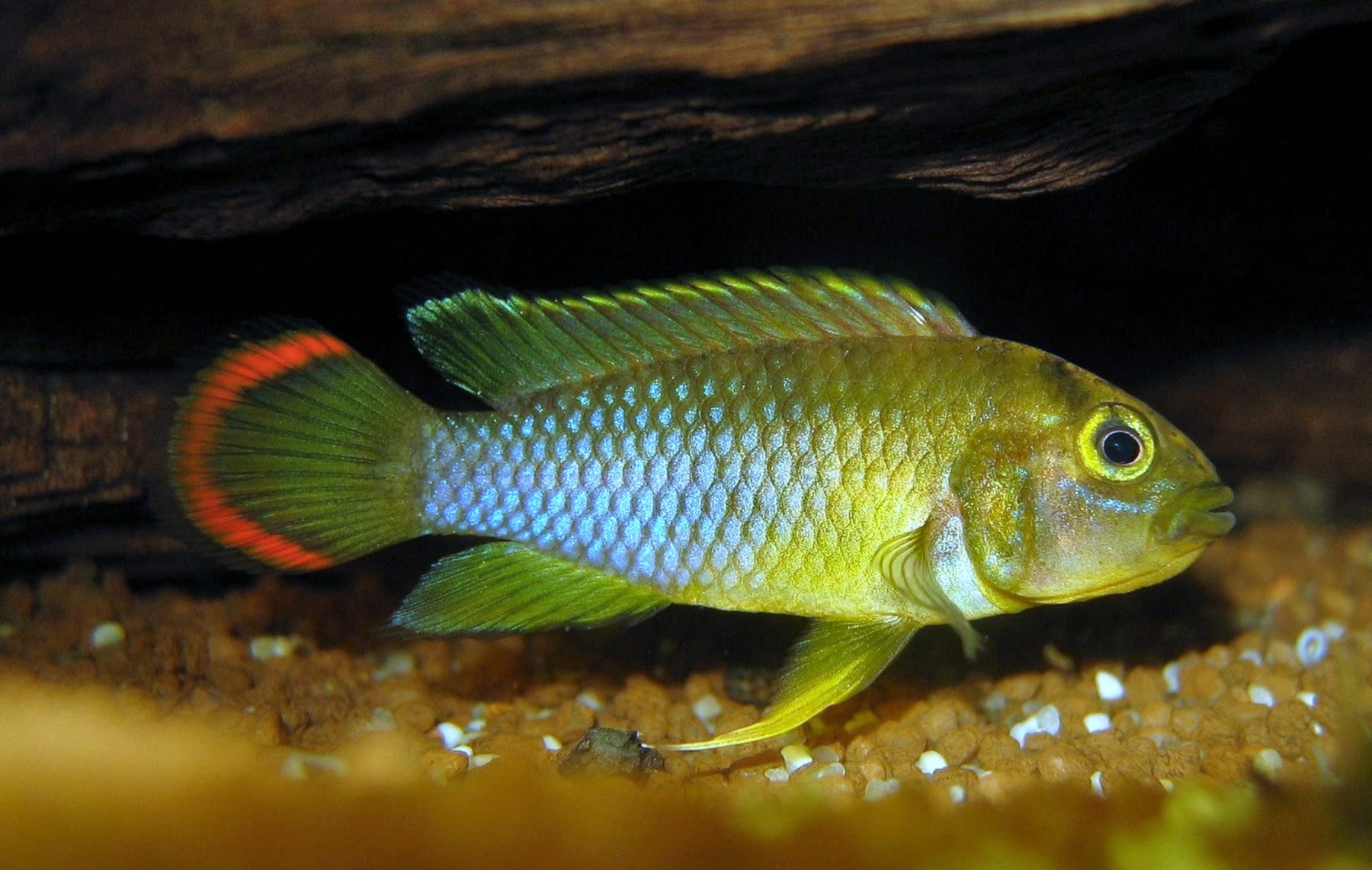
 © Sascha Biedermann / CC BY-SA 2.5
Panda Dwarf Cichlid
The Panda Dwarf Cichlid is a small cichlid known only from blackwater habitats within Peru's Ucayali River system. Its common name comes from an eye-catching transformation: after spawning, females develop vivid coloration marked with bold black patches. Temperaments are generally calm, though brooding females can turn feisty. This species prefers soft, slightly acidic water, so keepers need to pay attention to water chemistry, which is why it's considered better suited to intermediate aquarists. Reaching a maximum standard length of about 3.9 cm, it stays compact enough to shine in smaller planted tanks, making it a popular entry point into the wider Apistogramma hobby.
View Panda Dwarf Cichlid encyclopedia →0% commission on your first sales!Register by September 30, 2026 and your first 2 sales are commission-free!
Breeder Wanted!
List on BreederDirect and sell directly to customers nationwide!
Our 6 Transparency Commitments
All Tropical Fish listings include water quality, temperament, and tank size information from verified Breeder.
- Origin Disclosed
- Real Photos
- Water Quality Disclosed
- Recommended Tank Size
- Temperament Disclosed
- Breed Line Disclosed
Browse all 301 breeds
Water Type
Care Level
Verified breeders wanted for Tropical Fish
Breeders are signing up now ahead of launch. Subscribe to be notified when new listings go live.
Getting alerts is free with a member account. When new listings match your saved search, we'll notify you by email and in-app.
Browse other categories
Verified breeders (preview)
Are you raising tropical fish?
Register as a breeder and connect with buyers directly.
Apply as a breederAbout Panda Dwarf Cichlid
Panda Dwarf Cichlid, a small Apistogramma from Peru's Ucayali blackwater, named for the bold black patches spawning females develop. Growing to about 3.9 cm, it prefers soft acidic water and suits intermediate keepers.
7 things to know before welcoming a Panda Dwarf Cichlid
1Needs Soft, Acidic Water
Coming from Peru's blackwater habitats, this species thrives in soft water with a low pH. Harder water can dull its color and condition, so adjusting your water chemistry is worthwhile before adding this fish.
2Females Transform After Spawning
After laying eggs, females develop vivid coloration with bold black patches, the trait behind the panda name. Watching this transformation is one of the highlights of keeping a breeding pair.
3Provide Plenty of Hiding Spots
These cichlids appreciate shelter, so caves, driftwood, and coconut shells help them feel secure. Extra hiding spots are especially important if you're hoping to encourage breeding.
4Suits Smaller Tanks
With a maximum standard length of about 3.9 cm, this is a compact species well suited to smaller aquariums. Still, give pairs or groups enough space and layout to establish their own territory.
5Males Can Be Territorial
This species can be territorial, and males in particular may fight with one another. Keep a single male, one pair, or a larger group with ample space and hiding spots to reduce conflict.
6Avoid Sudden Water Changes
They're sensitive to abrupt shifts in water quality or temperature, so change water gradually and in small amounts. Take extra care acclimating new arrivals to your tank's conditions.
7Best Suited to Intermediate Keepers
Because it requires attentive water chemistry management, this species is generally recommended for intermediate aquarists. Learning how to maintain soft, acidic conditions before purchase will help you succeed.
Frequently asked questions about Panda Dwarf Cichlid
- Q.Is this species suitable for beginners?
- A.Because it needs soft, acidic water, the Panda Dwarf Cichlid is generally considered better suited to intermediate keepers. Learning how to maintain those water conditions beforehand will help ensure success.
- Q.How big does this species get?
- A.It's a small cichlid reaching a maximum standard length of about 3.9 cm. Males and females may differ slightly in size and build.
- Q.Can it be kept with other fish?
- A.Because it can be territorial, tankmates should be chosen carefully. Avoid housing multiple males together or pairing it with small, timid fish, and provide ample hiding spots for all tank residents.
- Q.How often should I change the water?
- A.Since this species is sensitive to sudden shifts in water quality, avoid large water changes all at once and instead change water gradually in small amounts. Take care with acclimation whenever adding new water.
- Q.Is this species regulated under CITES?
- A.No, this species is not subject to CITES.
Useful tools for Panda Dwarf Cichlid care
Learn more about Panda Dwarf Cichlid in the encyclopedia
View Panda Dwarf Cichlid encyclopedia entry →
Care difficulty, lifespan, size and diet — all basics covered.
More in this category
Can't find the one you're looking for?
Post your wishes for free and breeders with matching animals will contact you with introductions.