 © Chronotopian / CC BY-SA 3.0
Panda Corydoras
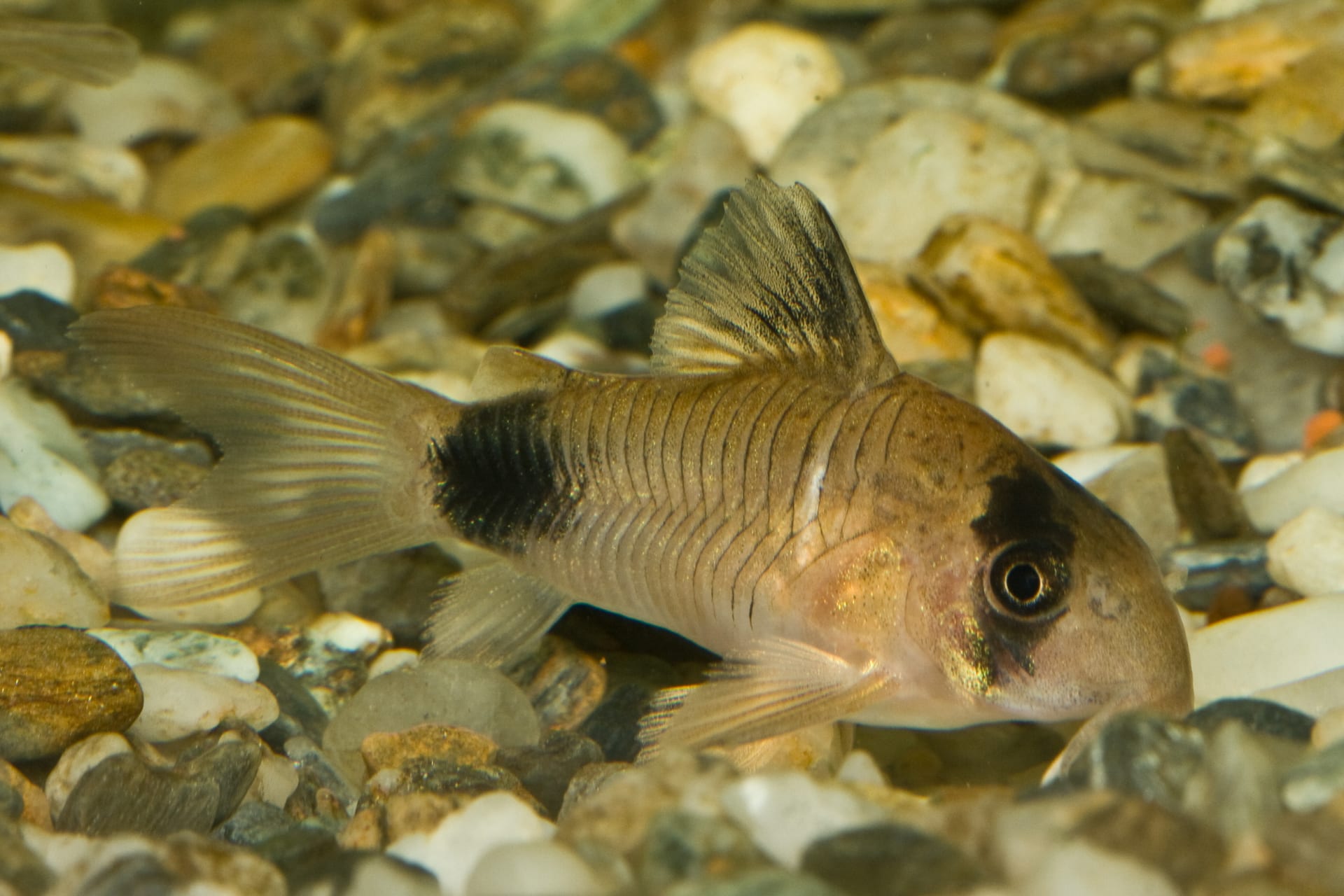
Panda Corydoras get their name from their giant-panda-like markings — a black patch over each eye, plus dark markings at the base of the dorsal fin and near the tail, set against a creamy white body. Reaching about 3.8 to 5 cm as adults, they're a compact catfish with a calm but somewhat shy temperament, often hiding at first before settling in and moving together along the substrate once acclimated. They naturally forage for leftover food on the tank floor, which has made them popular as a helpful cleanup companion. They're considered an easy species for beginners, though they don't tolerate high water temperatures well, so keeping conditions stable matters. With their expressive faces and understated charm, they've remained a long-standing favorite for community tanks.
View Panda Corydoras encyclopedia →0% commission on your first sales!Register by September 30, 2026 and your first 2 sales are commission-free!
Breeder Wanted!
List on BreederDirect and sell directly to customers nationwide!
Our 6 Transparency Commitments
All Tropical Fish listings include water quality, temperament, and tank size information from verified Breeder.
- Origin Disclosed
- Real Photos
- Water Quality Disclosed
- Recommended Tank Size
- Temperament Disclosed
- Breed Line Disclosed
Browse all 301 breeds
Water Type
Care Level
Verified breeders wanted for Tropical Fish
Breeders are signing up now ahead of launch. Subscribe to be notified when new listings go live.
Getting alerts is free with a member account. When new listings match your saved search, we'll notify you by email and in-app.
Browse other categories
Verified breeders (preview)
Are you raising tropical fish?
Register as a breeder and connect with buyers directly.
Apply as a breederPanda Corydoras key facts
- Care level
- Beginner-friendly
- Lifespan
- 3-5 years
- Size
- 3.8-5cm
- Temperature
- 22〜25℃
- Diet
- Sinking dried foods, frozen bloodworm, Tubifex
- Tank
- A 45 x 30cm base, about 41 litres, is the practical minimum. Use fine rounded sand so the barbels are not damaged, and never block access to the water surface.
- Water Temperature & Quality
- 22-25C, pH 6.0-7.4, 1-12dGH. FishBase records 20-25C, pH 6.0-8.0 and 2-25dH in the wild. It dislikes heat, so watch summer temperatures.
- Tank Mates
- Peaceful and gregarious; keep at least four to six. Being small it cannot compete for food with larger or more boisterous fish.
- Diet & Feeding
- A foraging omnivore. Offer sinking dried food plus small frozen and live items such as bloodworm and Tubifex. Do not treat it as a clean-up crew.
- Breeding & Spawning
- Use two males per female. Once females are gravid, make a 50-70 percent water change with cooler water and raise oxygenation and flow. Eggs are laid on glass, fine-leaved plants or spawning mops.
- Health & Notes
- Assessed Near Threatened by the IUCN Red List on the basis of its restricted range. It is vulnerable to high temperatures and to a dirty substrate.
About Panda Corydoras
Panda Corydoras is a small, beginner-friendly catfish known for the black eye patches and panda-like markings on its creamy white body. Its calm temperament makes it easy to keep alongside other peaceful tropical fish.
7 things to know before welcoming a Panda Corydoras
1Sensitive to Warm Water
Panda corydoras don't tolerate high water temperatures well, so watch for summer heat spikes and sudden swings. A reliable heater or cooling fan helps keep the temperature steady and comfortable for them.
2Happier in Groups
This species naturally shoals, so keeping several together helps them settle in and behave more naturally. A lone individual tends to stay hidden and seem more skittish.
3Protect Their Barbels
They use sensitive barbels around the mouth to forage along the substrate for food. Sharp-edged gravel can injure these barbels, so choose smooth, rounded sand or fine gravel instead.
4Peaceful Tank Mates
Panda corydoras are calm and rarely bother other small fish, making them easy to combine with many peaceful tropical species. It's best to avoid housing them with aggressive or fin-nipping fish.
5Natural Cleanup Crew
They pick at leftover food that sinks to the bottom, which helps keep the substrate tidier. Still, they need their own sinking food to stay properly nourished, since scraps alone aren't enough.
6Sensitive to Water Changes
Acclimate new arrivals slowly and carefully when introducing them to a tank. Sudden shifts in temperature or water chemistry can stress them out.
7Prep the Tank Before Arrival
Add driftwood or plants to create hiding spots so they can settle in comfortably. Choose a spot with gentle water flow, since strong currents can be tiring for them.
Frequently asked questions about Panda Corydoras
- Q.Is the panda corydoras suitable for beginners?
- A.Yes, it's generally considered an easy species for beginner aquarists. That said, it doesn't tolerate high water temperatures well, so keeping the temperature stable is important.
- Q.How big do panda corydoras get?
- A.Adults typically reach about 3.8 to 5 cm. Their small size makes them a good fit for compact tanks.
- Q.Can they live with other fish?
- A.Thanks to their calm temperament, they mix well with most peaceful small tropical fish. It's best to avoid tank mates that are aggressive or known to nip fins.
- Q.What should I feed them?
- A.Sinking foods like tablets or pellets work well as a staple. They'll also naturally pick at leftover food that settles on the substrate.
- Q.Where does the "panda" name come from?
- A.It comes from their coloring — a black patch over each eye plus dark markings at the base of the dorsal fin and near the tail resemble a giant panda's markings. The contrast against their pale, creamy body makes the pattern stand out.
Useful tools for Panda Corydoras care
Learn more about Panda Corydoras in the encyclopedia
View Panda Corydoras encyclopedia entry →
Care difficulty, lifespan, size and diet — all basics covered.
More in this category
Can't find the one you're looking for?
Post your wishes for free and breeders with matching animals will contact you with introductions.