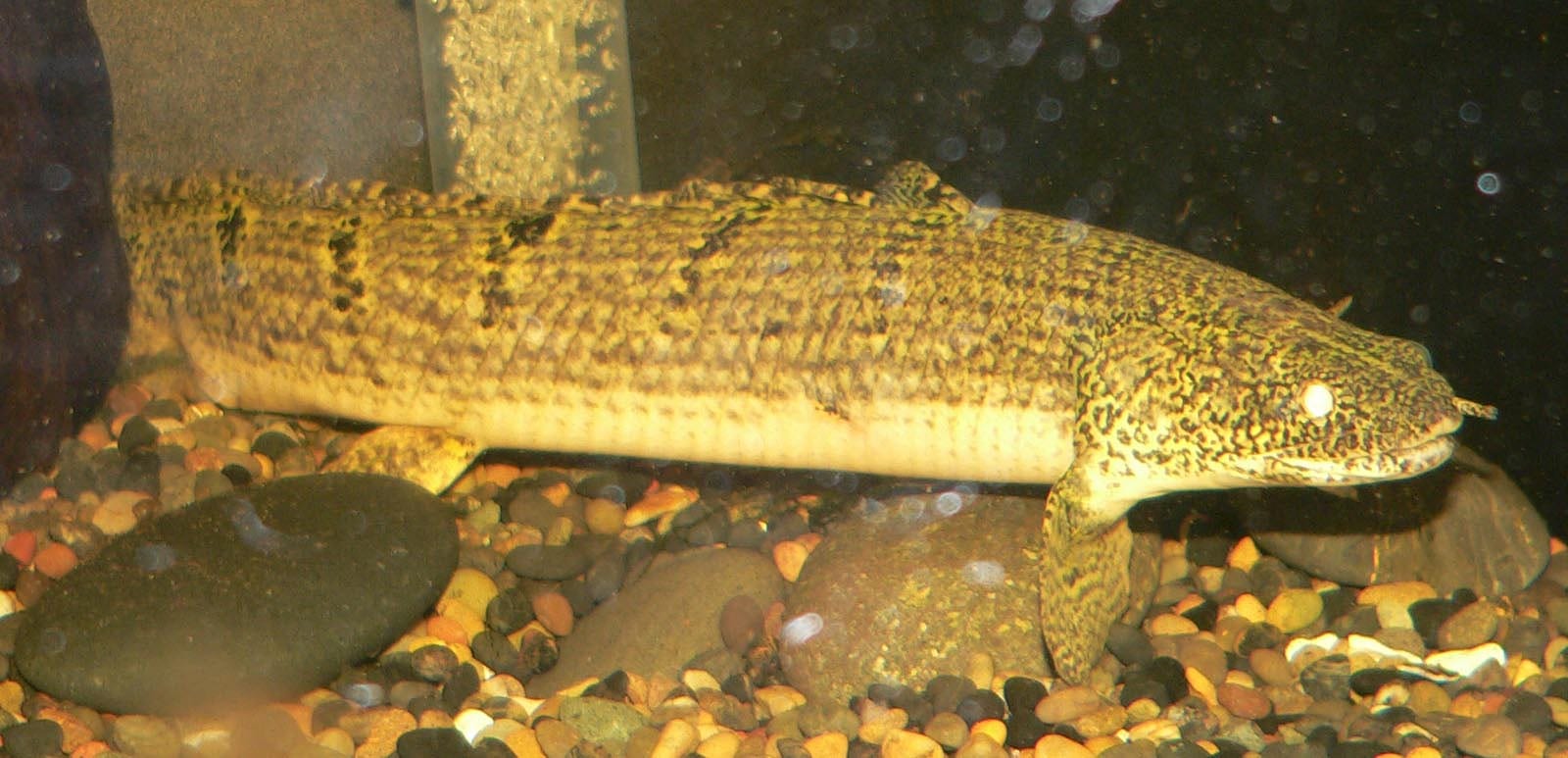
 © Stan Shebs / CC BY-SA 3.0
Mottled Bichir
Polypterus weeksii, known as the Mottled Bichir, is a striking large bichir marked with bold dark blotches over a pale base color. It comes from the middle stretches of the Congo River, and mature individuals can grow past 50 cm in total length, giving it a strong, dynamic build. Its armored, prehistoric look pairs with a surprisingly engaging personality — settled individuals often come to notice movement near the tank. Classified among the "superior jaw" bichirs, it's also seen less often in the trade than its relatives, making it a genuinely special find. Suited to intermediate keepers, it rewards a well-prepared setup with real presence.
View Mottled Bichir encyclopedia →0% commission on your first sales!Register by September 30, 2026 and your first 2 sales are commission-free!
Breeder Wanted!
List on BreederDirect and sell directly to customers nationwide!
Our 6 Transparency Commitments
All Tropical Fish listings include water quality, temperament, and tank size information from verified Breeder.
- Origin Disclosed
- Real Photos
- Water Quality Disclosed
- Recommended Tank Size
- Temperament Disclosed
- Breed Line Disclosed
Browse all 301 breeds
Water Type
Care Level
Verified breeders wanted for Tropical Fish
Breeders are signing up now ahead of launch. Subscribe to be notified when new listings go live.
Getting alerts is free with a member account. When new listings match your saved search, we'll notify you by email and in-app.
Browse other categories
Verified breeders (preview)
Are you raising tropical fish?
Register as a breeder and connect with buyers directly.
Apply as a breederMottled Bichir key facts
- Care level
- Intermediate
- Lifespan
- 10-15 years
- Size
- Up to 54cm TL
- Diet
- Meaty live and frozen foods such as prawns, earthworms, mussel and lancefish
- Tank
- Seriously Fish suggests a 150 x 60cm base of about 540 litres. Favour floor space, build cover from driftwood and smooth rocks over sand, and fit a heavy, gap-free lid.
- Water Temperature & Quality
- An air-breathing bottom fish of the middle Congo, it needs an air gap above the water, and temperature and water chemistry should be kept stable with small, gradual water changes.
- Tank Mates
- It swallows anything small enough but is otherwise fairly peaceful. Other Polypterus, Datnioides, knifefish, larger Synodontis and Ctenopoma and medium to large characins are suitable.
- Diet & Feeding
- Carnivorous and often refuses dried food. Offer prawns, earthworms, mussel and small fish, live or frozen. It hunts by smell and is easily outcompeted by faster tankmates.
- Breeding & Spawning
- Captive breeding has not been recorded and is presumed to follow congeners. In the wild it spawns during the rainy season, the male cupping the eggs in his anal fin, fertilising them and scattering them among plants; hatching takes three to four days.
- Health & Notes
- It breathes air and will drown if it cannot surface. The external gills of juveniles are lost with growth. Imports are uncommon and newly arrived fish can be unsettled, so check that a specimen is feeding before buying. The IUCN rates it Least Concern.
About Mottled Bichir
Polypterus weeksii, the Mottled Bichir, is a large bichir with bold dark blotches on a pale body. Native to the middle Congo River, it can grow up to 54 cm and is rarely seen in the trade.
7 things to know before welcoming a Mottled Bichir
1Plan for a large adult size
This bichir can reach up to 54 cm in total length, so plan ahead for a tank of 120 cm or larger once it's fully grown. Keeping it in cramped quarters for too long can hold back its growth, so give it room to develop.
2A "superior jaw" type
Polypterus weeksii belongs to the "superior jaw" group among bichirs. Individual fish often show their own quirks in how they take food, which makes feeding time interesting to watch.
3Carnivorous — mind tankmates
Any tankmate small enough to fit in its mouth is at risk of being eaten, so choose companions carefully by size. Even fish of the same or closely related species can clash if a size gap develops.
4Nocturnal, shelter-loving
During the day it tends to stay still under driftwood or rocks, becoming more active mainly after dark. A layout with plenty of hiding spots helps it feel secure.
5Guard against jumping and escape
Like other bichirs, this species can leap out of the water or squeeze through small gaps to escape. A secure, well-fitted lid with no openings is essential.
6Feed a carnivorous diet
Offer a carnivorous diet centered on frozen bloodworms, small fish, and pellets formulated for predatory fish. It may only accept live food at first, but gradually switching it to prepared food makes daily care easier.
7A rare find in the trade
It's seen less often in the trade than other Polypterus species, so chances to find one for sale are limited. If you come across one, make sure your tank is ready before bringing it home.
Frequently asked questions about Mottled Bichir
- Q.Can beginners keep this fish?
- A.Polypterus weeksii is generally considered suited to intermediate-level keepers. Having some basic knowledge of water quality and feeding will help you get started with confidence.
- Q.How large does it grow?
- A.Recorded specimens reach up to about 54 cm in total length. Growth rates vary between individuals, so it's worth planning your tank size with that maximum in mind.
- Q.Can it be kept with other fish?
- A.Because it's a predator, any fish small enough to fit in its mouth may be eaten. If you do keep tankmates, choose fish of a similar size and watch how they interact.
- Q.What should I feed it?
- A.Offer frozen bloodworms, small fish, and pellets made for carnivorous fish. It may refuse prepared food at first, but patient training will get it eating pellets over time.
- Q.Is it subject to CITES?
- A.Polypterus weeksii is not subject to CITES. That's worth keeping in mind as part of its classification.
Useful tools for Mottled Bichir care
Learn more about Mottled Bichir in the encyclopedia
View Mottled Bichir encyclopedia entry →
Care difficulty, lifespan, size and diet — all basics covered.
More in this category
Can't find the one you're looking for?
Post your wishes for free and breeders with matching animals will contact you with introductions.