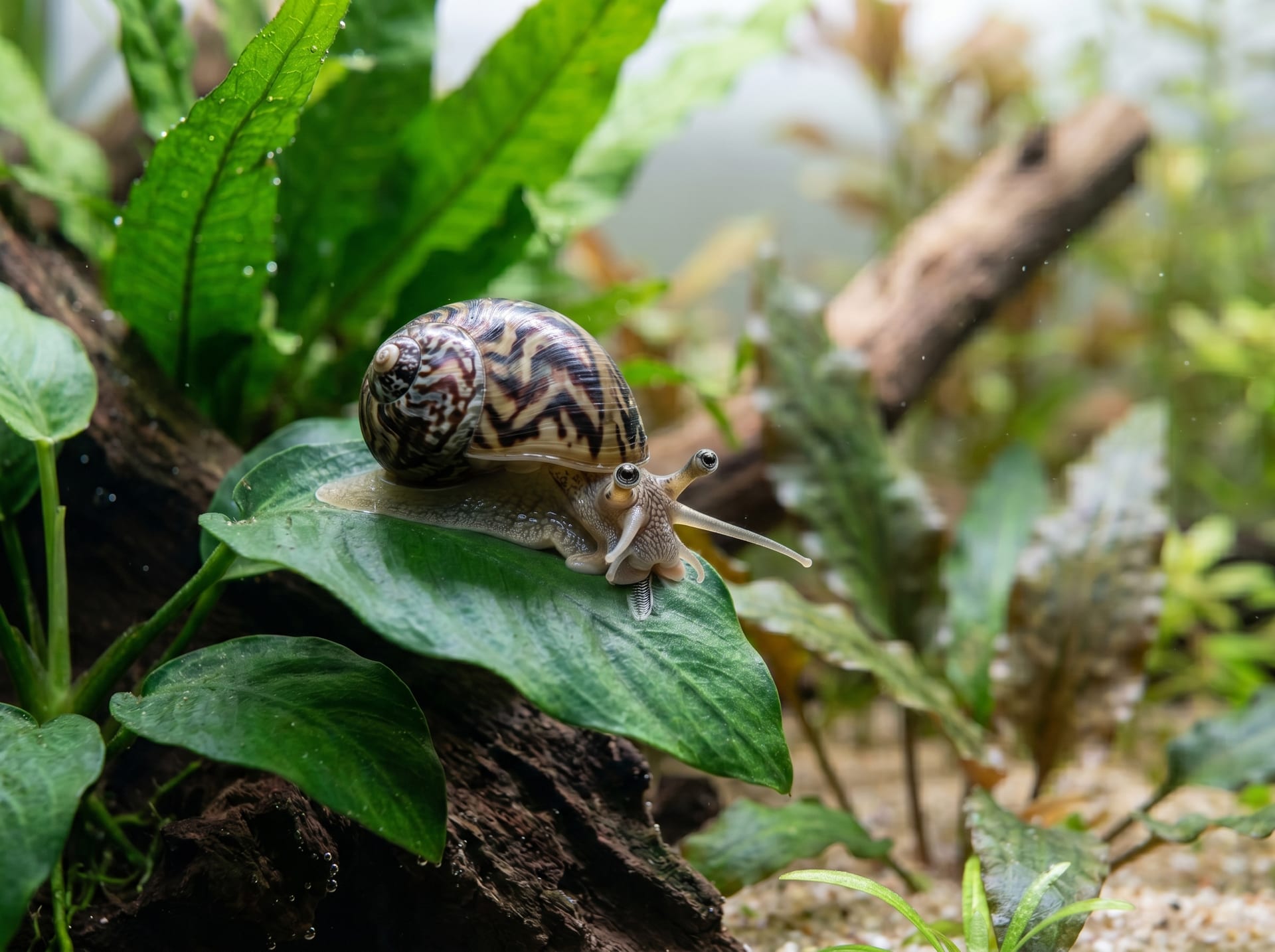
Snail
Snails and aquatic mollusks serve as natural cleaners in aquariums, consuming algae and leftover food to help maintain water quality. From Ramshorn snails to Nerite and Mystery snails, each species offers unique traits and fascinating behaviors to observe. They are beginner-friendly and generally compatible with most tropical fish.
View Snail encyclopedia →0% commission on your first sales!Register by September 30, 2026 and your first 2 sales are commission-free!
Breeder Wanted!
List on BreederDirect and sell directly to customers nationwide!
Our 6 Transparency Commitments
All Tropical Fish listings include water quality, temperament, and tank size information from verified Breeder.
- Origin Disclosed
- Real Photos
- Water Quality Disclosed
- Recommended Tank Size
- Temperament Disclosed
- Breed Line Disclosed
Browse all 27 breeds
Water Type
Care Level
Verified breeders wanted for Tropical Fish
Breeders are signing up now ahead of launch. Subscribe to be notified when new listings go live.
Getting alerts is free with a member account. When new listings match your saved search, we'll notify you by email and in-app.
Browse other categories
Verified breeders (preview)
Are you raising tropical fish?
Register as a breeder and connect with buyers directly.
Apply as a breederSnail key facts
- Care level
- Beginner-friendly
- Lifespan
- 1-2 years
- Size
- 2-3cm
- Temperature
- 18〜28℃
- Diet
- Algae (brown, green, and spot algae)
- Algae control
- Scrapes tough algae off glass and rocks
- Water
- Prefers neutral to slightly alkaline; strong acidity erodes the shell
- Breeding
- Lays eggs that do not hatch in freshwater, so no overpopulation
- Notes
- Cannot right itself if flipped; turn it back over
- Escape
- May crawl out above the waterline; use a lid
About Snail
Snails are invertebrates with a long history in the aquarium hobby, naturally inhabiting rivers, lakes, and estuaries across the world. Their widespread popularity in home aquariums grew through the mid-20th century, driven by their practical value as algae eaters and waste processors. Appearance varies dramatically by species — Ramshorn Snails come in vivid red and blue, Nerite Snails display striking striped patterns, Neritina snails offer robust algae removal, and native Japanese species like the Hime-tanishi bring a quiet, natural charm. All are peaceful by nature and pose no threat to tankmates. Watching them slowly graze across glass and décor has a uniquely calming quality. Their greatest appeal lies in the ecological role they play — naturally breaking down algae and organic waste in ways that support a balanced, healthy aquarium environment.
7 things to know before welcoming a Snail
1Species Differ in Role
Different snail species excel at different tasks: Nerite snails tackle glass algae, Japanese Mystery snails break down substrate waste, and Ramshorn snails handle leftover food. Choosing the right species for your goals makes tank maintenance more efficient.
2Watch for Rapid Breeding
Species like Ramshorn and Pond snails can reproduce rapidly under favorable conditions, quickly overrunning a tank. Avoid overfeeding and manually remove excess snails to keep populations in check.
3Escape Artists
Snails can crawl up tank walls and escape through small gaps in the lid. Since they dry out and die quickly outside water, always use a secure lid or cover any openings in your aquarium.
4Water Quality Matters
Snail shells are made of calcium and can erode in acidic water. Maintain a pH of around 7.0–7.5 and consider adding crushed coral or cuttlebone to supplement calcium and keep shells healthy.
5Copper Is Toxic to Snails
Many fish medications and fertilizers contain copper, which is highly toxic to snails even in small amounts. Always remove snails to a separate container before treating the main tank with any medication.
6Choose Tankmates Carefully
Fish like Pea Puffers and Clown Loaches actively prey on snails and should not be kept together. Small tetras and dwarf shrimp are much safer companions that coexist peacefully.
7Remove Dead Snails Promptly
A dead snail will decompose inside its shell and rapidly spike ammonia levels, harming other tank inhabitants. Gently prod any motionless snail to check for a response, and remove it immediately if it shows no signs of life.
Frequently asked questions about Snail
- Q.What should I do if snails overpopulate my tank?
- A.You can manually remove excess snails or temporarily introduce snail-eating fish like Pea Puffers or certain loaches. Reducing overfeeding also helps control population growth. Choosing species with lower reproductive rates, such as Nerite Snails, is the most effective preventive measure.
- Q.Why is my Nerite Snail's shell turning white?
- A.Shell whitening is usually caused by acidic water or calcium deficiency. Check your pH and GH levels, and consider adding cuttlebone or oyster shells to supplement calcium. Damage that has already occurred won't reverse, but correcting water conditions can stop further deterioration.
- Q.Can snails be kept with tropical fish?
- A.Snails can coexist with most tropical fish without issue, but avoid species known to eat snails, such as Pea Puffers and Clown Loaches. They are generally compatible with peaceful fish like Neon Tetras, Guppies, and Corydoras. Always research your intended tankmates' feeding habits before combining them.
- Q.Will snails eat my aquatic plants?
- A.Most snails do not eat healthy aquatic plants, but they may nibble on dying leaves or delicate species like mosses. Ramshorn Snails in particular tend to favor soft plant material, so use caution with sensitive plants. Nerite Snails and similar species are generally considered safer for planted tanks.
- Q.How long do aquarium snails live?
- A.Lifespan varies by species: Nerite Snails typically live one to two years, Ramshorn Snails around one to two years, and Japanese Trapdoor Snails up to three to five years. Proper water quality and nutrition support a longer, healthier life. If you purchase an already-mature snail, its remaining lifespan may be shorter, so check its condition carefully.
Useful tools for Snail care
Learn more about Snail in the encyclopedia
View Snail encyclopedia entry →
Care difficulty, lifespan, size and diet — all basics covered.
Snail related articles
See more Snail articles →More in this category
Can't find the one you're looking for?
Post your wishes for free and breeders with matching animals will contact you with introductions.