Complete Guide to Aquarium Snail Control | Species Identification and Removal Methods
A comprehensive guide to snail species that naturally colonize aquariums (Physa acuta, Lymnaea stagnalis, Ramshorn snails, Malaysian flat snails, Malaysian trumpet snails, etc.), methods for identifying them, causes of population explosions, removal techniques using chemical, biological, and physical approaches, and quarantine protocols for water plants to prevent reinfestation.
Key Takeaways
A comprehensive guide to snail species that naturally colonize aquariums (Physa acuta, Lymnaea stagnalis, Ramshorn snails, Malaysian flat snails, Malaysian trumpet snails, etc.), methods for identifying them, causes of population explosions, removal techniques using chemical, biological, and physical approaches, and quarantine protocols for water plants to prevent reinfestation.
Related Species
Snail Species Found in Aquariums and How to Identify Them
"Snails" (invasive gastropods) that unintentionally enter tropical fish tanks can rapidly multiply when left unchecked, damaging the aesthetic appeal of the aquarium and harming water quality. However, not all snails are pests—some species are actually beneficial. Accurate species identification is the first step in effective snail management.
Physa acuta (Pouch Snail) The most commonly encountered harmful snail, distinguished by its sinistral (left-handed) shell. Even at full maturity, adults reach only 5–8mm, but being hermaphroditic, they can self-reproduce and deposit transparent, gelatinous egg clusters on plants, glass, and equipment. At around 25°C (77°F), they mature in two weeks; left unchecked, populations can easily reach hundreds of individuals.
Lymnaea stagnalis & Lymnaea auricularia (Pond Snails) Smaller Japanese native species that lay eggs on aquatic plants. While visually similar to Physa acuta, they can be distinguished by their dextral (right-handed) shell orientation. They typically enter tanks via aquatic plants imported from ponds and rice paddies.
Planorbidae (Ramshorn Snails) Flat, spiral-shelled snails available in ornamental varieties (red, white, blue) that actively consume algae and decaying plant matter. However, they reproduce prolifically and can experience explosive population growth in organic-rich environments, requiring periodic culling. A few individuals kept for algae control can be beneficial.
Malaysian Flat Snails Flat, limpet-shaped snails approximately 2–3mm in diameter that cling tightly to glass surfaces and driftwood. They are easily overlooked, and infestations often go unnoticed until populations explode. They exhibit high resistance to chemical treatments, making them difficult to eradicate.
Malaysian Trumpet Snails (MTS) Slender, cone-shaped snails reaching 1–2cm that burrow through substrate at night while decomposing organic matter. They improve substrate aeration and suppress hydrogen sulfide production, making them beneficial. However, due to their high reproduction rate, overpopulation can lead to excessive substrate disturbance, so population management is essential.
Why Snails Explode in Population
Snail populations surge when aquarium conditions become nutrient-rich. Understanding the root causes enables effective long-term management.
The primary cause is accumulation of organic matter from overfeeding. Uneaten food settling on soil and substrate creates an ideal feeding ground for snails. The golden rule is to feed fish only the amount they can consume in 3–5 minutes.
The second most common cause is snail introduction via aquatic plants and equipment. Plant purchases from retailers often carry snail eggs, which are virtually impossible to detect with the naked eye. Introducing new plants directly into tanks without quarantine is the main pathway for infestations.
Additionally, insufficient water changes that allow nitrate and phosphate to accumulate promote snail reproduction. Performing a standard weekly water change of about one-third tank volume dilutes nutrients and indirectly suppresses population growth.
Removal Methods: A Three-Pronged Approach
Physical Removal The most reliable method is patiently removing visible individuals with tweezers or scrapers. Efficiency increases when removal is done 1–2 hours after lights off, when snails congregate on the glass. Snail traps (dedicated containers baited with lettuce or vegetable scraps) placed overnight and retrieved in the morning are also effective, yielding dozens of snails per collection.
Biological Control
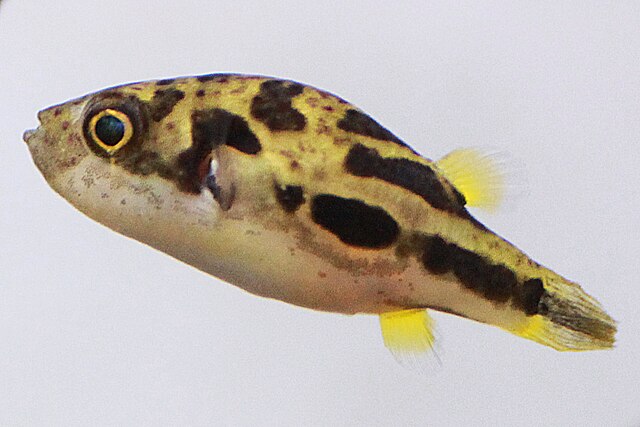
- Dwarf Pufferfish: Feed primarily on snails, consuming even hard-shelled MTS and Ramshorns. Highly effective but notorious for fin-nipping, requiring careful tankmate selection.
- Butterfly Cichlids: Efficiently excavate and consume burrowing MTS. Their docile temperament makes them suitable for community tanks.
- Assassin Snails: Carnivorous snails that prey on other snails. With slower reproduction rates, they control population growth effectively and are manageable long-term.
Chemical Control For stubborn Malaysian flat snails and resistant Physa acuta, chemical approaches prove effective. Fenbendazole (an antiparasitic compound in dog dewormers) has relatively high safety margins for fish when dosage instructions are followed precisely. Use with caution around plants and in shrimp tanks. Commercial products like "Planaria ZERO" effectively target both Malaysian flat snails and flatworms and are user-friendly.
When applying chemical treatments, always increase aeration and monitor water parameters (nitrite and ammonia) for 24–48 hours post-treatment.
Prevention Through Aquatic Plant Quarantine Protocol
The most cost-effective snail control strategy is prevention through quarantine. Always implement one of the following methods when introducing new plants:
Potassium Aluminum Sulfate (Alum) Soak (Simplest Method) Dissolve 10–20 grams of food-grade alum per liter of water and soak plants for 15–30 minutes. Effective against eggs and juveniles with minimal plant damage. Rinse thoroughly under running water before introducing to the main tank.
Hydrogen Peroxide Soak (Rapid Action) Dilute commercial 3% hydrogen peroxide tenfold and soak plants for 3–5 minutes. The strong antimicrobial effect penetrates eggs effectively but may damage delicate plants (mosses and some stem plants). Use selectively.
Isolation Tank Observation (Most Reliable) Cultivate plants in a separate tank for approximately two weeks and confirm snail absence before transferring to the main tank. Though labor-intensive, this method detects snails even after egg hatching.
"Coexistence Management" as a Philosophy
Attempting complete snail eradication often requires potent chemicals or drastic ecosystem overhauls that harm the entire tank. Species like MTS and Assassin Snails offer ecological benefits; at appropriate densities, they function as part of the tank ecosystem.
The realistic goal for snail management is not "zero" but rather "population density within acceptable limits." Maintaining a consistent routine of weekly trap collection, periodic feeding adjustments, and disciplined water change schedules will suppress snail proliferation in most cases.
Preserving aquarium aesthetics while maintaining ecosystem balance demands patient, consistent daily management. Rather than relying on a single intervention, flexibly combine physical, biological, and chemical approaches tailored to your tank's unique conditions.