Catfish
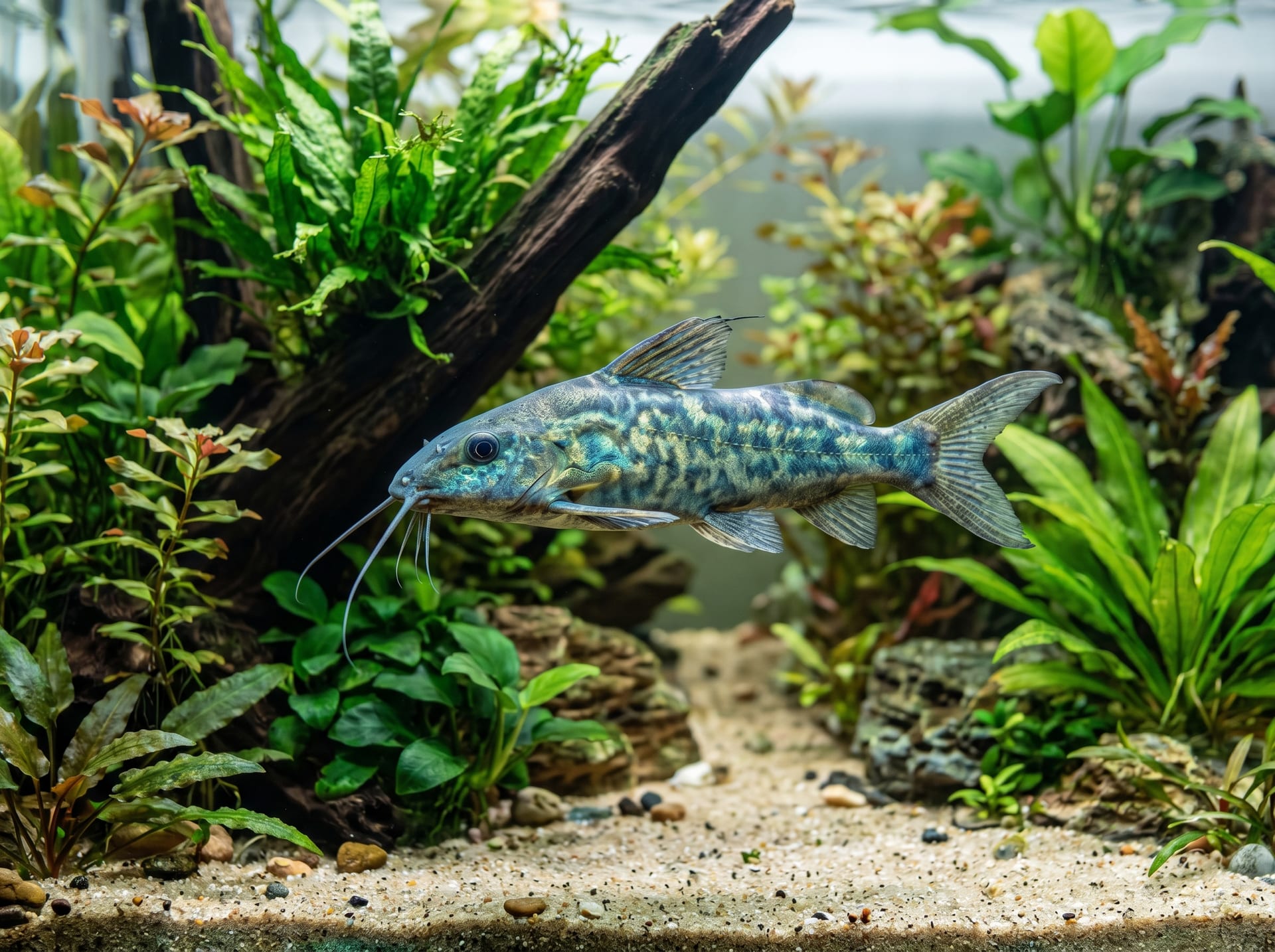
Large catfish are impressive tropical fish known for their bold presence and distinctive appearance, making them a centerpiece of any large aquarium. Depending on the species, they can grow beyond 60 cm, offering a dynamic and rewarding keeping experience. Mostly bottom-dwelling and nocturnal, their preference for hiding spots provides fascinating behavioral observation opportunities.
0% commission on your first sales!Register by September 30, 2026 and your first 2 sales are commission-free!
Breeder Wanted!
List on BreederDirect and sell directly to customers nationwide!
Our 6 Transparency Commitments
All Tropical Fish listings include water quality, temperament, and tank size information from verified Breeder.
- Origin Disclosed
- Real Photos
- Water Quality Disclosed
- Recommended Tank Size
- Temperament Disclosed
- Breed Line Disclosed
Browse all 27 breeds
Water Type
Care Level
Verified breeders wanted for Tropical Fish
Breeders are signing up now ahead of launch. Subscribe to be notified when new listings go live.
Getting alerts is free with a member account. When new listings match your saved search, we'll notify you by email and in-app.
Browse other categories
Verified breeders (preview)
Are you raising tropical fish?
Register as a breeder and connect with buyers directly.
Apply as a breederAbout Catfish
Large catfish belong to the order Siluriformes and are found across rivers and lakes worldwide, from the Amazon basin to Southeast Asia and Africa. They have a long history of being valued both as food and as ornamental fish by local communities, and remain consistently popular in the aquarium hobby. Their most distinctive physical feature is their long barbels — whisker-like sensory organs that detect subtle vibrations and chemical signals in the water. Body coloration and shape vary enormously by species, ranging from intricately spotted plecos to near-black, torpedo-shaped varieties. While generally timid and peaceful, they will instinctively prey on fish small enough to swallow, so careful tankmate selection is essential. Watching them explore at night or cautiously peek out from their hiding spots offers a unique observational experience unlike any other tropical fish. The opportunity to build a lasting relationship with such a commanding creature is, for many keepers, the greatest reward of large catfish keeping.
Featured breeders for Catfish
See all Catfish breeders (1) →7 things to know before welcoming a Catfish
1A Large Tank Is Essential
Many large catfish grow to 60–100 cm or more as adults, requiring tanks of at least 150–200 cm in length. Even if they appear small at purchase, plan ahead and set up a tank sized for their full adult length from the start.
2Robust Filtration Is a Must
Large catfish eat heavily and produce significant waste, causing water quality to deteriorate quickly. Use high-capacity filtration such as combined external and canister filters, and perform water changes one to two times per week to maintain stable water conditions.
3Nocturnal and Cave-Loving
Most large catfish are nocturnal, spending daytime hours hidden under driftwood or inside caves. Providing adequate hiding spots reduces stress and encourages natural behavior. Evening and nighttime are the best times to observe them in action.
4Be Careful with Tank Mates
Large catfish may eat tank mates that fit in their mouth, so choosing appropriately sized companions is critical. Fish of similar or larger size are safer choices, and some aggressive species are best kept alone.
5Water Temperature and Quality
Most tropical large catfish prefer water temperatures of 25–28°C and are sensitive to sudden temperature changes. A pH of 6.5–7.5 (slightly acidic to neutral) suits most species, though requirements vary. Consider keeping a spare heater, as a malfunction can be fatal.
6Feeding: Type and Quantity
Large catfish are mostly carnivorous to omnivorous; feed them a balanced diet of sinking pellets, frozen bloodworms, and shrimp. Remove uneaten food promptly, and offer only what they can consume within one to two hours. During growth stages, feeding several times a week is often sufficient.
7Understand the Long-Term Costs
Initial costs including a large tank, powerful filtration, heaters, and lighting can be substantial, and ongoing expenses such as electricity and water bills will also rise. Some large catfish live 10–20 years or more, so creating a long-term care plan and budgeting in advance is essential.
Frequently asked questions about Catfish
- Q.How large do large catfish typically grow?
- A.Size varies greatly by species. Some, like the redtail catfish or tiger shovelnose catfish, can exceed 60–100 cm when fully grown. Always research the adult size of a species before purchasing.
- Q.Can large catfish be kept with small fish?
- A.Small fish that can fit in their mouths are at very high risk of being eaten, so keeping them together is generally not advisable. Choose tankmates of a similar or larger size to minimize this risk.
- Q.My catfish barely moves during the day — is that normal?
- A.Most large catfish are nocturnal and spending the day hiding or resting is completely normal behavior. As long as your fish has a healthy appetite and becomes active after lights-out, this is generally not a cause for concern.
- Q.What should I feed large catfish?
- A.Large sinking pellets, carnivore tablets, frozen bloodworms, and feeder fish are all suitable staple foods. For balanced nutrition, it is a good idea to rotate between several different food types.
- Q.What water temperature and quality parameters are ideal?
- A.Most tropical large catfish prefer water temperatures of 24–28°C and a pH of around 6.0–7.5. However, optimal parameters vary by species, so always confirm the specific requirements for the fish you intend to keep.
Useful tools for Catfish care
Catfish related articles
Complete Otocinculus Care Guide | Water Quality Management, Tank Mates, and Breeding for Small Algae-Eating Catfish
Otocinculus are popular small catfish for algae control in planted tanks. A comprehensive guide covering water quality management, tank mate compatibility, breeding difficulty, and strategies for addressing loss of appetite.
Complete Glass Catfish Care Guide | Transparent Body, School Behavior, Water Quality, Tank Mates
Complete guide to caring for the transparent tropical fish "Translucent Glass Catfish" from Southeast Asia. A practical guide covering essential schooling requirements, ideal tank size, water parameters, feeding, compatible tank mates, disease prevention, and breeding tips for this species.
Synodontis (Upside-down Catfish) Care Guide | Types and Care Methods for Unique Upside-swimming Catfish
Complete guide to caring for Synodontis, the African "upside-down swimming catfish." This practical care guide covers the characteristics, tank environment, feeding habits, compatibility with African cichlids, and parasitic spawning reproduction of representative species such as nigriventris, petricola, and cuckoo catfish.
More in this category
Can't find the one you're looking for?
Post your wishes for free and breeders with matching animals will contact you with introductions.