 © RSX / CC BY-SA 3.0
Assassin Snail
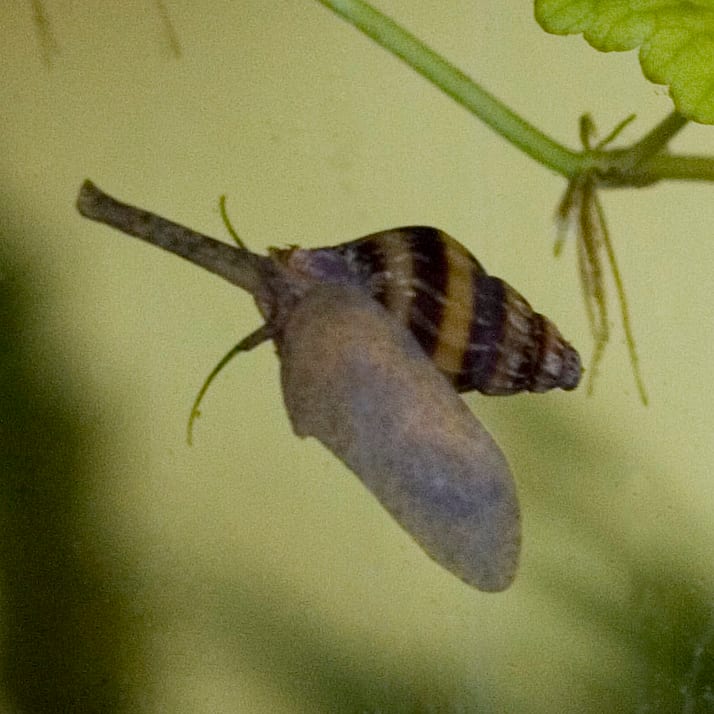
Assassin Snails are carnivorous freshwater snails that prey on other snail species. Their cone-shaped shells are banded in dark brown and pale tan, a pattern often compared to a bee's stripes. They spend much of their time buried in the substrate, staying still until they sense food nearby, then move with surprising speed to reach their prey. Many keepers value them for naturally keeping down populations of unwanted pest snails. They're calm around fish and shrimp and pose no threat to tankmates, and their beginner-friendly care makes them a great entry point for anyone curious about keeping snails.
View Assassin Snail encyclopedia →0% commission on your first sales!Register by September 30, 2026 and your first 2 sales are commission-free!
Breeder Wanted!
List on BreederDirect and sell directly to customers nationwide!
Our 6 Transparency Commitments
All Tropical Fish listings include water quality, temperament, and tank size information from verified Breeder.
- Origin Disclosed
- Real Photos
- Water Quality Disclosed
- Recommended Tank Size
- Temperament Disclosed
- Breed Line Disclosed
Browse all 301 breeds
Water Type
Care Level
Verified breeders wanted for Tropical Fish
Breeders are signing up now ahead of launch. Subscribe to be notified when new listings go live.
Getting alerts is free with a member account. When new listings match your saved search, we'll notify you by email and in-app.
Browse other categories
Verified breeders (preview)
Are you raising tropical fish?
Register as a breeder and connect with buyers directly.
Apply as a breederAssassin Snail key facts
- Care level
- Beginner-friendly
- Lifespan
- 5-10 years
- Size
- Shell height 18-32mm
- Diet
- Other snails, worms, frozen foods and sinking prepared foods
- Tank
- Use a fine sand it can burrow into; coarse gravel prevents burrowing and its natural behaviour. No special filtration or equipment is needed, but it will starve once the supply of prey snails runs out, so plan its feeding.
- Water Temperature & Quality
- No verifiable pH, hardness or temperature figures exist for this species, so none are given. It is a tropical Southeast Asian snail, and the basic requirement is to avoid strongly acidic water, which erodes the shell.
- Tank Mates
- It preys on other snails, so do not keep it with snails you want to keep. It does not attack fish, though slow-moving small bottom crustaceans can be taken. It is most often introduced to control a snail outbreak.
- Diet & Feeding
- Carnivorous, feeding on other snails and worms. Once the prey snails are gone, offer frozen bloodworm or a sinking carnivore food. It does not eat algae, so it is no use as an algae grazer.
- Breeding & Spawning
- The sexes are separate rather than hermaphroditic, and the English Wikipedia states that it is not currently known how to tell male from female. The manner of egg laying is not described here, as the sources used for this entry do not cover it.
- Health & Notes
- Where introduced it can seriously threaten native freshwater gastropods, so never release it into outdoor waters. If you add it to clear a snail problem, decide in advance what to do with it once the prey is gone. It is not listed by CITES.
About Assassin Snail
Assassin Snail is a carnivorous freshwater snail with a bee-like striped shell that preys on other snails. It hides in the substrate and is easy to keep, making it a popular pick for controlling unwanted snail populations.
7 things to know before welcoming a Assassin Snail
1A Carnivorous Snail
Assassin Snails are carnivorous and prey mainly on other snails. They eat little to no plant matter, so their diet should center on live snails or foods made for carnivorous snails.
2Burrows in the Substrate
These snails spend most of their time buried in the substrate, only emerging when they sense food nearby. Give them a substrate deep enough to burrow into comfortably.
3Bee-Like Striped Shell
Their cone-shaped shells feature alternating bands of dark brown and pale tan, a pattern often likened to a bee's coloring.
4Gentle with Tankmates
Assassin Snails are peaceful and won't harm fish or shrimp. They're often added to community tanks specifically to help manage unwanted snail populations.
5Shell Height: 18–32mm
Adults typically reach a shell height of about 18 to 32mm. They grow at an unhurried pace, so their development is easy to observe over time.
6Watch Their Numbers
Because their numbers depend on the supply of other snails to prey on, they tend to increase at a modest pace when food is limited. Keep an eye on tank conditions and adjust numbers as needed.
7Beginner-Friendly
Assassin Snails are considered easy to keep and don't require special equipment. They're a great starting point for anyone new to snail keeping.
Frequently asked questions about Assassin Snail
- Q.Will Assassin Snails harm other tankmates?
- A.They're peaceful and won't harm fish, shrimp, or other tankmates — their prey is limited to other snails. This makes them easy to add to a community tank.
- Q.Can they help control an overpopulation of pest snails?
- A.Yes, they're commonly introduced to help manage overpopulated pest snails since they prey on other snail species. That said, they may not eliminate every last one.
- Q.What does an Assassin Snail look like?
- A.Its cone-shaped shell has alternating bands of dark brown and pale tan, a pattern often compared to a bee's coloring. Since it usually stays buried in the substrate, you won't see it out and about very often.
- Q.Is this species suitable for beginners?
- A.Yes, it's considered a beginner-friendly species that doesn't require special equipment. It's a good choice even if you've never kept snails before.
- Q.Where do Assassin Snails usually stay in the tank?
- A.They spend most of their time buried in the substrate and only become active when they sense food nearby. You won't see them out in the open very often during the day.
Useful tools for Assassin Snail care
Learn more about Assassin Snail in the encyclopedia
View Assassin Snail encyclopedia entry →
Care difficulty, lifespan, size and diet — all basics covered.
More in this category
Can't find the one you're looking for?
Post your wishes for free and breeders with matching animals will contact you with introductions.