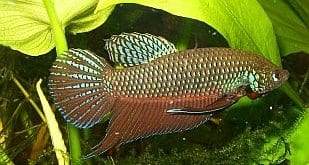
 © R.J. Blach / CC BY-SA 3.0
Emerald Betta
The Emerald Betta is a wild betta species native to the Korat Plateau in northeastern Thailand and tributaries of the Mekong River in central Laos. Its name comes from the greenish metallic sheen that spreads across its body and fins, shifting and shimmering with the light. Reaching about 6 to 7 cm in length, it's a compact fish best appreciated on its own, where its coloration and personality can really stand out. Males build bubble nests to guard their eggs, offering a glimpse into classic betta breeding behavior. With a strong territorial streak, this is a species that calls for a thoughtful approach to tankmates.
View Emerald Betta encyclopedia →0% commission on your first sales!Register by September 30, 2026 and your first 2 sales are commission-free!
Breeder Wanted!
List on BreederDirect and sell directly to customers nationwide!
Our 6 Transparency Commitments
All Tropical Fish listings include water quality, temperament, and tank size information from verified Breeder.
- Origin Disclosed
- Real Photos
- Water Quality Disclosed
- Recommended Tank Size
- Temperament Disclosed
- Breed Line Disclosed
Browse all 301 breeds
Water Type
Care Level
Verified breeders wanted for Tropical Fish
Breeders are signing up now ahead of launch. Subscribe to be notified when new listings go live.
Getting alerts is free with a member account. When new listings match your saved search, we'll notify you by email and in-app.
Browse other categories
Verified breeders (preview)
Are you raising tropical fish?
Register as a breeder and connect with buyers directly.
Apply as a breederEmerald Betta key facts
- Care level
- Intermediate
- Lifespan
- 2-4 years
- Size
- About 6-7cm
- Temperature
- 22〜28℃
- Diet
- Frozen and live foods (Daphnia, Artemia, bloodworm), dried foods
- Tank
- From a 45 x 30cm tank (about 41 litres) for a pair. Provide floating plants and wood for cover near the surface, and fit a tight lid.
- Water Temperature & Quality
- 22-28C, pH 5.5-7.5, 1-10 dGH. It comes from still and slow water, so avoid strong flow.
- Tank Mates
- Not recommended for a standard community tank. Keep alone, or with very peaceful species such as small cyprinids and loaches from similar habitats.
- Diet & Feeding
- It eats small aquatic invertebrates in the wild. In captivity offer Daphnia, Artemia or bloodworm regularly alongside dried foods.
- Breeding & Spawning
- A bubble-nester. The male builds the nest and guards eggs and fry alone; eggs hatch in 24-48 hours and fry swim free 3-4 days later, starting on infusoria.
- Health & Notes
- Keep surface access clear for air breathing and do not let the air above the water get cold. Males fight, so do not house them together outside breeding.
About Emerald Betta
A wild betta species from Thailand and Laos, known for its greenish metallic sheen. Grows to about 6-7cm and suits solitary keeping at an intermediate difficulty level.
7 things to know before welcoming a Emerald Betta
1Best Kept Alone
Emerald Bettas are strongly territorial and generally don't do well in typical community tanks. Two males housed together can fight fiercely, and pairing them with other species also requires careful consideration. Solitary keeping is the recommended approach for enjoying this fish at its best.
2An Intermediate-Level Fish
This species is generally considered suited to intermediate-level keepers. It can respond differently to water quality and environmental changes compared to common commercially bred betta varieties, so it's worth researching care requirements before bringing one home.
3Grows to About 6-7cm
Adults reach approximately 6 to 7cm in length, a fairly typical size for a betta. Since it's usually kept alone, this size is manageable within a reasonably modest setup. When preparing the tank, picture the fish's full-grown size, not just how it looks when first brought home.
4Delicate, Shimmering Fins
The greenish metallic sheen that gives this species its name extends into the fins, making them a real visual highlight. That said, betta fins are thin and delicate, so it's best to avoid sharp-edged decorations or rough substrate that could damage them.
5Breeds by Building Bubble Nests
Males build bubble nests at the water's surface and guard the eggs and fry within them, a classic betta breeding behavior. Even if you're not planning to breed, watching this behavior unfold is one of the species' quiet pleasures. If you spot a bubble nest, avoid strong water flow that could disturb it.
6Set Up the Tank Before Arrival
Prepare a tank suited to solitary keeping along with a lid, since bettas can jump. They also surface periodically to gulp air, so it's important to leave enough open space near the water's surface.
7Watch for Signs of Good Health
Keeping an eye on appetite, coloration, fin condition, and swimming behavior is the basis of everyday health monitoring. If something seems off for more than a short while, it's a good idea to consult someone knowledgeable or a veterinarian promptly.
Frequently asked questions about Emerald Betta
- Q.Can it be kept with other fish?
- A.The Emerald Betta is strongly territorial and generally isn't suited to typical community tanks. Solitary keeping is the recommended approach.
- Q.Is this fish suitable for beginners?
- A.This species is generally rated at an intermediate difficulty level. It's best suited to those with some betta-keeping experience, or who research care requirements beforehand.
- Q.How big does it grow?
- A.Adults grow to approximately 6-7cm in length, a fairly typical size for a betta.
- Q.Can it be bred at home?
- A.Males build bubble nests at the water's surface to guard eggs and fry, a natural breeding behavior of the species. If you're considering breeding, it helps to research the process in advance.
- Q.Is this species subject to any legal restrictions?
- A.This species is not listed under CITES.
Useful tools for Emerald Betta care
Learn more about Emerald Betta in the encyclopedia
View Emerald Betta encyclopedia entry →
Care difficulty, lifespan, size and diet — all basics covered.
More in this category
Can't find the one you're looking for?
Post your wishes for free and breeders with matching animals will contact you with introductions.