Source: Wikimedia Commons
Emerald Betta
IntermediateBetta smaragdina
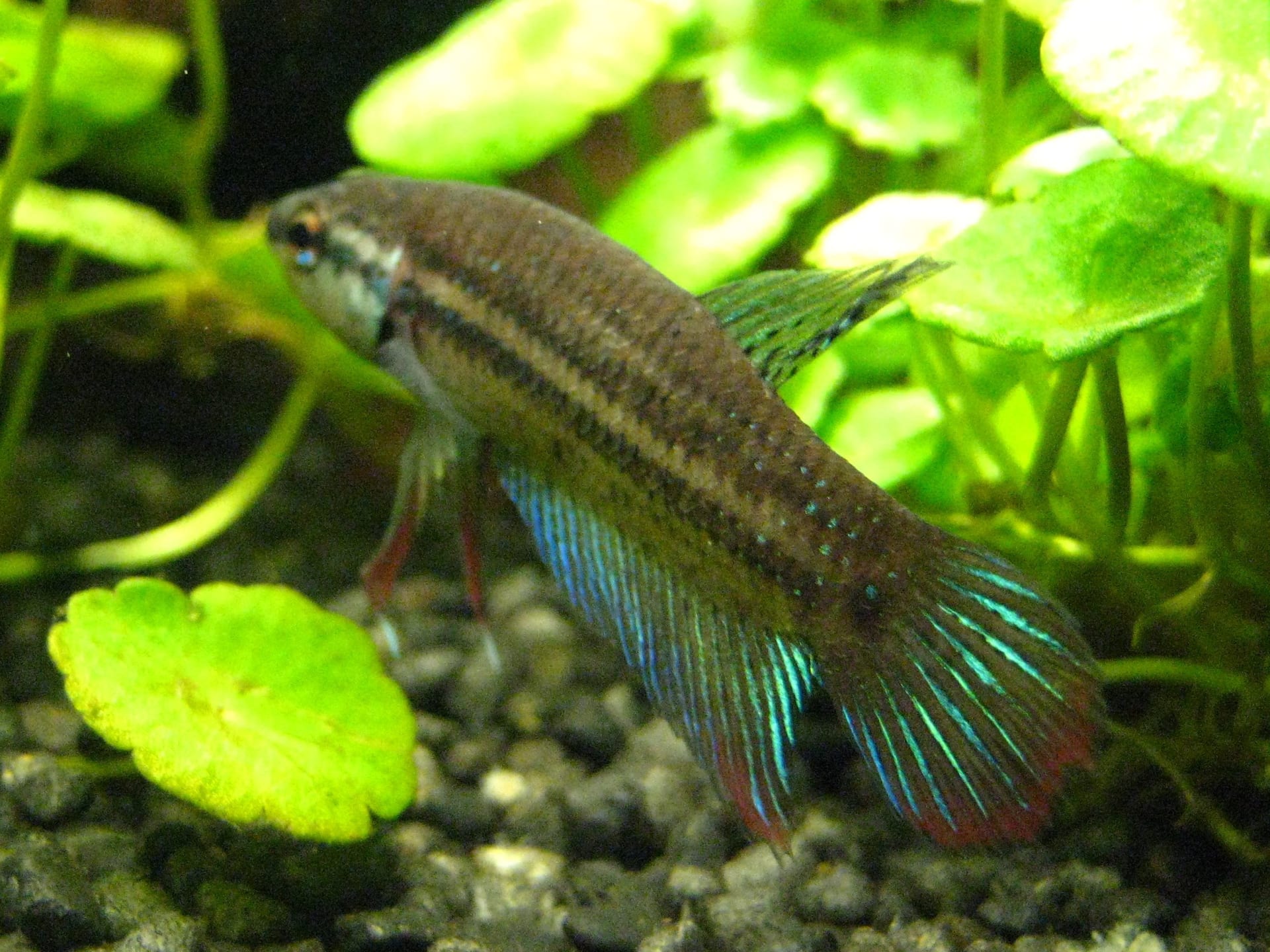
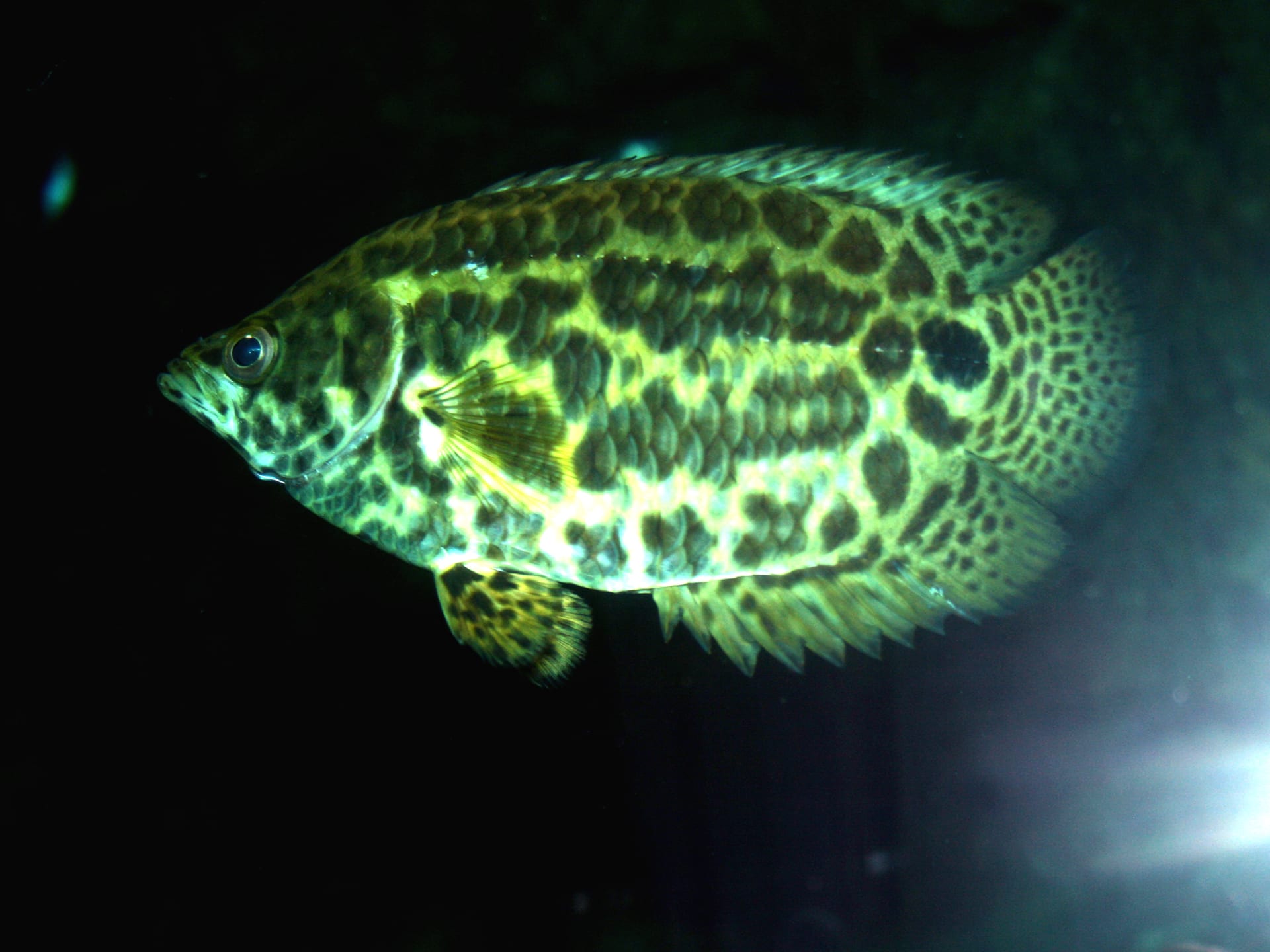
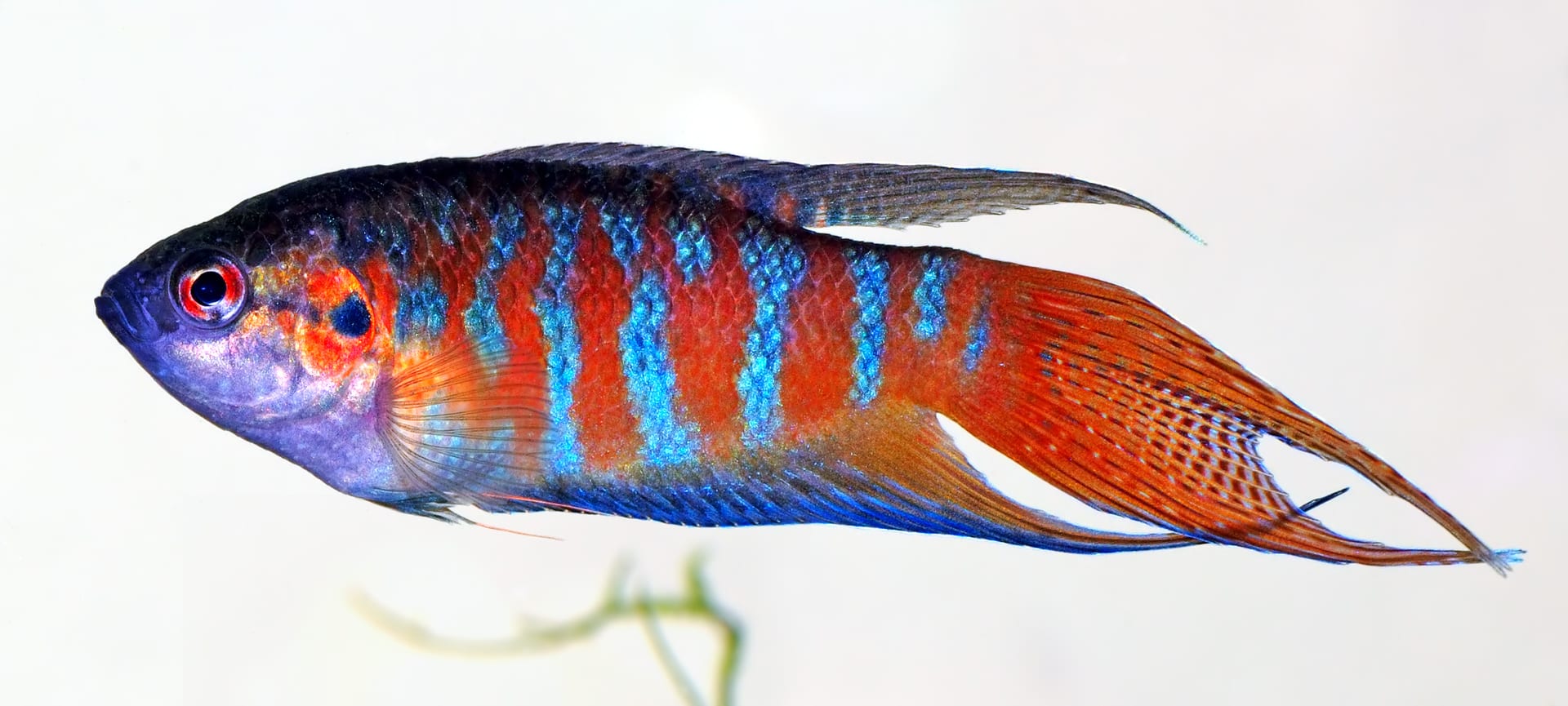
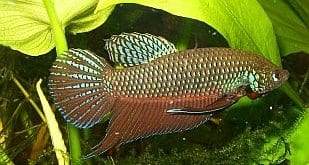
A wild betta from the Khorat Plateau of northeastern Thailand and Mekong tributaries in central Laos. Green metallic iridescence over body and fins gives it its name. It reaches 6-7cm and is a bubble-nester. It is not suited to a standard community tank.
Difficulty
Intermediate
Temperature
22〜28℃
Lifespan
2-4 years
Size
About 6-7cm
Diet
Frozen and live foods (Daphnia, Artemia, bloodworm), dried foods
About
Betta smaragdina is a small anabantoid from the Khorat Plateau of northeastern Thailand and Mekong tributaries of central Laos, living in rice paddies, swamps, ditches and slow streams. It reaches 6-7cm, with green metallic iridescence across body and fins - hence the name emerald betta. Seriously Fish gives 22-28C, pH 5.5-7.5 and 1-10 dGH; a pair fits a 45 x 30cm tank of about 41 litres, always tightly covered. Live and frozen Daphnia, Artemia and bloodworm keep colour and condition up, and dried foods are accepted. It is a bubble-nester: the male builds the nest and guards eggs and fry alone. Eggs hatch in 24-48 hours and fry swim free 3-4 days later, starting on infusoria before moving to microworm and Artemia. The IUCN Red List classifies it as Data Deficient.
Source: Wikipedia (CC BY-SA 4.0)
Lifespan of the Emerald Betta
The Emerald Betta lives 2-4 years.
Size of the Emerald Betta
The Emerald Betta grows to About 6-7cm.
Temperature & humidity for the Emerald Betta
The ideal temperature for the Emerald Betta is 22〜28℃.
Basic Info
Origin
Southeast Asia (Khorat Plateau, northeastern Thailand; Mekong tributaries in central Laos)
Lifespan
2-4 years
Size
Care Specifications
- pH
- 5.5–7.5
- Hardness (GH)
- 1–10 dGH
- Water Temp.
- 22–28℃
- Min. Tank
- 41 L
Semi-aggressivePairBreeding: Moderate
Sources: Seriously Fish / FishBase
References & Sources
Edited & verified by: BreederDirect editorial team
The taxonomic, regulatory, and husbandry data on this page are compiled and verified against the authoritative primary sources below.
Taxonomy & Authority
Accepted name: Betta smaragdina Ladiges, 1972
Authority databases: FishBase
Nomenclature follows global taxonomic authority databases.
Regulations & Conservation Status
Not CITES-listedIUCN DD · Data Deficient
Sources: CITES Appendices (species not listed) / IUCN Red List
Regulations may change. Always verify the latest information with the relevant authorities.
Emerald Betta Listings
Loading latest listingsFind listings for this species