The Charm of Bettas and Basic Care Philosophy
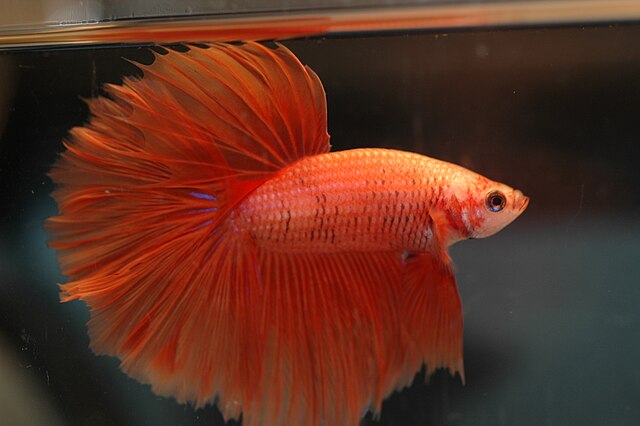
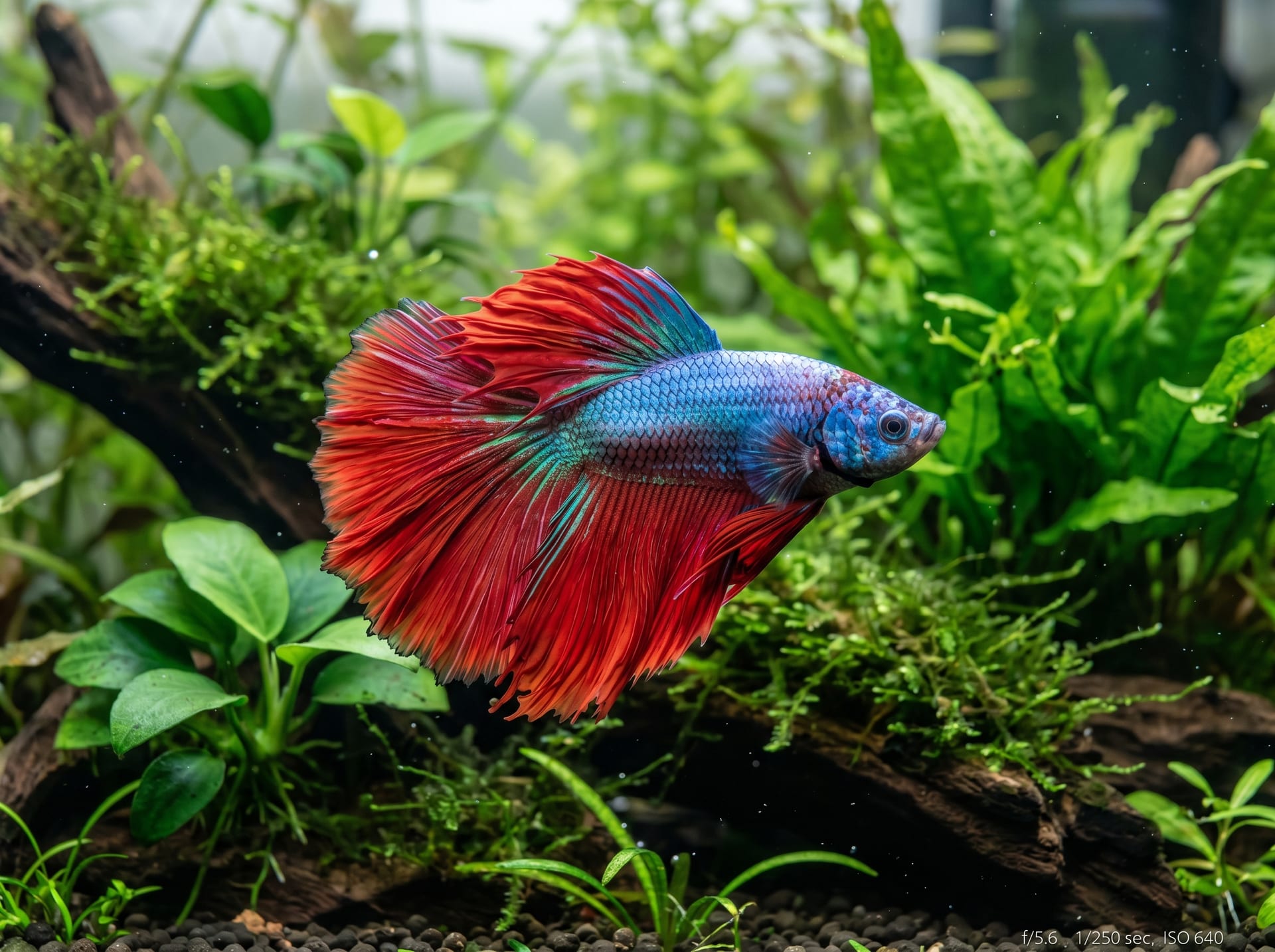
Bettas (Betta splendens) are small tropical fish native to Thailand. The beautiful fins and vibrant coloration of males are their greatest appeal, and they have a history of selective breeding as "fighting fish." Today, diverse varieties exist, including Half Moon, Crown Tail, and Double Tail.
The most distinctive feature of Betta care is that solitary housing is the standard. Not only can males not be housed together, but even pairing a large-finned male with a female can result in the female being weakened by courtship aggression. However, if managed correctly, their care difficulty is low and they're well-suited for beginners.
Required Equipment and Tank Size
Choosing the Right Tank Size
While Bettas are small fish, there's a common misconception that a small tank is sufficient. With minimal water volume, water quality changes rapidly and management actually becomes more difficult.
| Tank Size | Recommendation | Reason |
|---|
| 1L or less (bottles/bowls) | ✕ | Difficult to maintain water quality, impossible to manage temperature |
| 3–5L small tanks | △ | Minimally possible but requires daily water changes |
| 10–20L tanks | ◎ | Good balance and easy to manage recommended |
| 30L or more | ◎ | Most stable. Can also enjoy aquascaping with live plants |
Heater (Essential)
Since Bettas are tropical fish, water temperature must be maintained at 25–28°C year-round. In Japanese winters, room temperature alone will drop below 20°C, making a heater essential.
- Auto heater (fixed at 26°C): No setup required, easy to use. Ideal for small tanks
- Heater with thermostat: Temperature adjustable. For those considering breeding in the future
Since heater failures are not uncommon, it's reassuring to keep a backup heater on hand.
Filter
If water current is too strong, Bettas lose energy and their fins can become damaged. The following filter types are suitable:
- Sponge filter: Weak water flow, gentle on Bettas. An air pump is required
- Hang-on filter (with flow adjustment): Use with flow rate set to minimum
※Filter-less keeping is possible, but daily or every-other-day water changes become necessary.
Lighting
Dedicated lighting is not essential, but LED lighting makes their body color more beautiful and allows you to enjoy aquatic plant cultivation. Aim for 8–10 hours of light per day.
Water Quality Management and Water Change Methods
Recommended Water Parameters
| Parameter | Target Value |
|---|
| Water Temperature | 25–28°C |
| pH | 6.5–7.5 (slightly acidic to neutral) |
| Hardness | Soft to medium hard water (GH 3–12 dH) |
| Ammonia / Nitrite | 0 ppm |
Bettas thrive in Japanese tap water (after chlorine removal), but creating blackwater conditions (using peat moss or almond leaves) produces a slightly acidic environment and enhances their coloration.
Frequency and Method of Water Changes
| Tank Size | With Filter | Without Filter |
|---|
| 10–20L | Once weekly, 1/3 water change | Daily to every other day, full water change |
| 30L or more | Once weekly, 1/4 water change | Filter-less not recommended |
When performing water changes, always use water that has been dechlorinated and match the temperature to within 2°C before adding it. Sudden temperature changes can cause immune system decline.
Types of Food and Feeding Methods
Bettas have a strong carnivorous diet and prefer protein-rich foods.
Main Types of Food
- Betta-specific pellet food: Ideal as a main diet. Choose floating pellets
- Frozen bloodworms (Chironomid larvae): Very palatable. Use as a treat 2–3 times weekly
- Frozen brine shrimp: Good for digestion and can be used for fry rearing
- Live food (Tubifex worms): Highest palatability but labor-intensive to manage. Monthly feeding is sufficient
Feeding Notes
- Feed 1–2 times daily, only as much as they consume in 2–3 minutes. Uneaten food degrades water quality
- Designate one day per week as a fasting day to reduce digestive stress
- Overfeeding increases the risk of "swim bladder disease" (bladder abnormality)
Solitary Housing and Compatibility Considerations
Why Males Cannot Be Housed Together
Male Bettas attack other males of their species on sight. This is the result of selective breeding over hundreds of years as "fighting fish," and with no escape in a tank, they will always fight until one dies. Never house males together in the same tank.
Compatible Tank Mates
In larger tanks (60cm or more), Bettas can sometimes be housed with less aggressive fish species.
| Fish Species | Compatible | Notes |
|---|
| Pleco (Otocinclus) | ◎ | Gentle, does not nip fins |
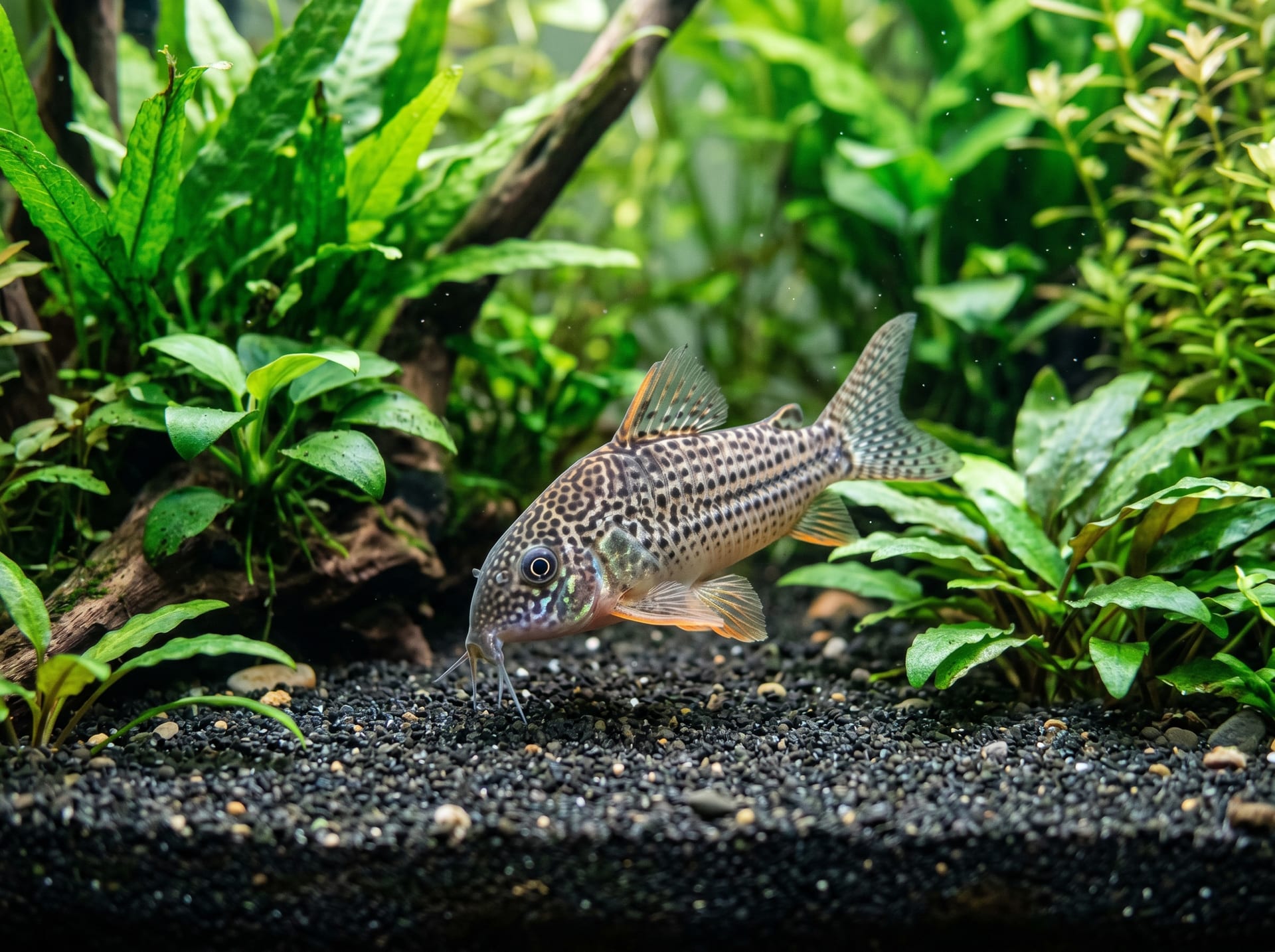
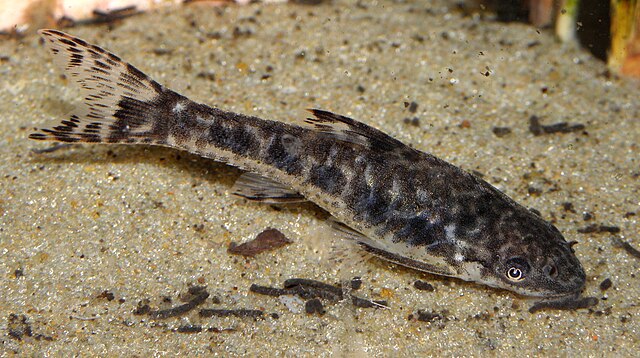
| Corydoras | ◎ | Bottom dweller, minimal interference |
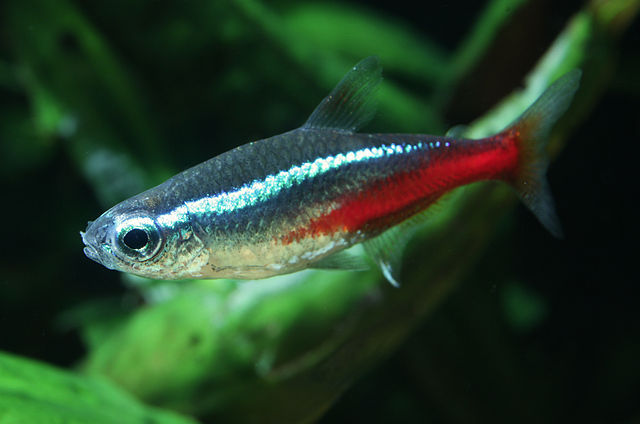
| Neon Tetra | △ | Some individuals nip fins |
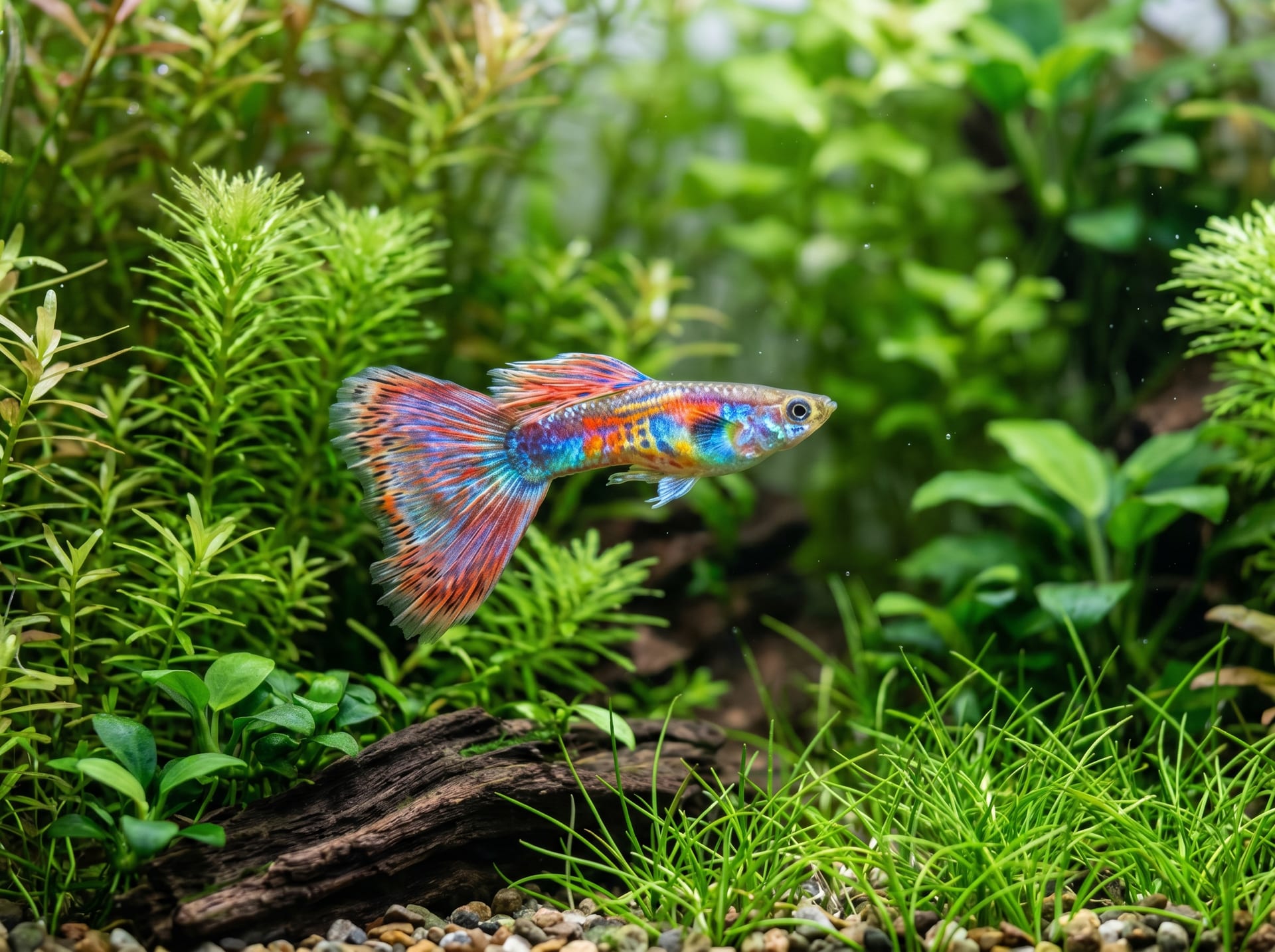
| Guppy | ✕ | Similar fin shape triggers aggression |
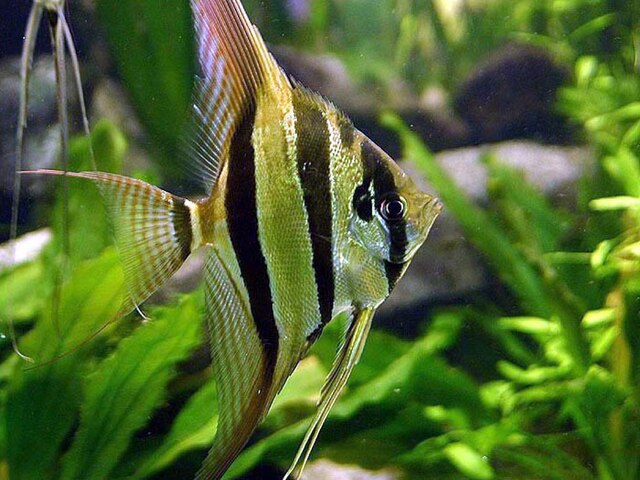
| Angelfish | ✕ | Bettas are easily attacked |
Health Management and Early Disease Detection
Symptoms to Watch and Treatments
| Symptoms | Possible Cause | Treatment |
|---|
| Fin rot or cloudiness | Fin rot (bacterial infection) | Medicate with Green F Gold Liquid |
| White spots on body | Ick (parasitic infection) | Raise temperature to 30°C + add Methylene Blue |
| Resting at bottom | Temperature drop or water quality decline | Check temperature and perform water change |
| Floating/upside-down | Swim bladder disease | Fast for 2–3 days and reduce water depth |
Healthy Bettas are characterized by spreading their fins wide and swimming actively throughout the tank. If fins remain closed or they respond poorly to food, check water quality promptly.
Summary: Enjoying Bettas Long-Term
With proper care, Bettas live 2–5 years. By managing just three factors—temperature, water quality, and overfeeding—you can ensure long-term success.
For first-time Betta keepers, I recommend starting with a simple setup: 10–20L small tank + auto heater + sponge filter. Once you're comfortable, you can explore aquascaping with live plants or venture into the world of selective breeding—there are many rewarding ways to enjoy Betta keeping.
If you become interested in Betta breeding, see also Complete Guide to Betta Breeding.