Complete Guide to Betta Fish Care | Solo Housing Basics, Fin Rot Prevention, and Breeding
Complete guide to raising Betta fish ("Siamese Fighting Fish"). Covers essential solo housing for males, weak water flow management with sponge filters, labyrinth organ care, treatment of fin rot and ich, and breeding procedures using bubble nests—perfect for beginners to intermediate aquarists.
Key Takeaways
Complete guide to raising Betta fish ("Siamese Fighting Fish"). Covers essential solo housing for males, weak water flow management with sponge filters, labyrinth organ care, treatment of fin rot and ich, and breeding procedures using bubble nests—perfect for beginners to intermediate aquarists.
What Kind of Fish is the Betta?
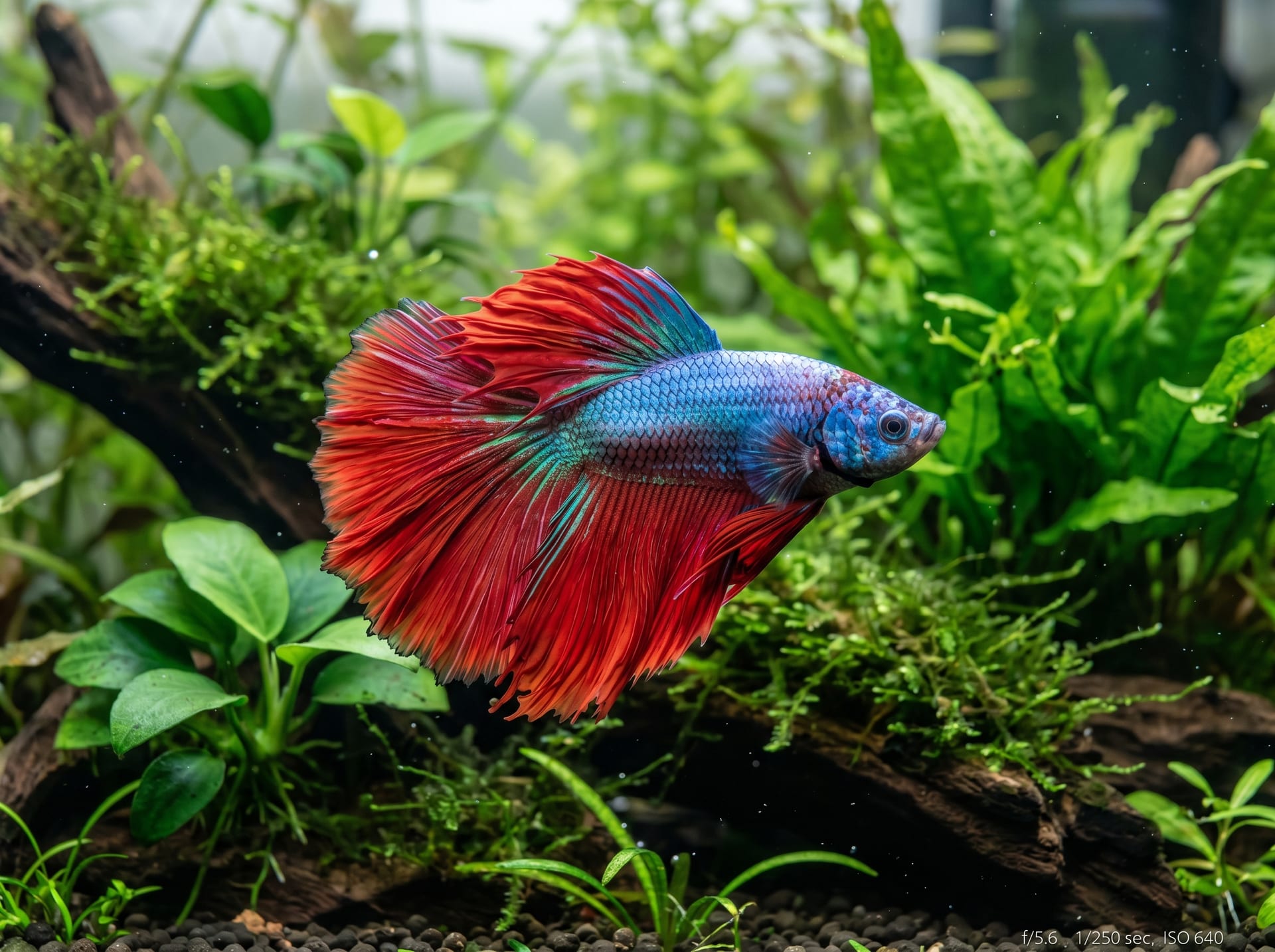
The Betta (Betta splendens) is a freshwater fish native to Southeast Asia (Thailand, Cambodia, etc.). Known as the "Siamese Fighting Fish" for the males' stunning long flowing fins, vibrant colors, and unique solitary nature, they're beloved by aquarists worldwide for their ease of care in small containers and striking beauty.
✍️
BreederDirect Editorial
The BreederDirect editorial team specializes in care information for animals, covering veterinary care and breeding to deliver beginner-friendly guides.
Find Tropical Fish on BreederDirect
Buy directly from verified breeders
Browse Related Listings
Find Tropical Fish listings related to this article on BreederDirect. Buy directly from verified breeders.
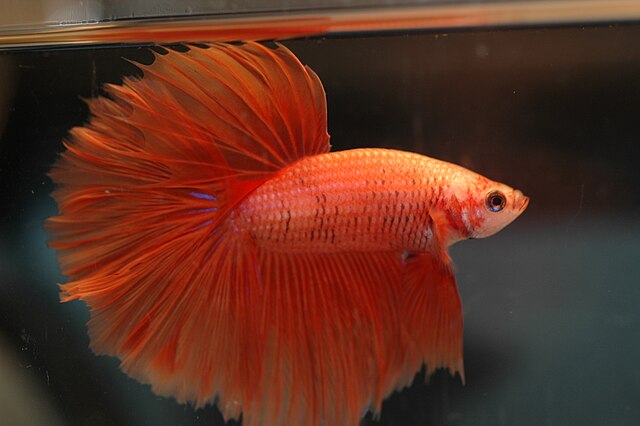
Halfmoon (HM): The most popular variety, with tail fins spreading 180 degrees or more.
Double Tail (DT): Tail fin split into upper and lower portions.
Big Halfmoon (OHM/OHMX): Premium variety with even larger spread angles.
Crown Tail (CT): Fins have crown-like, pointed radiating edges.
Plakat (PK): Short fins close to the wild type. Excellent breeding and water flow adaptation.
Female Bettas
Females are less colorful and lack the long, flowing fins of males, though they are smaller. Their body coloring is more subdued than males, and multiple females can be kept in the same tank—though they may compete until a dominant individual is established.
Setting Up the Tank
Tank Size
While Bettas can be kept in small containers, a proper environment directly impacts their health and coloration.
Minimum recommended: 10L or more (30cm tank)
Ideal size: 20–30L (36–45cm tank)
Keeping in small containers (bottles or under 1L) makes water quality and temperature management difficult and increases stress.
Solo Housing Principle
Males must never be kept in the same tank. Even eye contact triggers aggressive displays and fighting until one dies.
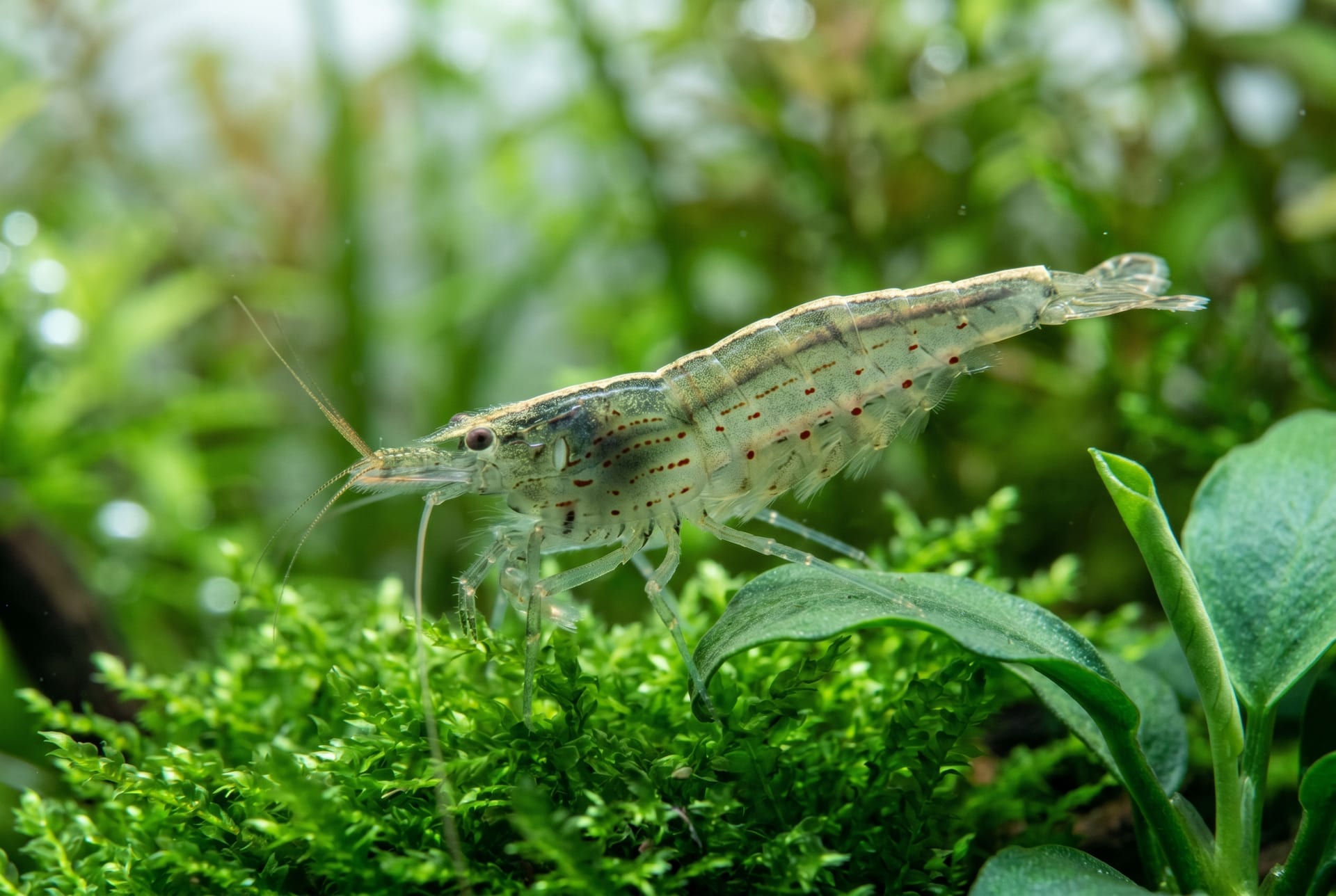
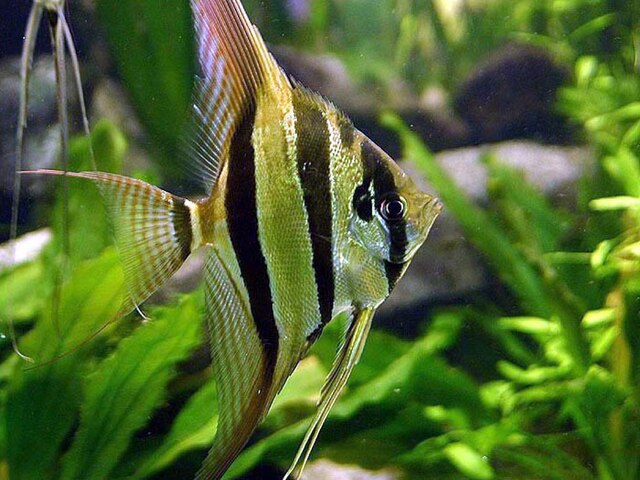
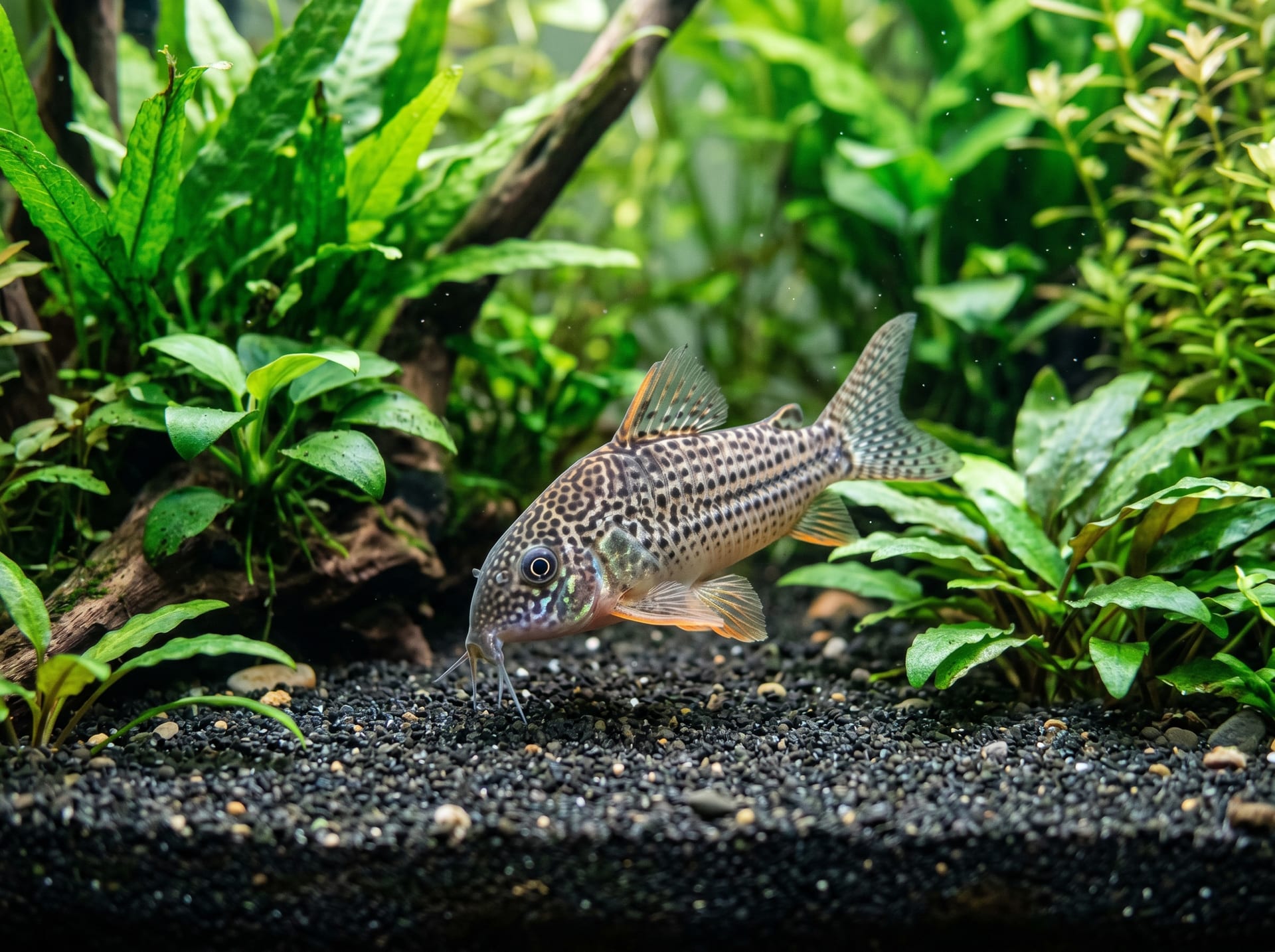
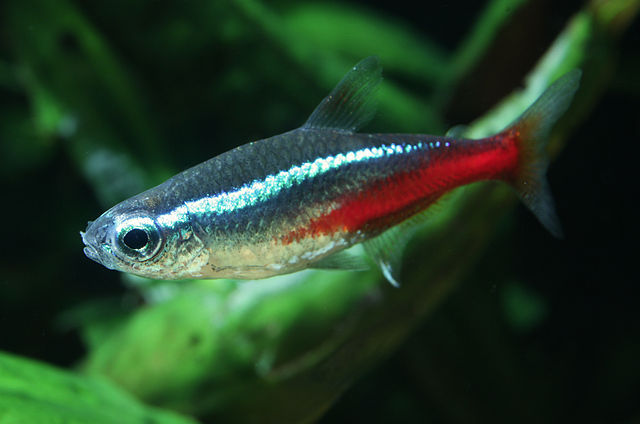
Tank mates with males are generally difficult; fish that nip long fins (such as Angelfish or Neon Tetras) are incompatible. Some species like Plecos, Corydoras, and Amano Shrimp are considered relatively compatible, though individual temperament varies.
Water Temperature
Bettas prefer tropical conditions of 24–30°C (75–86°F).
A small heater is essential in winter (temperatures below 20°C weaken immunity and increase disease risk)
Monitor water temperature in summer (they decline above 30°C)
Filtration and Water Flow
Bettas prefer still waters and dislike strong currents.
Strong current damages and frays their fins
Sponge filters are ideal for Bettas (gentle flow, biological filtration, aeration)
If using a hang-on filter, attach foam sponge to the outlet to reduce current
Labyrinth Organ
Bettas are "labyrinth fish" with a specialized organ (labyrinth organ) separate from gills that absorbs oxygen directly from the air.
You'll see them regularly surface to gulp air
If using a lid, maintain proper air space between water and lid (do not fully seal)
In lidless containers, they may jump out
Feeding and Nutrition
Bettas are carnivorous and require protein-rich diets.
Primary Diet
Betta pellets are the most manageable staple food. Choose small pellets and feed 2–3 pellets, twice daily.
Supplementary Foods (Treats)
Frozen bloodworms: Highly palatable; feed 2–3 times weekly as supplementary food
Frozen brine shrimp: Easy to digest and highly nutritious
Live foods (daphnia, fruit fly larvae): Stimulate natural hunting instincts and enhance coloration
Feeding Guidelines
Feed only what they'll eat in 2–3 minutes. Overfeeding causes bloating and increases risk of digestive disorders and swim bladder disease. Always remove uneaten food.
Implement a weekly fasting day to rest the digestive system and prevent overfeeding.
Common Betta Diseases
Fin Rot
One of the most common diseases; affected fin edges turn white and cloudy, then deteriorate.
Cause: Bacterial infection (poor water quality, overcrowding, fin damage)
Treatment: Salt bath (0.3–0.5% salt water) or aquarium antibiotic (such as Green F)
Prevention: Regular water changes, avoid fin-nipping tank mates
Ich (Ichthyophthirium)
Parasitic infection caused by Ichthyophthirius, appearing as white spots on the body.
Treatment: Raise temperature to 28–30°C (speeds parasite life cycle and aids eradication) plus medicated bath
Swim Bladder Disease
Fish float at the surface or sink to the bottom. Caused by excess air intake, digestive disease, or genetic factors. Basic treatment: fasting followed by easily digestible food.
Velvet Disease
Parasitic infection causing gold to brown powder-like coating on the body. Progresses faster than ich and can be fatal. Early detection and medication are critical.
Bubble Nests and Betta Breeding
Male Bettas build bubble nests by collecting air bubbles at the water surface. This is a sign of breeding readiness and indicates good health—a positive indicator.
Breeding Steps
Condition mature male and female in separate tanks, viewing each other through glass for several days
Once the male's bubble nest is well-developed, introduce the female to his tank
The male will court the female (display), and if accepted, spawning begins
The male collects eggs and cares for them in the bubble nest
After hatching, separate parents and raise fry on brine shrimp
Betta breeding is rewarding, but fry care is labor-intensive. Plan accordingly.
Selecting a Quality Betta
Bettas come in dozens to hundreds of combinations of variety, color, and fin shape. Purchasing from reputable breeders ensures genetically superior coloration and fin quality.
Selection Checklist
Check for torn, cloudy, or darkened fins
Look for cuts, white spots, or redness in capillaries
Ensure a rounded belly without bloating or swim bladder issues
Observe active swimming (lethargy or staying at the bottom is a red flag)
With proper care, Bettas live 3–5 years and remain beautiful throughout. As a solo "pet fish," they develop a special bond with their keeper.