Complete Guide to Keeping Datnoids | Tank Size, Water Quality, and Tankmate Considerations for Tiger Fish
A guide to keeping Datnoids such as Siamese tiger fish and Sumatran tiger fish. This article details tank size for large carnivorous fish, filtration systems, feeding methods, tankmate selection, and tips for long-term care.
Key Takeaways
A guide to keeping Datnoids such as Siamese tiger fish and Sumatran tiger fish. This article details tank size for large carnivorous fish, filtration systems, feeding methods, tankmate selection, and tips for long-term care.
Related Species
About Datnoids
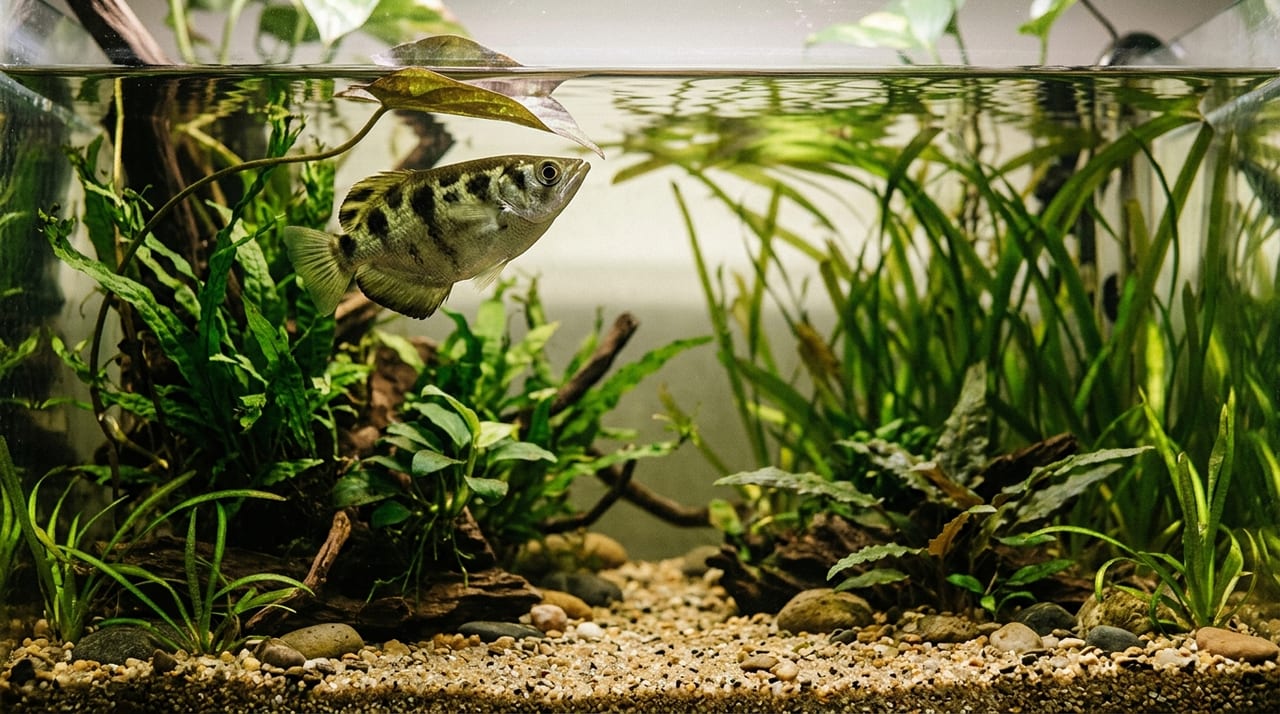
Datnoids are freshwater tropical fish belonging to the family Datnioididae. Known by the alternative name "tiger fish," they are beautiful large fish with yellow to orange bodies marked by distinct black vertical stripes. Their impressive size and unique striped pattern make them highly popular among tropical fish enthusiasts.
The main species kept in captivity include the following:
- Siamese Tiger Fish (Datnioides pulcher): Native to Thailand and Cambodia. Features distinct and beautiful black stripes. Rare and somewhat expensive.
- Sumatran Tiger Fish (D. microlepis): Native to Sumatra and Borneo. Has fewer stripes.
- Indonesian Tiger Fish (D. campbellii): Native to Kalimantan. Stripes are irregular with significant individual variation.
- New Guinea Tiger Fish (D. katherinae): Native to New Guinea. Has fewer and lighter stripes.
All species grow into large fish, reaching 30-40 cm or more as adults (some species exceed 50 cm).
Required Aquarium Equipment
Tank Size
| Stage | Recommended Tank Size |
|---|---|
| Juvenile fish (~15 cm) | 60-90 cm (100L or larger) |
| Subadult (15-25 cm) | 120 cm (150-200L) |
| Adult (25 cm and up) | 150-180 cm or larger (300L or more) |
Housing juveniles in large tanks from the start is effective for reducing stress. Limited space can hinder growth and create a risk of the fish colliding with the glass.
Filtration Equipment
Since they are large carnivorous fish that produce substantial waste, powerful filtration is essential.
- External Filter: Select based on a flow rate of 2-3 times the tank volume as a guideline.
- Combination of Top and External Filters: Dual filtration is recommended, especially for adult fish.
- Water Change Frequency: Basic practice is 20-30% water changes 1-2 times per week.
Using aeration in conjunction with the filter to increase dissolved oxygen levels is effective for maintaining health.
Water Quality
| Parameter | Recommended |
|---|---|
| Water Temperature | 24-28°C |
| pH | 6.5-7.5 |
| Hardness (GH) | 5-15 |
| Nitrate (NO₃) | 20 ppm or less |
Datnoids can be sensitive to water parameter fluctuations. Especially when first introducing them, acclimate slowly using the drip method (1-2 hours), and avoid sudden environmental changes.
Substrate and Decor
- Fine sand (shallow layer) or bare bottom is easiest to clean.
- Creating hiding spots with driftwood or large rocks helps them feel secure.
- Live plants may be uprooted out of curiosity, so attached plants (such as Microsorum and Anubias) are more suitable than planted varieties.
Feeding and Diet
Datnoids are strongly carnivorous and primarily prefer animal-based foods.
Types of Food and Transition
| Type | Details |
|---|---|
| Live food (juvenile stage) | Small medaka, goldfish, or crayfish (though there is a risk of introducing pathogens) |
| Frozen food | Frozen horse mackerel, frozen shrimp, frozen carnivore pellets, etc. |
| Artificial food | Carnivore pellets, large carnivorous fish pellets (requires acclimation) |
Method for Weaning Off Live Food Dependency:
- Switch to live food (such as medaka) while gradually mixing in frozen food.
- Cut frozen shrimp to live food size and present it while moving it around.
- Moving food slowly in front of them with tweezers encourages them to bite.
Transitioning to artificial food requires patience, but early implementation is recommended from a water quality maintenance perspective.
Feeding Frequency and Quantity
- Juveniles to subadults: 1-2 times per day (appropriate amount based on digestive capacity)
- Adults: Once every 2-3 days (feed only amounts that will be completely consumed)
Overfeeding directly leads to water quality deterioration, so use the guideline of feeding only amounts that can be consumed within 5-10 minutes.
Tankmate Compatibility Considerations
Since Datnoids are large carnivorous fish, careful consideration is required when selecting tankmates.
Compatible Fish
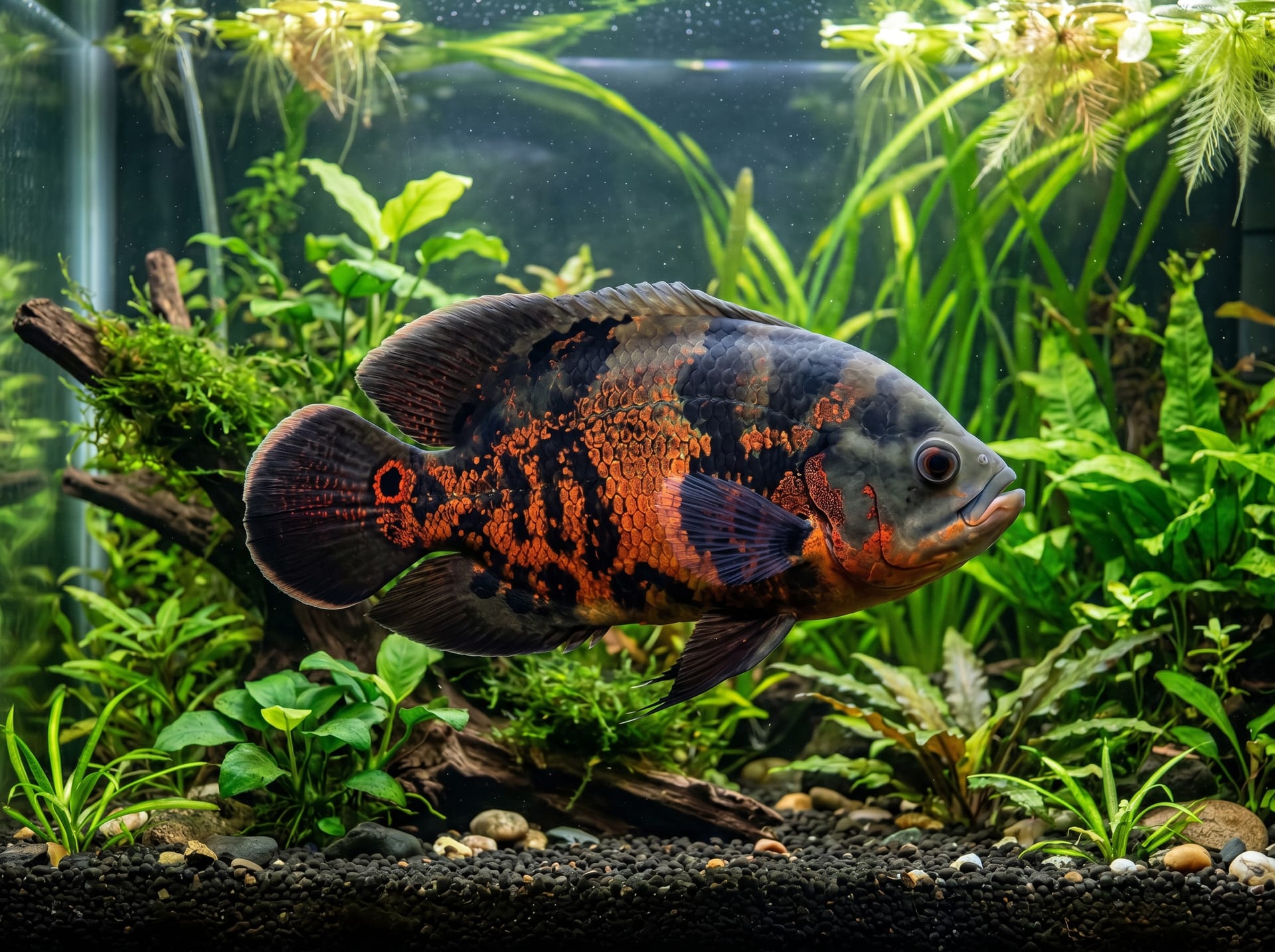
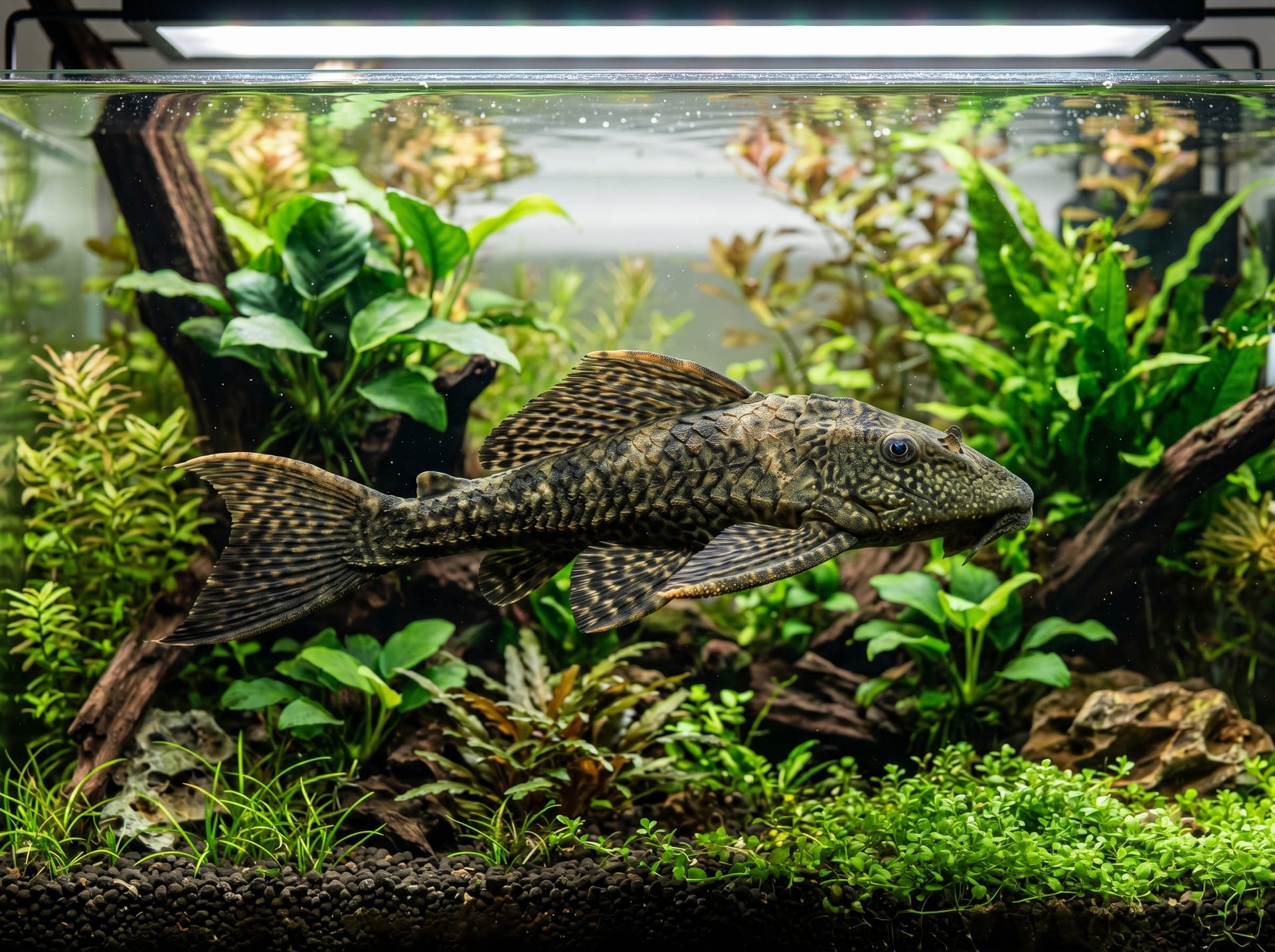
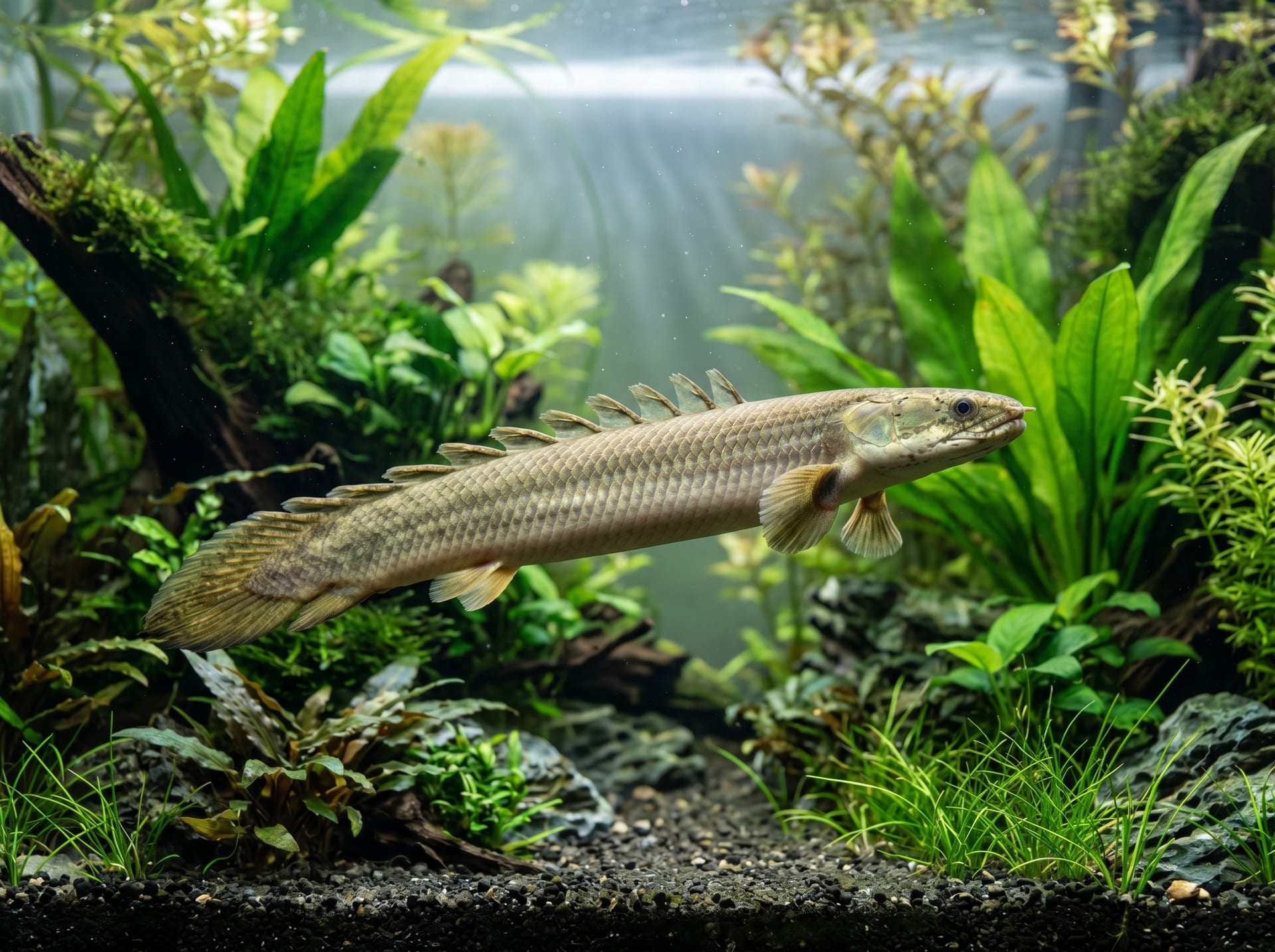
- Large fish of equal or greater size: Large plecos, polypteres, gars, oscars, etc.
- Cohabitation with species with low territorial aggression is relatively stable
Incompatible
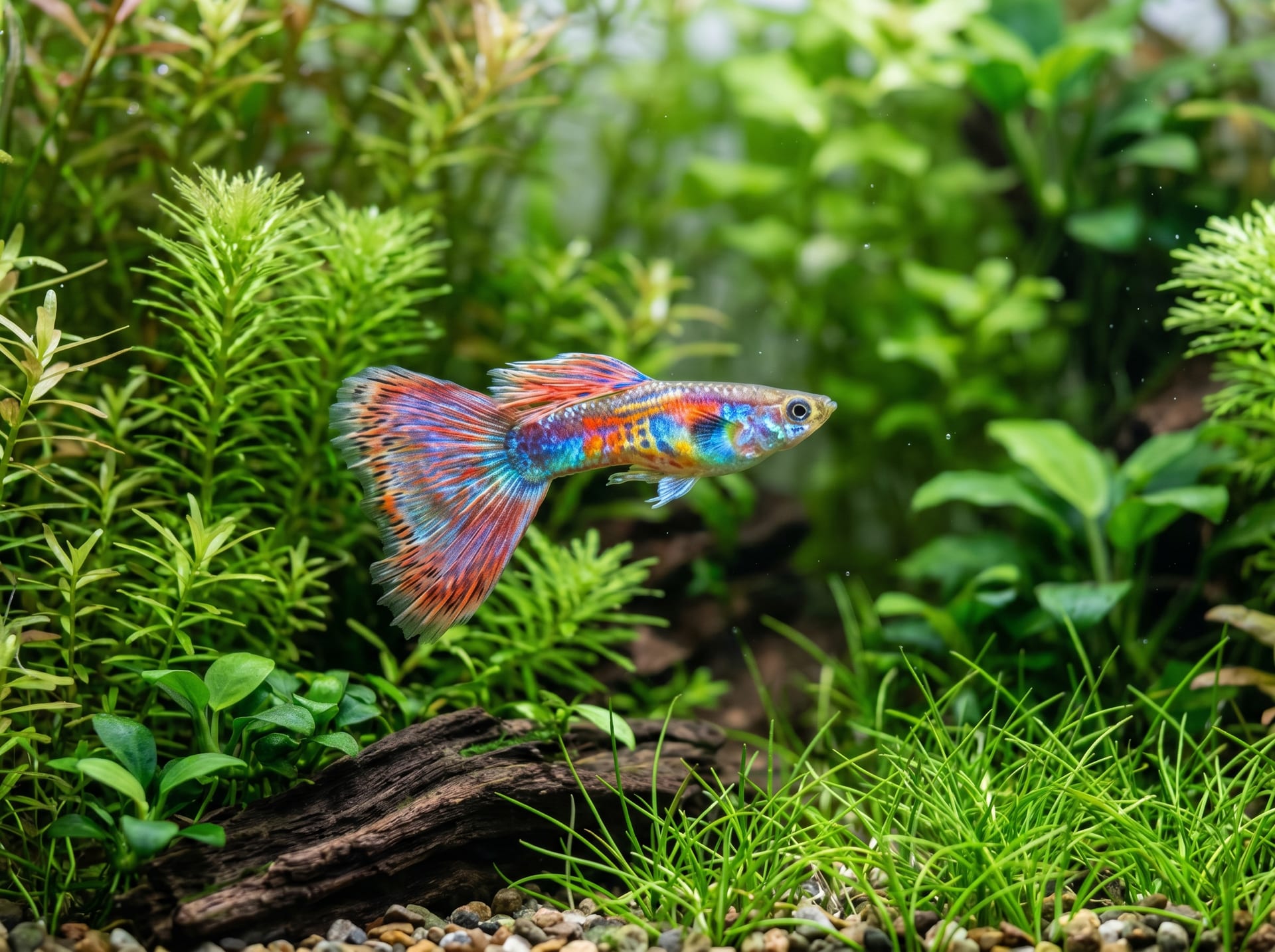
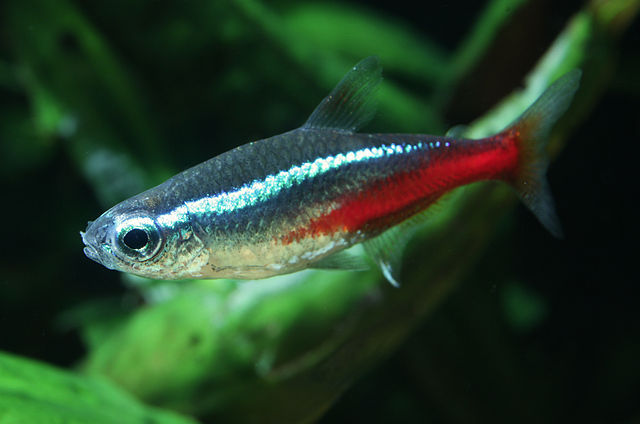
- Small fish that fit in the Datnoid's mouth (such as neon tetras, guppies, etc.)
- Keeping same species together often leads to territorial disputes (though cohabitation is possible with sufficient space)
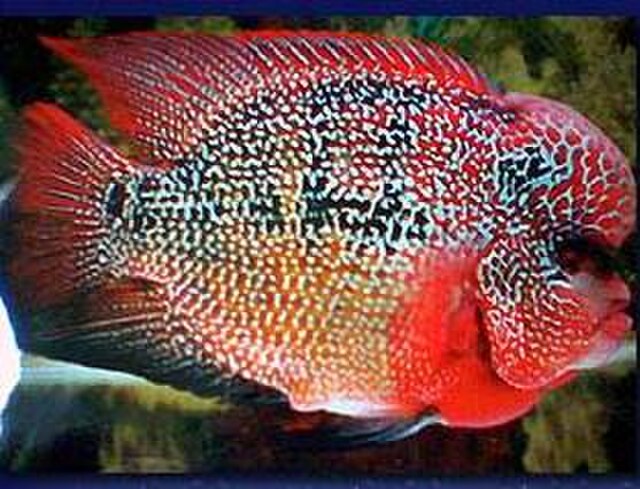
- Be cautious when combining with aggressive large cichlids (such as flowerhorns)
Although Datnoids are relatively peaceful large fish, they may prey on small fish at night. Confirming the size of potential tankmates is essential.
Health Management and Disease
Common Diseases
| Disease | Symptoms | Treatment |
|---|---|---|
| Ich (White Spot Disease) | White spots on body surface, rubbing against objects | Raise water temperature to 28-30°C, medicate if necessary |
| Aeromonas Infection | Body ulcers, raised scales | Antibiotic treatment (such as Green F Gold) |
| Anorexia | Prolonged refusal to eat | Check for environmental stress, stimulate appetite with live food |
Tips for Long-term Care
With proper care, Datnoids are long-lived fish that can live 10-15 years or more.
- Regular Water Changes: Water quality stability is the key to longevity.
- Avoid Sudden Environmental Changes: They are particularly sensitive to temperature and pH fluctuations.
- Provide Adequate Space: Upgrade to larger tanks as they grow.
Points to Note When Purchasing
Datnoids vary greatly in price and rarity depending on species. The Siamese Tiger Fish (D. pulcher) is listed on CITES Appendix II, and only legally imported specimens are available in the market. Be sure to verify documentation of origin when purchasing.
If you purchase juveniles, their coloration and stripe patterns will change as they grow. It is recommended to wait and select based on adult appearance, or to seek advice from breeders or trusted shops.
Summary
Datnoids are advanced-level tropical fish requiring large aquarium equipment and proper water quality management; however, their beautiful striped pattern and impressive size offer a unique appeal unlike other fish. By strictly adhering to weaning off live food dependency, ensuring adequate tank space, and performing regular water changes, you can enjoy keeping them for years to come. Source healthy specimens from breeders or specialized shops, and develop a long-term relationship with your fish.