Complete Guide to Flowerhorn Cichlid Care | Nucklehead Development, Color Enhancement, and Breeding
Comprehensive guide to Flowerhorn care, required equipment, color management, feeding, breed characteristics, and breeding methods. Learn unique large cichlid care techniques and important precautions.
Key Takeaways
Comprehensive guide to Flowerhorn care, required equipment, color management, feeding, breed characteristics, and breeding methods. Learn unique large cichlid care techniques and important precautions.
Related Species
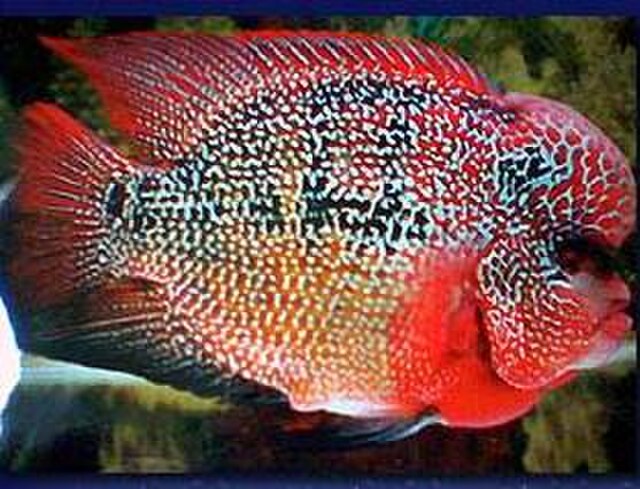
Flowerhorn cichlids are large ornamental fish known for their distinctive head bumps (called nucklehead or kok) and vibrant body coloration. This hybrid species was created by crossbreeding multiple cichlids in Malaysia and Southeast Asia during the 1990s and enjoys tremendous popularity throughout Asia. Considered "lucky fish" with feng shui significance, high-quality specimens can command prices exceeding hundreds of thousands of yen. This article comprehensively covers everything from basic Flowerhorn care to color enhancement and breeding.
What Kind of Fish is a Flowerhorn?
Flowerhorn is a hybrid species created by crossbreeding South American and Central American cichlids, making it an artificial fish that doesn't exist in nature. Major strain types include "Zhen-Zhuo," "King Kamfa," "Thai Silk," "Golden Base," and "Indo Flowerhorn," each with distinct characteristics in body shape, coloration, and nucklehead size.
Size: Adult fish typically reach 25-35 cm, with large specimens sometimes exceeding 40 cm. With proper care, they have a lifespan of 8-12 years.
Temperament: Highly intelligent, many individuals recognize their owners and approach for food. However, they have strong territorial instincts, making community tanks difficult, so solitary keeping is generally recommended.
Nucklehead (Kok): The forehead bump, also called "nucleo," is valued higher the larger it is. The bump is composed of fat and water, typically reaching maximum size around 3-5 years of age.
Required Equipment
Tank Size
Adult Flowerhorn fish require a minimum tank width of 120 cm or larger (150-180 cm recommended). The tank must be increased in size as the fish grows. Keeping them in small tanks causes stress, leading to poor coloration, stunted nucklehead development, and increased disease risk.
Water Volume: A minimum of 200-300 liters per adult fish is ideal. Greater water volume provides more stable water quality and easier maintenance.
Filtration System
Flowerhorn, being large carnivorous fish with active metabolism and high waste production, require a powerful filtration system.
Hang-on Back Filter: Affordable and easy to maintain. However, for tanks 120 cm or larger, multiple units or combination with an external filter is necessary.
External (Canister) Filter: High efficiency with quiet operation, excellent at both mechanical and biological filtration. Flow rate should be 5-8 times the tank volume per hour.
Undergravel Filter: Utilizes the entire substrate for biological filtration, but substrate cleaning is labor-intensive.
Substrate and Layout
Flowerhorns have a tendency to dig and move objects.
- Bare Tank (No Substrate): Easiest to clean with superior hygiene. Popular choice among professionals and enthusiasts.
- Coarse Gravel or Sand: Fine substrates get turned over and cloud the water.
- Driftwood and Rocks: Simple decorations are acceptable, but avoid fragile or sharp items that could cause injuries during swimming.
Water Temperature and Quality Management
Optimal water temperature for Flowerhorn is 26-30°C. Maintain proper temperature using a heater with thermostat control.
Water Parameters:
- pH: 7.0-8.0 (neutral to slightly alkaline)
- Hardness: GH 8-15 (moderately hard water)
- Ammonia: 0 mg/L (maintain at zero at all times)
- Nitrite: 0 mg/L
- Nitrate: 25 mg/L or less (maintained through regular water changes)
Water Changes: Perform 20-30% water changes 1-2 times per week as standard practice. Dechlorinate replacement water and match the temperature before adding.
Feeding and Color Enhancement
Flowerhorn are voracious carnivorous fish where diet quality directly affects body coloration, nucklehead development, and overall health.
Types of Food
Specialized Pellets and Flakes: Commercial Flowerhorn-specific foods are available, many enriched with color-enhancing ingredients like astaxanthin and beta-carotene. Feed 2-3 times daily in quantities that are consumed within 5-10 minutes.
Frozen Bloodworms and Frozen Shrimp: Highly palatable with excellent nutrition. However, overfeeding can degrade water quality, so use caution.
Live Food (Small Fish, Crickets, etc.): Stimulates hunting instinct and increases appetite, but carries disease transmission risk. Use healthy live food from reputable sources.
Color Enhancement Tips
Color enhancement is a pursuit for many Flowerhorn enthusiasts.
Proper Lighting: High-quality LED lighting enhances coloration. Avoid direct sunlight as it causes excessive temperature increase.
Color-Enhancing Food: Specialized foods high in astaxanthin and krill meal effectively improve coloration.
Stress-Free Environment: Adequate water volume, clean water quality, and proper temperature are essential for color development. Stress causes color fading.
Black Background: A black background screen enhances color definition and makes coloration stand out.
Breeding
Flowerhorn, being a hybrid species, were traditionally considered infertile (males unable to produce sperm), but fertile individuals are now available in the market.
Sex Determination: Mature males are larger with bigger nuckleheads and have a thin, pointed genital papilla near the anus. Females have a swollen abdomen during spawning season and a thicker genital papilla.
Spawning and Parental Care: Spawning occurs on flat surfaces or substrate. Flowerhorn are mouthbrooding cichlids where both parents protect eggs and fry. However, securing a compatible breeding pair is essential.
Fry Management: Fry begin eating brine shrimp around 2 weeks of age. Transition to prepared foods as they grow. Water quality management and adequate feeding during the juvenile stage significantly impact nucklehead and color development.
Disease and Health Management
While relatively hardy among cichlids, Flowerhorn are susceptible to disease under poor water quality and improper management.
Ich (Ichthyophthirius): White spots appear on the body surface. Usually caused by temperature drops or stress, treatable through temperature increase to 27-30°C and appropriate medication.
Hexamita (Hole-in-the-Head Disease): Holes appear on the head and sides, a serious condition caused by the flagellate parasite Hexamita. Treatment with metronidazole is necessary. Prevention through improved nutrition and water quality is important.
Fin Rot: A bacterial infection caused by poor water quality or injury, appearing as tissue deterioration. Treat with increased water change frequency and antibacterial medication (like Green F Gold).
Indigestion and Constipation: Caused by overfeeding or improper diet. Fast for 2-3 days, then resume feeding with easily digestible food like bloodworms.
While Flowerhorn require significant dedication, their unique personality and bond with their keeper offer attractions unmatched by other tropical fish. With proper equipment and care, you can enjoy a long coexistence of over 10 years. Through BreederDirect, you can directly connect with breeders specializing in Flowerhorn, and discuss breed and individual characteristics in detail beforehand.