Complete Guide to Keeping Gouramis | Types, Water Quality, Tank Mates, and Breeding | ブリちょく
Tropical Fish| ✍️ BreederDirect Editorial
Complete Guide to Keeping Gouramis | Types, Water Quality, Tank Mates, and Breeding
Comprehensive guide to keeping gouramis, a popular tropical fish species. Introduces the characteristics of representative species such as Dwarf Gouramis and Pearl Gouramis, appropriate water quality, temperature, lighting, tank mate compatibility, and bubble nest breeding methods in an easy-to-understand format for beginners.
Key Takeaways
Comprehensive guide to keeping gouramis, a popular tropical fish species. Introduces the characteristics of representative species such as Dwarf Gouramis and Pearl Gouramis, appropriate water quality, temperature, lighting, tank mate compatibility, and bubble nest breeding methods in an easy-to-understand format for beginners.
What Are Gouramis?
✍️
BreederDirect Editorial
The BreederDirect editorial team specializes in care information for animals, covering veterinary care and breeding to deliver beginner-friendly guides.
Find Tropical Fish on BreederDirect
Buy directly from verified breeders
Browse Related Listings
Find Tropical Fish listings related to this article on BreederDirect. Buy directly from verified breeders.
Related Tools
Related Articles
Browse by Category
🪸Coral
🐠Marine Fish
🐟Tropical Fish
🐡Goldfish
🐟Medaka
🦎Reptiles
Share
Gouramis are tropical fish belonging to the order Anabantiformes (labyrinth fish), the same order as bettas, with many species distributed primarily throughout Southeast Asia. Their most distinctive feature is possessing an "accessory breathing organ (labyrinth organ)" that allows them to breathe air directly from the water surface. This enables them to survive even in densely planted areas with low oxygen levels.
With vibrant coloration and typically peaceful temperaments, they suit both planted tanks and community tanks, making them beloved by tropical fish enthusiasts of all levels, from beginners to advanced keepers.
Main Species and Characteristics
Dwarf Gourami (Colisa lalia)
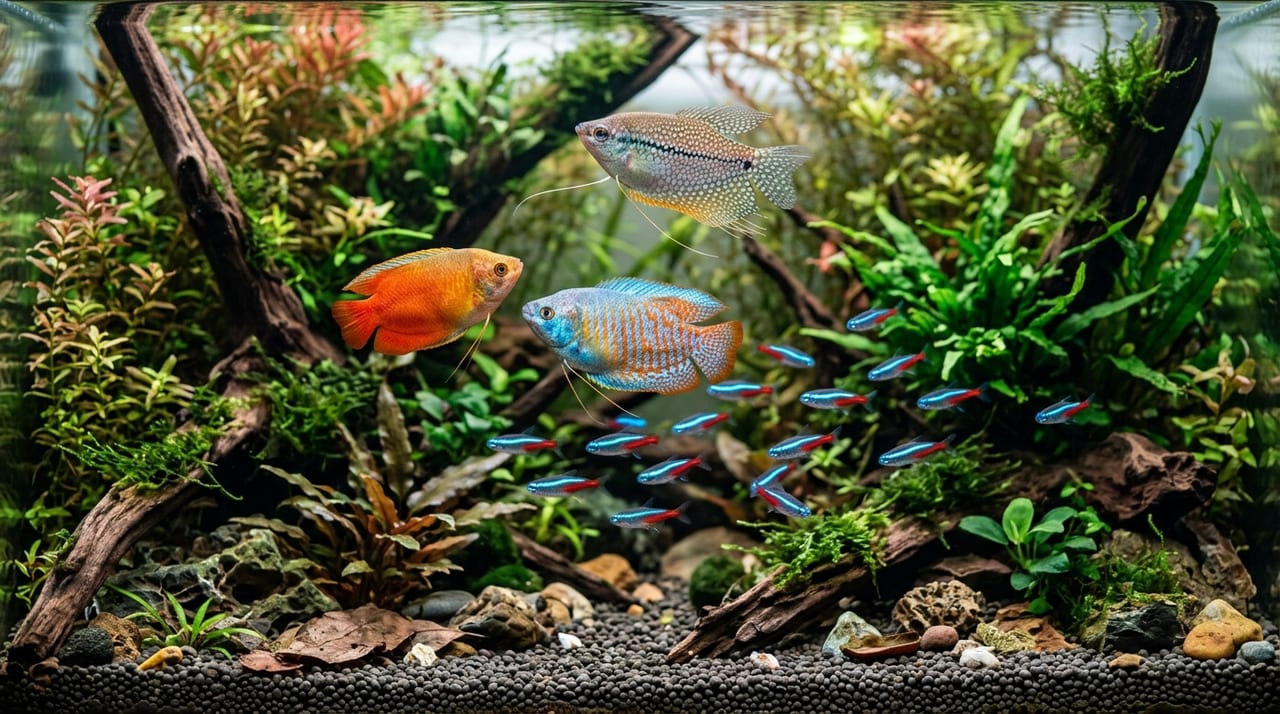
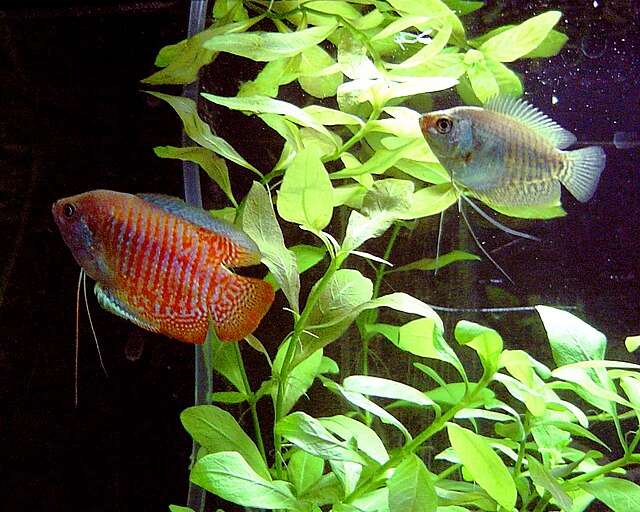
The most popular small species, reaching about 4–5 cm in length. Males display vibrant striped patterns in orange, red, and blue, commanding attention in planted tanks. Females have a dull silvery coloration, but when kept as a pair, the male's coloring becomes even more striking.
Though beginner-friendly, they are sensitive to water quality deterioration, so weekly water changes are essential.
Pearl Gourami (Trichogaster leeri)
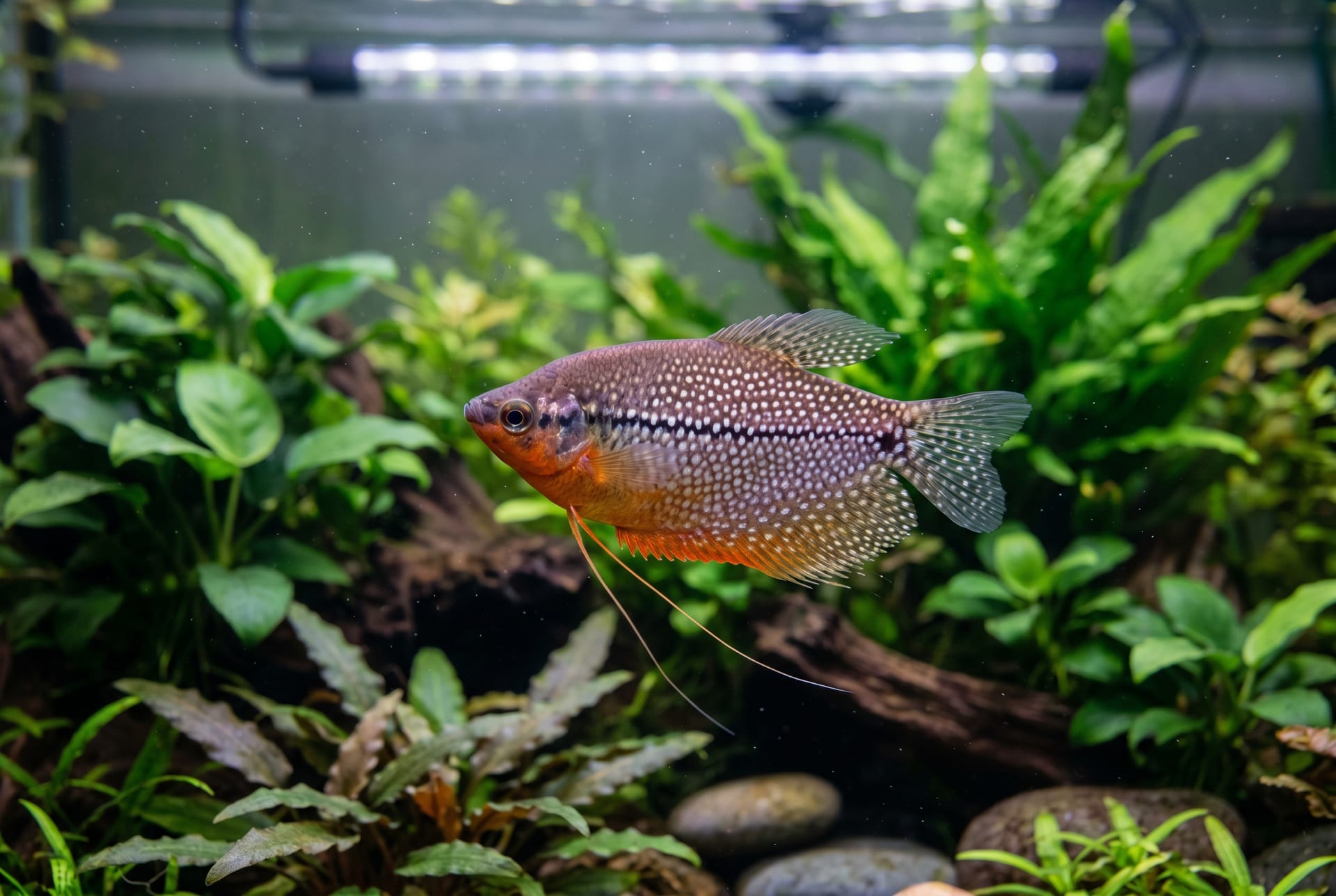
A medium-sized species reaching 10–12 cm in length. Beautiful pearl-like white spots scattered across the body earned it the nickname "Queen of Gouramis." With a peaceful temperament and ease in community settings, multiple individuals in a 60 cm or larger tank display striking schooling behavior.
Gold Gourami / Blue Gourami (Trichogaster trichopterus variants)
A large species reaching 10–15 cm in length. Many color variants exist, including Gold (yellow) and Blue (blue-gray). Hardy and easy to keep with low maintenance costs, but they may become increasingly territorial as they mature.
Honey Dwarf Gourami (Colisa chuna)
A tiny species reaching around 4 cm, with charming honey-colored coloration. Males develop striking black coloration on the head during breeding. They work well in planted and nano tanks, with a relatively peaceful disposition.
Tank Setup and Water Quality Management
Recommended Tank Sizes
Small species (Dwarf, Honey): 30–45 cm tanks (20–40 L) or larger
Medium to large species (Pearl, Gold): 60 cm tanks (57 L) or larger
Gouramis swim slowly and prefer hiding places and plants over open swimming space. Maintain an air gap at the top of the tank (use a cover) to allow labyrinth breathing.
Water Quality and Temperature
Parameter
Recommended Range
Temperature
24–28°C (75–82°F)
pH
6.0–7.5
Hardness (GH)
5–15 dGH (soft to moderately hard water)
Ammonia/Nitrite
Undetectable
Most species prefer slightly acidic to neutral soft water; combining them with Asian aquatic plants (such as Rotala and Cryptocoryne) recreates a natural environment. Perform weekly water changes at 20–30% of tank volume.
Filtration and Aeration
While powerful aeration via air pumps is not essential due to the labyrinth organ, a filter is necessary. However, strong water currents deplete energy, so sponge filters or corner filters with reduced flow are ideal.
Tank Mates and Compatibility
Gouramis are generally peaceful, but several considerations apply.
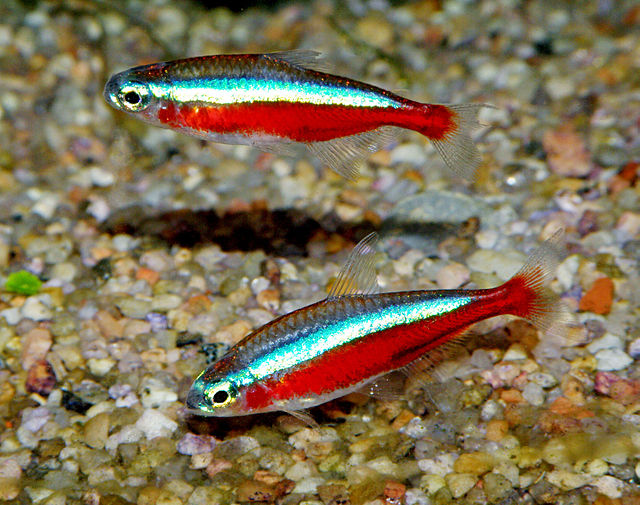
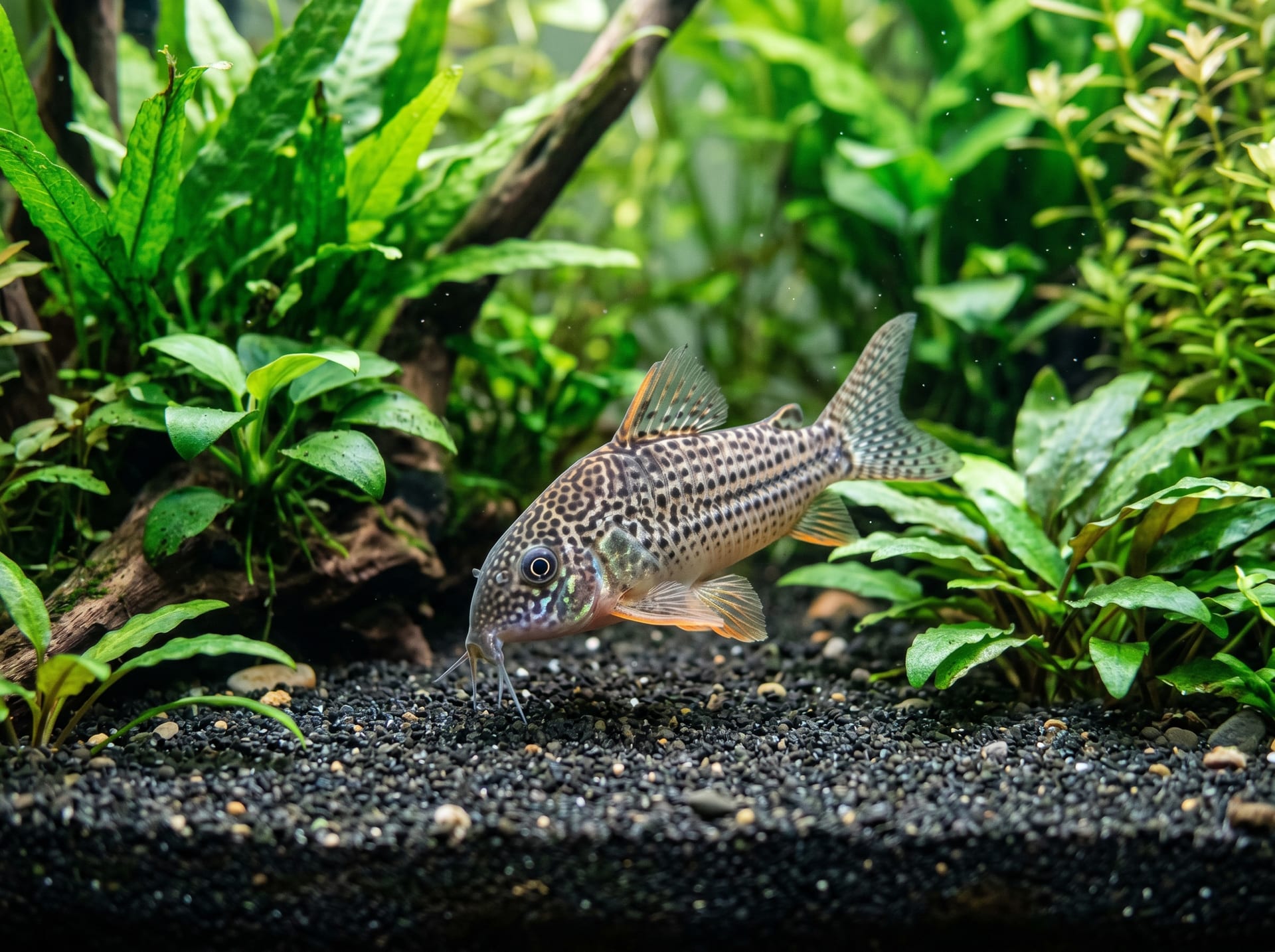
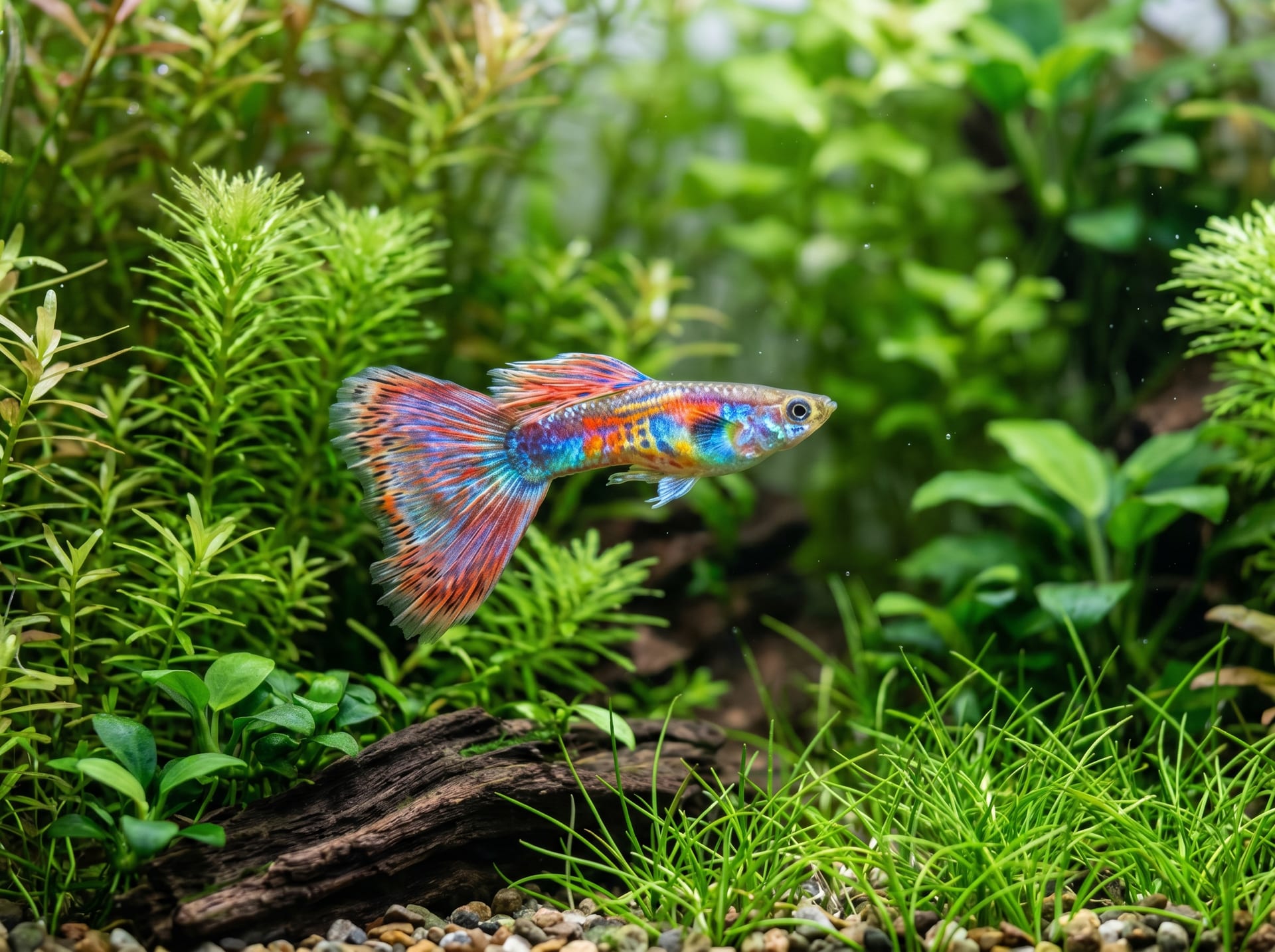
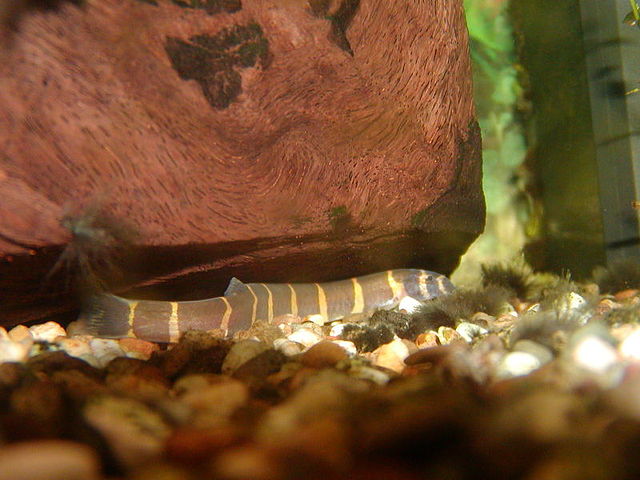
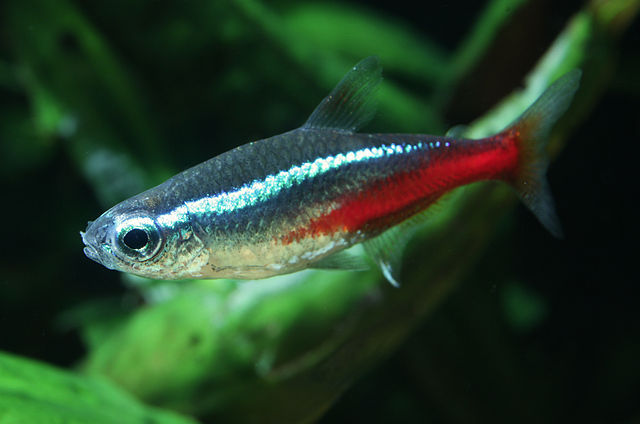
Compatible fish: Neon tetras, Cardinal tetras, Corydoras, Kuhli loaches, small plecos, and rasboras
Combinations requiring caution:
- Same-species males (can become aggressive during territorial disputes)
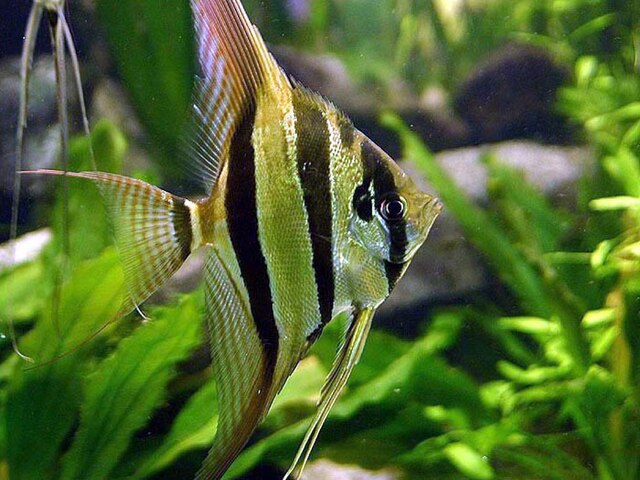
- Fish with long fins (angelfish, guppies) usually coexist peacefully, but occasional fin-nipping may occur
- Bettas: generally incompatible (same order; compete for resources)
A 1:1 pair or harem structure (1 male: multiple females) is most stable; if keeping multiple males, use a larger tank and provide additional hiding places to disperse territories.
Breeding Methods (Bubble Nest Spawning)
One of gouramis' greatest appeals is the ease of observing breeding behavior. Males construct bubble nests at the water surface, luring females to spawn within them.
Breeding Steps
Preparation: Set up a dedicated 30–45 cm breeding tank with abundant plants (willow moss, frogbit)
Conditioning: Feed high-protein live foods (brine shrimp, bloodworms) to condition the pair
Spawning: Once the male builds a bubble nest, introduce the female. Vigorous chasing is a prelude to spawning
Post-spawn care: Remove the female after spawning (males may become aggressive). Males guard the nest
Fry care: Fry hatch in 2–3 days. Remove the male once fry are established. First foods include infusoria or commercial liquid fry food
Diseases and Important Notes
Common diseases include ich, velvet disease (pepper disease), and columnaris. Avoid temperature fluctuations, and use the drip acclimation method during water changes to reduce infection risk.
Fry with underdeveloped labyrinth organs require careful temperature management; avoid sudden temperature swings.
Summary
Gouramis are tropical fish combining diverse species, stunning coloration, and peaceful temperaments. With engaging breeding behavior to observe, they appeal equally to beginners and long-term enthusiasts. With weak water flow and abundant plants, they can be maintained healthily for years to come.