 © Jokuyken15 / CC BY 4.0
Redtail Notho
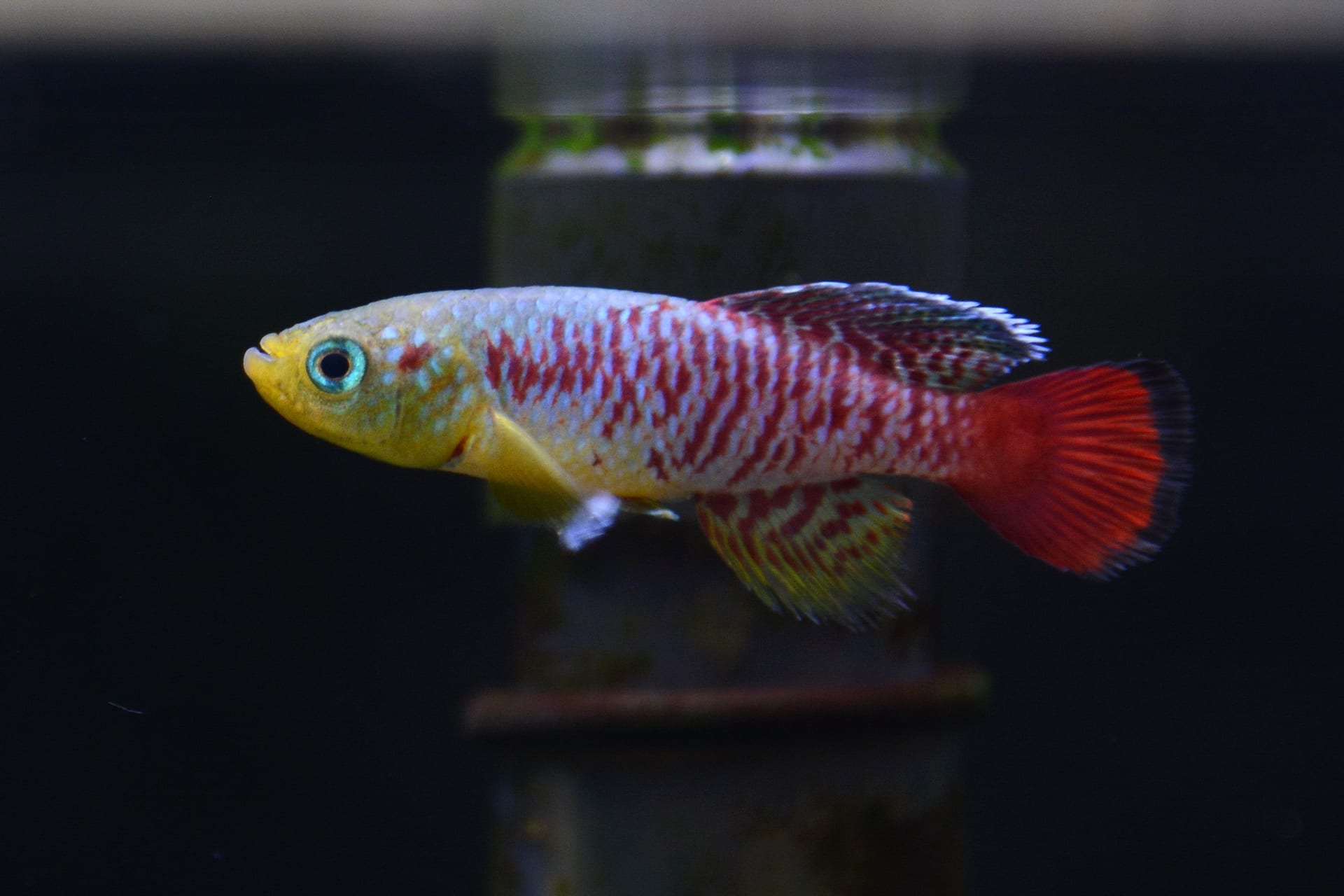
The Redtail Notho (Nothobranchius guentheri) is a small egg-laying killifish best known for the males' vivid red tail fins. Found only on Unguja Island off Tanzania, this species has evolved a remarkable "annual" life cycle: as seasonal pools dry up, its drought-resistant eggs lie dormant until the rains return, letting each new generation hatch into fresh water. Its striking colors and lively swimming make it a rewarding fish to watch in a small aquarium. Because the IUCN lists it as Endangered, keeping this species also offers a window into its ecology and the importance of conservation. As an intermediate-level fish, it's best approached once you're comfortable with basic water quality management and breeding techniques.
View Redtail Notho encyclopedia →0% commission on your first sales!Register by September 30, 2026 and your first 2 sales are commission-free!
Breeder Wanted!
List on BreederDirect and sell directly to customers nationwide!
Our 6 Transparency Commitments
All Tropical Fish listings include water quality, temperament, and tank size information from verified Breeder.
- Origin Disclosed
- Real Photos
- Water Quality Disclosed
- Recommended Tank Size
- Temperament Disclosed
- Breed Line Disclosed
Browse all 301 breeds
Water Type
Care Level
Verified breeders wanted for Tropical Fish
Breeders are signing up now ahead of launch. Subscribe to be notified when new listings go live.
Getting alerts is free with a member account. When new listings match your saved search, we'll notify you by email and in-app.
Browse other categories
Verified breeders (preview)
Are you raising tropical fish?
Register as a breeder and connect with buyers directly.
Apply as a breederRedtail Notho key facts
- Care level
- Intermediate
- Lifespan
- About 1 years
- Size
- 3-3.5cm
- Temperature
- 22〜25℃
- Diet
- Artemia, Daphnia, frozen bloodworm
- Tank
- It reaches only about 3.5cm, and a tank that can hold a fine substrate suits its habit of spawning into the bottom.
- Water Temperature & Quality
- FishBase records 22-25C, pH 6.0-7.0 and 4-10dH in the wild.
- Tank Mates
- In the wild it preys on mosquito larvae and plankton, so anything small enough to swallow will be treated as food.
- Diet & Feeding
- In the wild it eats mosquito larvae and other plankton. In aquaria it takes small animal foods such as Artemia, Daphnia and frozen bloodworm.
- Breeding & Spawning
- It is a bottom spawner, and FishBase gives an incubation period of three to four months. As an annual species that passes the dry season as drought-resistant eggs, breeding requires collecting and storing the eggs.
- Health & Notes
- FishBase notes that it is popular with aquarists yet difficult to maintain. The IUCN assessed it as Endangered in 2018, and because its range is a single island, captive-bred lines should be chosen.
About Redtail Notho
The Redtail Notho is a small egg-laying killifish endemic to Tanzania's Unguja Island. Known for the male's vivid red tail, it follows an annual life cycle with drought-resistant eggs and is considered an intermediate-level fish to keep.
7 things to know before welcoming a Redtail Notho
1A Short Annual Life Cycle
The Redtail Notho is an annual killifish adapted to seasonal pools that dry up during the dry season. Adults live through a fast generation cycle, and their eggs carry the species through the dry months. Its life cycle moves differently than most aquarium fish, so it's worth understanding before you start.
2Eggs Built to Survive Drought
This species lays eggs that can remain dormant in dry substrate without dying. If you want to breed them, use peat moss as a spawning medium and let the eggs dry out for a period before rehydrating them to trigger hatching. This process differs quite a bit from breeding most tropical fish.
3Males Flash a Bright Red Tail
Mature males develop the vivid red tail fin the species is named for, along with brighter overall coloring. Females stay a plain silvery brown, making the sexes easy to tell apart when you keep a mixed group.
4Lively but Best Kept with Care
Males can spar over territory, flaring their fins at each other, so keeping several together works best in a roomier tank or with numbers kept modest. Avoid pairing them with slow-moving, long-finned tankmates and stick to similarly active species.
5Prefers Soft, Slightly Acidic Water
Reflecting the still pools of its native Tanzania, this fish does best in soft, slightly acidic to neutral water. Peat filtration or a soil-based substrate helps recreate conditions closer to its natural habitat.
6A Compact Build
Adults reach about 3 to 3.5 cm, small enough for a compact aquarium. That small size also makes them sensitive to sudden shifts in water quality or temperature, so smaller volumes need more frequent monitoring.
7Why It's Considered Intermediate-Level
Its fast generation cycle and the drought-based egg management required for breeding call for knowledge that differs from most aquarium fish. It suits keepers who enjoy regular water-quality checks and want to try their hand at breeding.
Frequently asked questions about Redtail Notho
- Q.Is this species suitable for beginners?
- A.It's generally considered an intermediate-level fish, so some prior experience with water quality management and tropical fish keeping helps. Its life cycle and breeding process call for knowledge that differs from more common aquarium fish, so it's best approached after keeping other species first.
- Q.Can it be kept with other fish?
- A.Males can be territorial toward each other, so keep group size and tank space in mind if housing several together. Avoid slow-moving, long-finned tankmates, and pairing it with similarly active fish tends to work well.
- Q.How large does it grow?
- A.Adults reach roughly 3 to 3.5 cm, making it a small species. Because of its small size, it's sensitive to sudden changes in water quality or temperature, so regular monitoring matters.
- Q.Can it be bred at home?
- A.Breeding involves using peat moss as a spawning medium and letting the eggs dry for a period before rehydrating them to trigger hatching. Once you understand this annual species' egg process, home breeding is achievable.
- Q.Is this species regulated under CITES?
- A.No, the Redtail Notho is not subject to CITES.
Useful tools for Redtail Notho care
Learn more about Redtail Notho in the encyclopedia
View Redtail Notho encyclopedia entry →
Care difficulty, lifespan, size and diet — all basics covered.
More in this category
Can't find the one you're looking for?
Post your wishes for free and breeders with matching animals will contact you with introductions.