 © 5snake5 / CC0
Firemouth Cichlid
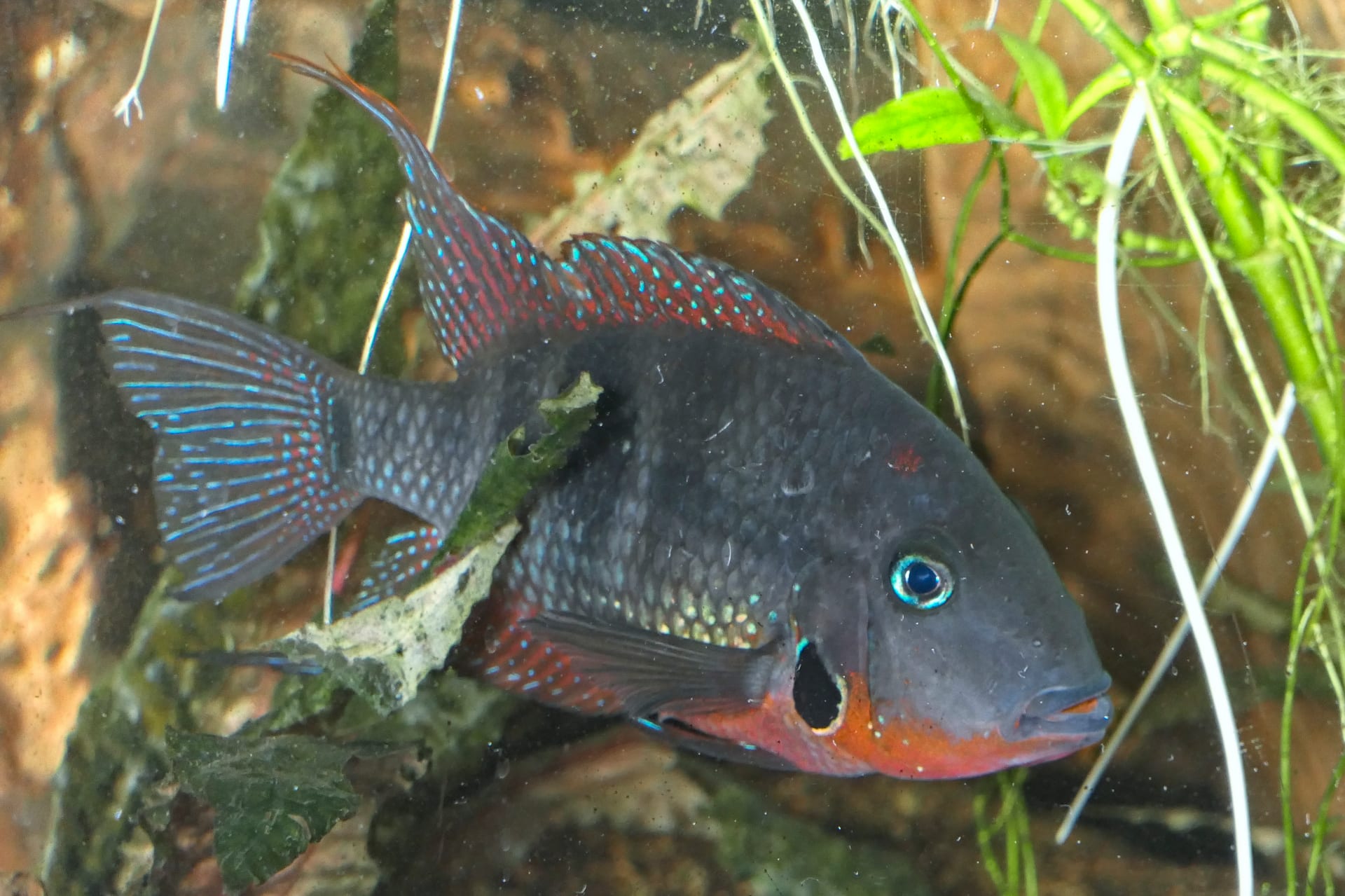
The Firemouth Cichlid is a Central American species known for the vivid red that spreads across its throat and belly, paired with a dark eyespot on each gill cover. Its English name comes from the striking display it puts on when threatened, flaring its gill membranes wide open like a fiery throat. It tolerates a broad range of water temperatures and pH levels, making it a hardy fish, and outside of breeding season it tends to settle down calmly in groups. With its bold coloring and easygoing nature, it's considered a great choice for beginner aquarists just starting out with cichlids.
View Firemouth Cichlid encyclopedia →0% commission on your first sales!Register by September 30, 2026 and your first 2 sales are commission-free!
Breeder Wanted!
List on BreederDirect and sell directly to customers nationwide!
Our 6 Transparency Commitments
All Tropical Fish listings include water quality, temperament, and tank size information from verified Breeder.
- Origin Disclosed
- Real Photos
- Water Quality Disclosed
- Recommended Tank Size
- Temperament Disclosed
- Breed Line Disclosed
Browse all 341 breeds
Water Type
Care Level
Verified breeders wanted for Tropical Fish
Breeders are signing up now ahead of launch. Subscribe to be notified when new listings go live.
Getting alerts is free with a member account. When new listings match your saved search, we'll notify you by email and in-app.
Browse other categories
Verified breeders (preview)
Are you raising tropical fish?
Register as a breeder and connect with buyers directly.
Apply as a breederFiremouth Cichlid key facts
- Care level
- Beginner-friendly
- Lifespan
- 8-12 years
- Size
- 12-17cm
- Temperature
- 20〜32℃
- Diet
- Sinking dried foods, frozen bloodworm, Artemia, vegetable matter
- Tank
- A 120 x 30cm base, about 108 litres, is the practical minimum. It digs, so use fine sand and break up sightlines with wood and rocks.
- Water Temperature & Quality
- 20-32C, pH 6.5-8.5, 2-15dGH. FishBase records 26-30C, pH 6.5-7.5 and up to 10dH in the wild.
- Tank Mates
- Peaceful outside breeding and calmest in groups of eight or more. It suits similarly sized Central American cichlids and peaceful open-water characins, but will eat much smaller fishes.
- Diet & Feeding
- A benthophagous omnivore taking small crustaceans, molluscs and detritus. Base the diet on quality sinking dried food with frozen bloodworm, Artemia and vegetable matter.
- Breeding & Spawning
- A monogamous, biparental substrate spawner. Eggs are laid on flat rocks or wood and both parents guard eggs and fry for several weeks. It breeds readily when in good condition.
- Health & Notes
- Assessed Least Concern by the IUCN Red List. Introduced populations exist in Hawaii and Puerto Rico, so aquarium fish must never be released.
About Firemouth Cichlid
Firemouth Cichlid: a hardy Central American cichlid with a bright red throat and belly and a dark eyespot, well suited to beginner aquarists.
7 things to know before welcoming a Firemouth Cichlid
1Give It a Spacious Tank
Adults grow to about 12–17 cm and can be territorial, so plan for a tank with enough room to grow into from the start. Setting this up early avoids the stress of moving fish later.
2Highly Adaptable to Water Conditions
This species tolerates a wide range of temperatures and pH levels, which is part of why it's considered hardy. Even so, sudden shifts in water quality stress any fish, so change water gradually rather than all at once.
3Expect Some Digging
Like many cichlids, this fish likes to dig through the substrate and rearrange it. When planning your layout, choose decor that won't topple easily and avoid shallow-rooted plants that could get uprooted.
4Calmer When Kept in a Group
Outside of breeding season, this fish tends to be fairly bold yet settled when kept with others of its kind. Keeping several together also spreads out social pressure compared to housing just a single pair.
5Temperament Shifts During Breeding
Once a pair forms and enters breeding mode, they can become noticeably more territorial to protect their spawning site. If they're sharing a tank with other fish, keep a close eye on their behavior during this period.
6The Gill-Flaring Display Is Normal
Flaring the gill membranes to look larger is a normal threat display — in fact, it's the behavior that gave this species its English name. It's not a sign of illness, so there's no need to worry when you see it.
7Choose Tankmates Carefully
Since temperament can shift at times, it's safer to pair this fish with tankmates of a similar size and similarly sturdy nature. Very small or timid fish are best kept out of the same tank.
Frequently asked questions about Firemouth Cichlid
- Q.Can it be kept with other fish?
- A.Yes, as long as the tankmates are a similar size and reasonably sturdy. Avoid pairing it with very small fish, since it can become territorial during breeding.
- Q.Is it suitable for beginners?
- A.Yes. It tolerates a wide range of temperatures and pH levels and is generally considered beginner-friendly, making it approachable even for a first tropical fish.
- Q.How big does it get as an adult?
- A.Adults typically reach about 12 to 17 cm. It's worth planning your tank size around this eventual length from the start.
- Q.Why does it dig in the substrate?
- A.This is a natural behavior shared by many cichlids, related to establishing territory or preparing a spawning site. It's not a problem — just normal instinct.
- Q.Is flaring its gills a sign of illness?
- A.No, it's not illness — it's a normal threat display. In fact, this very behavior is the origin of the species' English name, Firemouth.
Useful tools for Firemouth Cichlid care
Learn more about Firemouth Cichlid in the encyclopedia
View Firemouth Cichlid encyclopedia entry →
Care difficulty, lifespan, size and diet — all basics covered.
More in this category
Can't find the one you're looking for?
Post your wishes for free and breeders with matching animals will contact you with introductions.