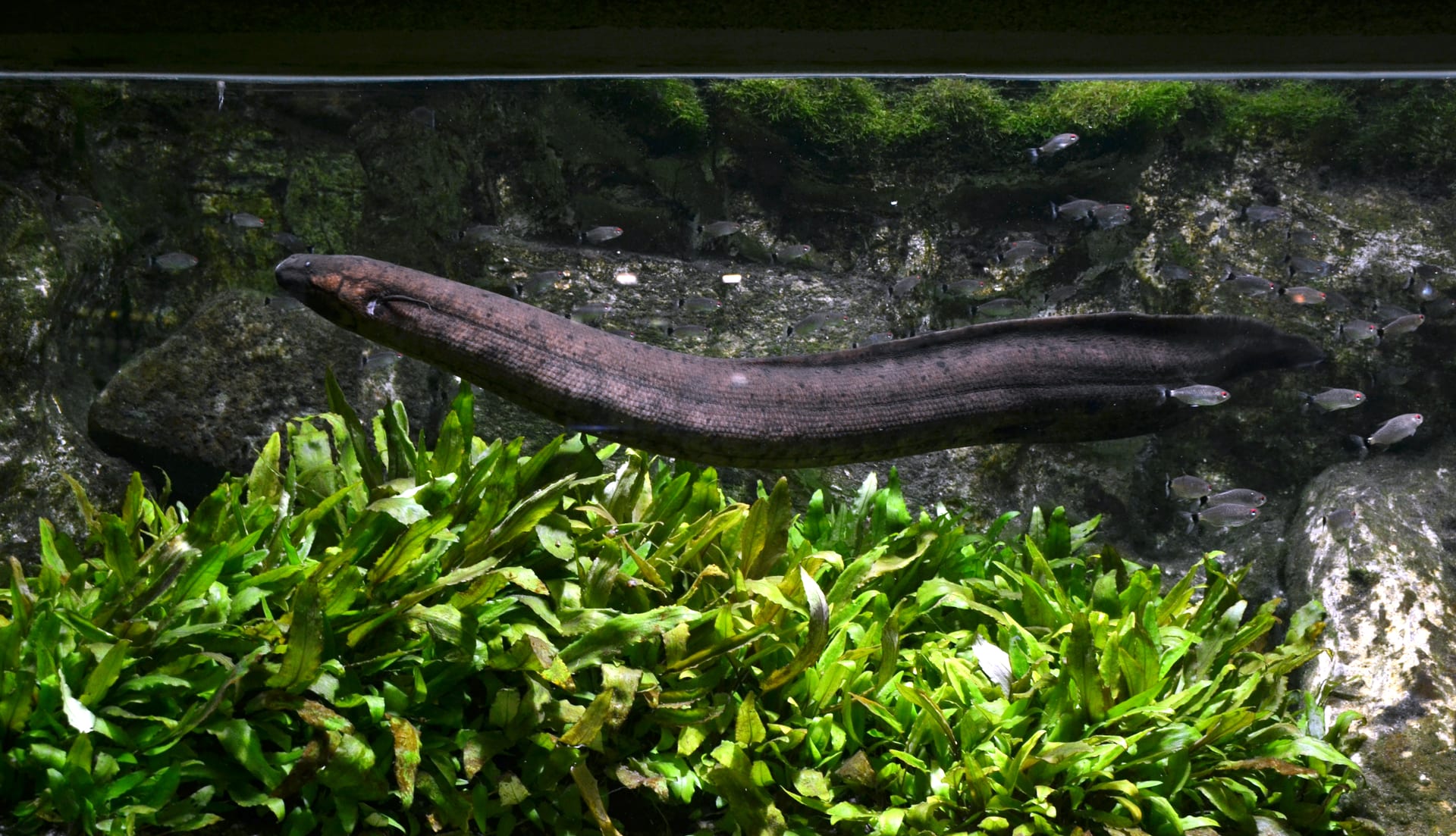
 © Vassil / CC0
South American lungfish
Lepidosiren paradoxa, the South American lungfish, is the only lungfish native to South America. Its long, eel-like body and thread-like fins give it a look unlike any other tropical fish. It is an obligate air breather that relies on its lungs and will drown if it cannot reach the surface to take air. Along with animal foods such as shrimp, snails and fish fillet, it also eats plant matter. Growing to a maximum total length of 125 cm, it needs a very large tank for life. Rated for experienced keepers, it suits people who are ready to plan equipment and long-term care in advance.
View South American lungfish encyclopedia →0% commission on your first sales!Register by September 30, 2026 and your first 2 sales are commission-free!
Breeder Wanted!
List on BreederDirect and sell directly to customers nationwide!
BreederDirect's 6 Transparency Commitments
All Tropical Fish listings include water quality, temperament, and tank size information from verified Breeder.
- Origin Disclosed
- Real Photos
- Water Quality Disclosed
- Recommended Tank Size
- Temperament Disclosed
- Breed Line Disclosed
Browse all 341 breeds
Water Type
Care Level
Verified breeders wanted for Tropical Fish
Breeders are signing up now ahead of launch. Subscribe to be notified when new listings go live.
Getting alerts is free with a member account. When new listings match your saved search, we'll notify you by email and in-app.
Browse other categories
Verified breeders (preview)
Are you raising tropical fish?
Register as a breeder and connect with buyers directly.
Apply as a breederSouth American lungfish key facts
- Care level
- Advanced
- Lifespan
- Maximum reported age 8 years (FishBase); captive lifespan poorly documented
- Size
- Up to 125 cm TL (FishBase)
- Temperature
- 24〜28℃
- Diet
- Omnivore (fish, shrimp and shellfish, plant matter)
- Water Temperature & Quality
- 24-28°C (FishBase), pH 6.0-8.0, 2-20 dH (Seriously Fish). Produces heavy waste, so strong filtration is needed.
- Aquarium
- It grows beyond 1 m, so lifelong care requires a very large tank (Seriously Fish suggests a 240 x 90 cm footprint). Leave an air gap under a gap-free, secure lid to prevent escapes.
- Tank Mates & Compatibility
- Usually peaceful with fish too large to swallow, though some attack other bottom-dwellers. Keeping it alone is safest.
- Diet & Feeding
- Offer prawn, mussel, fish pieces, sinking prepared food and plant matter. Reduce frequency as it grows; adults need about one meal a week. Avoid mammal or poultry meat.
- Breeding & Egg-laying
- Not bred in captivity. In the wild it breeds in the rainy season, the male guarding eggs and young in a burrow.
- Health & Cautions
- It drowns without access to air. It can break heaters and thermometers, so guard them or keep equipment outside the tank. Never release it.
About South American lungfish
Lepidosiren paradoxa, the South American lungfish, is an eel-like obligate air breather with thread-like fins. It grows up to 125 cm and suits experienced keepers with a large tank. Learn its traits and what to know before buying.
7 things to know before welcoming a South American lungfish
1Needs to breathe air
Lepidosiren paradoxa is an obligate air breather and will drown if it cannot take air at the surface. Its tank must let it reach the surface at any time. Avoid covering the surface with too many floating plants or pieces of equipment.
2Grows up to 125 cm
Adults reach a maximum total length of 125 cm, so this is a large fish that can exceed 1 m. Even a small individual needs preparation with its adult size in mind. Before bringing one home, think realistically about where the tank will go and how large it must be.
3Lid and air space
Because it breathes at the surface, the tank should not be sealed completely, and there should be open air space above the water. Its long body means even small gaps deserve attention, so find a way to close off gaps around the lid. Not filling the tank to the very top can also help.
4Avoid tank mates
It is said to be relatively peaceful with fish too large to swallow, but some individuals dislike bottom-dwelling fish, so keeping it alone is the safer starting point. If you do try a community setup, provide plenty of space and watch closely.
5Animal and plant foods
In captivity, feed shrimp, snails, fish fillet and sinking prepared foods, along with some plant-based food. Reduce feeding frequency as it grows; about once a week is enough for adults. Avoid mammal or bird meat.
6Water quality matters
A large carnivorous fish can foul the water quickly with waste and leftover food. Keep the water stable with generous filtration and regular water changes. Handle the fish gently during maintenance so it is not injured.
7Planning for life
The oldest recorded age is 8 years, but there is little information on lifespan in captivity, so it remains unclear. Plan on the possibility of a long life and think ahead about whether you can keep up the equipment. It also helps to consider how you would cope if your living situation changes, such as a move.
Frequently asked questions about South American lungfish
- Q.Can beginners keep this fish?
- A.Its difficulty is rated for experienced keepers. It needs a large tank, strong filtration and an setup that allows air breathing, so it suits people with experience keeping large fish.
- Q.What happens if it can't reach air?
- A.It is an obligate air breather, so it will drown if it cannot take air at the surface. The tank must let it rise freely, with open air space left beneath the lid.
- Q.How large does it grow?
- A.Its maximum total length is 125 cm, so it can exceed 1 m. Plan the tank and its location around the adult size.
- Q.Can it live with other fish?
- A.It is said to be relatively peaceful with fish too large to swallow, but some individuals dislike bottom-dwelling fish, so keeping it alone is the safest choice. If you try tank mates, provide plenty of space and watch closely.
- Q.How long does it live?
- A.The oldest recorded age is 8 years (FishBase). However, there is little information on lifespan in captivity, so it is not well established.
Useful tools for South American lungfish care
Learn more about South American lungfish in the encyclopedia
View South American lungfish encyclopedia entry →
Care difficulty, lifespan, size and diet — all basics covered.
More in this category
Can't find the one you're looking for?
Post your wishes for free and breeders with matching animals will contact you with introductions.