Source: Wikimedia Commons
South American lungfish
AdvancedLepidosiren paradoxa
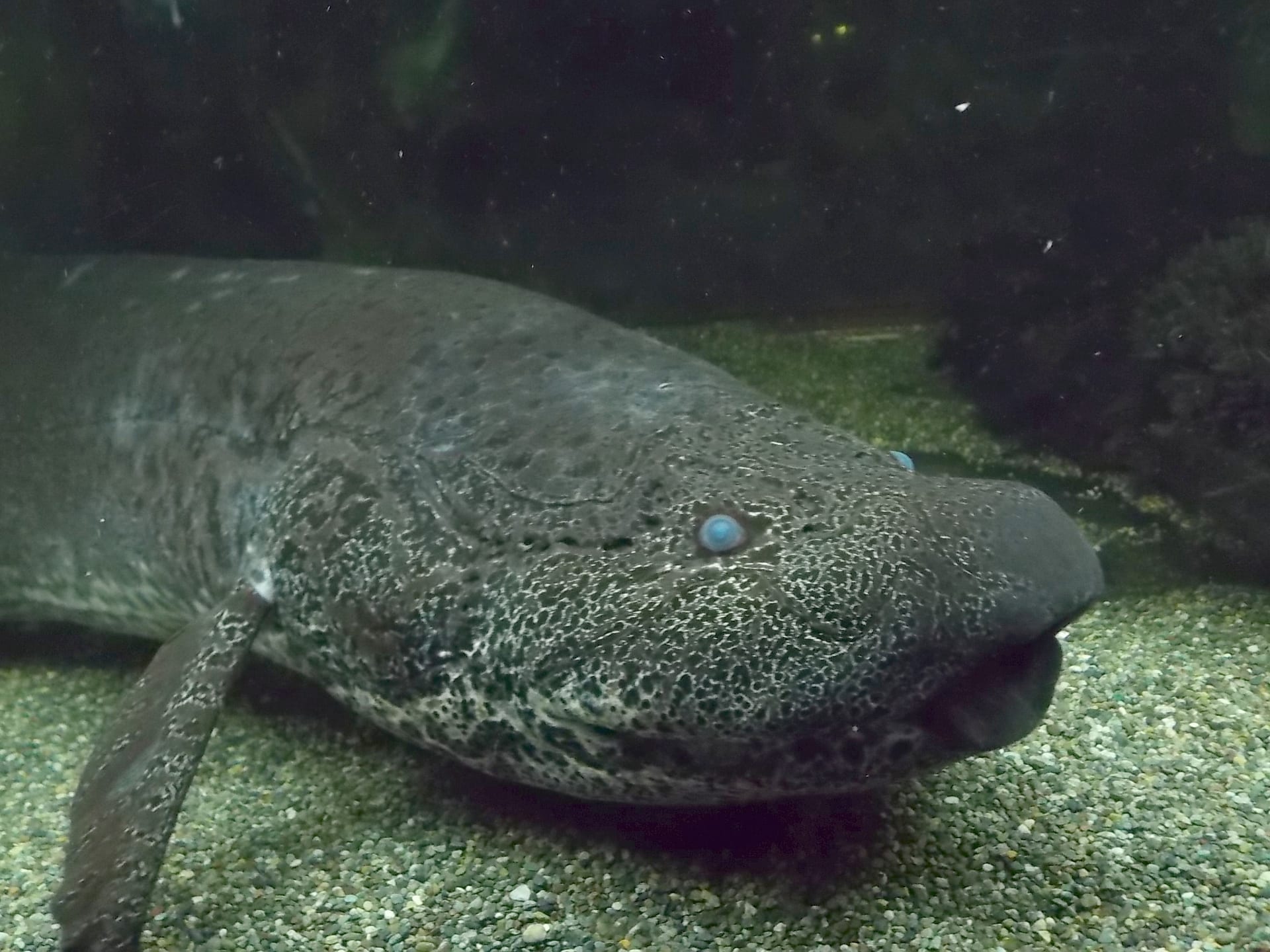
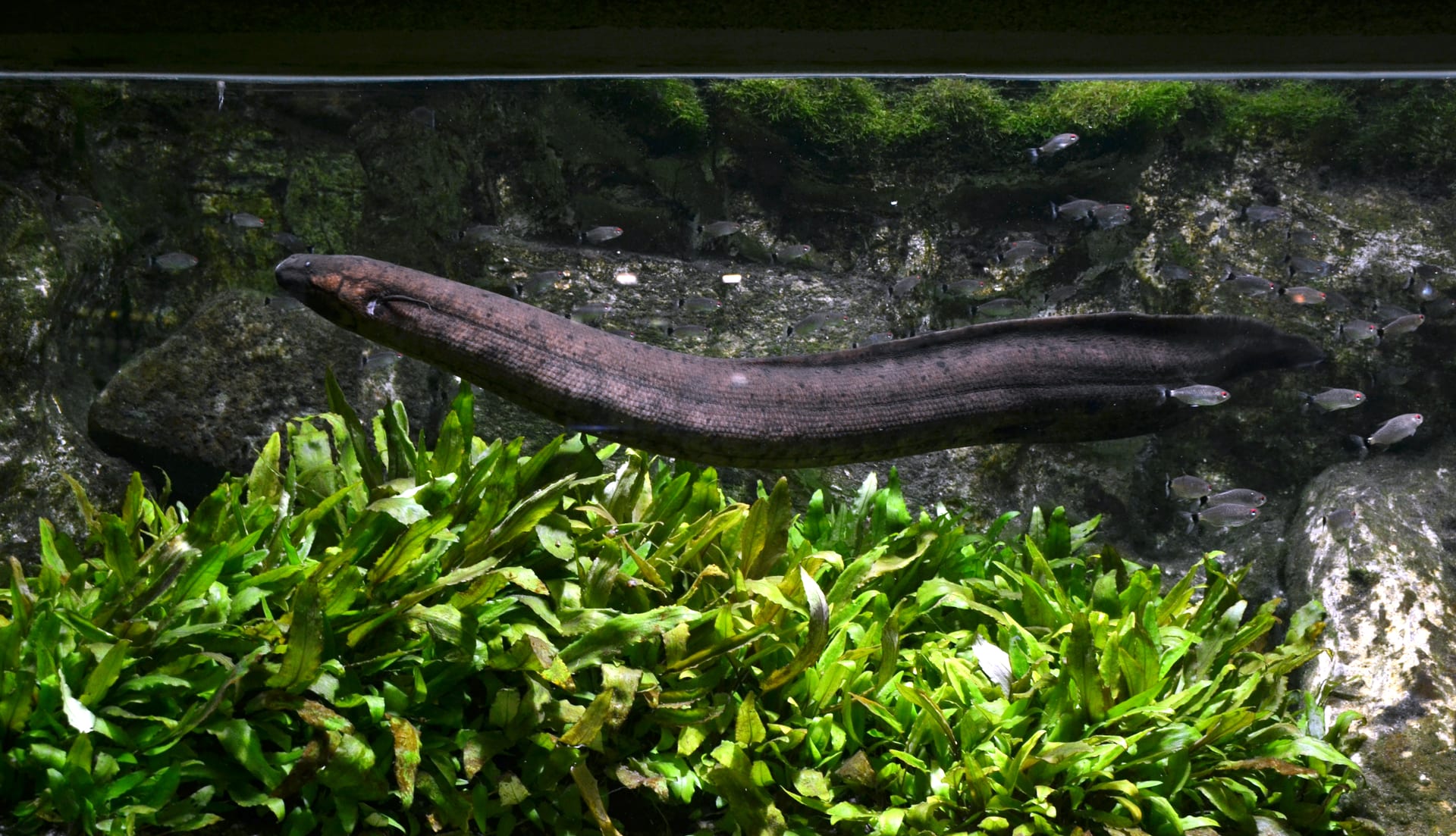
The only lungfish in South America: eel-like with thread-like fins, and an obligate air-breather that drowns without surface access. It exceeds 1 m, so lifelong care needs a very large tank.
Difficulty
Advanced
Temperature
24〜28℃
Lifespan
Maximum reported age 8 years (FishBase); captive lifespan poorly documented
Size
Up to 125 cm TL (FishBase)
Diet
Omnivore (fish, shrimp and shellfish, plant matter)
About
Lepidosiren paradoxa is the sole member of its family and the only lungfish known from South America, in a different family from the African Protopterus. It ranges widely through the Amazon, Paraguay and lower Paraná basins. FishBase gives a maximum of 125 cm TL and a maximum reported age of 8 years. It lives in stagnant swamps and backwaters; its gills are so reduced that it drowns if denied access to air. In the dry season it burrows 30-50 cm into mud and lowers its metabolism. It breeds in the rainy season, when males guard eggs and young in a burrow and develop feathery, blood-rich structures on the pelvic fins. Juveniles are black with gold spots. Captive breeding has not been reported. Juveniles occasionally reach Japanese specialist shops as 'ancient fish'; buyers should confirm they can provide a tank for a fish that reaches over a metre.
Source: Wikipedia (CC BY-SA 4.0)
Lifespan of the South American lungfish
The South American lungfish lives Maximum reported age 8 years (FishBase); captive lifespan poorly documented.
Size of the South American lungfish
The South American lungfish grows to Up to 125 cm TL (FishBase).
Temperature & humidity for the South American lungfish
The ideal temperature for the South American lungfish is 24〜28℃.
Basic Info
Origin
South America (Amazon, Paraguay and lower Paraná basins)
Lifespan
References & Sources
Edited & verified by: BreederDirect editorial team
The taxonomic, regulatory, and husbandry data on this page are compiled and verified against the authoritative primary sources below.
Primary sources
Taxonomy & Authority
Regulations & Conservation Status
Not CITES-listedIUCN LC · Least Concern
Not listed in the CITES Appendices (checked on Species+). Not regulated under Japan's Invasive Alien Species Act. It exceeds 1 m, so plan for lifelong housing and never release it into the wild.
Sources: Species+ (CITES) / FishBase
Regulations may change. Always verify the latest information with the relevant authorities.
South American lungfish Listings
Loading latest listingsFind listings for this species