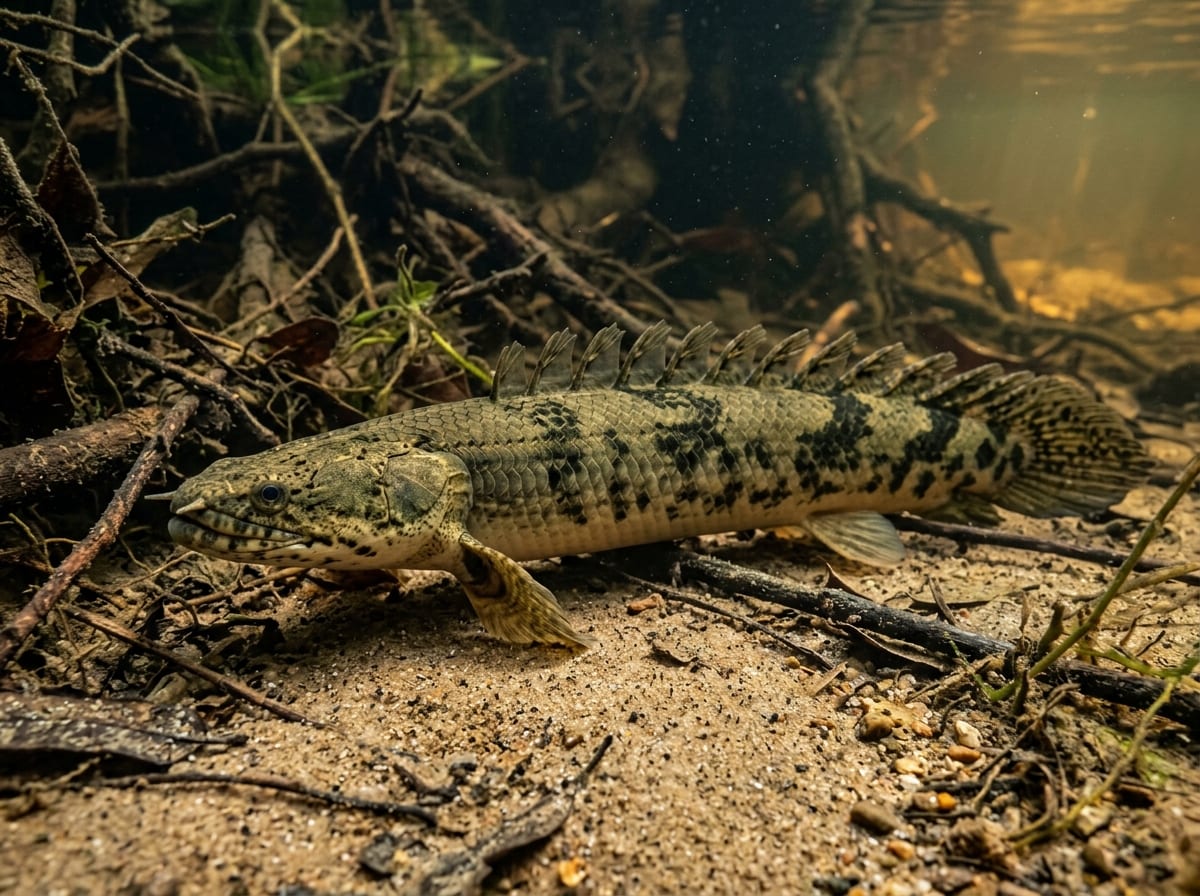
AI-generated image
Guinean bichir
IntermediatePolypterus ansorgii
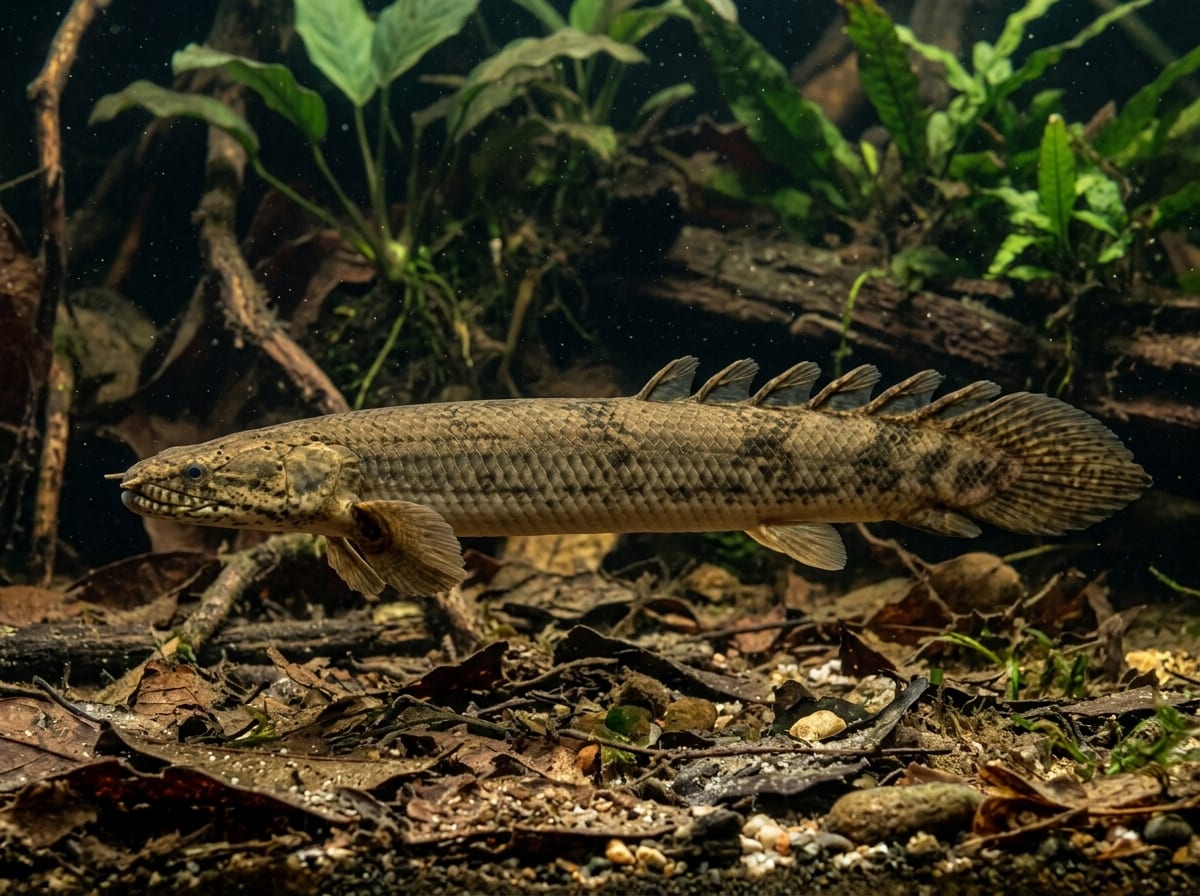
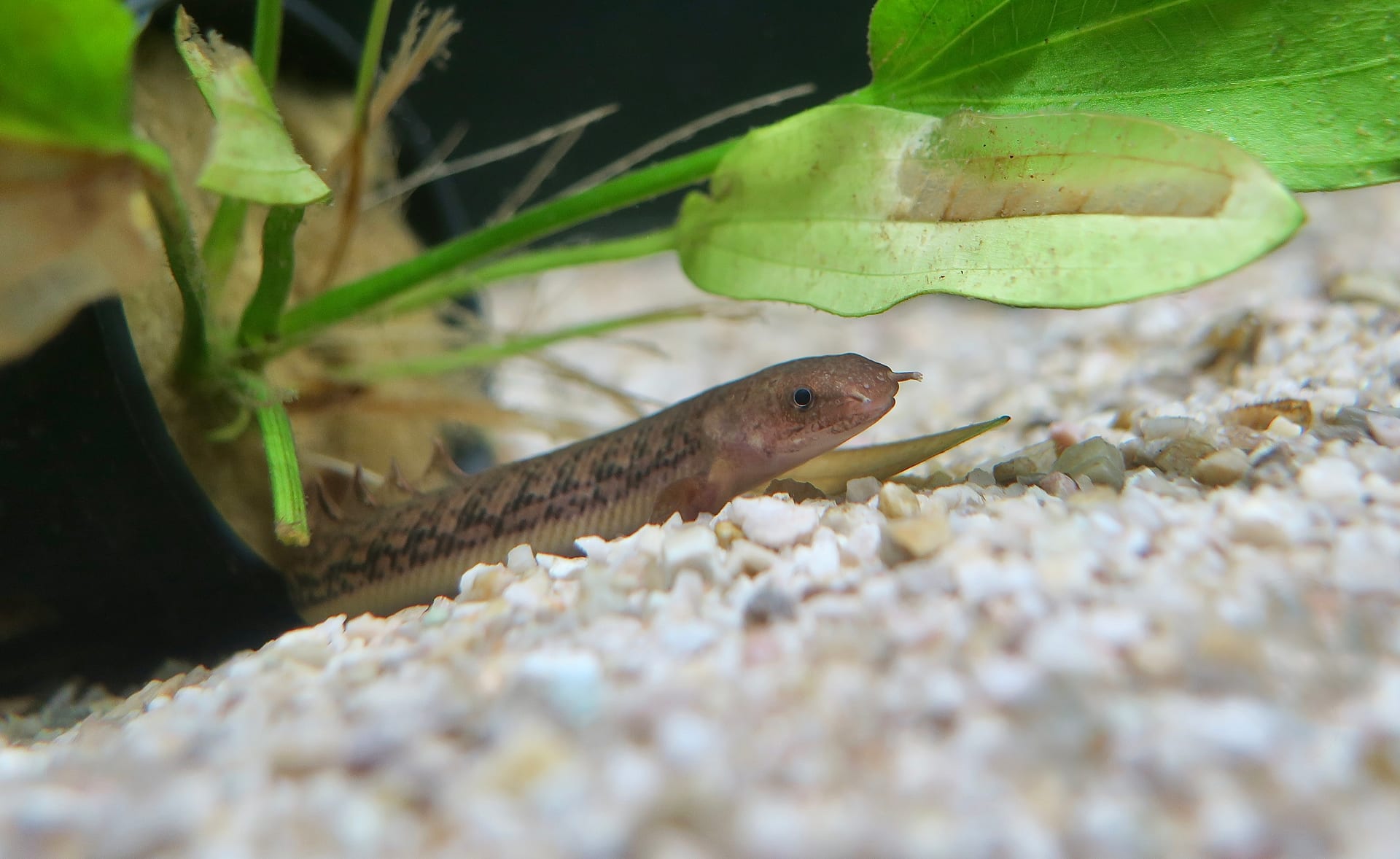
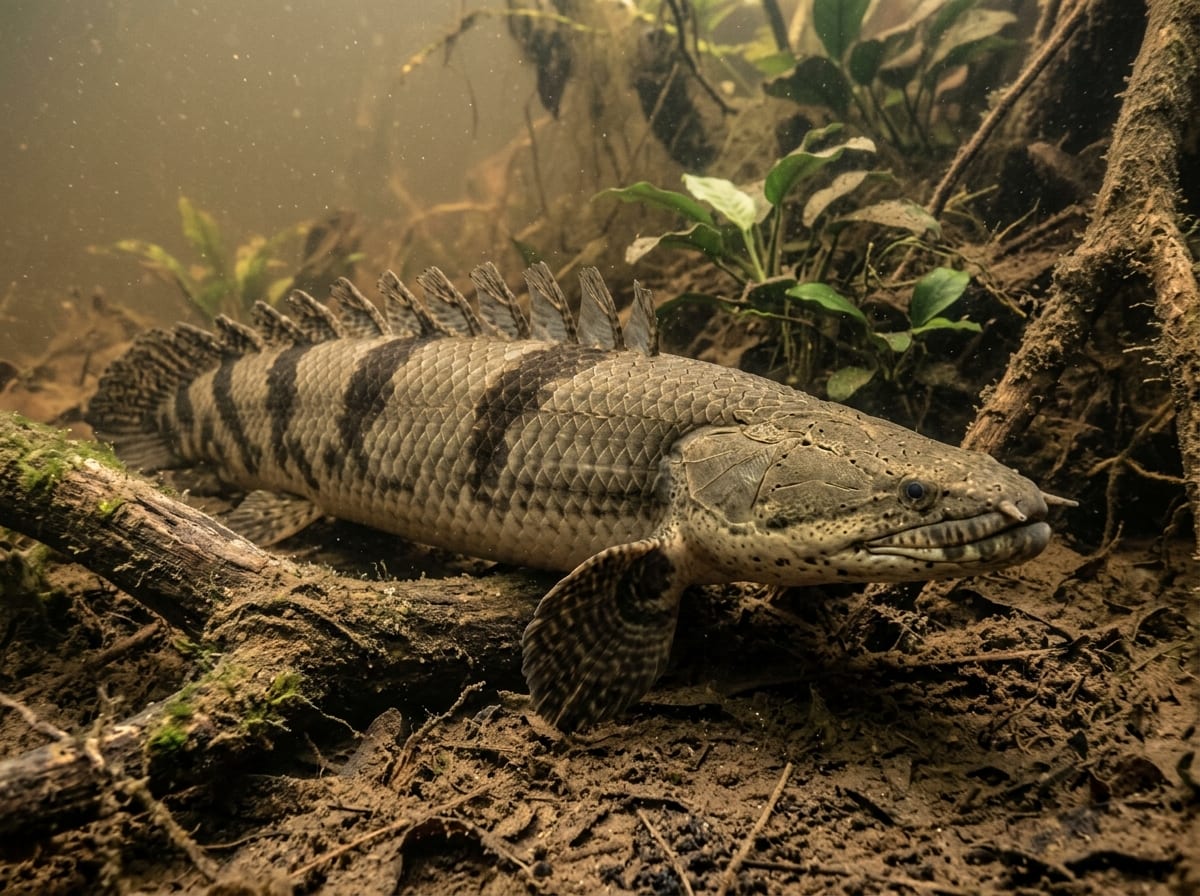
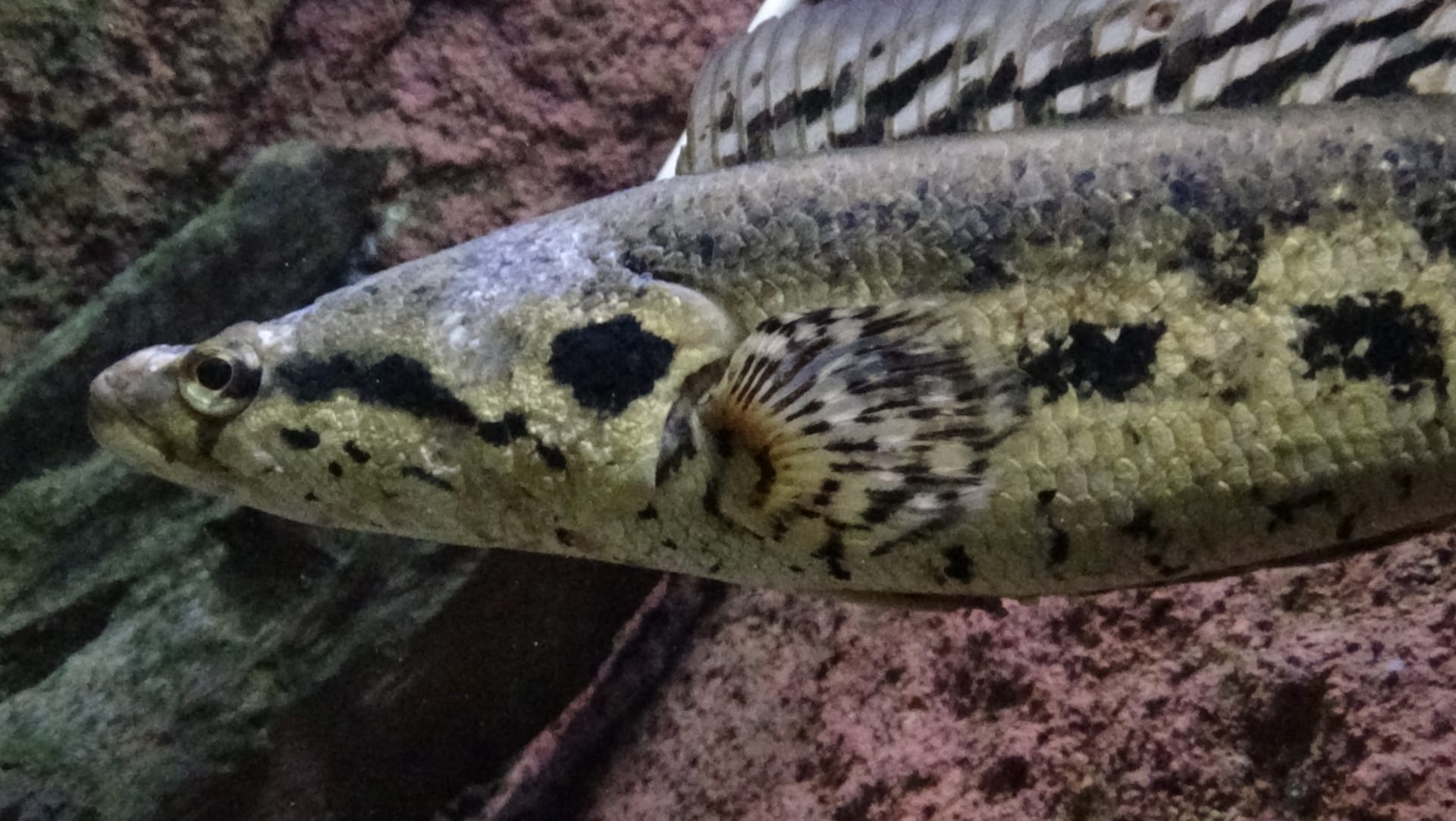
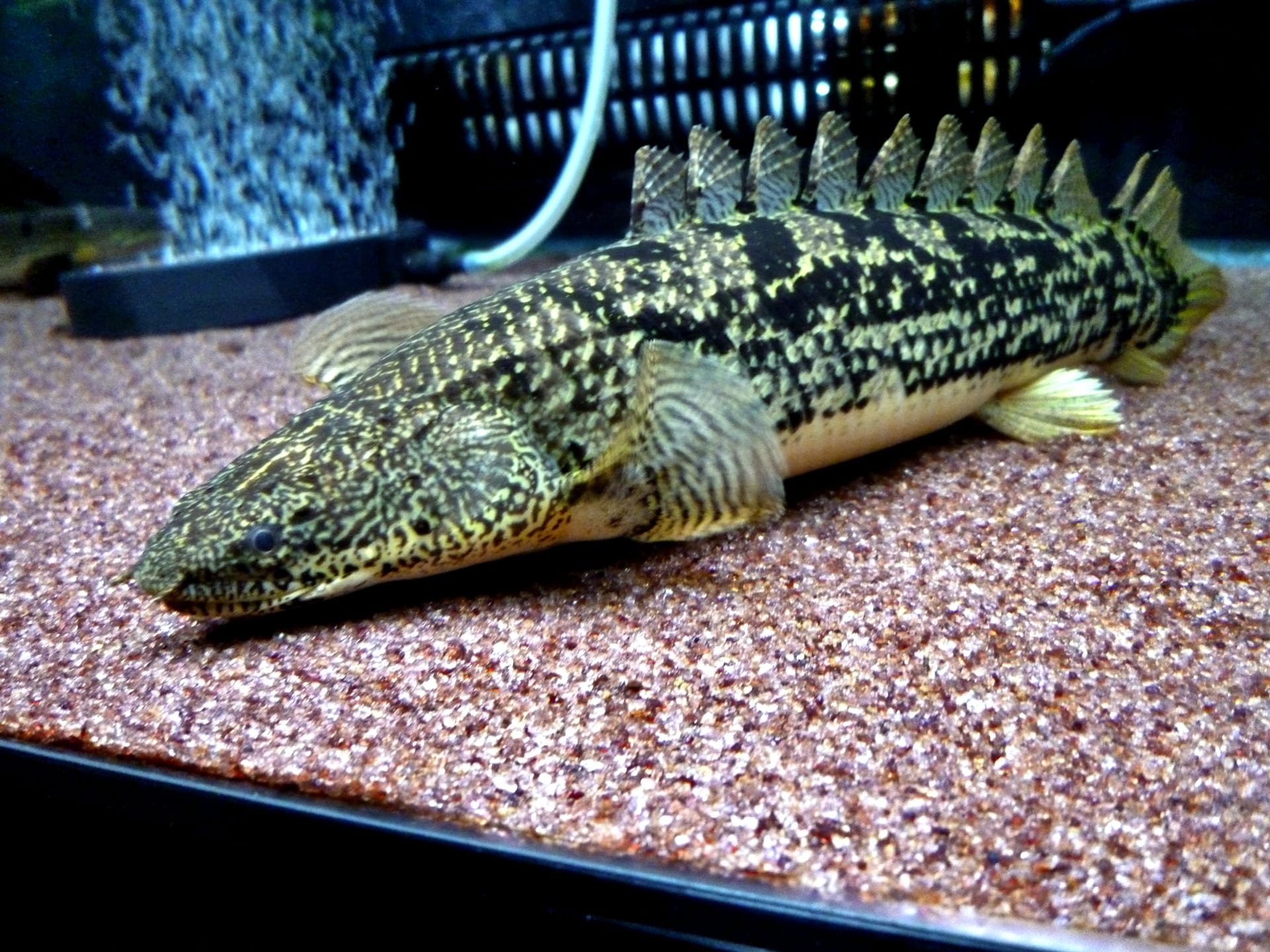
A West African bichir from Guinea-Bissau to Nigeria, greenish-brown to black with large dark blotches; the lower jaw may protrude slightly in adults. Known as one of the larger bichirs.
Difficulty
Intermediate
Temperature
22〜28℃
Lifespan
Few reliable data
Size
Sources differ widely: 28 cm TL (FishBase) to 72 cm (Wikipedia)
Diet
Carnivore (prawns, earthworms, mussels, fish pieces)
About
Polypterus ansorgii, the Guinean bichir, was described from the Corubal River in Guinea-Bissau and has since been reported from the Niger basin in Guinea and from Lake Kainji and the Ogun River in Nigeria (FishBase). It is greenish-brown to black with large dark blotches, and the lower jaw may protrude slightly in mature fish; it can be confused with similar bichirs. Sources disagree on maximum size: FishBase currently lists 28 cm TL, while Wikipedia gives 72 cm citing an earlier FishBase version. Hobbyists regard it as a large-growing species, so plan the tank on the assumption it will grow big. Like other bichirs it breathes air at the surface. A nocturnal carnivore, it eats animal foods. It is a standard large bichir in Japanese specialist shops.
Source: Wikipedia (CC BY-SA 4.0)
Size of the Guinean bichir
The Guinean bichir grows to Sources differ widely: 28 cm TL (FishBase) to 72 cm (Wikipedia).
Basic Info
Origin
West Africa (Guinea-Bissau, Guinea, Nigeria)
Lifespan
Few reliable data
Size
Sources differ widely: 28 cm TL (FishBase) to 72 cm (Wikipedia)
Temperature
22〜28℃
Diet
Carnivore (prawns, earthworms, mussels, fish pieces)
Care Guide
References & Sources
Edited & verified by: BreederDirect editorial team
The taxonomic, regulatory, and husbandry data on this page are compiled and verified against the authoritative primary sources below.
Primary sources
Taxonomy & Authority
Regulations & Conservation Status
Not CITES-listedIUCN LC · Least Concern
Not listed in the CITES Appendices (checked on Species+). Not designated under Japan's Invasive Alien Species Act nor on the invasive species list (as of September 2026). A bichir reported to grow large, so Plan for lifelong housing and never release it into the wild.
Sources: Species+ (CITES) / FishBase
Regulations may change. Always verify the latest information with the relevant authorities.
Guinean bichir Listings
Loading latest listingsFind listings for this species