Complete Guide to Managing Tropical Fish During Travel | Leaving Your Tank, Auto-Feeding, Auto Top-Off
A practical guide covering preparation and measures for leaving your tropical fish tank during trips. Learn automatic feeder setup, fasting limits, smart outlet use, and emergency contacts to handle 2 days to 2 weeks away.
Key Takeaways
A practical guide covering preparation and measures for leaving your tropical fish tank during trips. Learn automatic feeder setup, fasting limits, smart outlet use, and emergency contacts to handle 2 days to 2 weeks away.
Related Species
How Many Days Can Tropical Fish Be Left Alone?
When travel or business trips force you away from home, managing your tropical fish becomes a challenge for many aquarists. The answer to "how many days can fish survive?" varies greatly depending on species, tank size, and equipment.
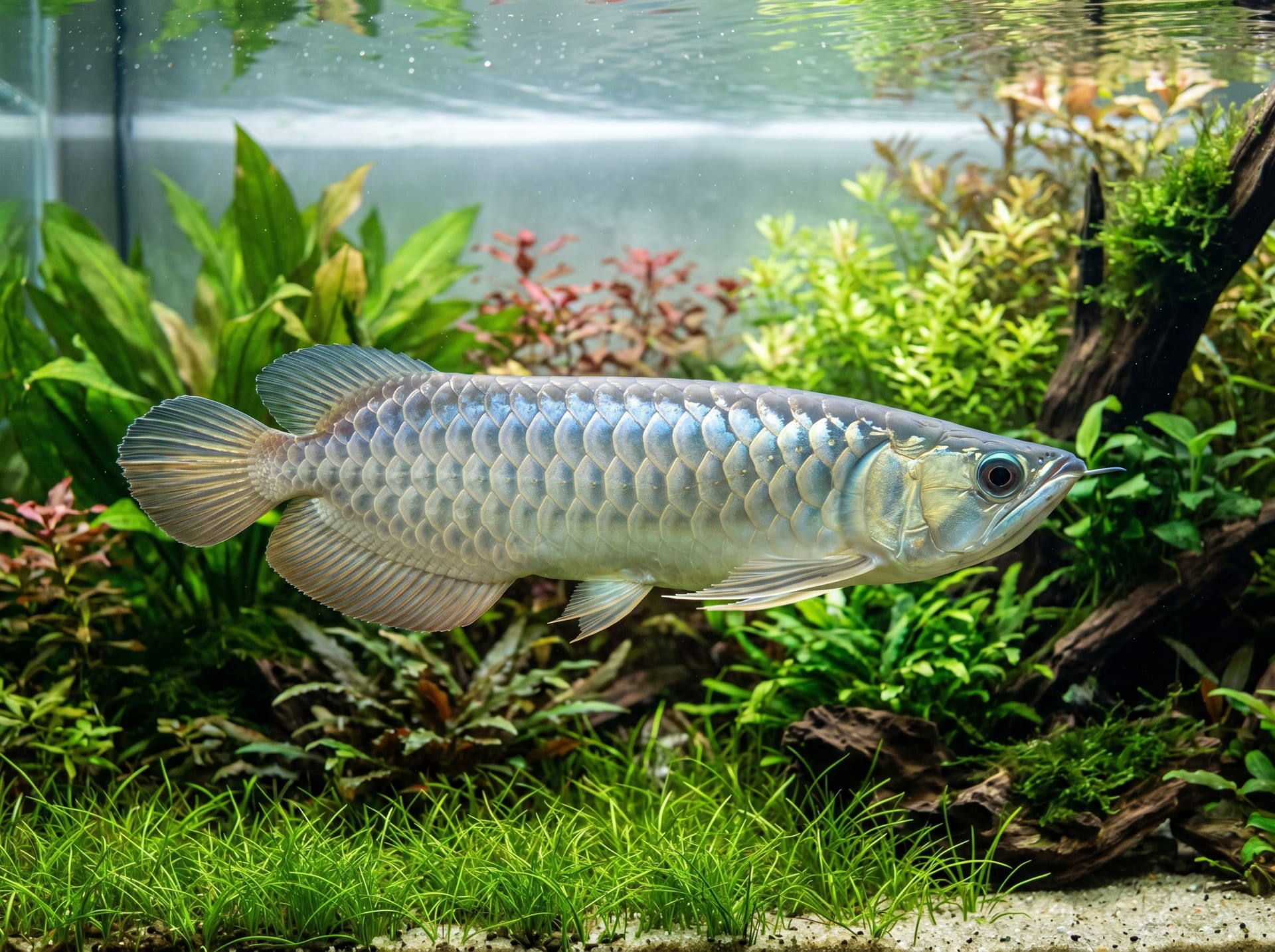
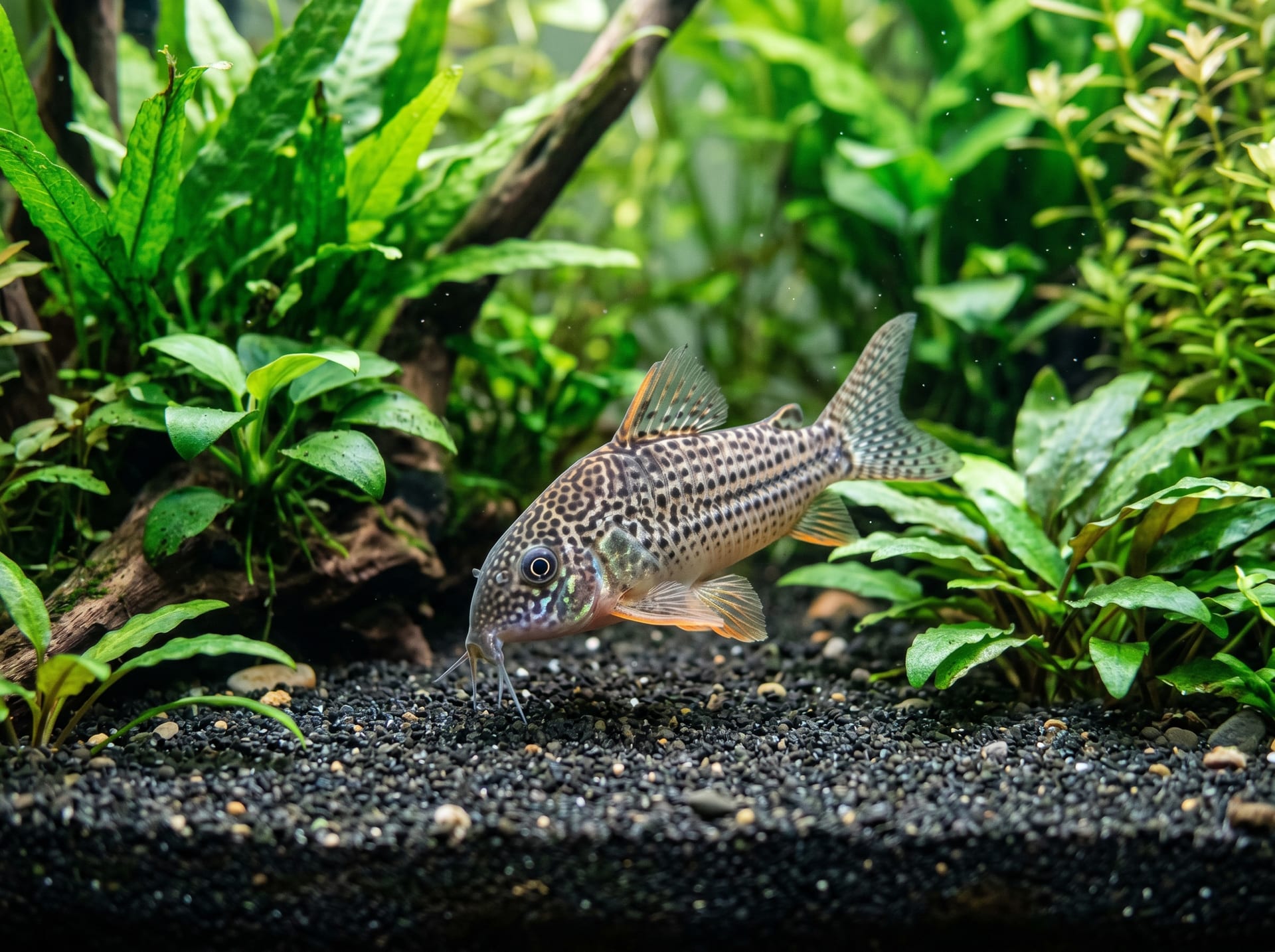
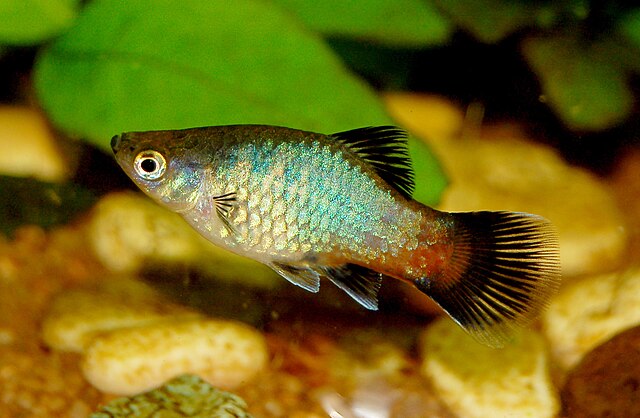
As a general guideline, if you maintain fish like tetras, corydoras, or platies in an established 60cm+ tank with mature beneficial bacteria, 7–10 days of absence is realistic with proper preparation. In contrast, sensitive species like bettas (kept alone in small tanks), nano tanks (20L or less), arowanas, and large fish have a safer limit of 2–3 days.
In essence, achieving a "fish-safe absence" requires three key pillars: ① automating feeding, ② maintaining stable water temperature, and ③ maintaining water level (preventing evaporation).
Choosing an Auto-Feeder and Setup Tips
Auto-feeders are the most critical equipment for leaving your tank unattended. The two main types are drum rotation and belt conveyor models. Drum-style feeders handle pellets, granules, and flakes with fine portion control. Belt-style feeders work better for sheet-form foods like freeze-dried bloodworms.
Basic Setup Guidelines
- Reduce feeding portions to 50–70% of normal. Since you can't perform water changes while away, uneaten food quickly degrades water quality. Water pollution is more lethal than hunger.
- Feed once or twice daily. Increasing to three or more feedings raises the risk of uneaten food accumulation.
- Test run the feeder for at least a week before departure to verify portion size and drop location. If the food falls from too high, it scatters—keep the feeder opening as close to the water surface as possible.
- Condensation and moisture can jam food hoppers. Replace the feeder's food the day before departure, and choose models with moisture-absorbing packets for peace of mind.
Water Temperature Management: Verifying Heaters and Thermostats
Temperature fluctuations are likely while you're away. In summer, many Japanese homes without air conditioning can exceed 35℃; even with the heater off, water can overheat dangerously. In winter, turning off heating can cause water temperature to plummet.
Checklist
- Double-check your thermostat's set temperature and enable alarm functions for upper and lower limits if available.
- Use a dual-heater setup (main + backup) so that if one fails, temperature won't drop suddenly.
- In summer, run a USB-powered fan-type chiller or room air conditioner on a timer set to maintain minimum temperature.
- On the day of departure, visually check the thermometer to confirm readings are within ±0.5℃ of your target.
Since built-in thermostats have fixed settings, consider adding a separate thermostat unit for extended absences spanning seasons.
Auto Top-Off (ATO) and Evaporation Prevention
Tropical fish tanks lose water to evaporation. In summer, a 60cm tank can lose 1–2L per day; over 10 days, that's nearly 20L. As water level drops, heaters risk running dry, and rising salt and mineral concentrations stress fish.
Option 1: Manual Water Top-Off
Prepare a large bucket of purified or dechlorinated tap water beside the tank and have a trusted person add it roughly once a week.
Option 2: Install an ATO (Auto Top-Off) System
An ATO uses a float or optical sensor to detect water level and automatically top off from a reservoir via pump. Prices range from several thousand to tens of thousands of yen. For absences over 10 days, ensure your reservoir holds at least 20L.
During setup: calibrate the sensor to prevent false triggering, and position it carefully so air bubbles in tubing don't trigger false readings.
Option 3: Use a Tank Cover
Simply covering 80% or more of the water surface with a glass lid cuts evaporation in half. However, avoid complete sealing to ensure adequate oxygen supply.
Lighting Timer Management and Algae Prevention
Lighting management is often overlooked alongside feeders. If lights run 24 hours while you're away, algae blooms explosively and disrupts tank CO₂ balance.
- Set lighting to 8–10 hours per day using a timer outlet for automatic control.
- If your tank sits in direct sunlight, use blackout curtains.
- Add high-quality activated carbon to your filter before leaving to reduce organic waste and excess nutrients.
Emergency Communication and Securing a Trusted Support Person
No matter how well-equipped your setup is, unexpected equipment failures or power outages can't be prevented. For absences over 10 days, strongly consider designating a trusted person as an "emergency contact and tank support person."
Information to Brief Your Support Person On
- Check the thermometer daily or every two days.
- Verify the heater light is on.
- Confirm the feeder is dispensing food.
- Top off water only if the level drops significantly (leave written instructions for amount and method).
- Contact you immediately if fish are gasping at the surface or showing obvious distress like lying sideways.
Don't ask for complicated tasks—keep it simple: "observe, verify, and report" only.
Finding Travel-Ready Equipment on BreederDirect
BreederDirect sellers offer not just tropical fish but also equipment expertise. Asking about auto-feeders, ATOs, and digital thermostats can yield advice based on extensive breeding experience.
Seller profiles and product descriptions also provide practical tips for choosing hardy species suited to extended absences. Use BreederDirect's seller community from the preparation stage onward.