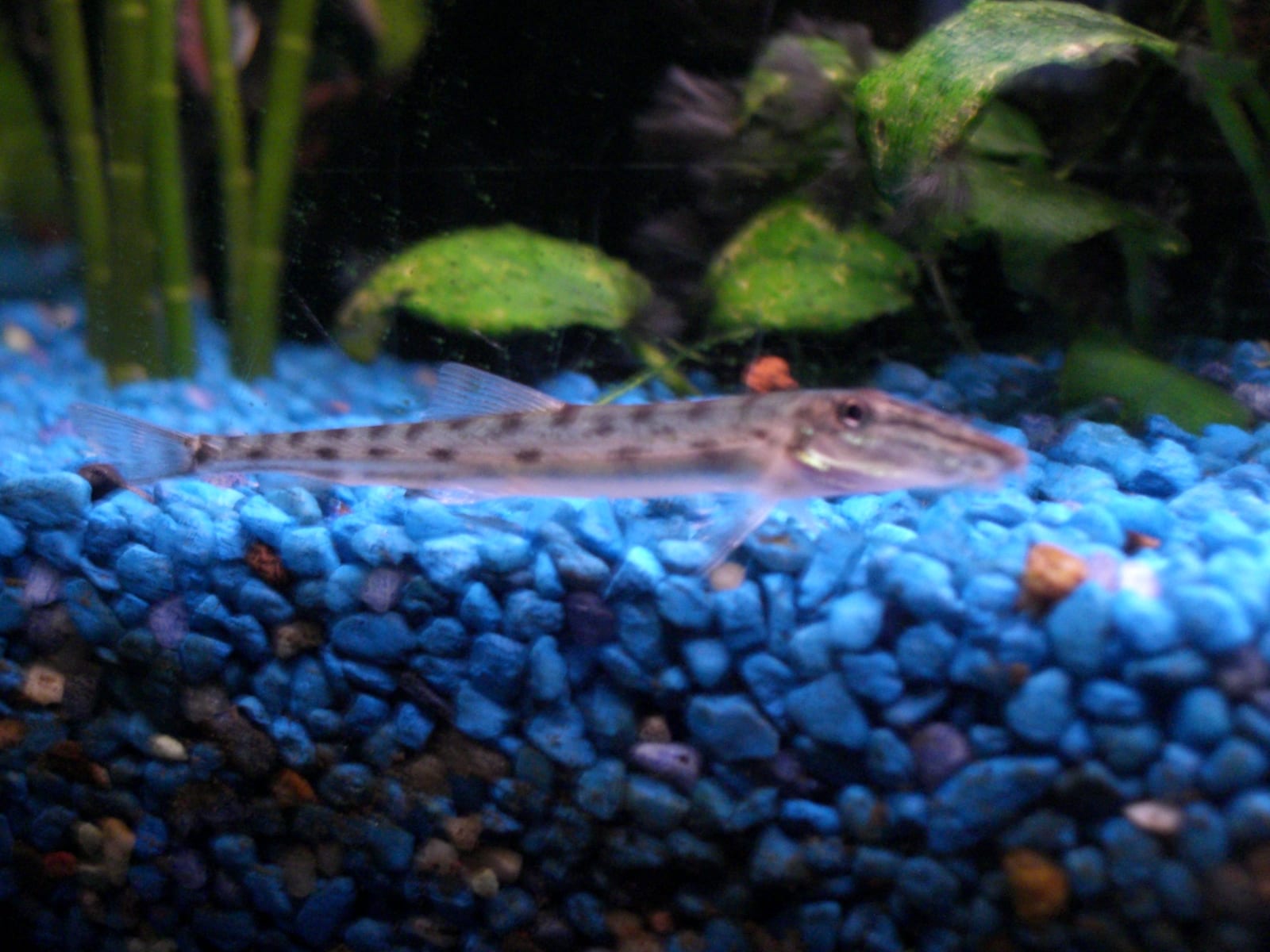
 © Drachenschwertträger36 / CC BY-SA 2.0 de
Horseface loach
The horseface loach is a slender loach that lives on sandy river bottoms in Southeast Asia. Its name comes from the long, horse-like snout, and it is often seen buried in the sand with only its eyes showing. It is generally calm, and its habit of gliding through the substrate is a big part of its charm. It grows to over 20 cm, with a maximum standard length of 25 cm, so it needs a roomy tank. Rated as suitable for intermediate keepers, it suits people who can provide a sandy bottom and stable water quality. Reliable lifespan data is scarce, but with good care it is said to live a long time.
View Horseface loach encyclopedia →0% commission on your first sales!Register by September 30, 2026 and your first 2 sales are commission-free!
Breeder Wanted!
List on BreederDirect and sell directly to customers nationwide!
Our 6 Transparency Commitments
All Tropical Fish listings include water quality, temperament, and tank size information from verified Breeder.
- Origin Disclosed
- Real Photos
- Water Quality Disclosed
- Recommended Tank Size
- Temperament Disclosed
- Breed Line Disclosed
Browse all 341 breeds
Water Type
Care Level
Verified breeders wanted for Tropical Fish
Breeders are signing up now ahead of launch. Subscribe to be notified when new listings go live.
Getting alerts is free with a member account. When new listings match your saved search, we'll notify you by email and in-app.
Browse other categories
Verified breeders (preview)
Are you raising tropical fish?
Register as a breeder and connect with buyers directly.
Apply as a breederHorseface loach key facts
- Care level
- Intermediate
- Lifespan
- Few reliable data (regarded as long-lived when kept properly)
- Size
- Up to 25 cm SL (FishBase)
- Temperature
- 25〜28℃
- Diet
- Mainly carnivorous (sinking prepared foods, frozen and live foods)
- Water Temperature & Quality
- 25-28°C, pH 6.0-6.5, up to 10 dH (FishBase). A river fish that needs high oxygen and clean water; weekly changes of 30-50% are recommended.
- Aquarium
- It burrows, so soft, fine sand is essential; coarse gravel injures it and hinders feeding. It grows beyond 20 cm, so use a long tank and set wood and rocks before adding sand so digging cannot topple them.
- Tank Mates & Compatibility
- Pairs well with upper-water fish such as rasboras and danios. Keep one, or ideally six or more; squabbles happen but injuries are rare.
- Diet & Feeding
- Sifts sand for insect larvae and small crustaceans. Feed sinking prepared foods plus frozen or live Artemia, Daphnia and bloodworm.
- Breeding & Egg-laying
- Captive breeding has not been recorded.
- Health & Cautions
- Fish sold as A. choirorhynchos may include more than one species, and recommended temperatures vary between sources, so check the seller's water temperature.
About Horseface loach
Horseface loach: a slender Southeast Asian loach with a long, horse-like snout that buries itself in sand. It reaches a maximum standard length of 25 cm and is rated for intermediate keepers.
7 things to know before welcoming a Horseface loach
1Sandy substrate
This loach burrows, so lay a fairly deep bed of fine, smooth sand. Coarse or sharp gravel can injure the body and mouth area, so it is best avoided.
2Adult size
It grows to over 20 cm, with a maximum standard length of 25 cm. Even if it is small when you bring it home, plan for a tank with a large floor area.
3Temperament
It is a calm fish and does not pair well with aggressive species or those that compete for the bottom. If harassed, it may stay buried and rarely come out, so keep it with peaceful tank mates.
4Burying is normal
Sitting buried with only the eyes showing is natural behavior for this fish. If it stays hidden for a long time or looks thinner, check the water quality and whether it is eating.
5Feeding
It forages along the bottom, so sinking foods suit it well. Watch that other fish are not eating everything first. Uneaten food can get lost in the sand and foul the water, so feed modestly.
6Water and medication
Loaches can be sensitive to sudden water changes and to some medications. Change water gradually, and check the label for suitability and precautions before using any treatment.
7Escape-proofing
With its long, slim body, it can slip out through small gaps around pipes and cables. Fit a secure lid and close any openings before bringing it home.
Frequently asked questions about Horseface loach
- Q.Can beginners keep horseface loaches?
- A.It is rated for intermediate keepers. It needs a sandy bottom, stable water quality, and a roomy tank, so some experience with other fish first is reassuring.
- Q.How large do they get?
- A.They grow to over 20 cm, with a maximum standard length of 25 cm according to FishBase. Because of their long, slim bodies, choose a tank with plenty of floor area.
- Q.How long do they live?
- A.Reliable data on lifespan is limited, so no firm figure can be given. With proper care they are said to live a long time, so be ready for a long-term commitment.
- Q.Mine stays buried in the sand. Is that OK?
- A.Burying itself with only the eyes showing is natural for this fish and is not a concern by itself. If it stays hidden for a long time and looks thinner, check the water quality and its feeding.
- Q.Can I keep it with other fish?
- A.Since it is calm, keeping it with other peaceful fish is the basic approach. It is safer to avoid aggressive fish and those that compete for the bottom.
Useful tools for Horseface loach care
Learn more about Horseface loach in the encyclopedia
View Horseface loach encyclopedia entry →
Care difficulty, lifespan, size and diet — all basics covered.
More in this category
Can't find the one you're looking for?
Post your wishes for free and breeders with matching animals will contact you with introductions.