Source: Wikimedia Commons
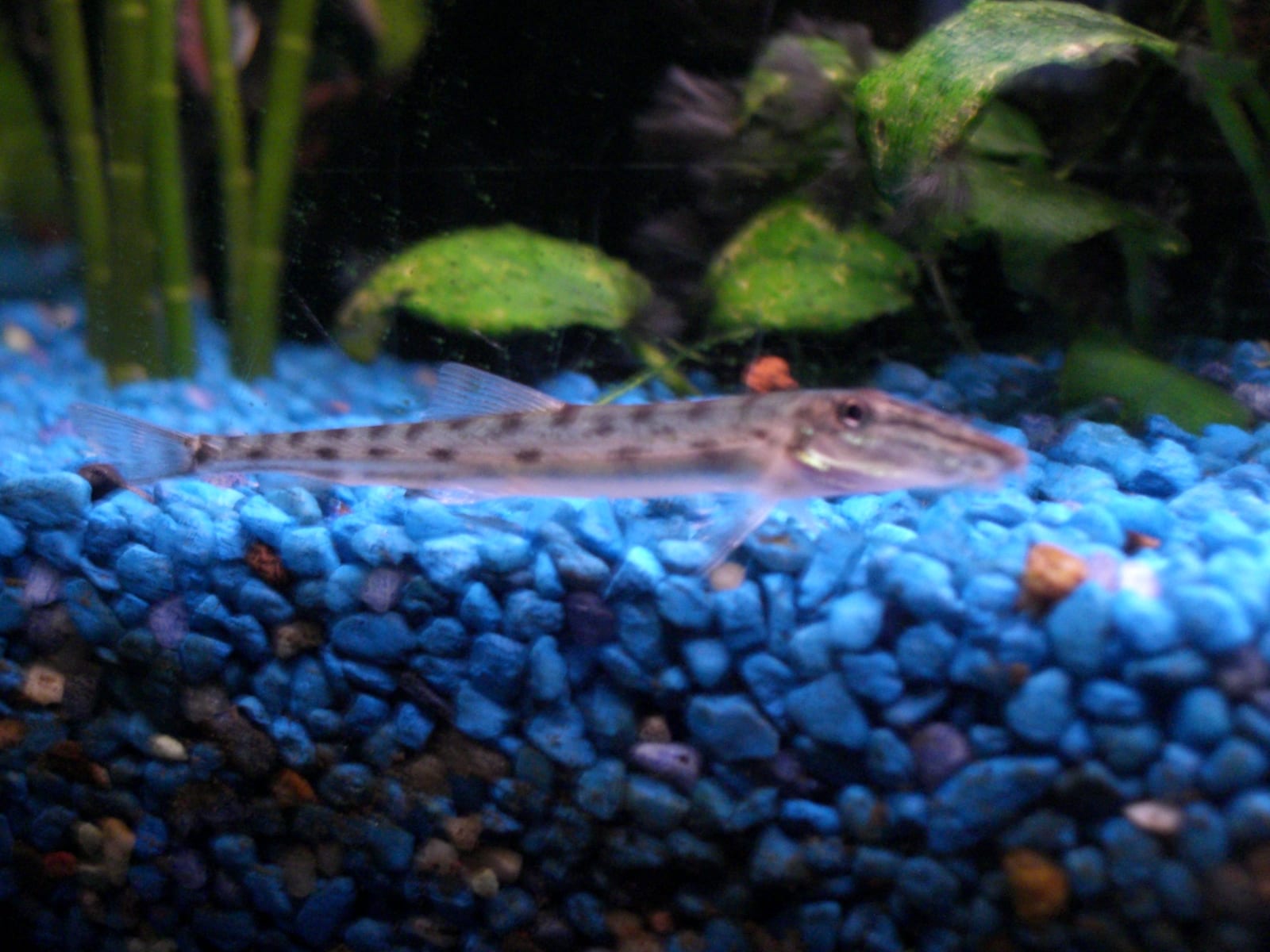
Horseface loach
IntermediateAcantopsis dialuzona
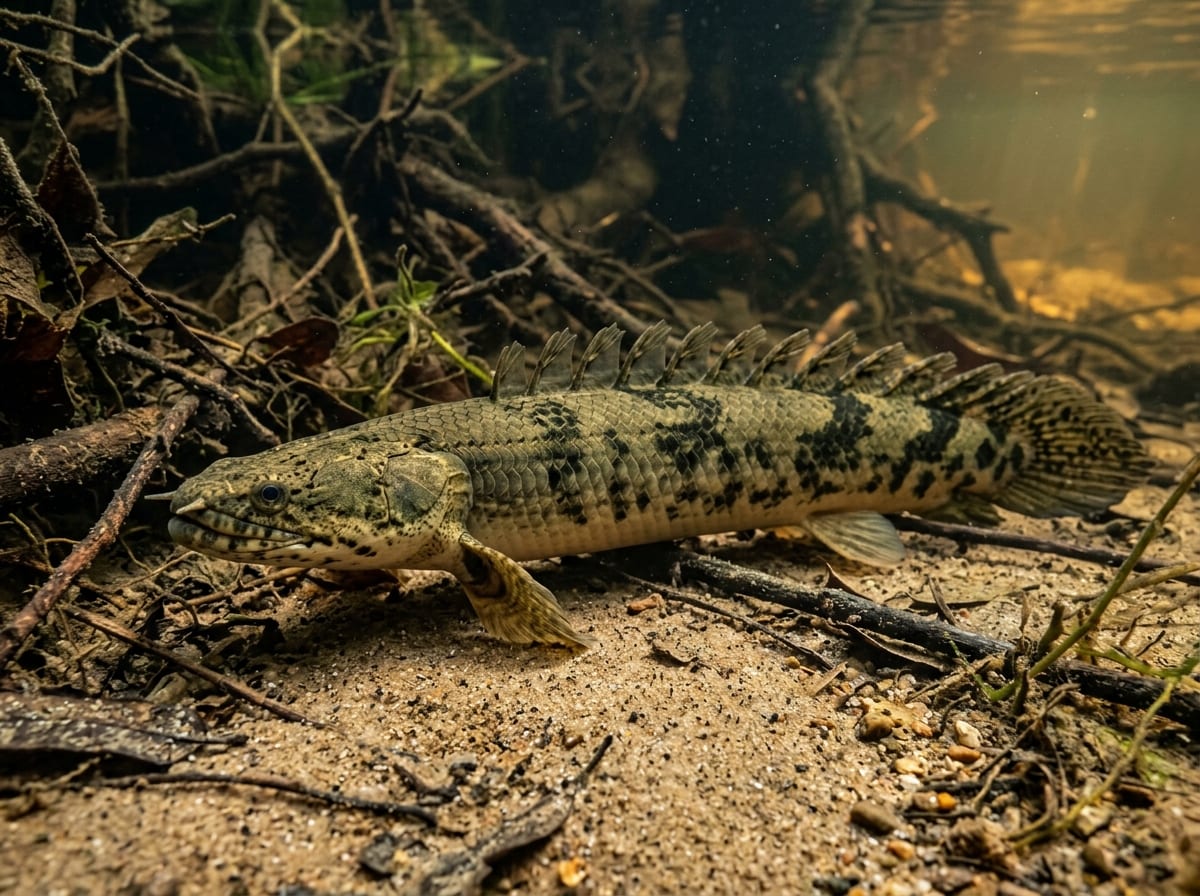
A slender loach from sandy Southeast Asian rivers, named for its long, horse-like snout. It often buries itself with only its eyes showing and can exceed 20 cm.
Difficulty
Intermediate
Temperature
25〜28℃
Size
Up to 25 cm SL
Diet
Mainly carnivorous (sinking prepared foods, frozen and live foods)
About
The horseface loach, Acantopsis dialuzona, is a cobitid found in Java, Borneo, Sumatra and the Malay Peninsula north to southern Thailand (FishBase). The long-used trade name Acantopsis choirorhynchos is treated by GBIF as a synonym of this species. It reaches 25 cm SL. It lives over sand or fine gravel in clear, fast rivers, sifting mouthfuls of substrate through its gills for insect larvae and small crustaceans. It spends much time buried with only its eyes showing, so a soft sand bottom is essential. The taxonomy of Acantopsis is poorly studied, and fish in the trade may include more than one species, some undescribed. Juveniles are exported in large numbers, and when kept properly the fish is hardy and long-lived. Juveniles are regularly seen in Japanese aquarium shops.
Source: Wikipedia (CC BY-SA 4.0)
Size of the Horseface loach
The Horseface loach grows to Up to 25 cm SL.
Temperature & humidity for the Horseface loach
The ideal temperature for the Horseface loach is 25〜28℃.
Basic Info
Origin
Southeast Asia (Java, Borneo, Sumatra, Malay Peninsula to southern Thailand)
Size
Up to 25 cm SL
Temperature
25〜28℃
Diet
References & Sources
Edited & verified by: BreederDirect editorial team
The taxonomic, regulatory, and husbandry data on this page are compiled and verified against the authoritative primary sources below.
Primary sources
Taxonomy & Authority
Accepted name: Acantopsis dialuzona Van Hasselt, 1823
Synonyms: Acanthopsis biaculeata Rüppell, 1852, Acanthopsis choerorhynchus (Bleeker, 1854), Acanthopsis choirorhynchos (Bleeker, 1854), Acanthopsis choirorhynchus (Bleeker, 1854), Acantopsis biaculeata Rüppell, 1852, Acantopsis choirorhynchos (Bleeker, 1854), Cobitis choirorhynchos Bleeker, 1854, Cobitis macrorhynchos Bleeker, 1854
Authority databases: GBIF · GBIF · FishBase
Nomenclature follows global taxonomic authority databases.
Regulations & Conservation Status
Not CITES-listedIUCN LC · Least Concern
Not listed in the CITES Appendices (checked on Species+). Not designated under Japan's Invasive Alien Species Act, nor on the Ministry of the Environment's list of invasive alien species. Never release aquarium fish into the wild.
Sources: Species+ (CITES) / FishBase
Regulations may change. Always verify the latest information with the relevant authorities.
Horseface loach Listings
Loading latest listingsFind listings for this species