 © Sergen Tuncer / CC BY 3.0
Smudge spot cory
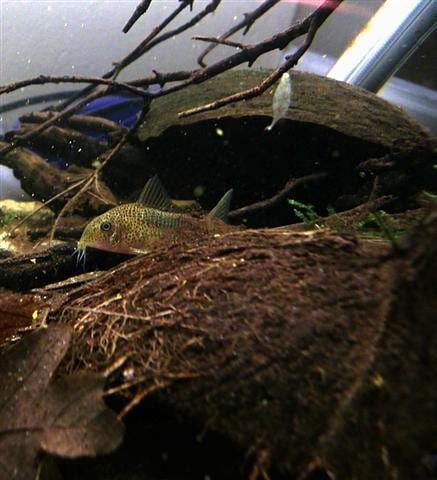
The Smudge spot cory (Corydoras similis) is a small corydoras from the Madeira River system in Brazil. Its pale body is dotted with fine spots, with a dark, blurred smudge near the base of the dorsal fin, giving it a quiet, understated look. It is peaceful, prefers to live in a group, and spends its time sifting around the tank floor with its companions. Growing to a maximum standard length of 3.8 cm (FishBase), it is considered beginner-friendly, and captive-bred fish are widely distributed.
View Smudge spot cory encyclopedia →0% commission on your first sales!Register by September 30, 2026 and your first 2 sales are commission-free!
Breeder Wanted!
List on BreederDirect and sell directly to customers nationwide!
BreederDirect's 6 Transparency Commitments
All Tropical Fish listings include water quality, temperament, and tank size information from verified Breeder.
- Origin Disclosed
- Real Photos
- Water Quality Disclosed
- Recommended Tank Size
- Temperament Disclosed
- Breed Line Disclosed
Browse all 341 breeds
Water Type
Care Level
Verified breeders wanted for Tropical Fish
Breeders are signing up now ahead of launch. Subscribe to be notified when new listings go live.
Getting alerts is free with a member account. When new listings match your saved search, we'll notify you by email and in-app.
Browse other categories
Verified breeders (preview)
Are you raising tropical fish?
Register as a breeder and connect with buyers directly.
Apply as a breederSmudge spot cory key facts
- Care level
- Beginner-friendly
- Lifespan
- Few reliable data
- Size
- Up to 3.8 cm SL (FishBase)
- Temperature
- 22〜26℃
- Diet
- Omnivore (sinking prepared foods, frozen foods)
- Water Temperature & Quality
- 22-26°C, pH 6.0-8.0 (FishBase); Seriously Fish gives 21-27°C, pH 5.6-7.0 and 0-12 dH. Sensitive to deteriorating water, so change water regularly.
- Aquarium
- Use fine, rounded sand and avoid undergravel filters. Keep the substrate clean, as dirty bottoms damage the barbels. Driftwood and leaf litter create a natural setting.
- Tank Mates & Compatibility
- Very peaceful; suits small characins, cyprinids, anabantoids and dwarf cichlids but not large or aggressive fish. Keep six or more for confident, active behaviour.
- Diet & Feeding
- Omnivorous and easy to feed: sinking tablets or pellets as the staple, plus frozen or live Daphnia, Artemia and bloodworm.
- Breeding & Egg-laying
- About two males per female is recommended. When females are full of eggs, a 50-70% change with cooler water is a known spawning trigger; eggs are laid on the glass and other surfaces.
- Health & Cautions
- Because the valid name is now Hoplisoma simile, books and sale listings often show the old name Corydoras similis alongside.
About Smudge spot cory
Smudge spot cory (Corydoras similis): a small, peaceful, schooling corydoras from Brazil's Madeira River system, with fine spots and a dark smudge near the dorsal fin. Up to 3.8 cm standard length and beginner-friendly.
7 things to know before welcoming a Smudge spot cory
1Keep them in a group
The Smudge spot cory is a peaceful fish that prefers company. A single fish may seem uneasy and hide more often, so keeping several together makes it easier to see their natural schooling behavior.
2Floor space matters
With a maximum standard length of 3.8 cm, this is a small fish that spends much of its time near the bottom. When choosing a tank, think about floor area rather than height so that a group has room to roam and settle in comfortably.
3Choose fine substrate
Corydoras use their barbels to search the bottom for food. Fine sand or smooth, rounded substrate is gentler on the barbels and mouth, so it is safest to avoid sharp, jagged gravel.
4Choose calm tank mates
Because it is peaceful, it pairs well with other calm, small fish. Its small size, however, means you should avoid aggressive or large fish, and any fish big enough to swallow it.
5Feed food that sinks
Since it looks for food mainly on the tank floor, sinking prepared foods suit it well. Other fish may finish the food first, so watch to make sure enough reaches the bottom.
6Water changes and daily checks
Fish are more likely to become unwell in dirty water, so regular water changes to keep the tank clean are the basis of good care. If a fish looks listless or stays motionless on the bottom, take it as a cue to review water quality. If you use a fish medication, read the instructions carefully, as precautions differ by product.
7Acclimation and hiding spots
A sudden change of environment is stressful right after arrival, so take your time acclimating the fish to the new water. Adding driftwood or rocks as hiding places can help them settle into the new tank.
Frequently asked questions about Smudge spot cory
- Q.Can beginners keep this fish?
- A.It is rated as beginner-friendly. Basic care such as regular water changes and water quality management is still essential, so set up the tank and let the water settle before bringing the fish home.
- Q.How large does it grow?
- A.It reaches a maximum standard length of 3.8 cm (FishBase). It is small, but plan your tank size around keeping a group.
- Q.Is it okay to keep just one?
- A.This fish prefers company, so keeping several together is recommended. A lone fish may hide more often.
- Q.Can it live with other fish?
- A.Its peaceful nature makes it a good candidate for a tank with other calm, small fish. Because of its size, avoid aggressive fish, large fish, and any fish that could swallow it.
- Q.How long does it live?
- A.There is little reliable information on its lifespan, so no definite figure is known. Observe your fish daily, keep the water clean, and set up the tank with long-term care in mind.
Useful tools for Smudge spot cory care
Learn more about Smudge spot cory in the encyclopedia
View Smudge spot cory encyclopedia entry →
Care difficulty, lifespan, size and diet — all basics covered.
More in this category
Can't find the one you're looking for?
Post your wishes for free and breeders with matching animals will contact you with introductions.