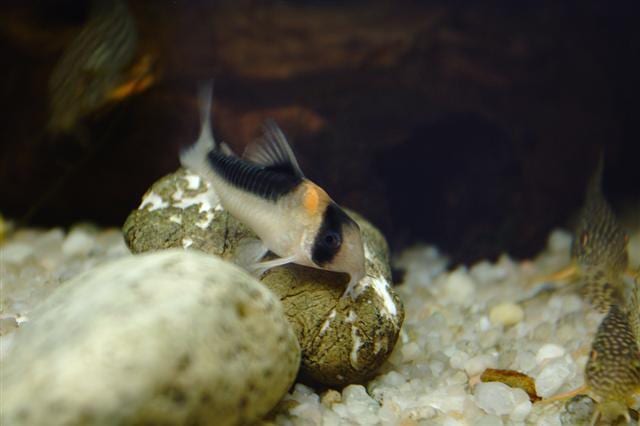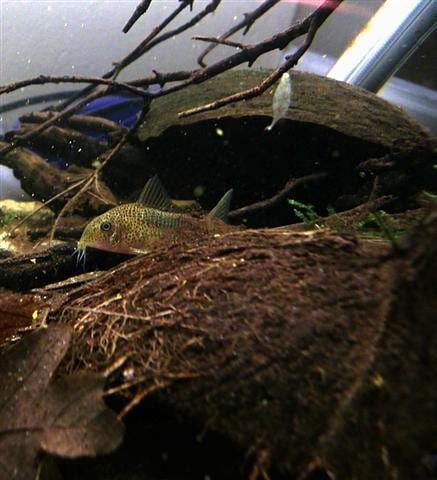
Source: Wikimedia Commons
Smudge spot cory
BeginnerHoplisoma simile
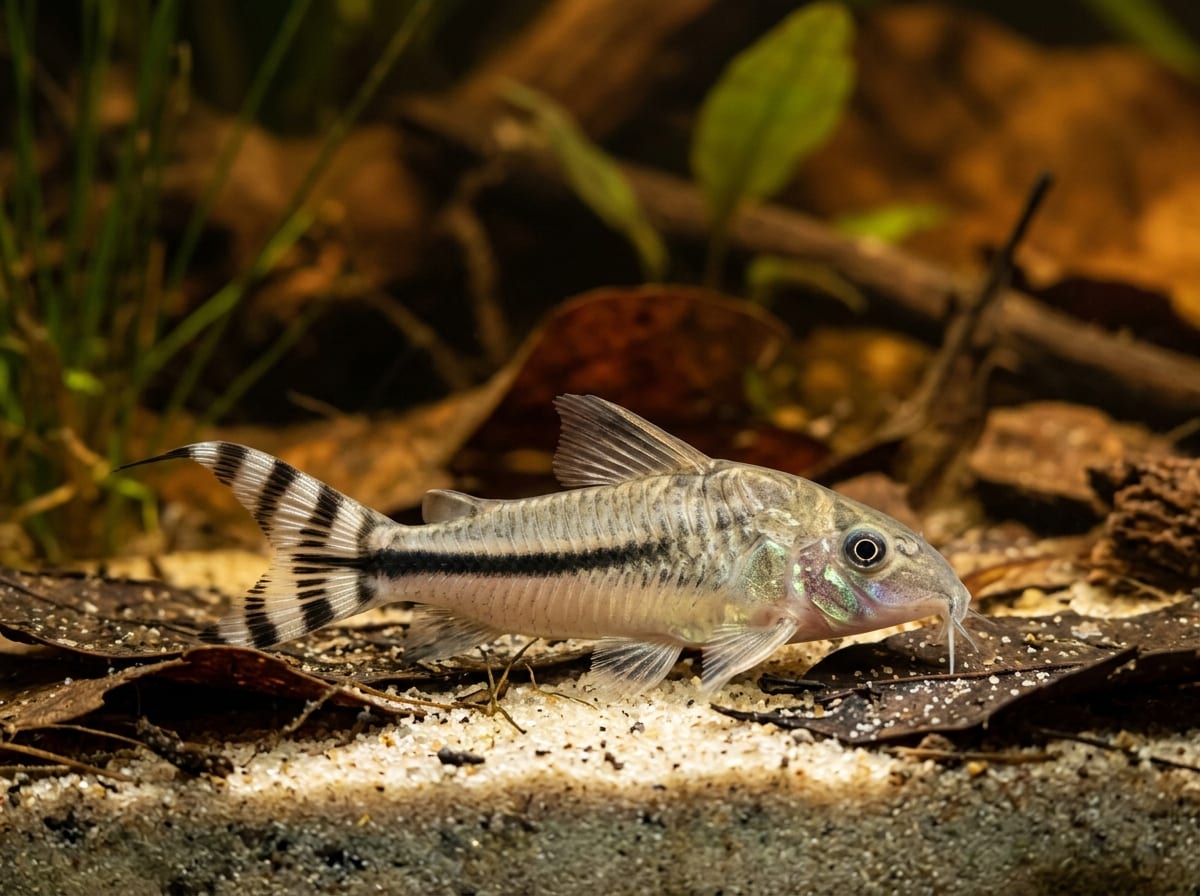
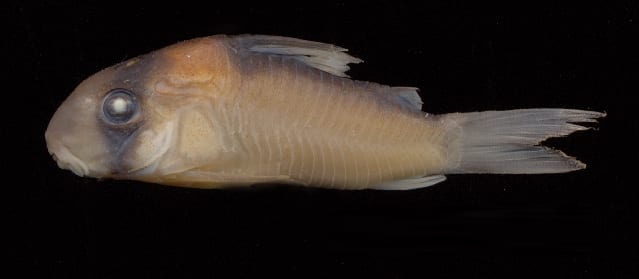
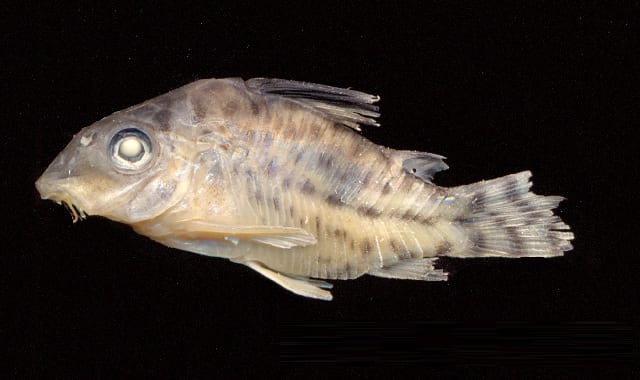
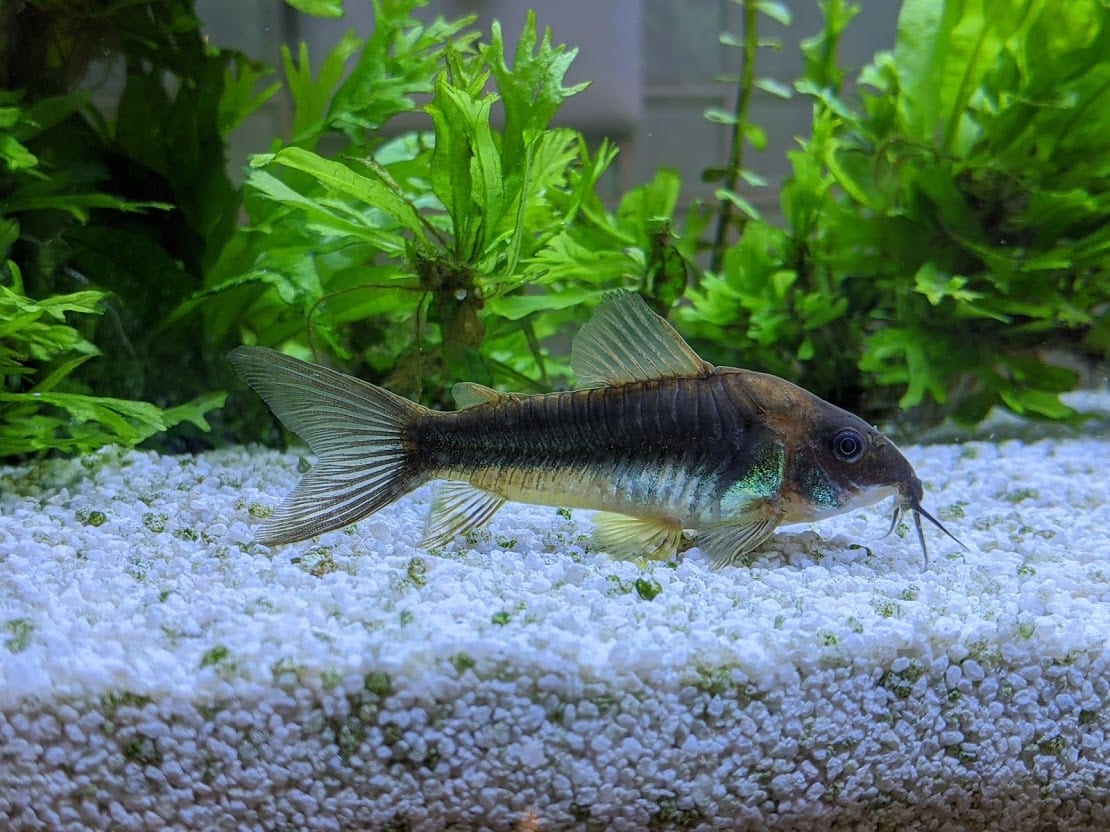
A small cory from Brazil's Madeira basin, pale with fine spots and a dark smudge near the dorsal-fin base. Peaceful and social, with many captive-bred fish in the trade.
Difficulty
Beginner
Temperature
22〜26℃
Lifespan
Few reliable data
Size
Up to 3.8 cm SL (FishBase)
Diet
Omnivore (sinking prepared foods, frozen foods)
About
This cory was long known as Corydoras similis, but a recent revision moved it to Hoplisoma, and FishBase now treats Hoplisoma simile as the valid name; the trade name 'Corydoras similis' comes from the old name. A small callichthyid catfish of the Madeira River basin in Brazil, it lives in small tributaries, creeks, pools and flooded forest and reaches 3.8 cm SL (FishBase). Its English name, smudge spot cory, reflects a pale body with fine spots and a dark smudge near the dorsal-fin base. It can gulp air for intestinal breathing and occasionally dashes to the surface. Peaceful and social, it suits most communities of small peaceful fish. Its barbels are easily damaged on dirty substrate, so keeping the bottom clean matters. It breeds like other corys, and captive-bred fish are widely available in Japan.
Source: Wikipedia (CC BY-SA 4.0)
Size of the Smudge spot cory
The Smudge spot cory grows to Up to 3.8 cm SL (FishBase).
Temperature & humidity for the Smudge spot cory
The ideal temperature for the Smudge spot cory is 22〜26℃.
Basic Info
Origin
South America (Madeira River basin, Brazil)
Lifespan
Few reliable data
Size
Up to 3.8 cm SL (FishBase)
Temperature
22〜26℃
References & Sources
Edited & verified by: BreederDirect editorial team
The taxonomic, regulatory, and husbandry data on this page are compiled and verified against the authoritative primary sources below.
Primary sources
Taxonomy & Authority
Regulations & Conservation Status
Not CITES-listedIUCN LC · Least Concern
Not listed in the CITES Appendices (checked on Species+). Not designated under Japan's Invasive Alien Species Act, nor on the Ministry of the Environment's list of invasive alien species. Never release aquarium fish into the wild.
Sources: Species+ (CITES) / FishBase
Regulations may change. Always verify the latest information with the relevant authorities.
Smudge spot cory Listings
Loading latest listingsFind listings for this species