【Complete Comparison】Corydoras vs Otocinclus: Differences in Care Difficulty, Costs, and Features
Compare the roles, care difficulty, and compatibility of Corydoras and Otocinclus. Which is the better tank cleaner?
Key Takeaways
Compare the roles, care difficulty, and compatibility of Corydoras and Otocinclus. Which is the better tank cleaner?
Related Species
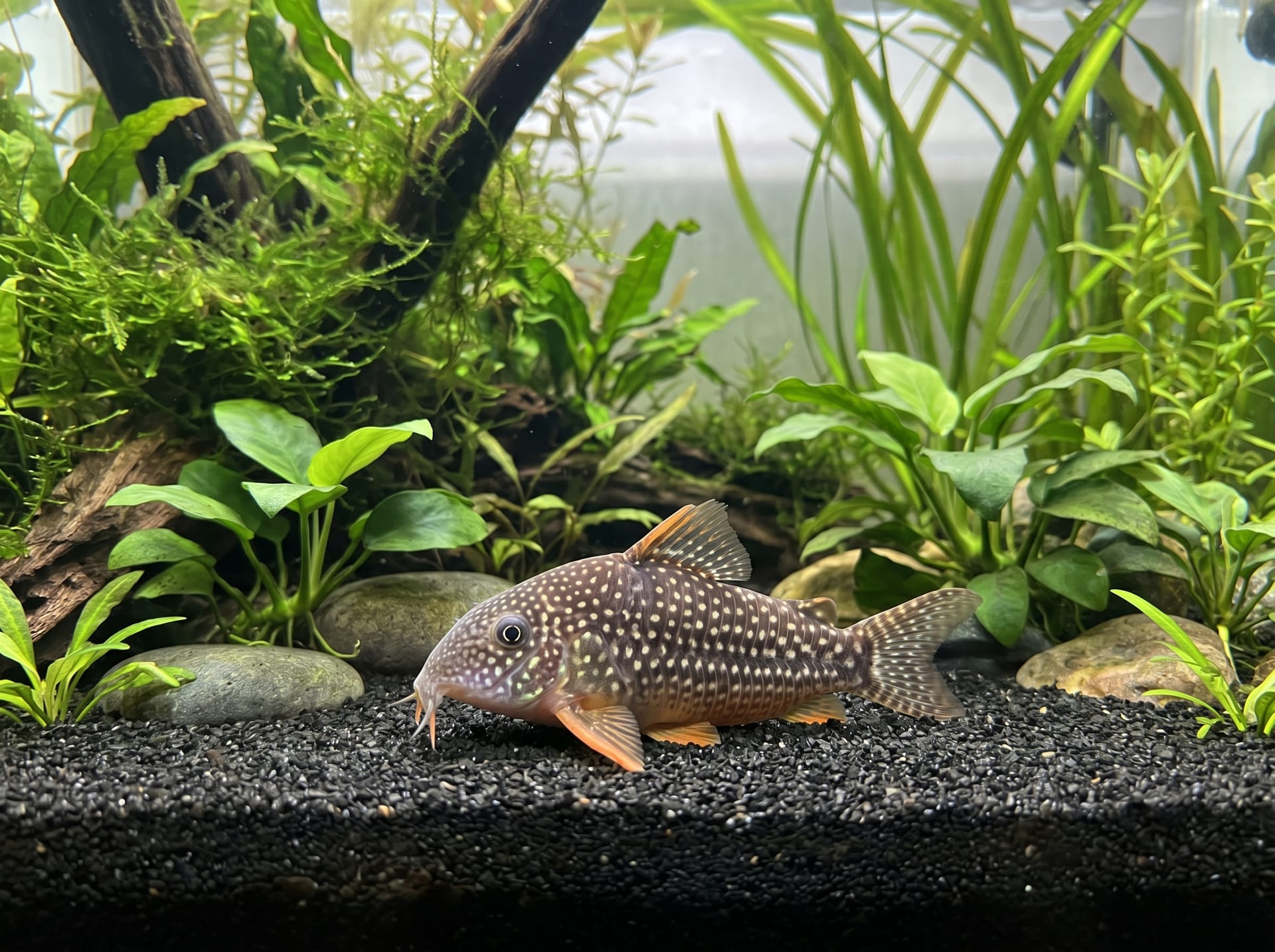
The Unsung Heroes of Your Tank: A Complete Comparison of Corydoras and Otocinclus
Whether you're a beginner just setting up your first aquarium or a veteran who's enjoyed the hobby for years, when searching for a "cleanup crew" fish to welcome into your tank, two names immediately come to mind: Corydoras and Otocinclus. Both species are gentle in temperament, mix well with other fish, and are widely appreciated as practical inhabitants that remove algae and leftover food. They're trusted by aquarists everywhere.
However, while these two species share the role of "cleaning fish," the specific type of cleaning they excel at and the care considerations are entirely different. For those wondering which to choose, we'll conduct a thorough comparison from every angle—from ecology and care environment to ease of maintenance and aesthetic value.
The Basic Profiles of Corydoras and Otocinclus
What is Corydoras?
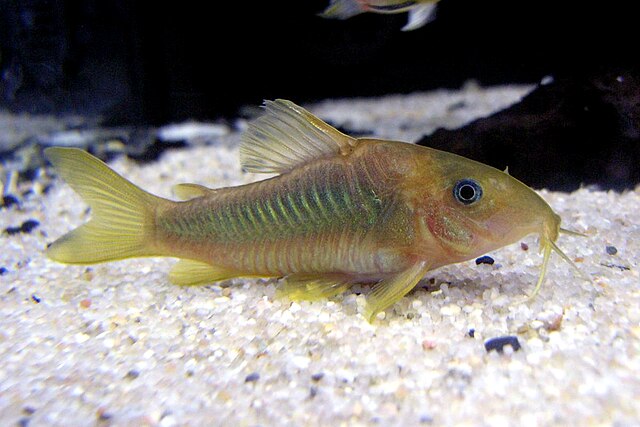
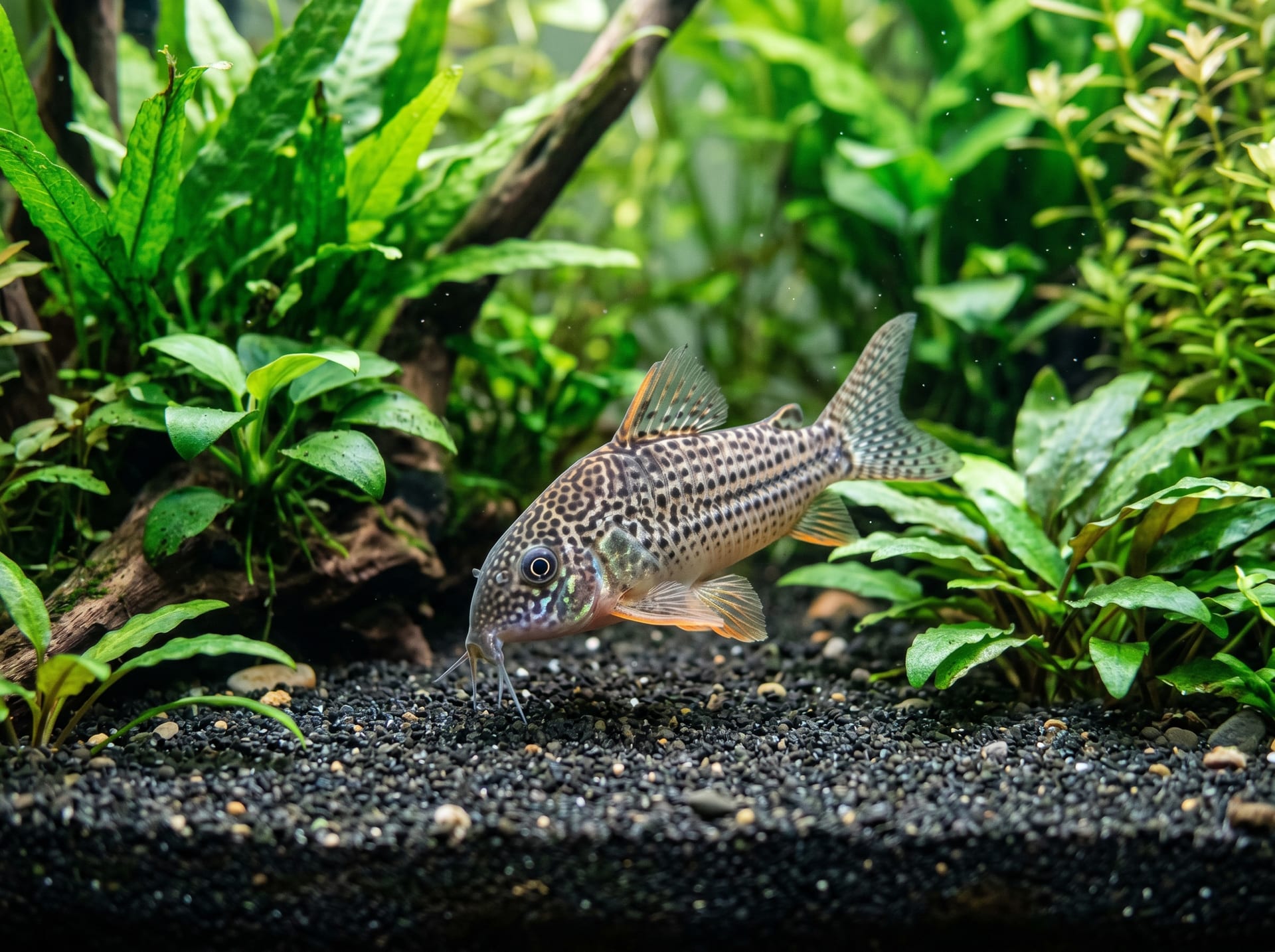
Corydoras are catfish native to South America, with over 200 confirmed species currently known. Body length varies by species, but typically ranges from 3 to 7 cm. Their sides are lined with hard bony plates called scutes, which form an armor-like structure that protects them from predators.
They swim along the tank bottom, adorably sifting through sand and substrate with their mouths to hunt for leftover food—a behavior that makes them extremely popular as ornamental fish. Corydoras are diverse in pattern and coloration, such as Corydoras panda, Corydoras sterbai, and Corydoras adolfoi, making them highly collectible and a favorite among aquarists.
What is Otocinclus?
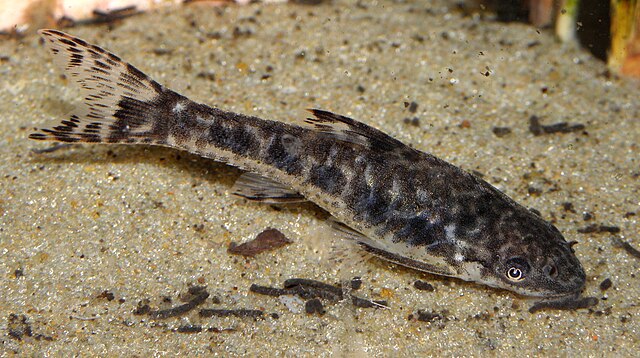
Otocinclus are also South American catfish, but unlike Corydoras, their mouths function as suckers. Using these suckers, they cling to glass panes, plant leaves, driftwood, and other surfaces, scraping off and eating algae. With a slender body just 3 to 5 cm long and a transparent appearance with distinctive movement patterns, they're an endearing species.
They're especially effective at removing brown diatom algae, and are often introduced into newly established tanks prone to this type of algae bloom.
Differences in Role: Bottom Cleaning vs Algae Removal
Corydoras and Otocinclus have distinctly different "places" and "targets" for their cleaning duties.
Role of Corydoras: Uneaten Food Processing
Corydoras primarily eat leftover food that falls to the substrate. They scavenge on flake food and pellets that other fish have abandoned, helping to slow the deterioration of the substrate. They prefer sandy bottoms (such as fine-grained quality sand) and can be observed scooping up and eating with characteristic mouth movements.
However, Corydoras are not "all-purpose cleaners" that will get rid of every bit of uneaten food. In overstocked tanks or those where overfeeding occurs, they won't be able to keep up, so water changes and substrate cleaning remain necessary.
Role of Otocinclus: Algae Removal from Glass and Leaves
Otocinclus don't eat from the substrate; instead, they consume algae attached to the surface of glass panes, plant leaves, rocks, and driftwood. They excel particularly at dealing with brown diatom algae, which commonly appears early in tank establishment, with many reports of glass becoming clear within just a few days.
However, they're less effective against green algae or black beard algae, and may not be able to handle all algae types. It's best to think of them as "diatom specialists."
Care Comparison: Difficulty, Environment, and Feeding Tips
| Item | Corydoras | Otocinclus |
|---|---|---|
| Body Length | 3–7 cm | 3–5 cm |
| Lifespan | 5–10 years | 3–5 years |
| Care Difficulty | ★★☆☆☆ | ★★★☆☆ |
| Price Range | ¥300–5,000 | ¥300–800 |
| Specialty | Bottom substrate debris | Glass & leaf algae |
| Water Temperature | 22–28°C | 22–26°C |
| Compatibility | Excellent | High |
Corydoras Care Tips
- Substrate selection is critical: Using fine-grained, round-edged sand (such as bottom sand or aquatic soil) allows them to display natural behavior without damaging their mouths or barbels. Gravel or large-particle substrates can cause barbel deterioration, so avoid them.
- Keep them in groups: Corydoras have a schooling instinct with their own or closely related species. Groups of 3–5 or more are more active and experience less stress than solitary individuals.
- Provide specialized sinking food: Uneaten food alone won't provide adequate nutrition. Supplement with Corydoras-specific tablet foods (such as Hikari Crest Corydoras) dropped to the substrate.
Otocinclus Care Tips
- Feeding is the biggest challenge: While algae is abundant, this isn't a problem, but as algae decreases, they can starve. Once algae becomes scarce, supplement with vegetables like blanched kombu, spinach, or zucchini slices, or plant-based pleco tablets.
- Pay attention to acclimation during introduction: Many individuals are sensitive to water quality changes and are prone to dying shortly after introduction. It's important to acclimate them slowly using the drip method over 1–2 hours.
- Excellent compatibility with planted tanks: Since they eat algae attached to plant leaves, they're ideal maintenance fish for aquascaped planted tanks.
Which Should You Choose? A Guide by Type
Corydoras are right for you if:
- You enjoy watching the adorable movements of bottom-dwelling fish
- You want a long-term relationship through extended care (they have longer lifespans and can bond with owners)
- You enjoy variety and want to collect different species
- You have a multi-species community tank and are concerned about leftover food on the substrate
Otocinclus are right for you if:
- You want to quickly address brown diatom algae during tank startup
- You want to maintain a beautiful planted aquascape
- You want inhabitants that work quietly in the background without drawing too much attention
- You're willing to invest effort in maintenance if it means solving algae problems at the root
Additionally, since these two species have non-overlapping roles, introducing both simultaneously is highly effective. A division of labor forms where Corydoras handle the substrate while Otocinclus cover glass and plant surfaces, making it easier to maintain overall tank cleanliness. They're compatible with each other and rarely chase or attack one another.
Welcome Your Aquatic Companions Safely with BreederDirect
When purchasing Corydoras or Otocinclus, the shop's management standards and the fish's condition are critically important. Otocinclus in particular are sensitive to transport stress, so obtaining them from a trustworthy seller is essential to reduce the risk of death shortly after introduction.
BreederDirect is a platform where domestic breeders and specialists sell directly. By eliminating middlemen, we minimize stress on the fish while ensuring transparency—seller profiles and ratings are publicly available so you can verify trustworthiness before purchasing.
- Direct from breeders, making it easier to source fresh, healthy individuals
- Direct messaging with sellers lets you confirm care conditions and acclimation status before purchase
- Reviews and ratings systems provide peace of mind, even for first-time buyers
Whether you're searching for rare Corydoras varieties or want to welcome healthy Otocinclus into your tank, BreederDirect is a reliable choice. When in doubt about which fish to select, reach out directly to sellers with your questions. With professional guidance, you'll find the perfect fit for your aquarium.