[Complete Comparison] Guppies vs Platies | Difficulty, Cost & Characteristic Differences
Comparing guppies and platies: breeding rate, colors, tank compatibility, and care difficulty. Which is better for beginners?
![[Complete Comparison] Guppies vs Platies | Difficulty, Cost & Characteristic Differences](https://img.br-choku.com/encyclopedia/6b47829f7e59.jpg)
Key Takeaways
Comparing guppies and platies: breeding rate, colors, tank compatibility, and care difficulty. Which is better for beginners?
Related Species
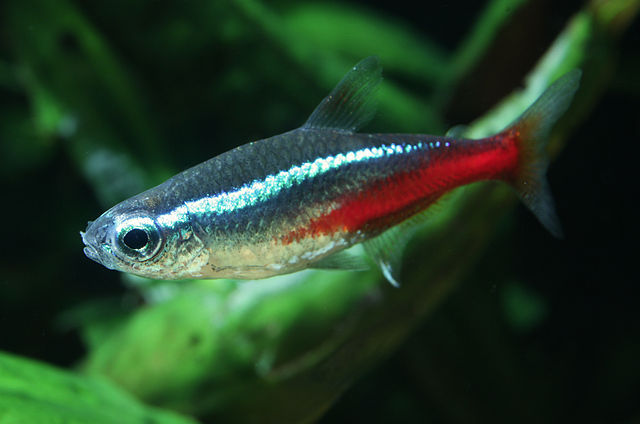
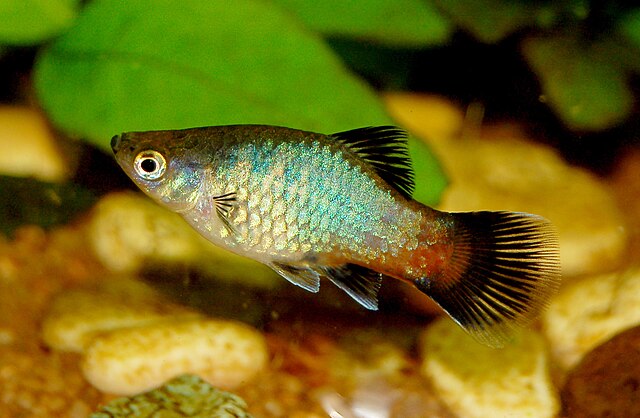
Two species always mentioned as an entry point to tropical fish—guppies and platies. Both belong to the "livebearing fish" family and have long been beloved by aquarium beginners due to their ease of breeding and hardiness. However, many people are unsure which one to choose. In this article, we'll make a thorough comparison of these two species from the perspectives of appearance, temperament, care difficulty, and breeding potential, helping you find the perfect match for your aquarium.
Guppies and Platies: A Quick Overview of the Basics
Guppies (Poecilia reticulata)
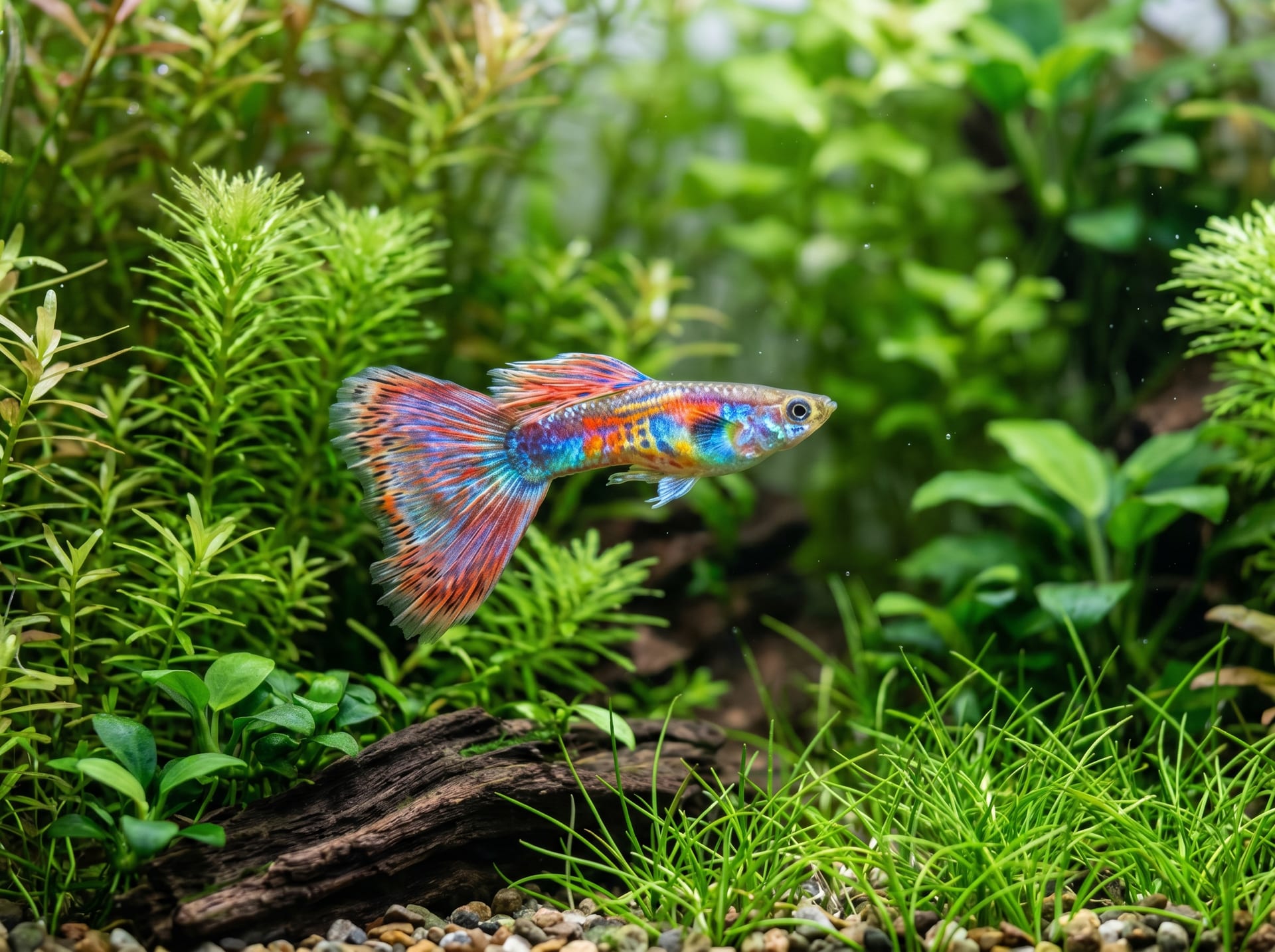
Originating from northern South America to the Caribbean coast, wild guppies have simple coloration, but over 100 years of selective breeding has resulted in hundreds of varieties today. Their most distinctive feature is the male's large, fan-shaped tail fin, with variations ranging from Mosaic and Tuxedo to Ribbon and Double Sword—the possibilities are nearly endless. Males reach about 3–4 cm in length while females grow to about 4–5 cm, making females somewhat larger. Their lifespan is relatively short at 1–2 years, but they have extremely high breeding potential and will produce fry nearly every month under ideal conditions.
Platies (Xiphophorus maculatus)
Native to Mexico and Central America, platies are characterized by their stocky, rounded body shape. They are noticeably larger than guppies, reaching 4–6 cm in length. With a lifespan of 2–3 years, slightly longer than guppies, they have excellent water quality adaptability and are often called "one of the hardiest tropical fish." While color variations like Red, Blue, and Sunset are abundant, they don't rival the diversity of guppies. Known for their peaceful temperament, they're well-suited to community tanks with various other fish species.
Complete Comparison: Key Care Points by Category
| Category | Guppies | Platies |
|---|---|---|
| Size | Males 3–4 cm / Females 4–5 cm | 4–6 cm |
| Lifespan | 1–2 years | 2–3 years |
| Ideal Water Temperature | 22–28°C (72–82°F) | 20–28°C (68–82°F) |
| Ideal pH | 7.0–8.0 (slightly alkaline) | 6.8–8.0 (neutral to slightly alkaline) |
| Breeding Rate | Very high (1–2 times/month) | High (1 time per 2–3 months) |
| Price Range | ¥100–1,000 per pair | ¥100–500 per fish |
| Tank Compatibility | Relatively peaceful | Peaceful and compatible with many species |
| Variety of Breeds | Extremely diverse | Moderate |
Water Quality Management Differences
Guppies prefer slightly alkaline water (pH 7.0–8.0) and thrive in hard water rather than soft. They're sensitive to sudden water chemistry changes, so establishing a weekly partial water change routine (about 1/3 of the tank) is essential. Platies, on the other hand, can adapt to a wide pH range from neutral to slightly alkaline and are relatively tolerant of poor water conditions. In fact, they're often chosen as starter fish (pioneers) when establishing new tanks for the first time.
Breeding Frequency and Fry Management
Once guppies mate, they store sperm internally and can give birth multiple times without further mating. They produce 10–50 fry per birth, and populations can explode in a tank—this is not uncommon. Platies are also livebearers, but their breeding cycle is somewhat more gradual and easier to manage. With both species, parents tend to eat their own fry, so it's important to provide hiding spots for the young using breeding boxes or aquatic plants (such as Java moss).
Tank Compatibility and Layout Considerations
Precautions for Keeping Guppies in Community Tanks
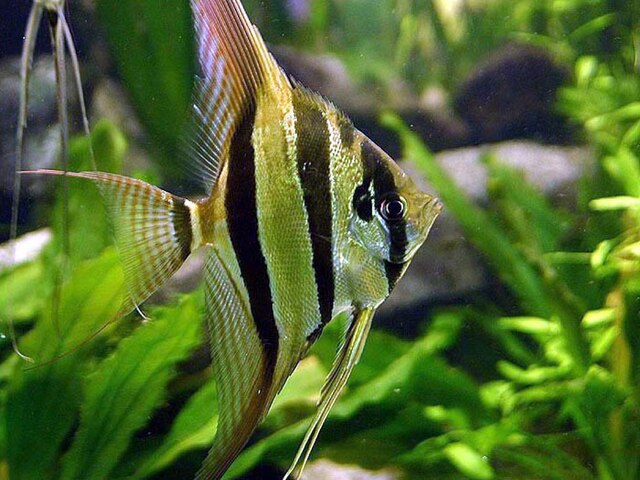
While male guppies are prized for their long, beautiful tail fins, this makes them vulnerable to fin-nipping fish such as Angelfish and Puntius species—cohabitation with these should be avoided. Males may chase each other mildly within the same species, but they're generally peaceful fish. To prevent stress from males pursuing females excessively, it's ideal to maintain a ratio of 1 male to 2–3 females.
Benefits of Keeping Platies in Community Tanks
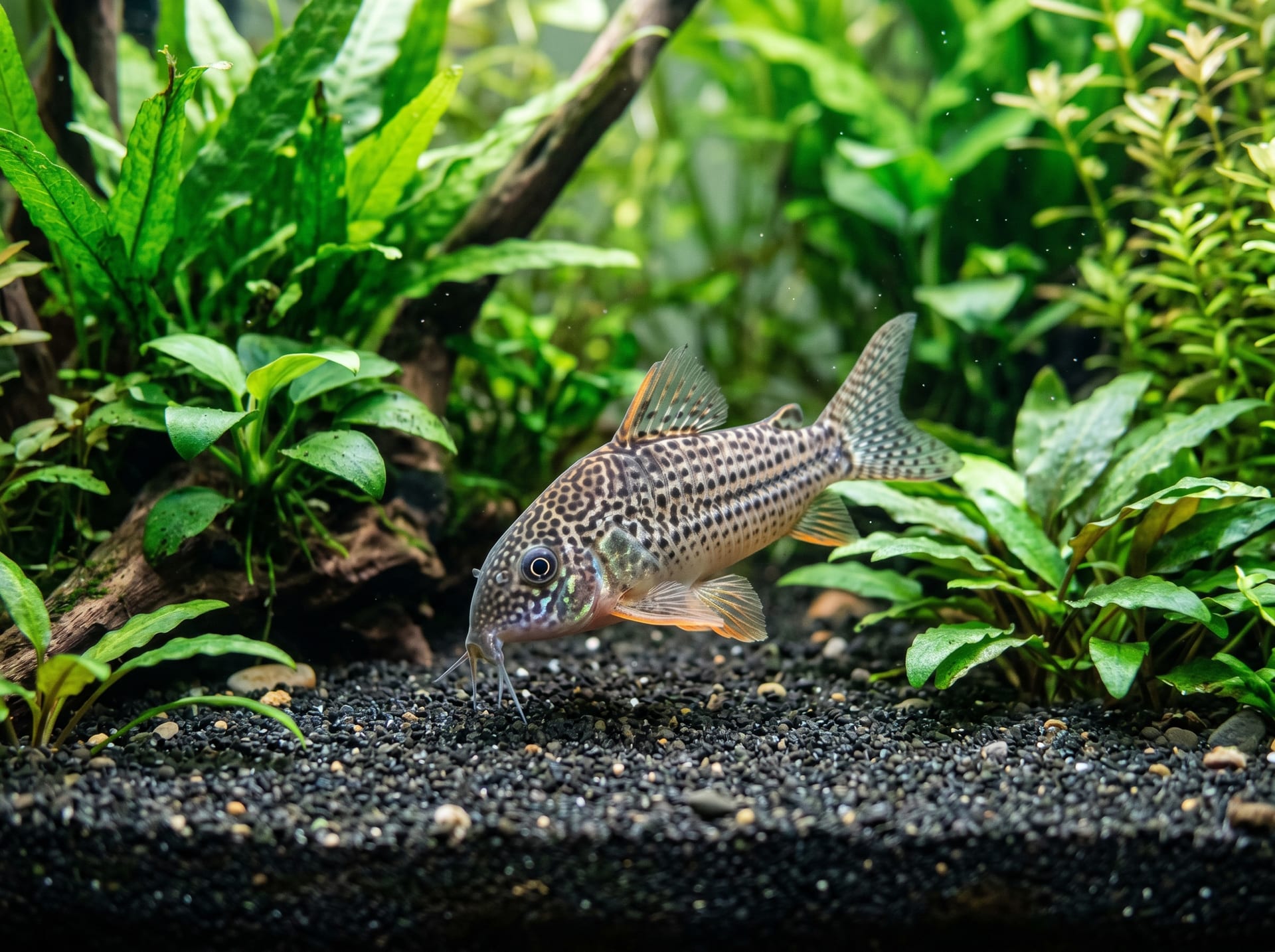
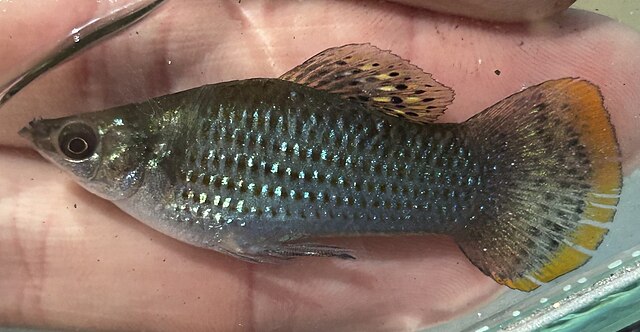
Platies are extremely peaceful and get along well with gentle fish species like Neon Tetras, Corydoras, and Mollies. They also coexist without issue with guppies and can be kept in the same tank. However, since livebearers don't hybridize with each other (guppies and platies belong to different genera), if you want to maintain breed purity, keeping them separately is safer.
Which One Is Right for You? Recommendations by Type
Guppies Are Recommended If You:
- Want to admire beautiful tail fins: With a deep history of selective breeding, guppies offer high collectibility. You can enjoy discovering your own favorite varieties.
- Want to try selective breeding or breeding projects: Breeding is easy, and many hobbyists work on fixing colors and body shapes.
- Want a colorful and vibrant tank: Keeping multiple males creates a stunning, flower-like display.
Note: Due to their high breeding rate, fry populations can explode—it's wise to think ahead about where you'll rehome extra fry.
Platies Are Recommended If You:
- Are keeping tropical fish for the first time and want a hardy species: They're resistant to water quality fluctuations and less prone to disease.
- Want a diverse community tank: Their peaceful nature makes them easy to keep with a variety of other fish.
- Don't want to invest much time in maintenance: Their breeding cycle is slower than guppies', reducing the risk of population explosions.
Summary | Find Your Ideal Fish at BreederDirect
Both guppies and platies are ideal entry-level tropical fish, but each has its own appeal. Choose guppies if you want vibrant colors and diversity, and choose platies if hardiness and compatibility are priorities. Of course, you can also enjoy both species in the same tank, so choose based on your personal preference.
At BreederDirect (BreederDirect), you can purchase guppies and platies raised with care by individual breeders. Rare varieties not found in pet shops and healthy individuals bred with dedication await you. You can ask breeders questions and seek advice before purchasing, giving beginners peace of mind. Start your journey of welcoming new life into your tank with BreederDirect today.