Complete Guide to Keeping Corydoras | Varieties, Substrate, Water Quality, Tank Mates, Breeding
Comprehensive guide to keeping Corydoras, a popular bottom-dwelling tropical fish. Complete guidance on selecting beginner-friendly varieties, choosing substrate, managing water quality properly, compatible tank mates, and breeding methods.
Key Takeaways
Comprehensive guide to keeping Corydoras, a popular bottom-dwelling tropical fish. Complete guidance on selecting beginner-friendly varieties, choosing substrate, managing water quality properly, compatible tank mates, and breeding methods.
Related Species
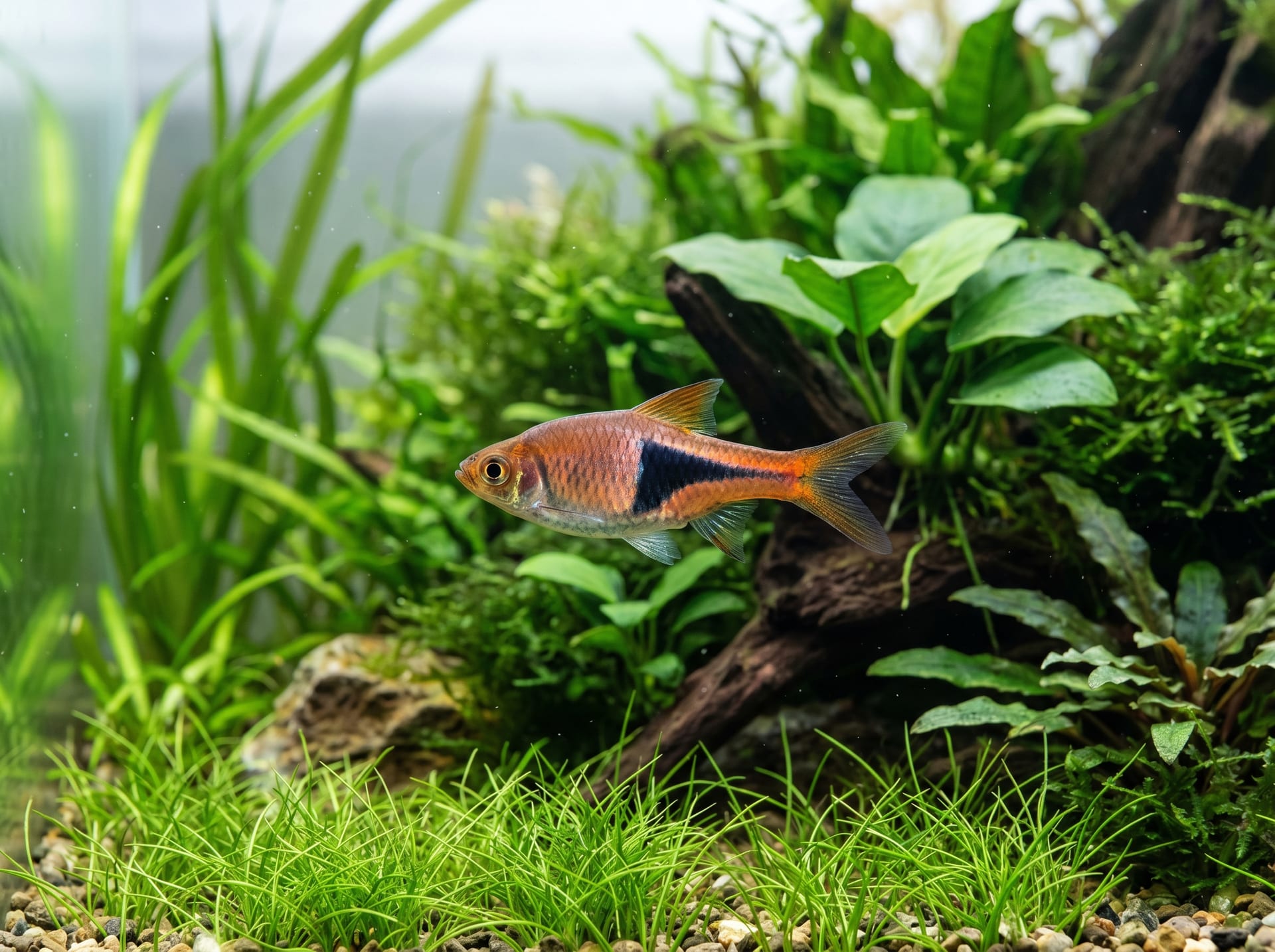
About Corydoras
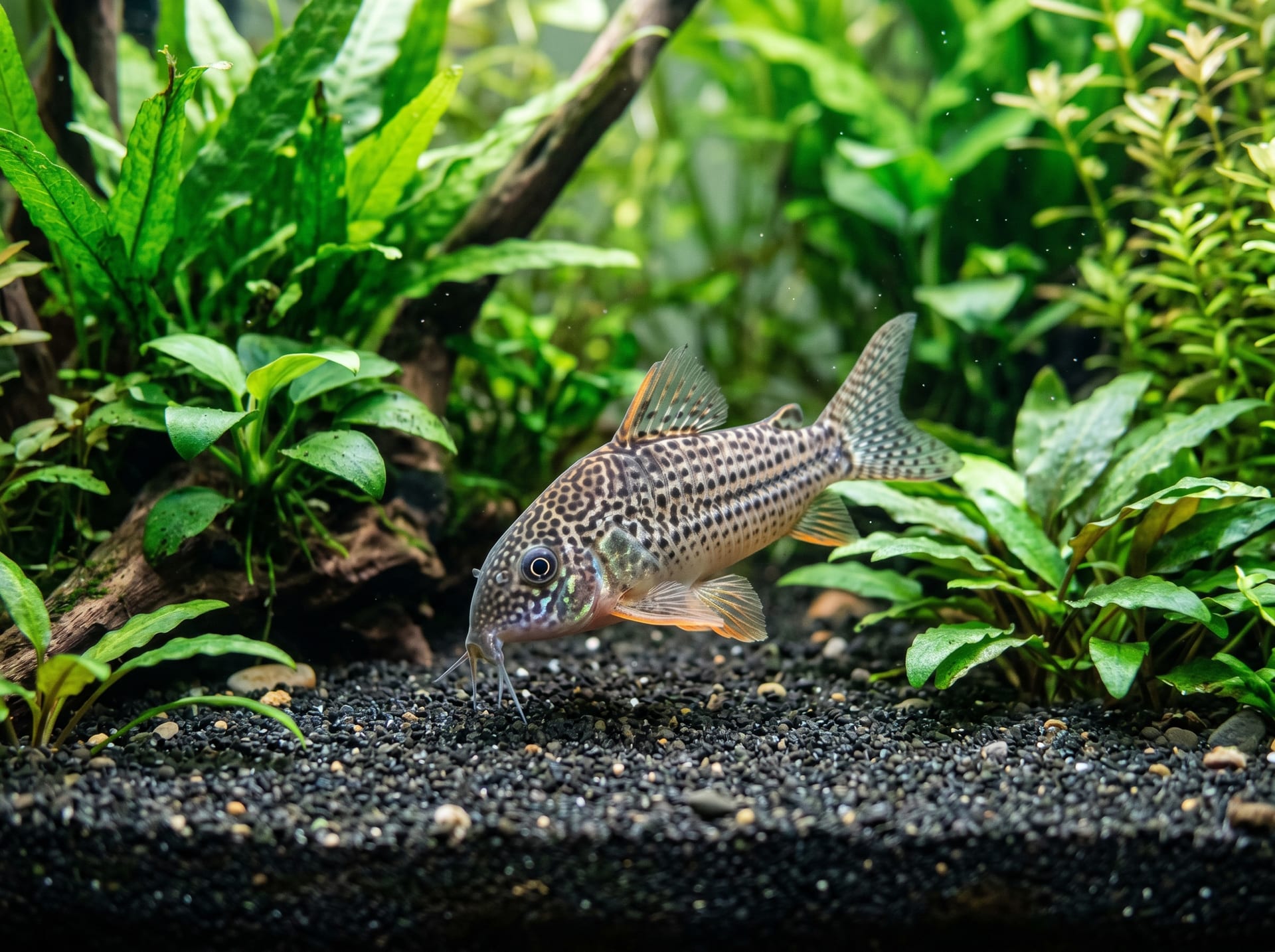
Corydoras are freshwater fish belonging to the family Callichthyidae in the order Siluriformes, with over 160 species confirmed primarily in the Amazon River basin of South America. In the aquarium hobby, they are affectionately called "Cories" and are popular among both beginners and advanced aquarists due to their endearing appearance as they busily move across the substrate and their hardy nature.
The most distinctive features of Corydoras are their schooling behavior and bottom-feeding foraging behavior. They are sometimes called "tank cleaners" because they pick up and eat leftover food that settles on the bottom; however, relying solely on Corydoras for waste cleanup and neglecting water changes is not recommended.
Additionally, Corydoras are unusual fish that perform both gill respiration and intestinal respiration (breathing air from the water surface). Their occasional trips to the water surface are normal behavior and represent one of their unique, observable characteristics.
Recommended Varieties for Beginners
Corydoras paleatus (Blue Corydoras)
Body length: 6–7 cm. Hardy and tolerant of low water temperatures (18–28°C), making it ideal as a beginner's first fish. Also relatively easy to breed.
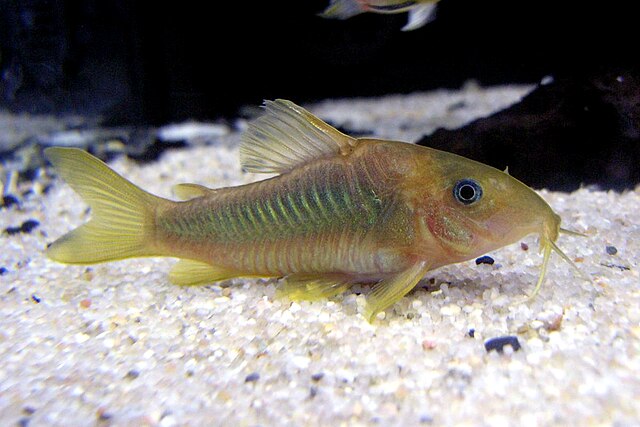
Corydoras aeneus (Red Corydoras)
Body length: 6–7 cm. Just as easy to keep as the Blue Corydoras, with a warmer, reddish body coloration. Widely available in Japan and easy to obtain.
Corydoras sterbai
Body length: 7–8 cm. Features beautiful white spot patterns across the entire body. Prefers slightly higher water temperatures (24–28°C). Requires somewhat more careful water quality management but is one of the most popular Corydoras varieties.
Corydoras panda
Body length: 4–5 cm. Has cute, panda-like black patches around the eyes. Somewhat delicate, requiring careful attention to water quality. Prefers water temperatures of 22–26°C.
Corydoras julii (Schwarzi)
Body length: 5–6 cm. Characterized by black lines and spot patterns. Somewhat delicate, but highly popular among experienced aquarists.
Setting Up the Breeding Environment
Tank Size
| Number of Fish | Recommended Tank |
|---|---|
| 3–5 fish | 30–45 cm (20–30 L) |
| 6–10 fish | 60 cm (60 L or larger) |
| 10–20 fish | 90 cm or larger |
Corydoras are schooling fish. Keep at least 3 or more to minimize stress and observe natural behavior. Kept alone, they tend to hide and may have difficulty feeding.
Substrate Selection (Most Critical Point)
Substrate selection is extremely important for Corydoras. They use their barbels to dig through the substrate while foraging, so you must choose fine sand that won't damage their barbels.
Recommended Substrates:
- Tahitian sand: Has no sharp edges and is most suitable for Corydoras. Easy to obtain in Japan.
- Bottom sand: Uniform grain size and easy to manage.
- Fine river sand: Provides a natural appearance.
Substrates to Avoid:
- Large-grain volcanic sand (grains are too large and have sharp edges)
- Gravel (causes barbel damage)
- Ceramic substrates (avoid those with sharp edges)
A substrate depth of 2–3 cm is easiest to manage; deeper substrate can create anaerobic zones and deteriorate water quality.
Water Quality and Temperature
| Parameter | Recommended Value |
|---|---|
| Water Temperature | 22–26°C (varies by species) |
| pH | 6.0–7.5 |
| Hardness | Soft to moderately hard water (GH 2–12) |
| Ammonia | 0 mg/L |
| Nitrite | 0 mg/L |
| Nitrate | Target below 20 mg/L |
While Corydoras are relatively hardy, they are sensitive to ammonia and nitrite. Special care is required in newly established tanks; ideally, keep them in a mature tank where beneficial bacteria have established themselves.
Filtration and Oxygenation
Corydoras are somewhat sensitive to low oxygen levels. Keep these points in mind:
- Sponge filter: Creates bottom flow while providing both mechanical and biological filtration. Ideal for Corydoras.
- External filter: Adjust water flow to prevent it from becoming too strong (Corydoras dislike strong currents).
- Adding aeration provides additional security.
Feeding
Corydoras are fundamentally bottom-dwelling omnivorous fish. They struggle with food that floats at the surface or middle level, so select sinking foods.
Recommended Foods
| Type | Features |
|---|---|
| Corydoras-specific tablets | Sink easily and are convenient. Ideal as the main diet. |
| Bloodworms (frozen or dried) | Highly palatable. Give as a supplement 1–2 times per week. |
| Tubifex worms (frozen) | Nutritious and effective for promoting breeding. |
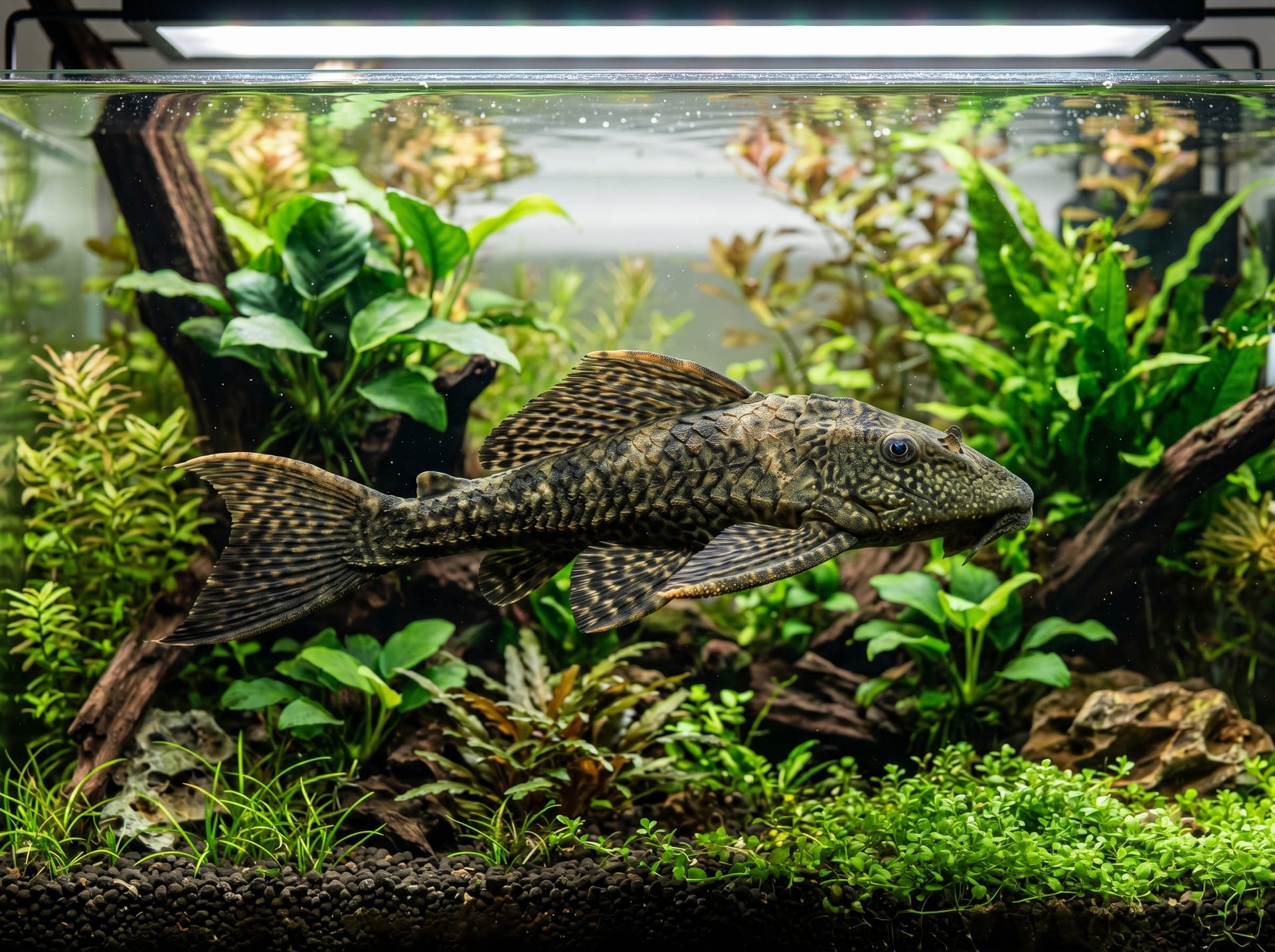
| Pleco tablets | Sink easily and are rich in plant matter. |
Feeding Amount and Frequency
- Once or twice daily, feed an amount that will be consumed in 3–5 minutes
- Since they are nocturnal, feeding in the evening improves feeding response
- Remove any leftover food with a pipette to prevent water quality deterioration
Compatible Tank Mates
Corydoras have a peaceful temperament and can cohabitate with many other fish.
Compatible Combinations
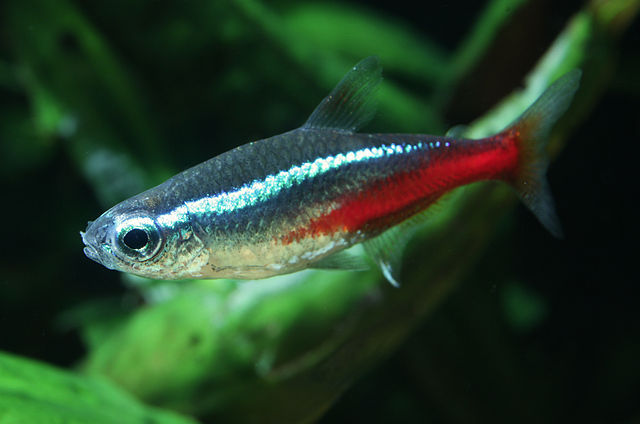
- Characins (Neon tetra, Rummy-nose tetra, etc.): Similar water quality preferences
- Small Rasboras: Occupy the middle to upper levels, allowing natural habitat separation
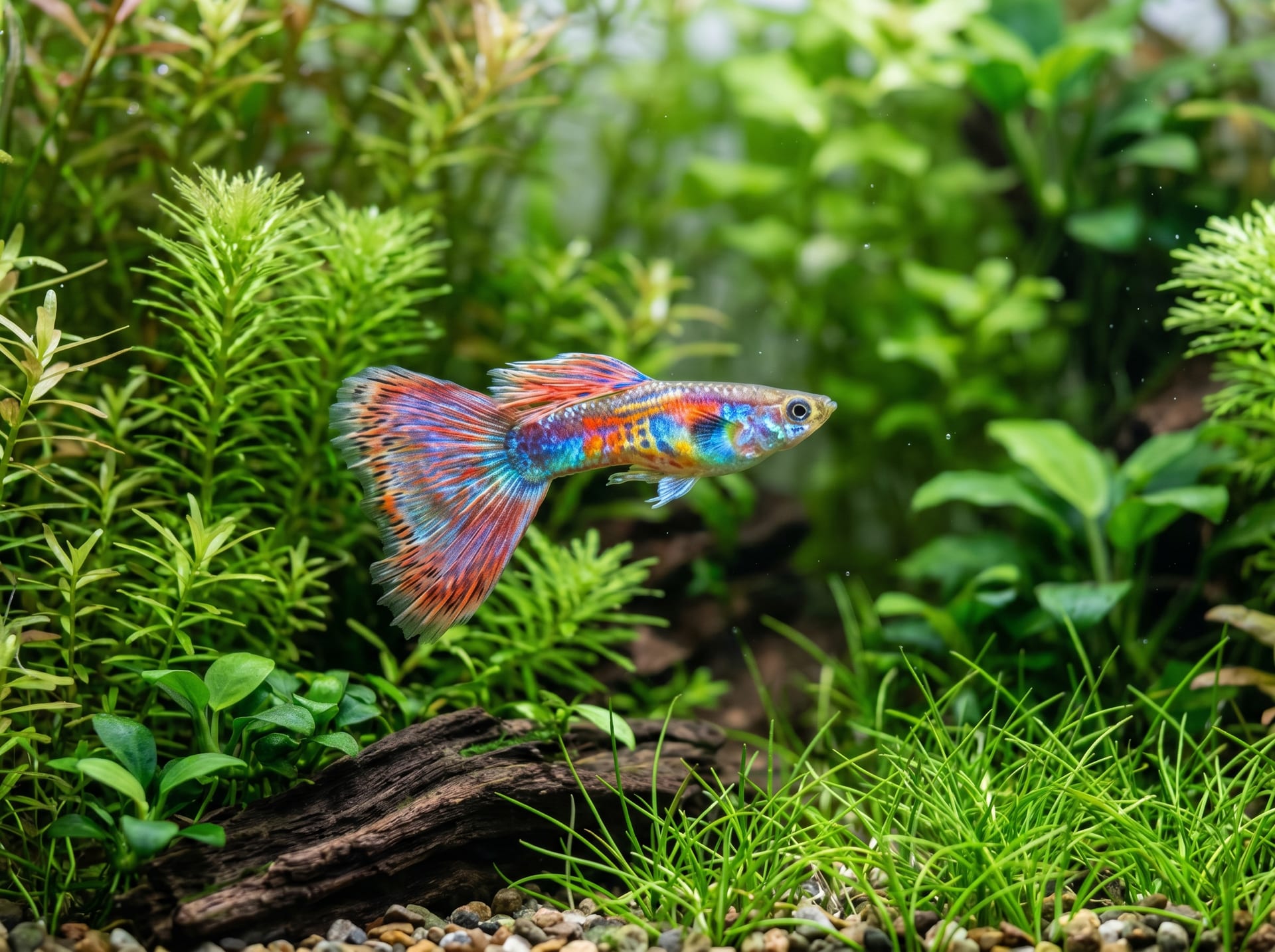
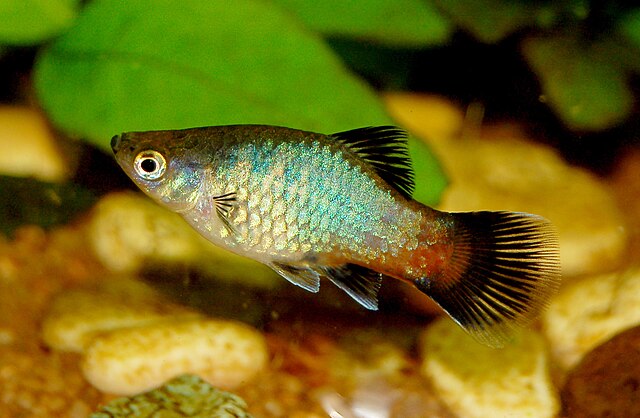
- Guppies and Platies: Peaceful and compatible
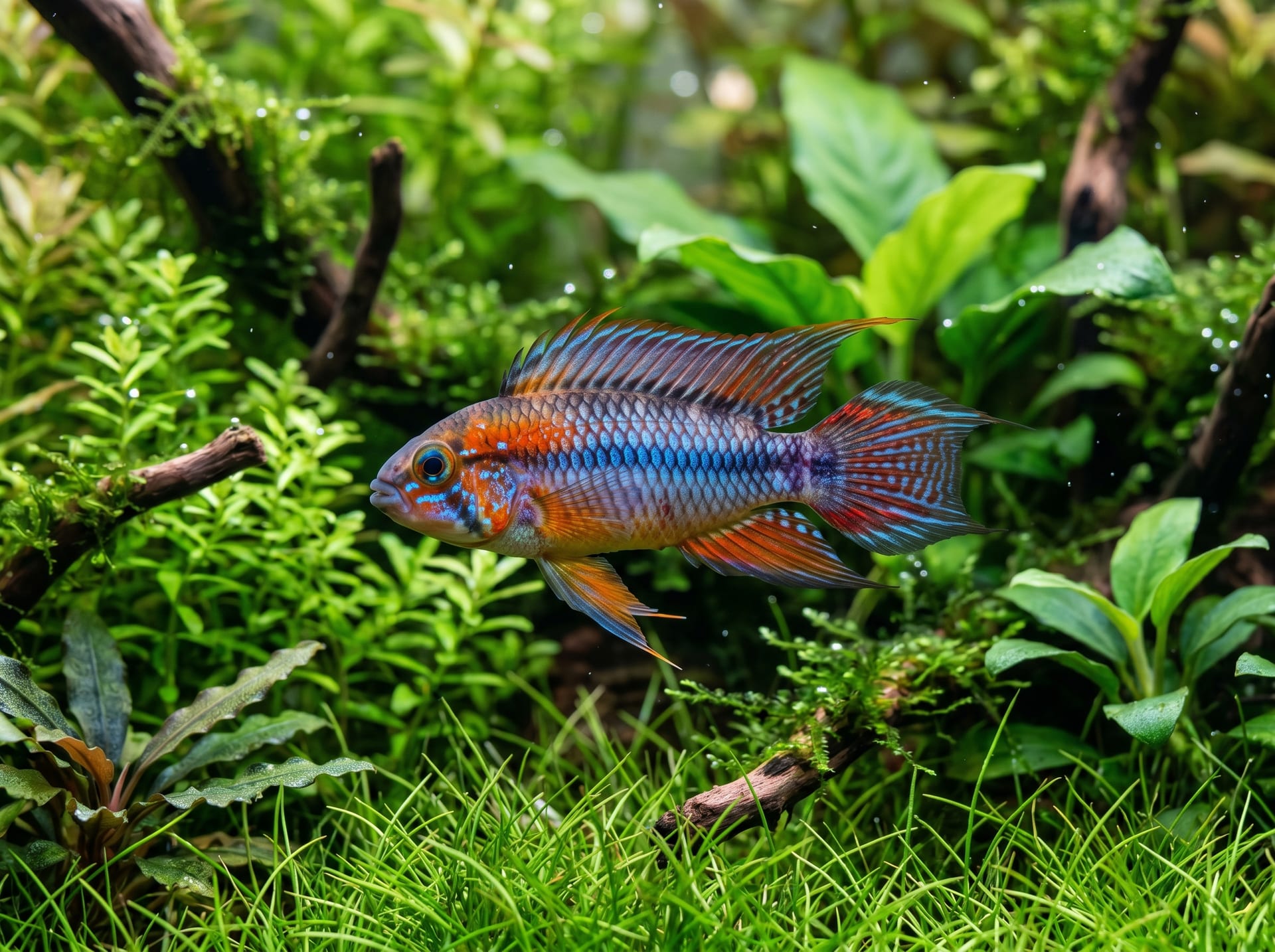
- Dwarf cichlids (Apistogramma, etc.): Share the same bottom area but can coexist with peaceful species
Combinations to Avoid
- Large cichlids: Aggressive and will chase Corydoras
- Pufferfish: May nibble the barbels and fins of Corydoras
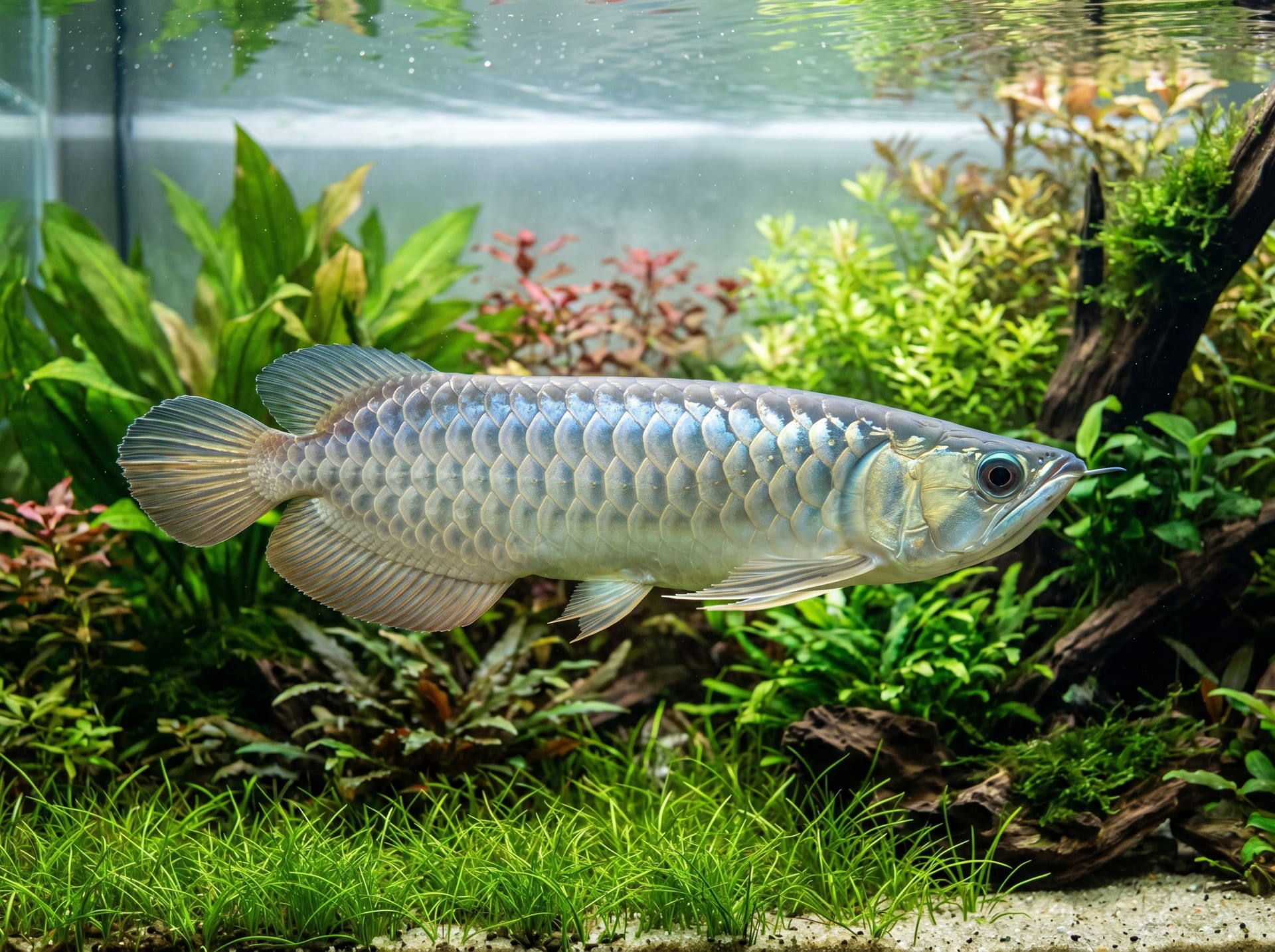
- Large carnivorous fish (Arowana, etc.): Will predate on Corydoras
Mixed-species Corydoras can cohabitate, but choose species of similar body size for best results.
Breeding Methods
Corydoras are a group that breed relatively easily in the aquarium.
Breeding Conditions
- Multiple males and females (preferably more males: ideal ratio of 1 female to 2–3 males)
- Water temperature around 25°C (a shift from cooler to slightly warmer water triggers spawning)
- Water change stimulus: Adding fresh water 10–15°C cooler often induces spawning
- Spawning surface: Flat stones, aquatic plant leaves, or glass surfaces
Signs of Spawning
When the female becomes bloated and the male begins chasing her aggressively, spawning is imminent. Corydoras adopt a T-position (the female nibbles the male's abdomen) to receive sperm, then catch the eggs on their pelvic fins and attach them to the spawning surface.
Egg Management
After spawning, parent fish may eat the eggs, so it's safer to move them to a separate container:
- Gently remove eggs from the glass surface with a soft brush or your finger
- Manage in a separate container at 26–28°C with oxygen supply (aeration essential)
- If white fungus appears on some eggs, remove affected eggs (adding a small amount of methylene blue prevents fungal growth)
- Eggs hatch in 5–7 days. Feed fry brine shrimp or powdered food
Common Problems and Solutions
Barbels Shortening or Degrading
A sign that the substrate is too coarse or water quality has deteriorated. Replace substrate with Tahitian sand and increase water change frequency.
White Coating on Body
Possible cotton wool disease. Raise water temperature to 28–30°C and treat with salt baths (0.3–0.5%) or Green F Gold.
Red Intestines Visible
Possible intestinal hemorrhage disease. In severe cases, consult a veterinarian specializing in fish. In early stages, increase water change frequency to improve water quality.
Lethargy and Remaining on Bottom
Usually caused by sudden changes in water temperature or quality. Test ammonia and nitrite levels, identify the cause, and make corrections.
Conclusion
Corydoras are hardy, easy-to-keep tropical fish whose schooling behavior and endearing appearance are their greatest charm. Master the fundamentals of substrate selection and water quality management, and even beginners can enjoy long-term care and even breeding. Start with hardy varieties like Blue Corydoras and Red Corydoras, and as you gain experience, try more advanced species such as Sterbai and Panda Corydoras.