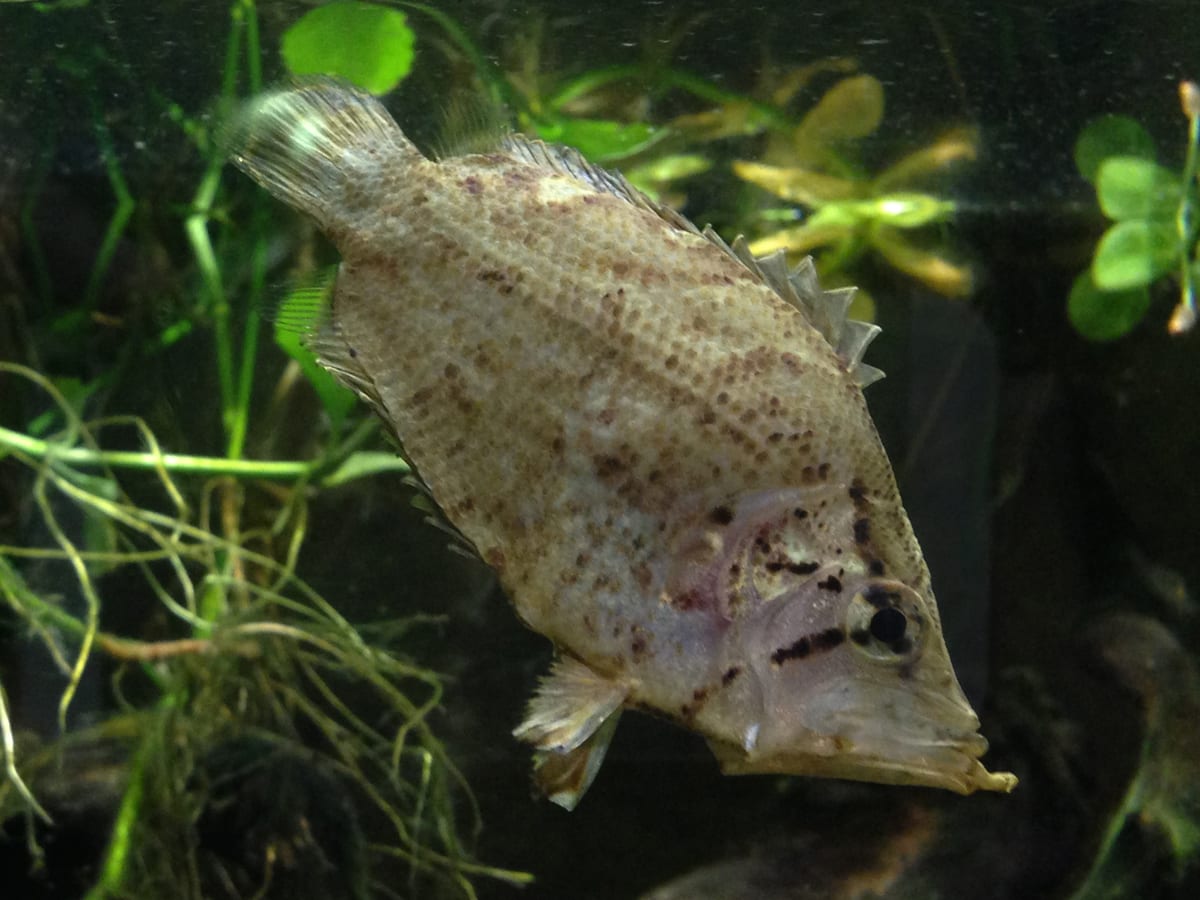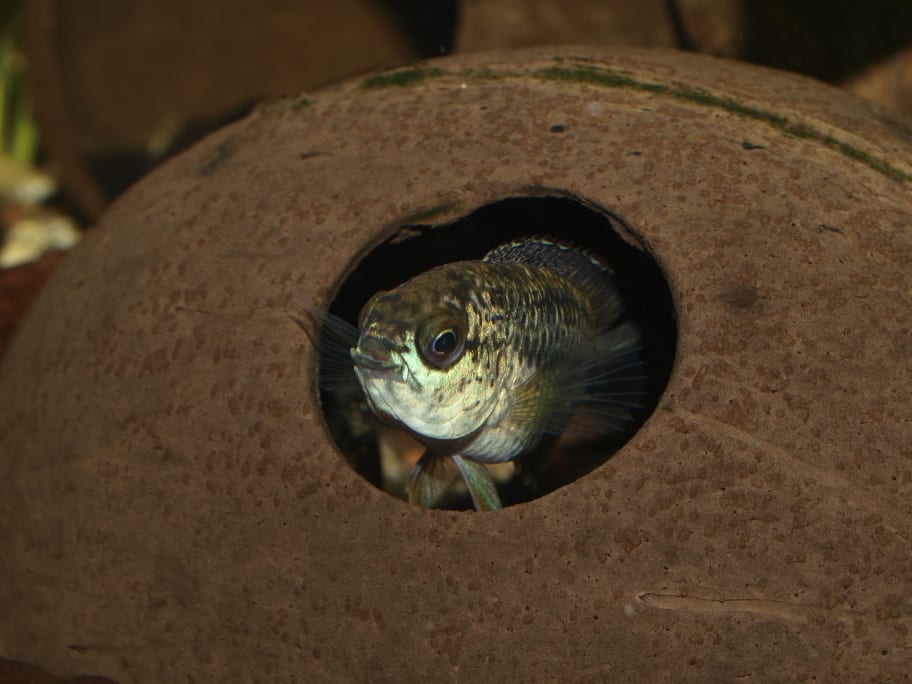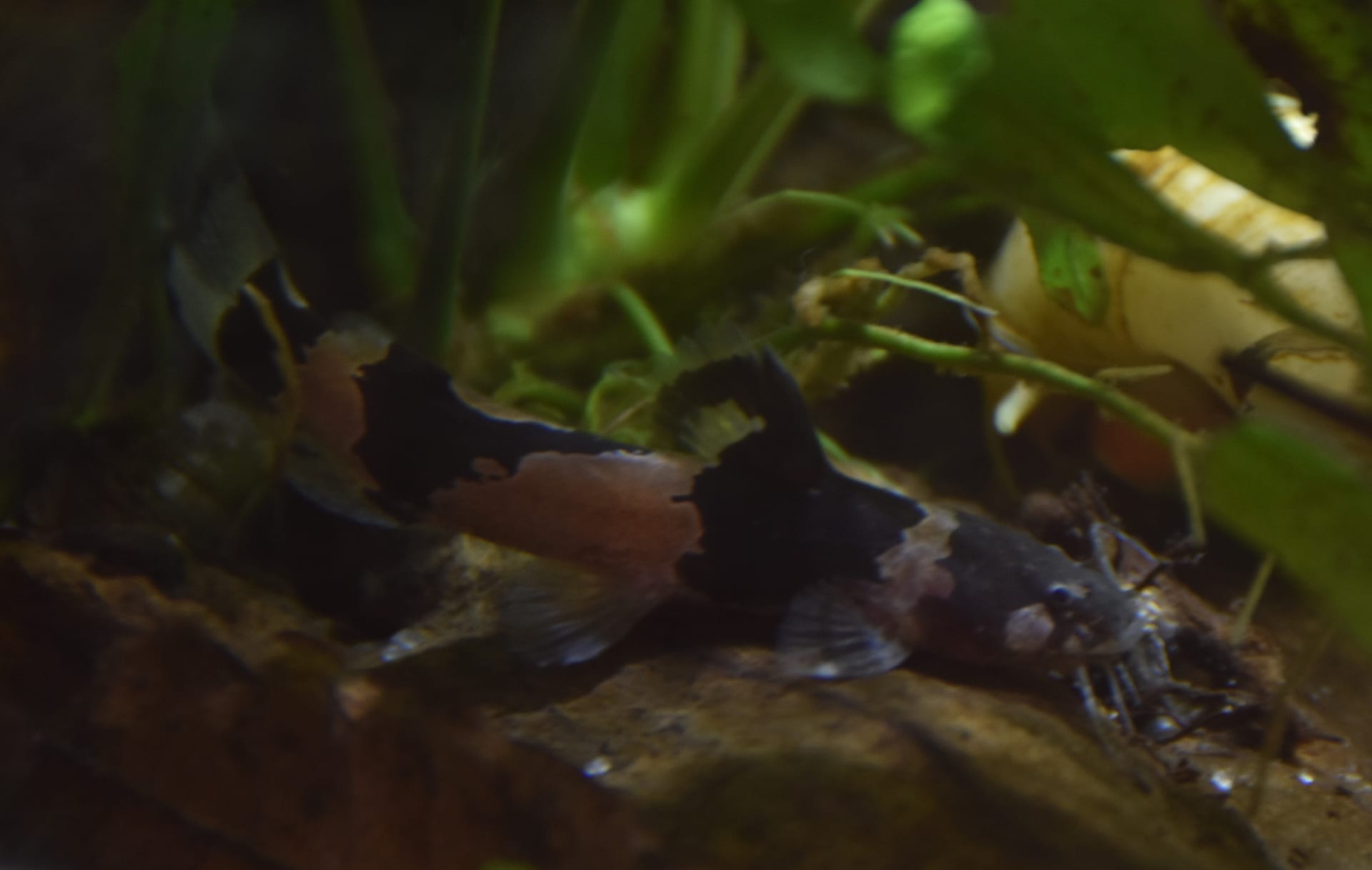
Source: Wikimedia Commons
South American bumblebee catfish
BeginnerMicroglanis iheringi
A small catfish whose yellow and dark-brown bands recall a bumblebee. About 6 cm SL, it lives in rocky, gravelly streams. Not to be confused with the similarly named bumblebee goby, which is a goby.
Difficulty
Beginner
Temperature
24〜28℃
Size
Up to 6 cm SL
Diet
Mainly carnivorous (sinking prepared foods, frozen foods)
About
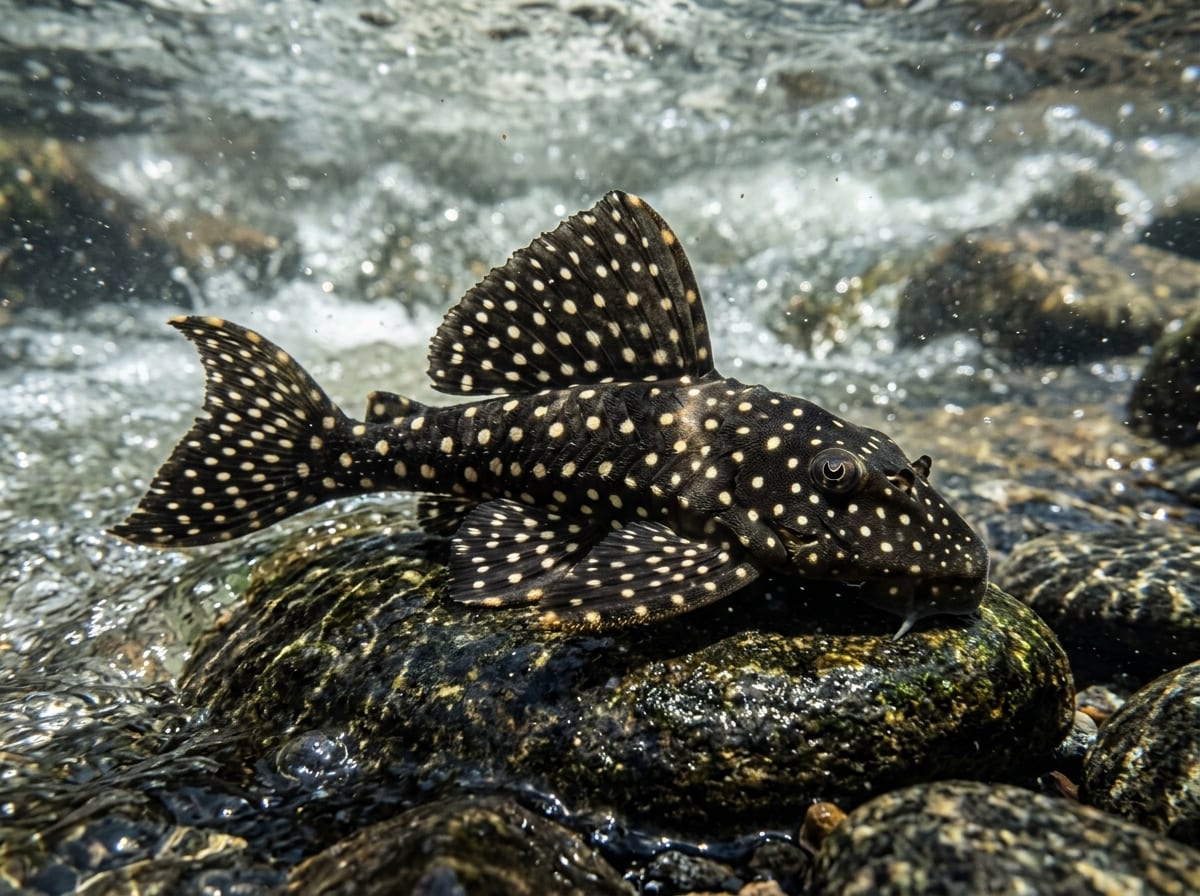
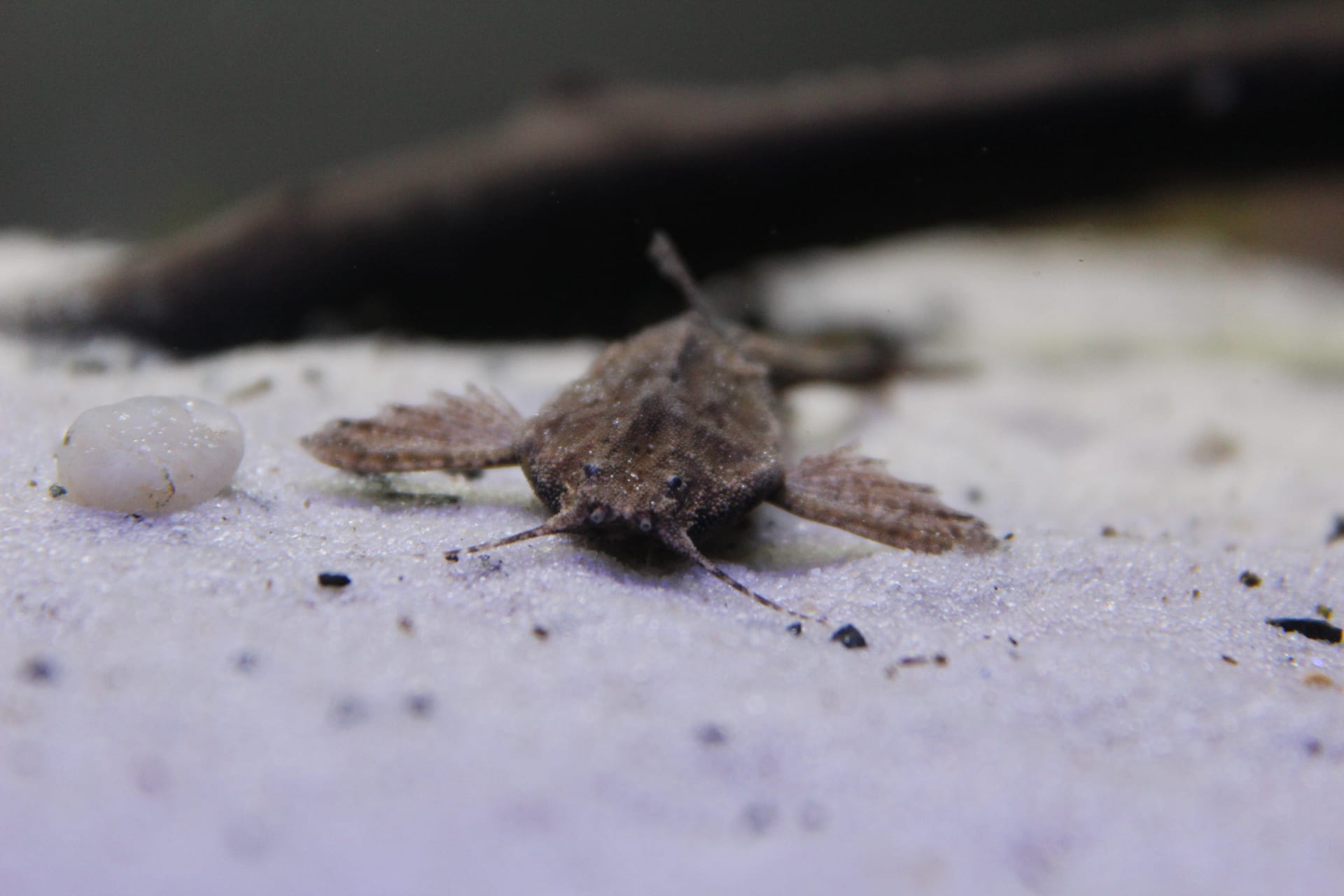
Microglanis iheringi, the South American bumblebee catfish, is a small pseudopimelodid catfish. FishBase gives its range as the Turmero River basin in Venezuela and a maximum of 6 cm SL. It inhabits fast-flowing waters over rock and gravel and feeds mainly on insects, especially ants. Its bold dark bands on a yellow-to-tan body recall a bumblebee. The similarly named bumblebee goby is a brackish-water goby with completely different classification and needs, so take care not to confuse the two when buying. Several Microglanis species look very alike, and other species may be sold under the same name.
Source: Wikipedia (CC BY-SA 4.0)
Size of the South American bumblebee catfish
The South American bumblebee catfish grows to Up to 6 cm SL.
Temperature & humidity for the South American bumblebee catfish
The ideal temperature for the South American bumblebee catfish is 24〜28℃.
Hardy and easy to keep at 24-28°C in near-neutral water, it is a regular small catfish in Japanese aquarium shops.
Basic Info
Origin
South America (Turmero River basin, Venezuela)
Size
Up to 6 cm SL
Temperature
24〜28℃
Diet
References & Sources
Edited & verified by: BreederDirect editorial team
The taxonomic, regulatory, and husbandry data on this page are compiled and verified against the authoritative primary sources below.
Primary sources
Taxonomy & Authority
Regulations & Conservation Status
Not CITES-listedIUCN LC · Least Concern
Not listed in the CITES Appendices (checked on Species+). Not designated under Japan's Invasive Alien Species Act, nor on the Ministry of the Environment's list of invasive alien species. Never release aquarium fish into the wild.
Sources: Species+ (CITES) / FishBase
Regulations may change. Always verify the latest information with the relevant authorities.
South American bumblebee catfish Listings
Loading latest listingsFind listings for this species