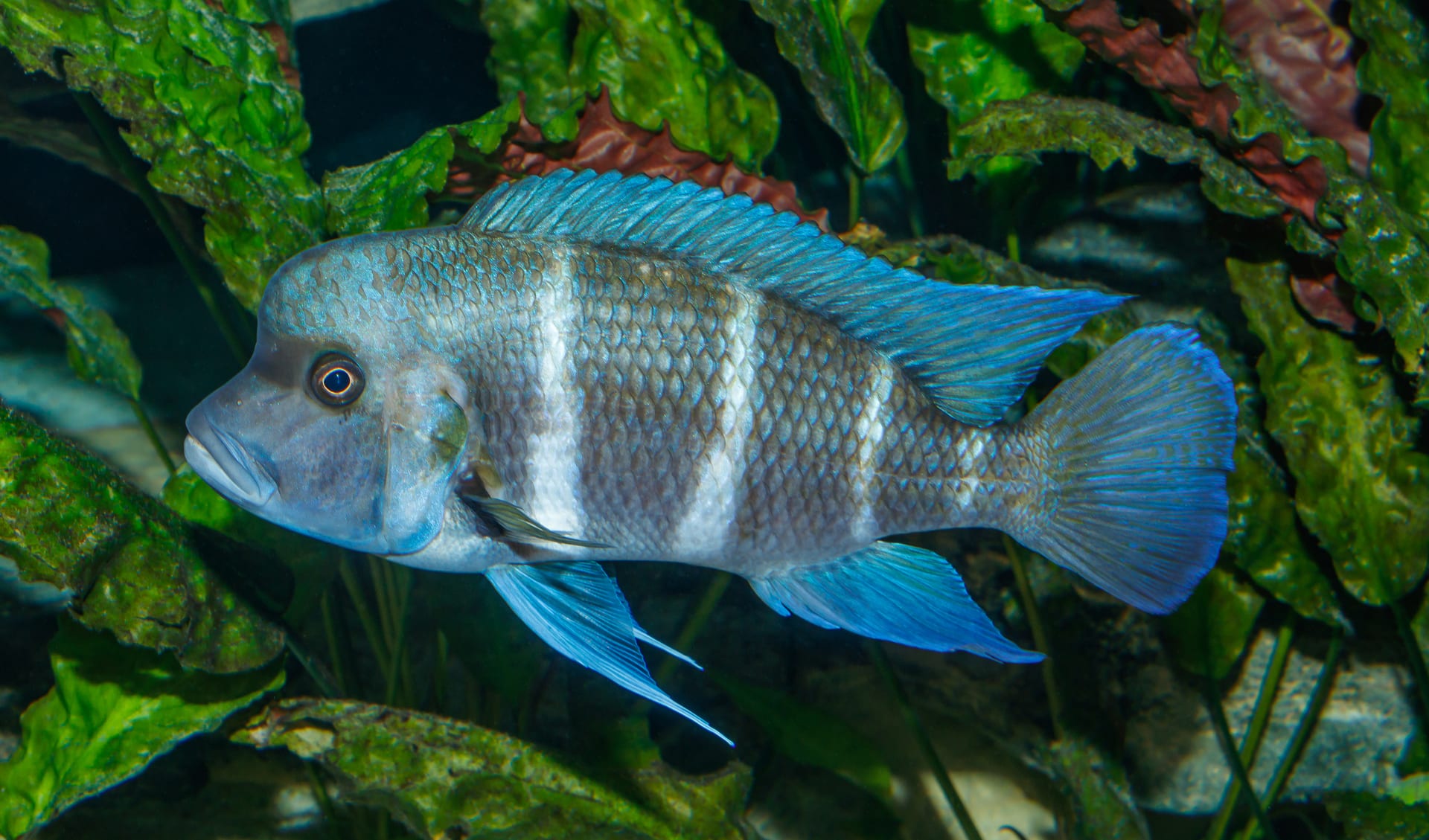
 © H. Zell / CC BY-SA 3.0
Frontosa
Frontosa are large cichlids native to Lake Tanganyika, prized for the pronounced nuchal hump that develops on males' foreheads as they mature. Despite their imposing looks, they have a calm temperament and generally get along well with other large cichlid tankmates. In the wild they form schools in deep water around 30-50m and prey on small fish. Adults can reach up to about 33cm in length, so a spacious tank is essential to let them move comfortably. Because they require solid water-quality management, Frontosa suit intermediate keepers best—but the reward is a long-lived companion whose stately hump develops beautifully over the years.
View Frontosa encyclopedia →0% commission on your first sales!Register by September 30, 2026 and your first 2 sales are commission-free!
Breeder Wanted!
List on BreederDirect and sell directly to customers nationwide!
Our 6 Transparency Commitments
All Tropical Fish listings include water quality, temperament, and tank size information from verified Breeder.
- Origin Disclosed
- Real Photos
- Water Quality Disclosed
- Recommended Tank Size
- Temperament Disclosed
- Breed Line Disclosed
Browse all 301 breeds
Water Type
Care Level
Verified breeders wanted for Tropical Fish
Breeders are signing up now ahead of launch. Subscribe to be notified when new listings go live.
Getting alerts is free with a member account. When new listings match your saved search, we'll notify you by email and in-app.
Browse other categories
Verified breeders (preview)
Are you raising tropical fish?
Register as a breeder and connect with buyers directly.
Apply as a breederAbout Frontosa
Frontosa is a large Lake Tanganyika cichlid known for its hump-shaped forehead and calm nature. Reaching up to 33cm with a captive lifespan of 25+ years, it suits intermediate keepers.
7 things to know before welcoming a Frontosa
1A Large Tank Is a Must
Adults can grow to nearly 33cm in length, and a group of them makes for an especially impressive sight. Plan ahead and set up a spacious tank from the start to accommodate their eventual size.
2Calm but Powerful
Frontosa have a genuinely calm temperament and mix well with other large cichlids. That said, their size and strong swimming can still startle much smaller tankmates.
3Thrives in Groups
In the wild, Frontosa live in schools, so keeping several together lets them display more natural behavior. They do fine alone too, but a group is worth considering if your tank has the room.
4Watch the Hump Develop
Males gradually develop the characteristic forehead hump as they mature. How pronounced it becomes varies by age, individual, and environment, so patience is part of the appeal.
5Solid Water-Quality Basics
Their intermediate-level rating comes from the water-quality management they require. Regular water changes and a filter with strong capacity will help keep conditions stable.
6A Long-Term Commitment
With a captive lifespan of 25 years or more, Frontosa are a long-term companion. Before bringing one home, make sure you can provide a stable environment for many years to come.
7Choosing Tankmates
Their calm nature makes them well-suited to living with other large cichlids of similar size. Pairing them with much smaller fish can create stress due to the size difference.
Frequently asked questions about Frontosa
- Q.What is the Frontosa's temperament like?
- A.Frontosa are generally calm and not aggressive. They tend to mix well with other large cichlids of similar size, though individual personality can vary, so it's worth observing them after introduction.
- Q.Is this species suitable for beginners?
- A.Frontosa are generally considered suitable for intermediate keepers. Having a basic understanding of water-quality management makes things go more smoothly, so some prior fishkeeping experience is recommended.
- Q.How large do they eventually grow?
- A.Adults reach up to about 33cm in total length, or roughly 25.5cm in standard length. Plan for a tank sized to accommodate this eventual growth.
- Q.How long do they typically live?
- A.In captivity, Frontosa can live 25 years or more, making them a long-term companion. Before bringing one home, make sure you can provide a stable environment for that long.
- Q.Is the Frontosa subject to CITES?
- A.Frontosa is not subject to CITES.
Useful tools for Frontosa care
Learn more about Frontosa in the encyclopedia
View Frontosa encyclopedia entry →
Care difficulty, lifespan, size and diet — all basics covered.
Frontosa related articles
See more Frontosa articles →More in this category
Can't find the one you're looking for?
Post your wishes for free and breeders with matching animals will contact you with introductions.