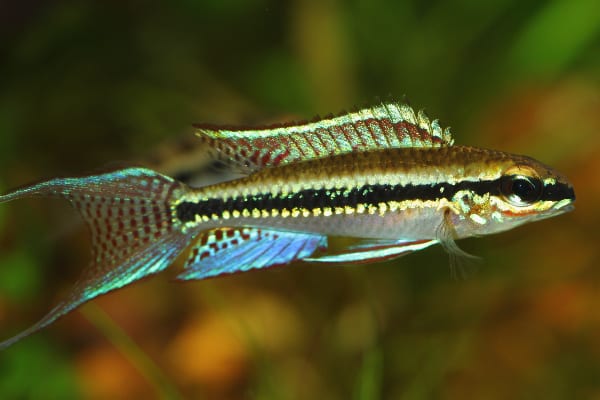
 © Eduardo A Carvalho / CC BY 3.0
Checkerboard Cichlid
The Checkerboard Cichlid is a small South American cichlid known for the checkerboard-like pattern of dark, square blotches along its flanks. Mature males develop elegant, thread-like extensions on the upper and lower tips of the caudal fin. Naturally shy and peaceful, it does poorly alongside boisterous tankmates. It favors strongly acidic, soft water, and breeding success generally depends on using RO water to manage water chemistry precisely, making it a species that calls for real experience. Considered suitable for experienced keepers, it rewards those willing to fine-tune their water with striking, delicate beauty.
View Checkerboard Cichlid encyclopedia →0% commission on your first sales!Register by September 30, 2026 and your first 2 sales are commission-free!
Breeder Wanted!
List on BreederDirect and sell directly to customers nationwide!
Our 6 Transparency Commitments
All Tropical Fish listings include water quality, temperament, and tank size information from verified Breeder.
- Origin Disclosed
- Real Photos
- Water Quality Disclosed
- Recommended Tank Size
- Temperament Disclosed
- Breed Line Disclosed
Browse all 301 breeds
Water Type
Care Level
Verified breeders wanted for Tropical Fish
Breeders are signing up now ahead of launch. Subscribe to be notified when new listings go live.
Getting alerts is free with a member account. When new listings match your saved search, we'll notify you by email and in-app.
Browse other categories
Verified breeders (preview)
Are you raising tropical fish?
Register as a breeder and connect with buyers directly.
Apply as a breederCheckerboard Cichlid key facts
- Care level
- Advanced
- Lifespan
- 5-8 years
- Size
- 3.8-10cm
- Temperature
- 27〜30℃
- Diet
- Sinking cichlid pellets, spirulina flakes, frozen foods, Daphnia
- Tank
- A 60 x 30cm base, about 68 litres, is the guide. Plant densely, scatter leaf litter for cover and use floating plants to soften the lighting.
- Water Temperature & Quality
- Hold a warm 27-30C, with pH at or below 7 and hardness of 1dH or lower. FishBase records 23-25C, pH 5.0-7.0 and 5-8dH in the wild.
- Tank Mates
- Peaceful but shy, and it loses out to more aggressive tankmates. It works in a community of similarly peaceful fish, hugging the bottom among plants and leaf litter.
- Diet & Feeding
- Use a good sinking cichlid pellet as the staple, varied with spirulina flakes and plenty of frozen food. Live food such as Daphnia brings fish into breeding condition.
- Breeding & Spawning
- Very acidic, very soft water at pH 4.5-5.8 is required and RO water is close to mandatory. Reports also hold that eggs will not hatch below pH 5.8, so water chemistry is the crux.
- Health & Notes
- Assessed Least Concern by the IUCN Red List. It is shy, so avoid bright lighting and boisterous tankmates and diffuse the light with floating plants.
About Checkerboard Cichlid
A small South American cichlid with a checkerboard body pattern and elongated fin tips. It favors strongly acidic, soft water and suits experienced keepers of shy, peaceful fish.
7 things to know before welcoming a Checkerboard Cichlid
1Needs Strongly Acidic Water
Checkerboard Cichlids thrive in strongly acidic, soft water. Poor water chemistry can quickly affect their health, so regularly checking pH and hardness is essential.
2RO Water Needed for Breeding
Successful breeding generally requires RO water to replicate their preferred water chemistry. Reproducing the right conditions with tap water alone is difficult, so plan on setting up water purification equipment.
3Shy — Choose Tankmates Carefully
Being shy and peaceful, they tend to hide and become stressed when kept with aggressive or fast-moving fish. Choose equally calm tankmates and avoid overcrowding.
4Provide Plenty of Hiding Spots
Adding driftwood, leaf litter, and fine planting gives them places to settle and feel secure, encouraging natural behavior. Avoid layouts with too much open space.
5Males Grow Elongated Fins
Mature males develop long, thread-like extensions on the upper and lower caudal fin tips. Females stay relatively stockier, making the sexes easier to tell apart as they mature.
6Suited to Experienced Keepers
Because their water requirements are demanding, this species is considered best suited to experienced keepers. Make sure you have the knowledge and routine to monitor water quality before bringing one home.
7Feed in a Calm Setting
Given their shy nature, keep feeding time calm and avoid sudden noise or movement. Combining dry food with frozen or live food tends to encourage steadier eating.
Frequently asked questions about Checkerboard Cichlid
- Q.Can beginners keep this fish?
- A.Because it requires strongly acidic, soft water and careful water management, this species is considered suitable for experienced keepers. It's best to gain some water-chemistry experience before getting one.
- Q.Can it be kept with other fish?
- A.Since it's shy and peaceful, it's best to avoid housing it with aggressive fish. Choose similarly calm tankmates and provide plenty of hiding spots.
- Q.What's needed to breed them?
- A.Breeding generally requires RO water for precise water chemistry management. It's recommended to set up equipment that can reliably produce strongly acidic, soft water before attempting it.
- Q.How do you tell males from females?
- A.Mature males are marked by long, thread-like extensions on the caudal fin. Females remain relatively rounder in shape, so the difference becomes clearer as they grow.
- Q.How big do they grow?
- A.Adults typically reach about 3.8 to 10 cm. Since size varies between individuals and sexes, it's wise to allow extra room in the tank as they grow.
Useful tools for Checkerboard Cichlid care
Learn more about Checkerboard Cichlid in the encyclopedia
View Checkerboard Cichlid encyclopedia entry →
Care difficulty, lifespan, size and diet — all basics covered.
More in this category
Can't find the one you're looking for?
Post your wishes for free and breeders with matching animals will contact you with introductions.