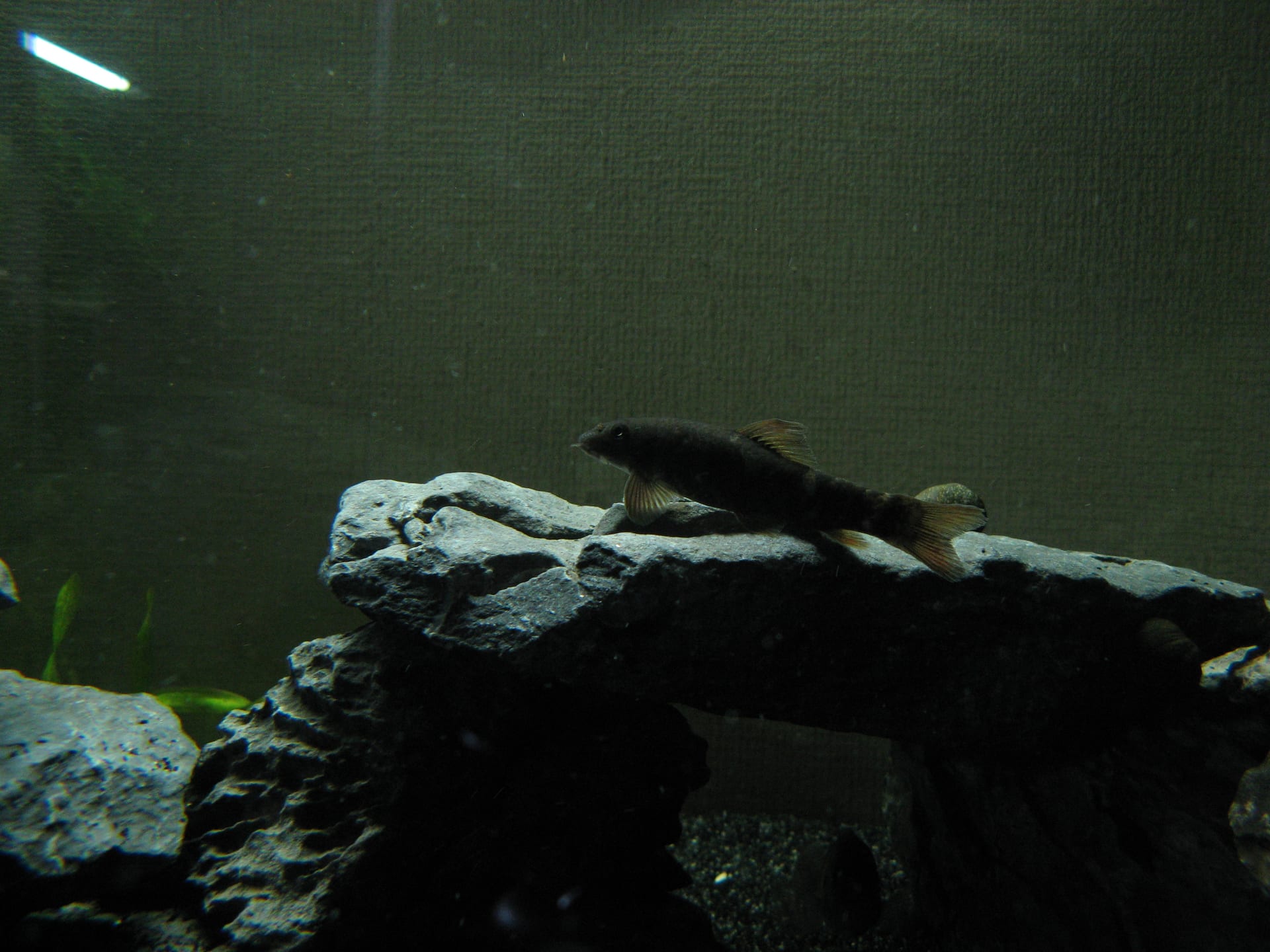
 © Giniro / CC BY-SA 3.0
Doctor Fish
Doctor Fish are bottom-dwelling members of the carp family, using their sucker-like mouths to graze algae off rocks. They're named for their habit of nibbling dead skin in Turkish hot springs, and they have a charming, sociable way of moving in groups. Kept alone, they tend to turn territorial toward similarly shaped tankmates, so housing several together is the standard approach. They grow to around 14.1cm at most, making them a fish you can watch develop over the long term. Their unassuming looks and industrious grazing habits are part of the appeal.
View Doctor Fish encyclopedia →0% commission on your first sales!Register by September 30, 2026 and your first 2 sales are commission-free!
Breeder Wanted!
List on BreederDirect and sell directly to customers nationwide!
Our 6 Transparency Commitments
All Tropical Fish listings include water quality, temperament, and tank size information from verified Breeder.
- Origin Disclosed
- Real Photos
- Water Quality Disclosed
- Recommended Tank Size
- Temperament Disclosed
- Breed Line Disclosed
Browse all 301 breeds
Water Type
Care Level
Verified breeders wanted for Tropical Fish
Breeders are signing up now ahead of launch. Subscribe to be notified when new listings go live.
Getting alerts is free with a member account. When new listings match your saved search, we'll notify you by email and in-app.
Browse other categories
Verified breeders (preview)
Are you raising tropical fish?
Register as a breeder and connect with buyers directly.
Apply as a breederDoctor Fish key facts
- Care level
- Intermediate
- Lifespan
- 10-15 years
- Size
- Up to 14.1cm TL
- Temperature
- 14〜20℃
- Diet
- Sinking dried foods, frozen foods and vegetable matter
- Tank
- Seriously Fish suggests a 120 x 45cm base of about 243 litres. Stack rock and driftwood to create refuges and territorial boundaries, leave some lit surfaces for algae, and set the tank up as a stream with flow.
- Water Temperature & Quality
- Seriously Fish gives an aquarium range of 14-20C, pH 6.0-8.0 and 1-15 dGH, describing the temperature band as narrow, while FishBase records a wider 15-28C in the wild. It needs plenty of oxygen, so run strong flow and filtration.
- Tank Mates
- Reasonably peaceful with fish that want the same conditions, but hard on its own kind in a small tank, and a single specimen becomes aggressive towards similarly shaped fish. Seriously Fish advises buying three or four or more.
- Diet & Feeding
- It grazes algae where available but is not strictly herbivorous. Use sinking dried food containing plant matter such as Spirulina as the staple, with frozen bloodworm, Tubifex, Artemia and chopped prawn, and it also takes blanched cucumber or spinach.
- Breeding & Spawning
- Mature females are noticeably thicker-bodied, and large males develop extensive tubercles on the head and snout. Traded fish are farmed in several countries, but home breeding is rarely reported.
- Health & Notes
- Famous for eating dead skin, though the claimed benefits are not established. Fish sold as Garra rufa may be this species or a close relative, and appearance varies with origin. It is not suited to sustained high temperature. The IUCN rates it Least Concern and it is not listed by CITES.
About Doctor Fish
Doctor Fish is a bottom-dwelling carp known for grazing algae and nibbling dead skin. A group-friendly species suited to intermediate keepers.
7 things to know before welcoming a Doctor Fish
1Keep in Groups, Not Alone
Doctor Fish kept alone tend to become aggressive toward similarly shaped tankmates. Keeping several together helps settle this territorial streak. Plan to bring home more than one from the start.
2A Sucker-Like Mouth, Bottom-Dwelling Habits
Their sucker-like mouths are built for scraping algae off rocks and driftwood. In an aquarium they display this natural grazing behavior on any algae-covered surface, staying active wherever there's something to nibble.
3Suited to Intermediate Keepers
Doctor Fish are rated for intermediate keepers. Water quality management and group housing require a bit more attention than beginner-friendly species, so go in with that expectation.
4Grows to About 14.1cm
Adults can reach up to about 14.1cm. Since they're kept in groups, plan tank capacity in advance based on their adult size and the number of fish you intend to house together.
5Choosing Tankmates
Because they can turn territorial toward tankmates with a similar body shape, choose companions carefully. Grouping them with their own kind tends to keep the tank calmer.
6Design Around Algae Growth
A layout where algae naturally forms on rocks and driftwood lets them express their grazing habit in a settled environment. Avoid sudden changes and give algae time to establish.
7Prepare the Tank Before Bringing Them Home
Since group-keeping is standard, setting up a tank and filtration sized for both the number of fish and their adult size ahead of time makes for a more settled setup.
Frequently asked questions about Doctor Fish
- Q.Do they really eat human skin?
- A.Their name comes from a habit of nibbling dead skin in hot springs. That said, they're naturally algae-grazing bottom fish, and this behavior is simply the origin of the name rather than their primary diet.
- Q.Can I keep just one?
- A.Kept alone, they tend to become aggressive toward similarly shaped fish. Housing several together as a group is the standard approach.
- Q.Is this species suitable for beginners?
- A.Doctor Fish are rated for intermediate keepers. It's best to consider them once you have some experience with water quality management and group housing.
- Q.How large do they grow?
- A.Adults reach up to about 14.1cm. Since they're kept in groups, prepare a tank sized for their adult size.
- Q.Are there any import or keeping restrictions?
- A.Doctor Fish are not listed under CITES. You can consider bringing them home without special regulatory concerns.
Useful tools for Doctor Fish care
Learn more about Doctor Fish in the encyclopedia
View Doctor Fish encyclopedia entry →
Care difficulty, lifespan, size and diet — all basics covered.
More in this category
Can't find the one you're looking for?
Post your wishes for free and breeders with matching animals will contact you with introductions.