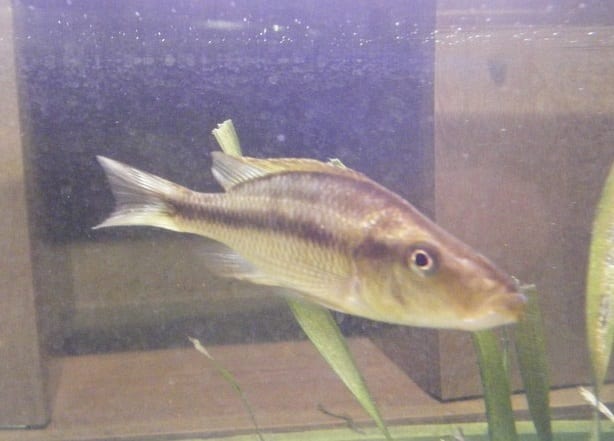
 © Cedricguppy - Loury Cédric / CC BY-SA 4.0
Malawi Eye-biter
Dimidiochromis compressiceps is a large haplochromine cichlid from Lake Malawi, instantly recognizable by its extremely laterally compressed body and pointed snout. True to its common name, the Malawi Eye-biter, it is a wild-natured ambush predator that lurks among aquatic plants waiting to strike at small fish. Adults reach 23-25cm, so a suitably spacious tank is essential, and the species is generally considered suitable for experienced keepers. Its striking blade-like silhouette and confident swimming style set it apart from other Malawi cichlids, making it a standout centerpiece for a seasoned aquarist's setup.
View Malawi Eye-biter encyclopedia →0% commission on your first sales!Register by September 30, 2026 and your first 2 sales are commission-free!
Breeder Wanted!
List on BreederDirect and sell directly to customers nationwide!
Our 6 Transparency Commitments
All Tropical Fish listings include water quality, temperament, and tank size information from verified Breeder.
- Origin Disclosed
- Real Photos
- Water Quality Disclosed
- Recommended Tank Size
- Temperament Disclosed
- Breed Line Disclosed
Browse all 301 breeds
Water Type
Care Level
Verified breeders wanted for Tropical Fish
Breeders are signing up now ahead of launch. Subscribe to be notified when new listings go live.
Getting alerts is free with a member account. When new listings match your saved search, we'll notify you by email and in-app.
Browse other categories
Verified breeders (preview)
Are you raising tropical fish?
Register as a breeder and connect with buyers directly.
Apply as a breederMalawi Eye-biter key facts
- Care level
- Advanced
- Lifespan
- 6-10 years
- Size
- 23-25cm
- Temperature
- 23〜28℃
- Diet
- Frozen foods such as prawn, mussel and whitebait, plus prepared foods
- Tank
- 150 x 38cm (about 257 litres) or larger. It is deep-bodied, so provide depth as well as vertical structures to hide among.
- Water Temperature & Quality
- 23-28C, pH 7.5-8.8, 10-25 dGH. As a large predator it needs ample filtration and regular water changes.
- Tank Mates
- Fish under about 12cm become prey. Choose Lake Malawi cichlids of similar size and keep only one male.
- Diet & Feeding
- A piscivore that trains readily onto frozen and dried foods. Offer prawn, mussel and whitebait, and do not rely on live prey alone.
- Breeding & Spawning
- A mouthbrooder. Clutches reach up to 250 eggs but are usually 40-100, and the female carries them for about three weeks.
- Health & Notes
- The compressed body dislikes excessive current. Males turn aggressive when breeding, so give females places to retreat. Altolamprologus compressiceps shares the species name but is a Tanganyikan fish of a different genus reaching only about 12cm, far smaller than this one, so do not plan tank size or tankmates from the name compressiceps alone.
About Malawi Eye-biter
A large Lake Malawi haplochromine with a laterally compressed body and pointed snout. This ambush-predator cichlid reaches 23-25cm and suits experienced keepers.
7 things to know before welcoming a Malawi Eye-biter
1Requires a large tank
Adults reach 23-25cm, so a large tank with ample swimming space is essential. A cramped environment can cause stress and stunted growth, so choose a tank size with the fish's full adult size in mind.
2An ambush predator
In the wild, this fish hides among aquatic plants and ambushes small fish that pass by. Because of this predatory instinct, it should not be kept with tankmates small enough to be swallowed.
3Suited to experienced keepers
This species is generally rated suitable for experienced keepers. Consider bringing one home only after you have a solid grasp of water quality management and tankmate selection for Malawi cichlids.
4Plants for cover
Since it naturally lurks among aquatic plants, incorporating plants or driftwood into the layout for cover lets you observe its natural behavior. A secure hiding spot also helps reduce stress.
5Swimming space for its shape
Its extremely compressed body is built for quick lateral turns and sudden bursts of speed when targeting prey, so watching it strike is a highlight. Design the layout with room to dart forward and back, not just tank depth.
6Choosing tankmates carefully
Given its strong predatory tendencies, choose other Malawi cichlids too large to be swallowed as tankmates. Watch size differences between individuals closely when introducing new fish.
7Research before you bring one home
Understanding its adult appearance and behavior in advance helps prevent mismatches after bringing one home. It is recommended to check the seller's rearing environment and the individual's condition before deciding.
Frequently asked questions about Malawi Eye-biter
- Q.Can beginners keep this fish?
- A.This species is generally rated suitable for experienced keepers. It is recommended to gain experience with Malawi cichlid care and water quality management before bringing one home.
- Q.How large a tank does it need?
- A.Adults reach 23-25cm, so a large tank with plenty of swimming space is necessary. If keeping tankmates, allow for even more space.
- Q.Can it be kept with other fish?
- A.As an ambush predator, it should not be kept with fish small enough to swallow. Pairing it with similarly sized Malawi cichlids is the general approach.
- Q.Is it subject to CITES?
- A.This species is not subject to CITES.
- Q.What kind of tank layout suits it?
- A.Since it naturally hides among plants to ambush prey, a layout with plants or driftwood for cover suits it well. Be sure to also leave open space for it to swim freely.
Useful tools for Malawi Eye-biter care
Learn more about Malawi Eye-biter in the encyclopedia
View Malawi Eye-biter encyclopedia entry →
Care difficulty, lifespan, size and diet — all basics covered.
More in this category
Can't find the one you're looking for?
Post your wishes for free and breeders with matching animals will contact you with introductions.