Inca Dwarf Cichlid
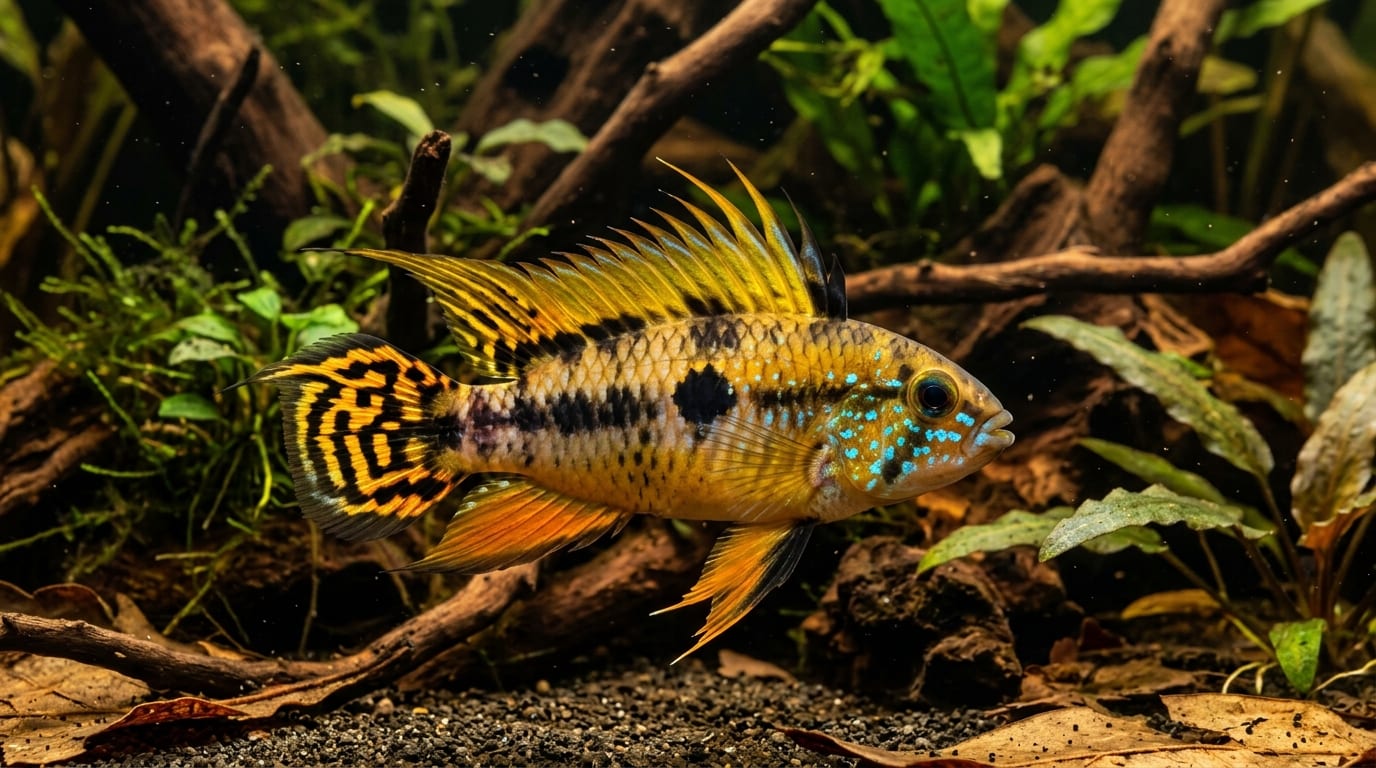
Apistogramma baenschi, often sold under the trade name "Inca 50," is a small dwarf cichlid from Peru. Males display scattered dark blotches along the body, a blue-green sheen, and an elongated yellow dorsal fin that makes them stand out in a planted tank. They can be somewhat territorial, so give them plenty of cover to settle in comfortably. This species prefers soft, slightly acidic water, and a pair kept with driftwood and cave-like hideouts may go on to spawn and tend their fry. Adults stay compact — males reach about 5.5cm and females about 4cm — making this a striking choice even for smaller aquariums.
View Inca Dwarf Cichlid encyclopedia →0% commission on your first sales!Register by September 30, 2026 and your first 2 sales are commission-free!
Breeder Wanted!
List on BreederDirect and sell directly to customers nationwide!
Our 6 Transparency Commitments
All Tropical Fish listings include water quality, temperament, and tank size information from verified Breeder.
- Origin Disclosed
- Real Photos
- Water Quality Disclosed
- Recommended Tank Size
- Temperament Disclosed
- Breed Line Disclosed
Browse all 301 breeds
Water Type
Care Level
Verified breeders wanted for Tropical Fish
Breeders are signing up now ahead of launch. Subscribe to be notified when new listings go live.
Getting alerts is free with a member account. When new listings match your saved search, we'll notify you by email and in-app.
Browse other categories
Verified breeders (preview)
Are you raising tropical fish?
Register as a breeder and connect with buyers directly.
Apply as a breederInca Dwarf Cichlid key facts
- Care level
- Intermediate
- Lifespan
- 3-5 years
- Size
- Males ~5.5cm, females ~4cm
- Temperature
- 20〜26℃
- Diet
- Frozen and live foods (Artemia, Daphnia, bloodworm), dried pellets
- Tank
- A base of at least 80 x 30cm (about 72 litres). Provide plenty of cover - driftwood, leaf litter and ceramic caves - and avoid strong flow.
- Water Temperature & Quality
- Keep 20-26C, pH 4.0-6.5 and 1-5 dGH. Very soft, acidic water is needed for eggs to develop.
- Tank Mates
- Small dither fish such as tetras work well. Do not mix with other Apistogramma species; wild fish are best kept alone or as a pair.
- Diet & Feeding
- Chiefly carnivorous. Base the diet on live and frozen Artemia, Daphnia and bloodworm; most fish also take dried pellets.
- Breeding & Spawning
- A substrate spawner that attaches eggs inside caves. Eggs hatch in 36-72 hours and fry swim free 5-6 days later; the female tends the brood.
- Health & Notes
- Sensitive to sudden changes in water chemistry. Captive-bred stock settles more reliably than freshly imported wild fish.
About Inca Dwarf Cichlid
Apistogramma baenschi ("Inca 50"), a small Peruvian dwarf cichlid known for males' dark blotches, blue-green sheen, and yellow dorsal fin — a rewarding species for intermediate keepers in soft, acidic water.
7 things to know before welcoming a Inca Dwarf Cichlid
1Soft, Acidic Water
Apistogramma baenschi prefers soft, slightly acidic water. Tap water straight from the faucet may not match its needs, so using filter media or substrate that gently softens and acidifies the water helps it settle in.
2Driftwood and Cave Hideouts
Driftwood and ceramic caves give this species a place to hide and claim as territory. When keeping a pair, providing several visual breaks helps both fish settle without constant tension.
3Males' Striking Colors
Males show scattered dark blotches, a blue-green sheen, and an elongated yellow dorsal fin. Their coloration tends to intensify as the fish settles in and conditions improve.
4Territorial Behavior
Like many small cichlids, this species can be territorial, so care is needed when housing it with similar-sized tankmates or its own kind. Spreading out hiding spots and avoiding overcrowding helps reduce conflict.
5Pairing and Breeding
In a pair tank furnished with driftwood and caves, you may get to observe spawning and fry-rearing behavior. That said, mismatched pairs can fight, so watch their interaction and adjust the pairing if needed.
6Compact Adult Size
Adults stay small, with males reaching about 5.5cm and females about 4cm. Choosing a tank sized to match their compact build makes them manageable even in limited space.
7Best Suited to Intermediate Keepers
Because it calls for attentive water quality management and territorial awareness, this species is generally considered suited to intermediate keepers. Before bringing one home, make sure you can maintain soft, acidic water and have thought through tankmate compatibility.
Frequently asked questions about Inca Dwarf Cichlid
- Q.Can it be kept with other fish?
- A.Because it can be territorial, avoid pairing it with aggressive fish or multiple males of its own species. Providing plenty of hiding spots and enough tank space improves the odds of a peaceful community.
- Q.Is this species suitable for beginners?
- A.It's generally considered better suited to intermediate keepers, since it needs careful water quality management and awareness of its territorial behavior. Setting up soft, acidic water in advance will make things easier.
- Q.Is breeding a pair difficult?
- A.In a tank furnished with driftwood and caves, a pair may spawn and even tend their fry. However, mismatched pairs can fight, so you'll need to watch their behavior and adjust the pairing as needed.
- Q.What should I feed it?
- A.A base diet of quality dry food, supplemented occasionally with frozen or live food, helps support coloration and condition. Choose a small pellet or flake size suited to its small mouth.
- Q.How large a tank does it need?
- A.Adults stay compact, with males around 5.5cm and females around 4cm, so a small-to-medium tank works well. Since they're territorial, make sure the tank is large enough to fit hiding spots comfortably.
Useful tools for Inca Dwarf Cichlid care
Learn more about Inca Dwarf Cichlid in the encyclopedia
View Inca Dwarf Cichlid encyclopedia entry →
Care difficulty, lifespan, size and diet — all basics covered.
More in this category
Can't find the one you're looking for?
Post your wishes for free and breeders with matching animals will contact you with introductions.