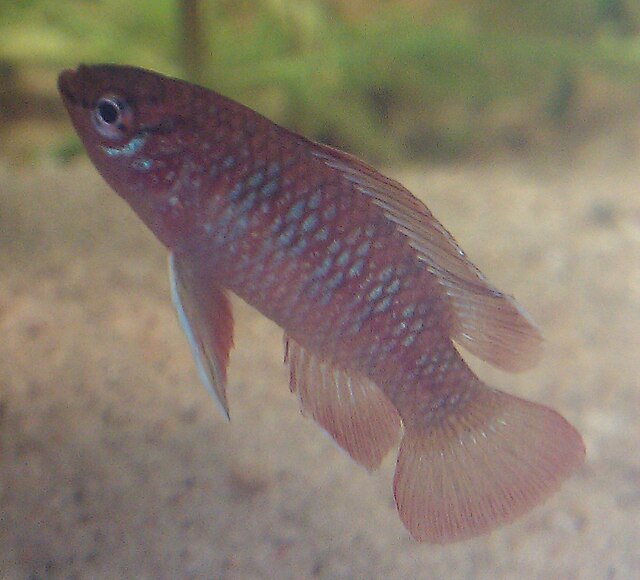
Scarlet Badis
The Scarlet Badis is a tiny jewel of a fish, reaching just 1.5–2 cm as an adult, with males flashing a vivid red that stands out beautifully against a planted tank. Despite its size, it's a true micro-predator, stalking small live prey from behind cover rather than grazing in the open. Because it rarely accepts dry food and needs a diet of live or frozen foods, along with stable water quality, it's generally considered a fish for more experienced keepers. For aquarists ready for the extra attention, it rewards with striking color and quietly fascinating behavior.
View Scarlet Badis encyclopedia →0% commission on your first sales!Register by September 30, 2026 and your first 2 sales are commission-free!
Breeder Wanted!
List on BreederDirect and sell directly to customers nationwide!
Our 6 Transparency Commitments
All Tropical Fish listings include water quality, temperament, and tank size information from verified Breeder.
- Origin Disclosed
- Real Photos
- Water Quality Disclosed
- Recommended Tank Size
- Temperament Disclosed
- Breed Line Disclosed
Browse all 301 breeds
Water Type
Care Level
Verified breeders wanted for Tropical Fish
Breeders are signing up now ahead of launch. Subscribe to be notified when new listings go live.
Getting alerts is free with a member account. When new listings match your saved search, we'll notify you by email and in-app.
Browse other categories
Verified breeders (preview)
Are you raising tropical fish?
Register as a breeder and connect with buyers directly.
Apply as a breederAbout Scarlet Badis
Scarlet Badis: a jewel-toned micro predator fish reaching just 1.5–2 cm, prized for its vivid red males. An advanced-keeper species relying on live and frozen foods.
7 things to know before welcoming a Scarlet Badis
1Needs Live or Frozen Food
Scarlet Badis rarely accepts dry flakes or pellets, so its diet centers on frozen bloodworms, brine shrimp, and other live or frozen foods. This makes feeding more hands-on than with typical community fish.
2A Tiny Predator by Nature
This species behaves like a miniature ambush predator, lurking near cover and darting out at small prey rather than schooling in open water. Feeding routines should account for this hunting style.
3Choose Tankmates Carefully
Because it's shy and a slow, deliberate feeder, boisterous or fast-eating fish will easily outcompete it for food. Peaceful, similarly small tankmates — or keeping it alone — tend to work best.
4Provide Plenty of Hiding Spots
Dense plants and driftwood that break up sightlines help this fish feel secure and reduce stress, which in turn supports better coloration. In an open, bare layout it tends to stay hidden out of sight.
5Stable Water Quality Matters
Sudden water quality swings, or a newly cycled tank, can put unnecessary stress on this species. It does best in a mature, well-established aquarium with minimal fluctuation.
6Males Are Territorial
Males will spar over territory, especially in tight quarters. If keeping more than one male, add extra hiding spots and space so they can establish separate territories.
7Watch for Small Gaps
Its tiny body can slip into filter intakes or small gaps around the tank that would stop a larger fish. Fitting a sponge pre-filter and checking for gaps ahead of time helps prevent accidents.
Frequently asked questions about Scarlet Badis
- Q.Is the Scarlet Badis suitable for beginners?
- A.The Scarlet Badis is generally considered a fish for more experienced keepers. Its reliance on live or frozen foods and need for stable water quality make it better suited to hobbyists with some aquarium experience.
- Q.Can it be kept with other fish?
- A.Since it's shy and a slow feeder, avoid pairing it with fast, boisterous fish that will out-compete it for food. Peaceful small tankmates, or a species-only setup, work better.
- Q.What should I feed it?
- A.Frozen bloodworms, brine shrimp, and similar live or frozen foods form the core of its diet. It rarely takes dry flakes or pellets, so plan feeding accordingly.
- Q.How big does it get, and how long does it live?
- A.Adults reach only about 1.5–2 cm, and typical lifespan is around 3–5 years.
- Q.How can I tell males and females apart?
- A.Males typically show more vivid red coloration overall, while females tend to appear more subdued. Coloring varies between individuals, so it helps to compare several fish side by side.
Useful tools for Scarlet Badis care
Learn more about Scarlet Badis in the encyclopedia
View Scarlet Badis encyclopedia entry →
Care difficulty, lifespan, size and diet — all basics covered.
More in this category
Can't find the one you're looking for?
Post your wishes for free and breeders with matching animals will contact you with introductions.