Geophagus (Earth Eaters) Care Guide | Sand-Eating Behavior, Water Quality, and Breeding Basics
A comprehensive guide to caring for Geophagus (Earth Eaters), South American freshwater cichlids. Covers their distinctive sand-eating behavior, required substrate and water conditions, tank-mate compatibility, and breeding methods in practical detail.
Key Takeaways
A comprehensive guide to caring for Geophagus (Earth Eaters), South American freshwater cichlids. Covers their distinctive sand-eating behavior, required substrate and water conditions, tank-mate compatibility, and breeding methods in practical detail.
Related Species
What Kind of Fish Are Geophagus?
The genus Geophagus (Geophagus spp.) derives its name from the Greek meaning "eater of the earth," referring to their distinctive feeding behavior of filling their mouths with substrate and filtering it through their gills. Widely distributed throughout the Amazon and Orinoco river basins in South America, popular species in the aquarium hobby include the following:
- G. brasiliensis
- G. surinamensis
- G. steindachneri
- G. altifrons
Body length varies by species, ranging from 8 to 30 cm. The Brasiliensis, a beginner-friendly species, is relatively hardy and easy to care for.
In nature, they inhabit sandy areas in slowly flowing river bottoms and tributaries, exhibiting schooling behavior while moving along the substrate. The wide range of color variations and changes in body coloration as they mature are appealing characteristics for aquarium keeping.
When selecting fish at purchase, checking the following points will help you choose healthy individuals:
- The body surface has no white spots, wounds, or cloudy white film-like deposits
- The fins are not held tightly closed, nor are they torn or damaged
- The fish is not stationary at the bottom or breathing heavily near the surface
- Aggression among tank mates is not excessively intense
After purchase, avoid placing the fish directly into the main tank. Instead, acclimate it to the water conditions first, then house it separately from other fish for a while to confirm its adjustment.
Choosing Substrate to Accommodate Sand-Eating Behavior
Key points for selecting substrate that accommodates the sand-eating behavior of Geophagus are as follows:
- Fine sand (0.5–1 mm) is essential. Gravel or large-grain sand prevents the fish from taking mouthfuls of sand, hindering their natural feeding behavior and causing stress or injury to their snout.
- Choose fine, rounded particles such as white river sand, silica sand, or aquarium-grade play sand without sharp edges.
- Maintain substrate depth at approximately 3–5 cm, ensuring adequate substrate circulation to prevent anaerobic zones.
- To prevent clogging of equipment from suspended sand, attach a sponge pre-filter to the intake of your filter.
Food waste and fecal matter tend to accumulate in the substrate, so make regular substrate maintenance a habit using a gravel siphon or similar tool to remove sediment. When cleaning, avoid excessively disturbing the substrate and stir up gas pockets from anaerobic layers gradually to prevent them from suddenly rising.
Water Quality Management: Soft to Slightly Acidic Water is Essential
Since most of their native habitats are soft-water rivers, the following ranges are appropriate:
| Item | Appropriate Range |
|---|---|
| pH | 6.5–7.5 |
| Hardness | 5–12 dGH |
| Water Temperature | 26–30°C |
Some species such as G. brasiliensis can tolerate slightly hard water with pH 7.5–8.0, but upstream species such as Steindachneri require soft, slightly acidic water. Maintain adequate filtration capacity (8–10 times the tank volume per hour) to keep ammonia and nitrite at zero, and perform 25–30% water changes weekly.
When introducing new fish to the tank or performing water changes, acclimate them slowly to match water temperature and chemistry, preventing stress from sudden changes in parameters. Regularly test pH, ammonia, and nitrite using commercially available test kits and check that values remain stable. This habit helps with early detection of health problems.
Tank Size and Tank Mates
Recommended tank sizes vary depending on the species size.
| Species Size | Recommended Tank Size |
|---|---|
| Medium Species (15–20 cm) | 90 cm or larger |
| Large Species (over 25 cm) | 120 cm or larger |
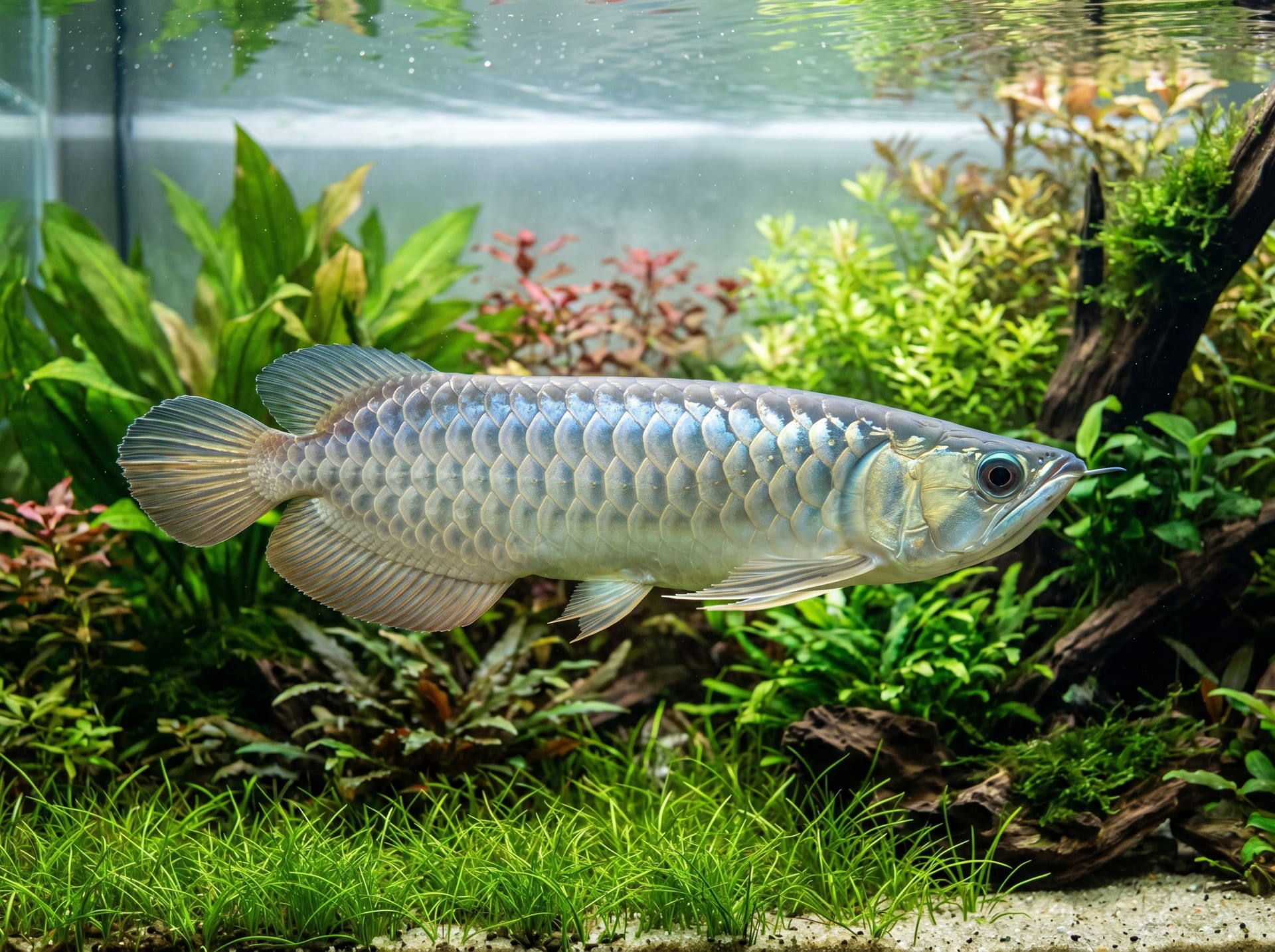
Multiple specimens of the same species or genus often result in territorial disputes, so keep them singly or provide ample hiding places (large driftwood and rocks) for group housing. Suitable tank mates include fish of similar size such as Silver Arowana and Red-tailed Catfish, or small tetras (provided they are large enough not to fit in the Geophagus's mouth). During breeding season, when territorial behavior intensifies, solitary housing or a large tank for multiple specimens is safer.
Arrange multiple pieces of driftwood and rocks in the layout to provide hiding places, and create visual barriers to reduce aggression stemming from territorial behavior. Disputes are particularly likely immediately after introduction or when new specimens are added, so monitor the tank frequently for a time, watching for excessive chasing or individuals cowering in corners due to lack of access to hiding places. If one individual is clearly being attacked continuously, consider isolation or rearranging the tank layout.
Feeding: Omnivorous Diet with Variety
These bottom-feeding omnivores primarily consume the following foods:
- Pellet-form sinking food
- Frozen bloodworms
- Brine shrimp
- Frozen daphnia
- Vegetables (Chinese cabbage, spinach)
Floating food does not suit their bottom-feeding behavior and results in excess waste, so select sinking pellets. Feed 2–3 times daily in amounts that are consumed within 5 minutes. To prevent substrate clogging, remove uneaten food with a siphon.
In terms of color enhancement and nutritional balance, rotating among several food types rather than feeding only one type of food helps prevent nutritional imbalances. Uneaten food left on the substrate causes water quality deterioration, so adjust feeding amounts conservatively by observing the fish, providing only what they can completely consume.
Breeding: Mostly Mouthbrooder Species
Most Geophagus species exhibit a mouthbrooding behavior pattern, with the pair guarding eggs after fertilization on the substrate, after which the female or both parents protect the eggs orally in their mouth. Signs of breeding include the following:
- Pair formation
- Digging mortar-shaped depressions in the substrate
- Increased aggression toward other fish
Breeding should be done in a tank without other fish or in a large tank with a divider. Fry begin free-swimming approximately 7–10 days after hatching. Suitable initial foods for fry include brine shrimp nauplii and powdered fry food.
Until fry reach adequate size, protect them from predation by parents or other tank mates by either moving them to a separate container or partitioning the tank. While parents are mouthbrooding, maintain stable water quality, avoid sudden changes, and keep the environment quiet to prevent the parents from spitting out eggs or fry due to disturbance or strong light.
Health Signs to Monitor During Care
Daily observation is essential for early detection of changes in Geophagus health. If any of the following signs appear, consider checking water parameters or isolating the fish:
- Reduced feeding response or complete loss of appetite
- Body color appears duller or cloudy white
- Fins remain tightly held against the body and do not open
- Continuous gasping behavior near the water surface
- Specific individuals remain hidden and do not emerge
If you notice any of these signs, first check water parameters such as ammonia, nitrite, and water temperature for abnormalities. If the cause cannot be identified or symptoms do not improve, consult an experienced aquarium shop or specialist rather than attempting self-diagnosis and treatment.