Complete Guide to Algae Control in Aquariums | Causes, Removal, and Prevention Methods by Type
A comprehensive explanation of the causes and countermeasures for different types of algae that appear in aquariums. This article introduces removal and prevention methods for brown algae, green algae, black beard algae, and cyanobacteria.
Key Takeaways
A comprehensive explanation of the causes and countermeasures for different types of algae that appear in aquariums. This article introduces removal and prevention methods for brown algae, green algae, black beard algae, and cyanobacteria.
Related Species
Algae that attach to the glass surfaces and aquatic plants of an aquarium is one of the most troubling issues for tropical fish keepers. The causes of algae growth differ depending on the type of algae, and the countermeasures vary accordingly. Simply cleaning blindly without understanding the root cause will not provide a fundamental solution. Therefore, it is important to understand the nature of the algae and implement countermeasures suited to the cause. This article explains the causes and countermeasures for representative types of algae.
Brown Algae (Diatoms) - Causes and Countermeasures
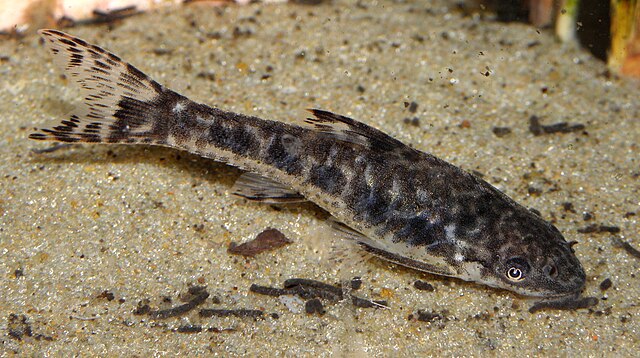
Brown algae is a type of brownish algae that most frequently develops in the early stages of setting up an aquarium, spreading as a thin film on the glass surface and substrate. The main causes are the presence of silicates and nitrates in the water, and it tends to develop when the filter of a new aquarium is not yet functioning sufficiently. Brown algae itself is not harmful to fish, and it often naturally decreases as the aquarium matures and bacterial balance stabilizes, so there is no need to worry excessively. As a countermeasure, introducing algae-eating organisms such as plecos (Otocinclus) and mystery snails is effective. Three to five plecos can remove brown algae from a 60cm aquarium in one to two weeks. Brown algae on the glass surface can be easily removed with melamine sponges or magnetic cleaners. Adjusting the lighting duration to 6-8 hours is also effective.
Green Algae (Chlorophyta) - Types and Countermeasures
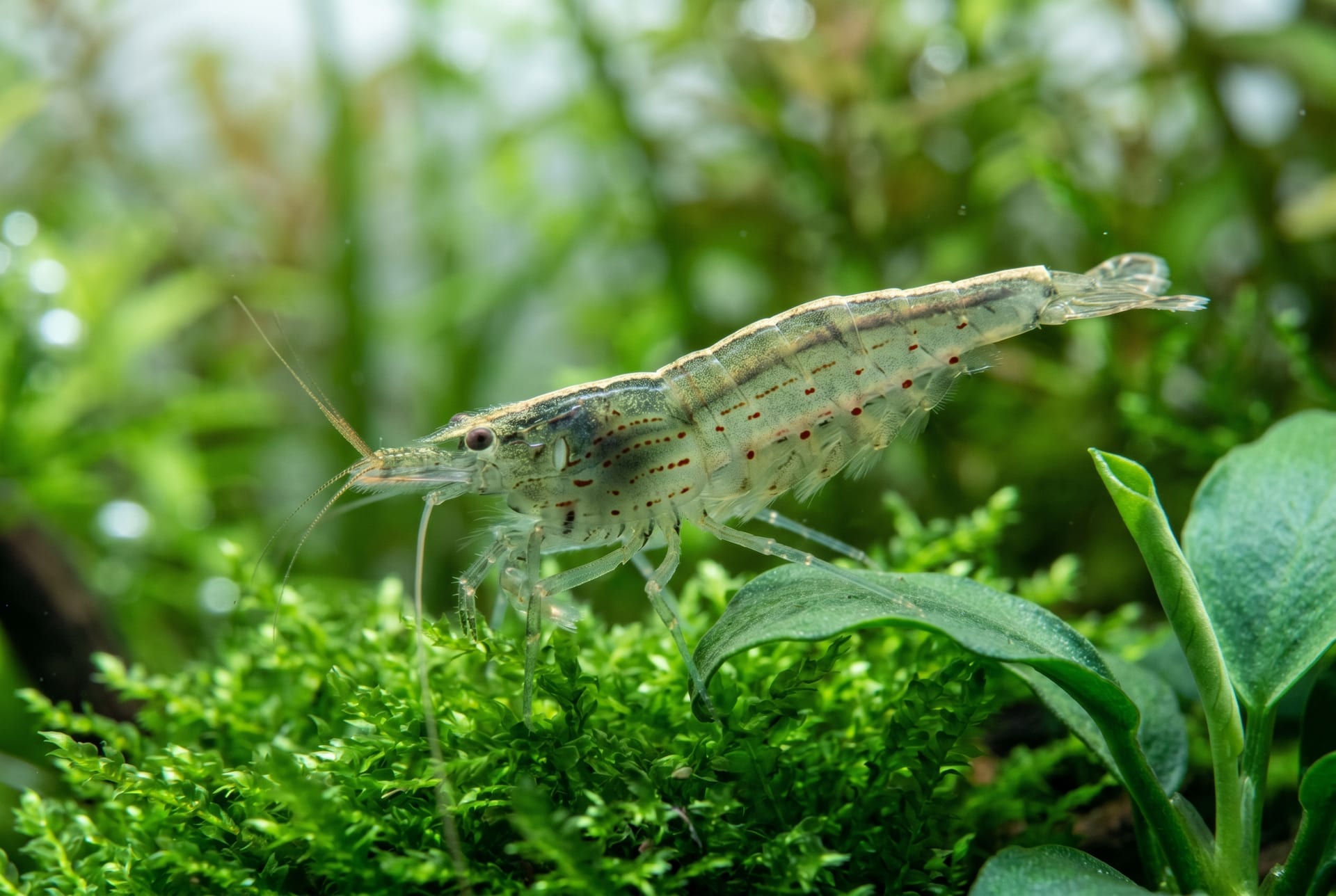
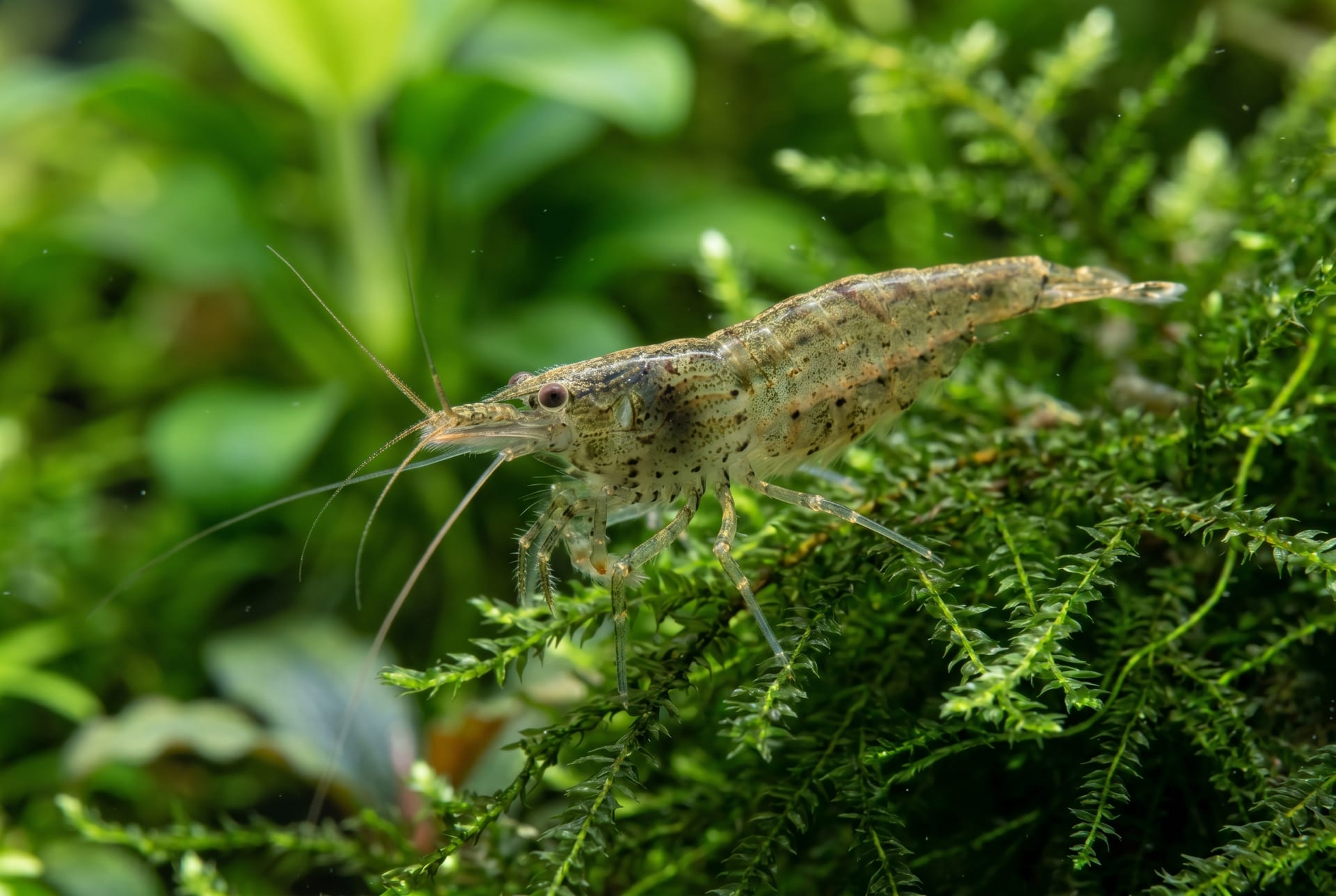
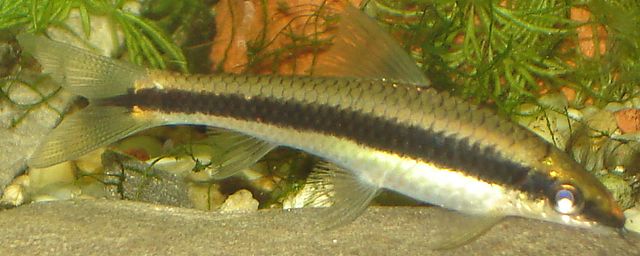
Green algae has the most varieties, including spot-like green algae (green spot algae), filamentous green algae (filamentous algae), and film-like green algae that spreads thinly over glass surfaces. Green spot algae consists of hard green dots that adhere to the glass surface, with excessive light intensity or prolonged lighting duration being the main causes. Remove it physically with a scraper and reduce the lighting duration. Filamentous algae is a type of algae that grows like thin threads from aquatic plants or driftwood, caused by an imbalance of nitrogen and phosphorus in the water. Amano shrimp and Siamese flying foxes eat filamentous algae well. Increase the frequency of water changes to remove phosphates, and reconsider the amount of fertilizer being added. Blue-green water haze appears as floating green cloudiness on the water surface and should be removed by hand before performing a water change.
Black Beard Algae - Causes and Removal Methods
Black beard algae (red algae) is a troublesome algae that bothers many aquarists. It grows as short black to dark purple hair-like structures on filter outflows, the edges of aquatic plant leaves, driftwood surfaces, and other areas. The main causes are phosphate accumulation and uneven water flow. For aquatic plants with black beard algae, trimming the leaves is most effective. For driftwood, remove it and apply undiluted wood vinegar with a brush, let it sit for 5 minutes, then rinse with water. It will turn white and die, and shrimp and fish will eat the whitened black beard algae. As a fundamental countermeasure, it is important to regularly clean the filter to prevent phosphate accumulation, maintain appropriate feeding amounts, and reduce areas where water flow directly impacts. Adding phosphate-absorbing media to the filter is also effective.