Aquascaping Basics | How to Create Beautiful Layouts Even as a Beginner
An explanation of aquascaping (water landscape art) fundamentals for beginners. Covers basic composition patterns, material selection, aquatic plant planting techniques, and maintenance methods—all the knowledge you need to create a beautiful aquascape.
Key Takeaways
An explanation of aquascaping (water landscape art) fundamentals for beginners. Covers basic composition patterns, material selection, aquatic plant planting techniques, and maintenance methods—all the knowledge you need to create a beautiful aquascape.
Related Species
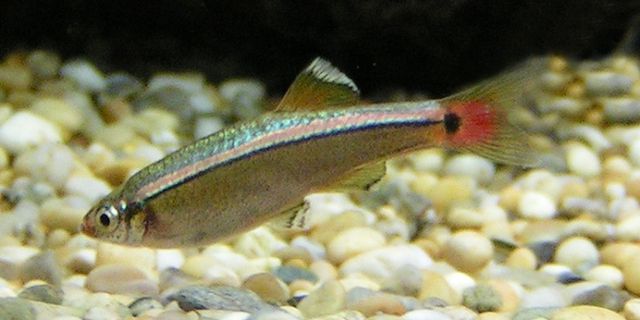
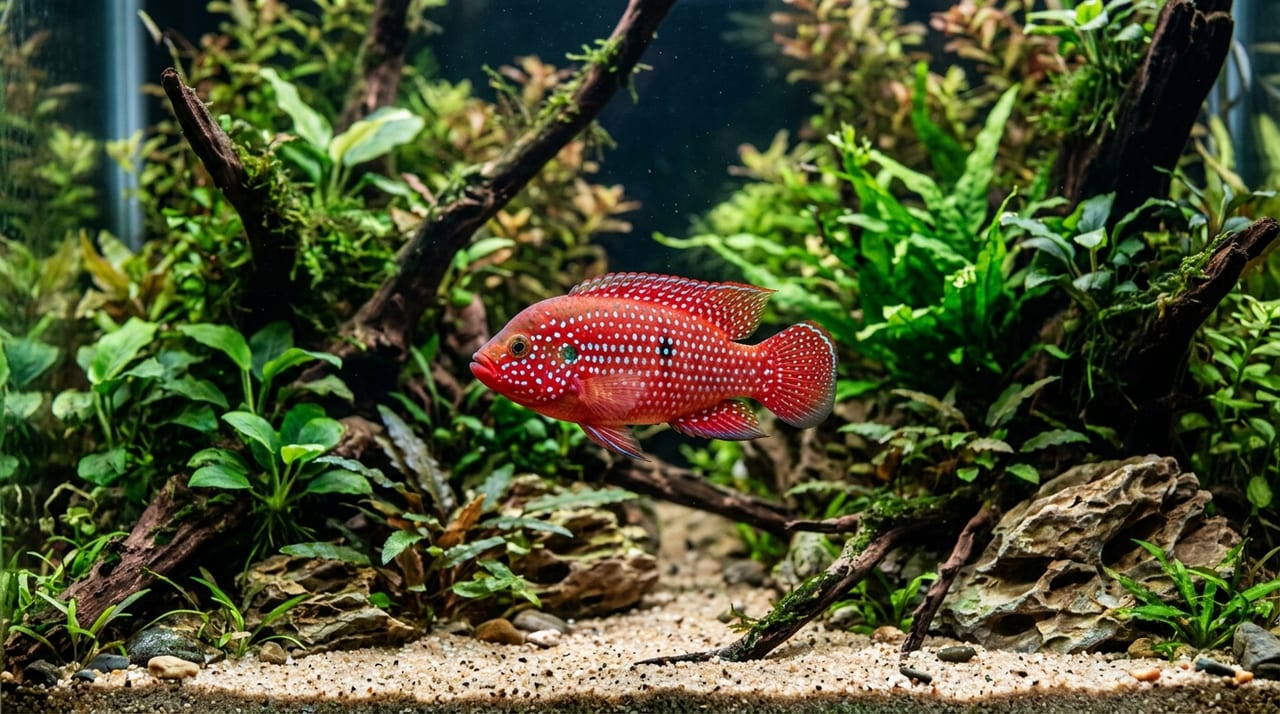
Aquascaping is a layout technique that artistically recreates natural landscapes within an aquarium. This field, exemplified by the "Nature Aquarium" concept pioneered by Takashi Amano, continues to captivate aquarists around the world. While it may seem difficult at first glance, beginners can create beautiful layouts by mastering the basic principles.
The Three Styles of Aquascaping
Aquascaping has three representative styles.
- Nature Aquarium: A style of Japanese origin established by Takashi Amano. Natural landscapes (mountains, forests, valleys, etc.) are condensed and recreated within the aquarium. Driftwood and stone serve as the framework, and aquatic plants are delicately planted to create a landscape as if capturing a piece of nature. It is characterized by a minimalist aesthetic that incorporates the concept of wabi-sabi.
- Dutch-Style Planted Tank: A traditional European style that expresses vibrant, garden-like beauty by neatly organizing and separating many different species of aquatic plants. Emphasis is placed on the contrast between plant colors and leaf shapes, while driftwood and stone are used sparingly. The highlight is the carpet-like beauty created by arranging colorful plants at different heights in a terraced manner.
- Iwagumi Layout (Stone Arrangement Style): A layout with stone as the main element, expressing mountain landscapes and valleys. It uses expressive stones such as Dragon Stone, Seiryu Stone, and Landscape Stone, and aquatic plants are planted sparingly in the gaps between stones and around them to emphasize the presence of the stone. Since hardness tends to increase, confirm the effect of the stones on water quality in advance.
Basic Composition Patterns
Composition in aquascaping is the foundation for creating visual balance and sense of depth.
- Triangular Composition: A composition where the highest point (peak) is set at one end, either left or right, and gradually becomes lower toward the opposite diagonal direction. It is the most approachable and recommended for beginners. Densely plant stem plants such as Rotala and Ludwigia on the higher side, and place Cryptocoryne and Anubias toward the lower side. Placing large driftwood or stone on the peak side creates a natural center of gravity.
- Concave Composition: A composition where the left and right sides are tall and the center is low, expressing an open feeling like a valley or ravine. Since the view opens up through the central space, you can beautifully display schooling tropical fish. The key is to use different types of aquatic plants on the high parts on the left and right, and avoid making them too symmetrical.
- Convex Composition: A composition with a peak of height in the center, gradually becoming lower toward the left and right. It is easy to create an independent landscape like an island, and is suitable for layouts with a single large piece of driftwood as the focal point. While it is somewhat advanced, when successful it creates a highly impactful aquascape.
How to Choose Materials
- Driftwood: Branch wood (branched driftwood) with delicate branches is suitable for Nature Aquariums. Horn wood (angled driftwood) is characterized by a strong shape and looks impressive in large layouts. Spider wood (web-like driftwood) with complex branching creates a unique atmosphere. Driftwood needs to be treated to remove tannins—boil it or soak it in water for an extended period to extract the tannins.
- Stone: Check the effect of aquarium stones on water quality in advance. Dragon Stone is attractive for its complex surface texture but raises hardness. Fengshan Stone is a classic stone that has minimal impact on water quality and is easy to use. Lava stone is porous and excellent for bacterial colonization, and is also suitable for plant attachment. Unifying stones of the same type is the golden rule for creating a natural landscape.
- Substrate: Soil (substrate for aquatic plant cultivation) is the standard substrate for planted tanks. Nutrient-rich soil (such as ADA Amazonia) is rich in fertilizer components and promotes plant growth, but it releases a large amount of ammonia initially, so for 2-3 weeks after setup, stabilize the water quality without adding fish. Absorptive soil has a milder effect on water quality and is easier for beginners to handle.
Techniques for Creating Depth
Here we introduce techniques for creating a sense of depth in the limited space of a 60cm tank with a depth of 30cm.
- Substrate Slope: Create a slope by laying the substrate thin at the front (2-3cm) and thick at the back (8-10cm or more). This height difference creates perspective. Support the substrate with stones or plastic dividers to maintain the slope.
- Application of Perspective: Place large stones and thick driftwood in the foreground, and arrange smaller stones and thinner driftwood as you go deeper. Choosing plants with smaller leaves for the back further emphasizes the sense of depth.
- Using Foreground, Midground, and Background: Place short plants such as Glossostigma and Hair Grass in the foreground, Cryptocoryne and Bucephalandra in the midground, and tall plants such as Rotala and Vallisneria in the background.
Planting Techniques
Here are the key points for planting aquatic plants beautifully.
Insert stem plants one at a time diagonally with tweezers. Planting them in bundles causes the roots to become crowded, blocking water flow and causing rot. Divide foreground plants into small sections of 1-2cm and plant them at 2-3cm intervals, then wait for them to spread with runners as they grow and form a carpet-like appearance.
Attach plants such as Anubias, Microsorum, and Bucephalandra to driftwood or stone by wrapping them with cotton thread or fishing line. Once roots have attached in a few weeks, the thread will dissolve naturally or can be removed. You can also directly attach them with instant adhesive (gel type), which is more convenient.
From Setup to Stability
- Once the layout is complete, turn on the lighting and CO2, and start circulating the water.
- For the first two weeks, to promote plant root development, limit lighting to about 6 hours per day and do a 50% water change every other day.
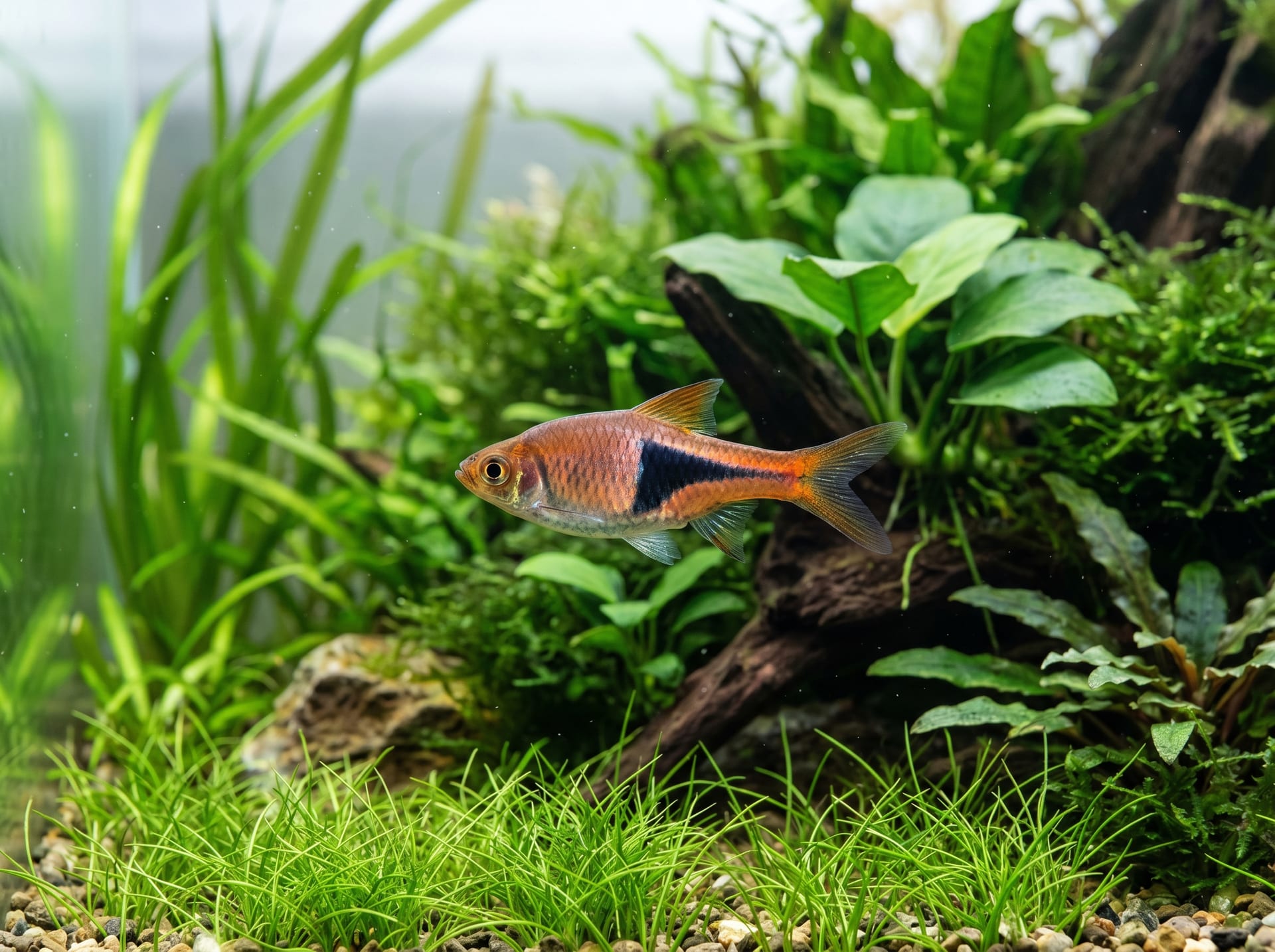
- After the third week, when ammonia release from the soil subsides, introduce hardy pilot fish such as Rasboras or Red Comets.
- Confirm water quality stability before adding your desired fish.
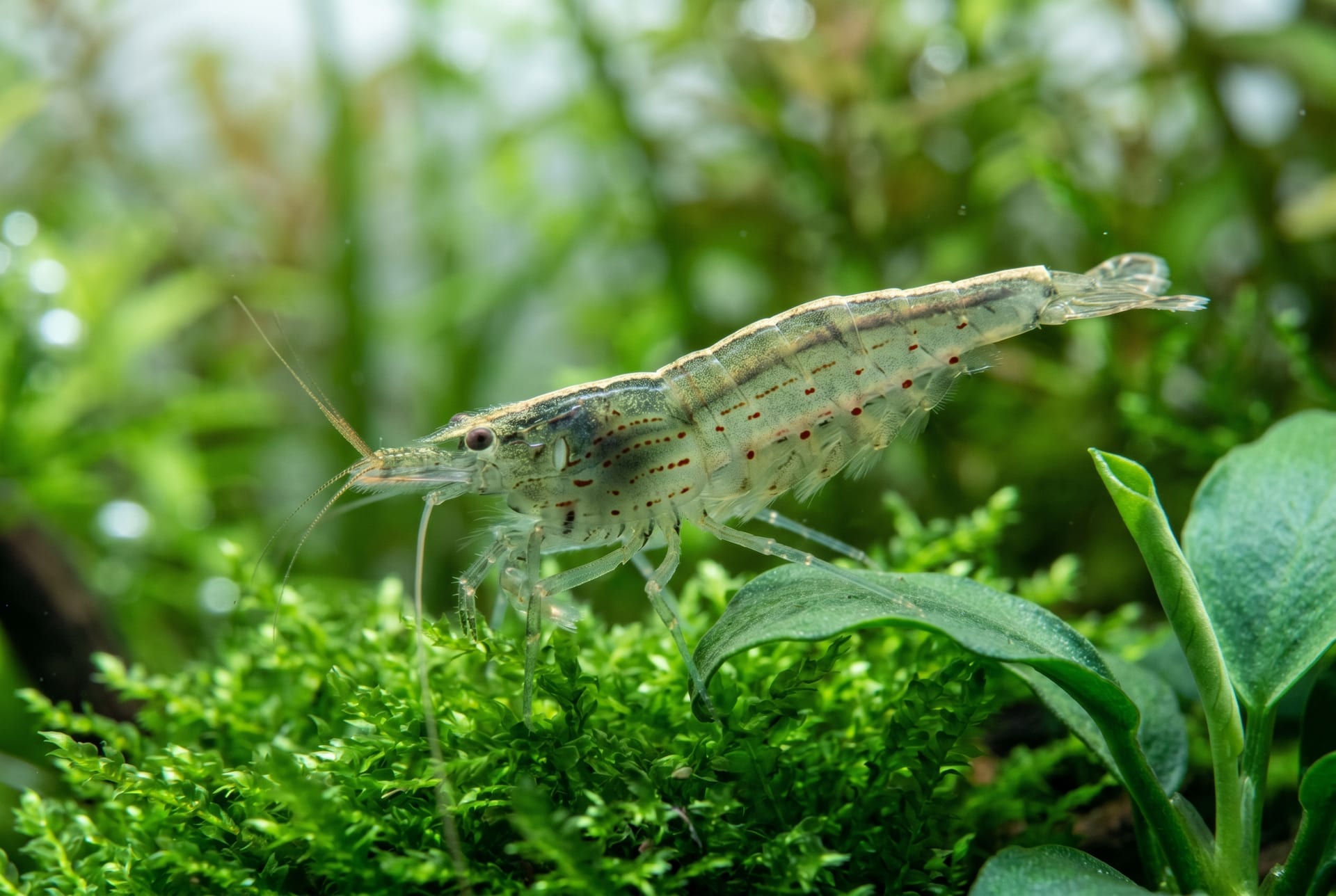
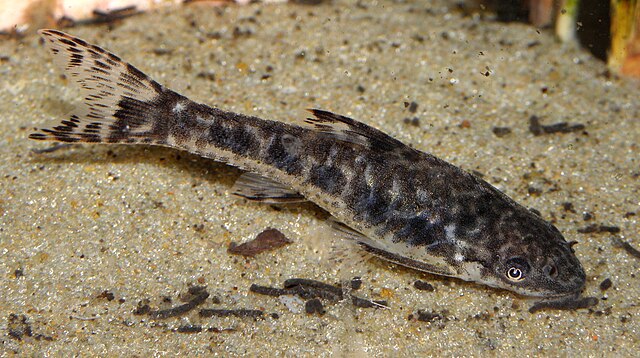
Introducing Amano Shrimp or Otocinclus catfish in the early stages of setup is an effective way to manage algae. Since different types of algae—brown algae, green algae, black beard algae, and others—require different treatments, it is important to accurately identify the type of algae that has developed.
Find Fish That Shine in Your Aquascape on BreederDirect
Aquascaping is perfected not just by plants but also by the fish that swim through it. On BreederDirect, you can select high-quality individuals with good coloring and body shape directly from breeders, making it easy to find fish that perfectly complement your aquascape. You can also consult with breeders for advice on choosing fish that match your layout.