Tropical Fish Medication Guide — Proper Treatment by Symptom | ブリちょく
Tropical Fish| ✍️ BreederDirect Editorial
Tropical Fish Medication Guide — Proper Treatment by Symptom
A symptom-by-symptom guide to tropical fish medications, covering ich, fin rot, fungal infections, and proper treatment procedures.
Key Takeaways
A symptom-by-symptom guide to tropical fish medications, covering ich, fin rot, fungal infections, and proper treatment procedures.
Treating Tropical Fish Diseases: A Complete Guide
✍️
BreederDirect Editorial
The BreederDirect editorial team specializes in care information for animals, covering veterinary care and breeding to deliver beginner-friendly guides.
Find Tropical Fish on BreederDirect
Buy directly from verified breeders
Browse Related Listings
Find Tropical Fish listings related to this article on BreederDirect. Buy directly from verified breeders.
Related Tools
Related Articles
Browse by Category
🪸Coral
🐠Marine Fish
🐟Tropical Fish
🐡Goldfish
🐟Medaka
🦎Reptiles
Share
Disease management is an inevitable challenge in tropical fish keeping. Early detection and appropriate treatment are key to saving your fish's life, but misunderstanding medication types and usage can actually cause more harm than good. This guide explains the best treatments and medication bath methods for different symptoms in detail.
Early Signs of Disease Detection
Before beginning treatment, it's essential to catch any signs of illness early. Pay attention to the following indicators in your daily observations.
Changes in body appearance: White spots, cotton-like growths, raised scales, faded coloration, hemorrhagic spots
Changes in behavior: Staying still at the bottom, gulping at the water surface, rubbing against objects, unstable swimming
Changes in appetite: Not eating, or spitting out food
Changes in respiration: Rapid gill movement, only one gill opening and closing
Changes in excretion: White feces, mucus-like feces
When you notice these signs, quickly identify the cause and begin treatment.
Ich (Ichthyophthirius multifiliis)
The most common disease in tropical fish. White grain-like spots appear across the body, and as it progresses, fish rub themselves against the substrate and décor. The causative agent is the ciliate protozoan Ichthyophthirius multifiliis.
Recommended medications: Malachite green-based treatments (Hicosan Z, Agten, etc.) or methylene blue. For severe cases, a combination of malachite green and formalin is effective.
Treatment procedure: Remove activated carbon from the filter, then add the medication to the tank at recommended dosage. Raising the water temperature to 28-30°C accelerates the parasite's life cycle, bringing the free-swimming stage where the medication is effective more quickly. Perform 50% water changes every 3 days and add medication again after each change. Treatment should continue for a minimum of 10-14 days. Even after white spots disappear, the parasite may remain in the substrate as cysts, so do not stop treatment midway.
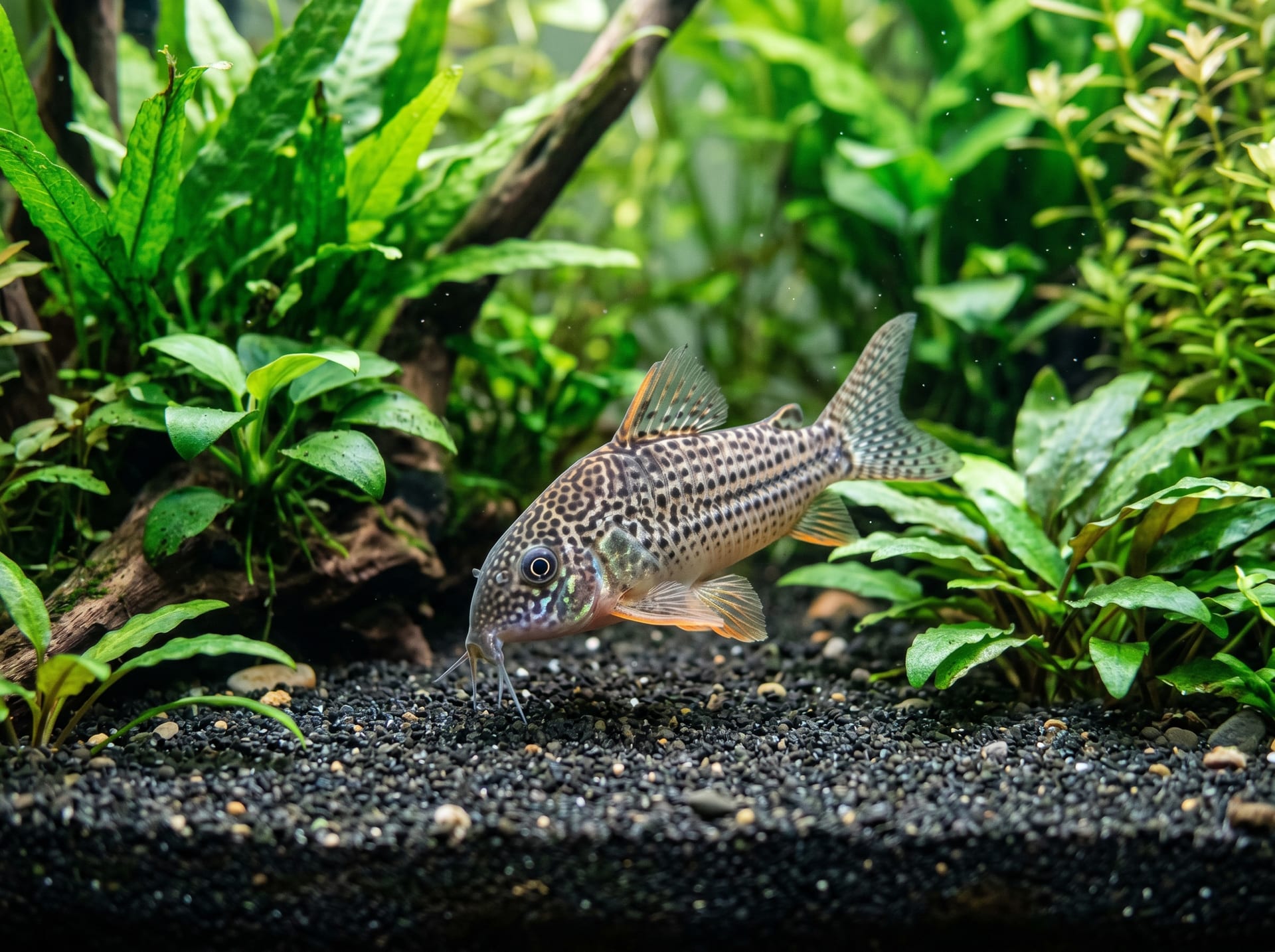
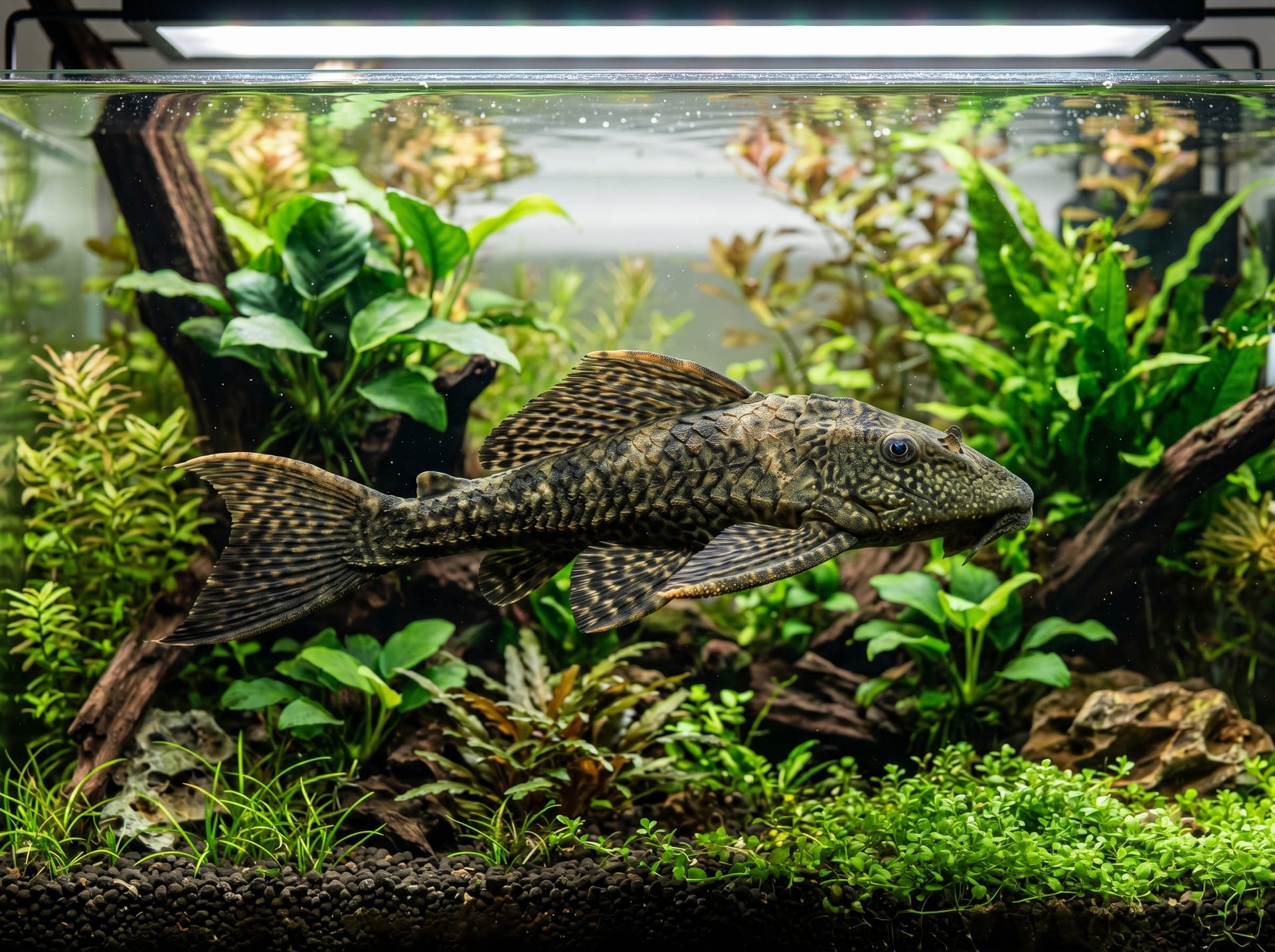
Caution: Malachite green is highly toxic to catfish (Corydoras, Plecos, etc.) and shrimp, so begin with half the recommended dose and observe the fish.
Fin Rot and Mouth Rot (Columnaris)
The tips of fins dissolve and deteriorate, eventually destroying the entire fin. When affecting the mouth, it becomes white and ulcerated, making opening and closing difficult. The causative agent is the bacterium Flavobacterium columnare, which thrives when fish are stressed and their immune systems are compromised by poor water quality.
Recommended medications: Elbaージュ Ace (furan-based) or Green F Gold granules (oxolinic acid). In mild cases, salt baths (0.5%) may also help.
Treatment procedure: For mild cases, add Green F Gold granules at recommended dosage and treat for 5-7 days. For severe cases, use Elbaージュ Ace. Though powerful, it damages beneficial bacteria in the tank, so treatment in a quarantine tank is preferable if possible.
Prevention: Proper water quality management is the best prevention. Perform weekly water changes, maintain your filter properly, and avoid overcrowding.
Water Mold (Saprolegniasis)
White cotton-like growths appear on the body and fins. Water mold (Saprolegnia species, etc.) rarely infects healthy fish but grows on wounds or in fish with compromised immunity. Secondary infections from transport injuries or wounds from aggressive fish are typical.
Recommended medications: Methylene blue or malachite green-based treatments. For localized cases, applying methylene blue directly to the affected area with a cotton swab is also effective.
Treatment procedure: Place the fish in a quarantine tank with methylene blue at recommended dosage and treat for 7 days. Set water temperature to 26-28°C and perform 50% water changes with medication reapplication every 2 days. Continue treatment for several more days even after visible fungal growth disappears.
Aeromonas Infection (Dropsy and Pop-Eye)
Scales that stand up like pine cones (dropsy) or eyes that protrude (pop-eye) are mainly caused by Aeromonas hydrophila bacterial infection. Since infection progresses within the body, treating only the body surface is often insufficient in these difficult-to-treat diseases.
Recommended medications: Kanpara D (oxolinic acid) or Green F Gold liquid. Oral medication (medicated food) is effective, and combining both medication baths and medicated food is recommended.
Making medicated food: Soak prepared food in Green F Gold liquid and let sit for several minutes before feeding. Medicated food is most effective if the fish still has appetite, but if appetite has declined, rely on medication bath alone.
Caution: Dropsy is often quite advanced by the time it's noticed, making complete recovery difficult. It's crucial to begin treatment at the very earliest signs of scale abnormalities.
Parasitic Infections (Fish Louse and Anchor Worm)
Fish louse (Argulus) is a disc-shaped parasite visible to the naked eye. Anchor worm (Lernaea) is a thin rod-like parasite that pierces the body surface. Both are parasites often introduced from outdoor ponds or wild-caught fish.
Recommended medication: Riphish (trichlorfon-based). Remove adult fish lice and anchor worms carefully with tweezers, then apply methylene blue to the wound site.
Treatment procedure: Add Riphish at recommended dosage, then retreat after 2 weeks to destroy parasites that have hatched from eggs. Riphish is lethal to shrimp, so it cannot be used in tanks containing them.
Basic Rules for Medication Baths
Here are the fundamental rules common to all medication baths.
First, remove activated carbon. Activated carbon absorbs medication and reduces its effectiveness, so always remove it from the filter before beginning treatment. Zeolite should also be removed.
Next, increase aeration. Oxygen consumption increases during medication baths, so use an air pump for proper aeration. This is essential, especially in temperature-raising treatments where dissolved oxygen decreases.
Keep lighting minimal. Most medications break down easily in light, so turn off lighting or reduce it to a minimum during treatment. Methylene blue and malachite green are especially prone to photodegradation.
Strict adherence to recommended dosage is essential. Never add extra medication just to speed up treatment—overdosing is fatal to fish. Catfish and shrimp are particularly sensitive to medication, so starting with half the recommended dose is advised.
After treatment, use activated carbon to remove medication and gradually return to normal management.
Get Healthy Fish from Breedoku
The most effective disease prevention is obtaining healthy specimens to begin with. At Breedoku, you can purchase healthy tropical fish directly from breeders who care for them meticulously, and you can verify their health history and rearing environment. There's also the peace of mind of being able to consult the breeder if any problems arise.