Complete Guide to Discus Care|Water Quality Management, Color Enhancement, and Breeding Tips
A comprehensive guide to caring for discus fish, the "king of tropical fish." Covers water quality management in slightly acidic soft water, feeding and environmental techniques for color enhancement, breeding techniques from pairing to fry rearing, and disease prevention methods.
Key Takeaways
A comprehensive guide to caring for discus fish, the "king of tropical fish." Covers water quality management in slightly acidic soft water, feeding and environmental techniques for color enhancement, breeding techniques from pairing to fry rearing, and disease prevention methods.
Related Species
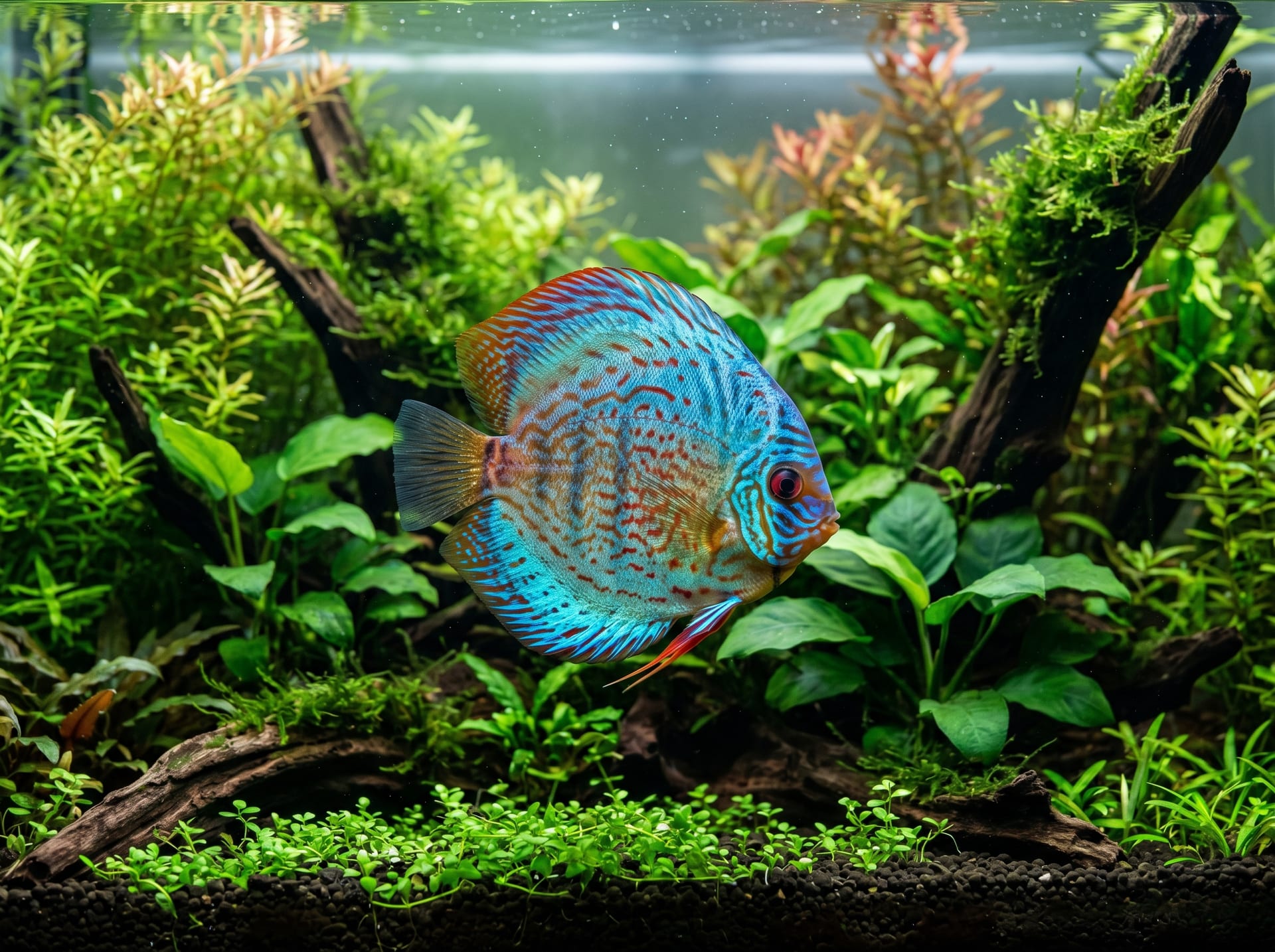
Discus fish are called the "king of tropical fish," renowned for their disc-shaped body form and vibrant coloration as members of the cichlid family. Native to the Amazon River basin in South America, they are prized for both the subtle beauty of brown and blue wild specimens and the vivid charm of red and turquoise selectively bred varieties. However, discus fish have demanding water quality requirements and are known to be somewhat challenging for beginners. With proper environmental understanding and management, you can fully enjoy their exceptional beauty.
Tank Environment and Basic Water Quality Management
Because discus fish have a tall body profile and prefer schooling, keep a minimum of 2–3 specimens in a 60 cm tank, or ideally 5–6 or more in a 90 cm or larger tank. A hierarchy forms within the group, so fewer fish means weaker individuals are more prone to bullying. Ideal water quality is slightly acidic soft water (pH 5.5–6.8, GH 3–8). In many regions, tap water requires not only dechlorination but also pH adjustment. Mixing RO water and tap water to lower hardness is the most reliable method. Set the water temperature slightly high at 28–30°C. This promotes digestion and suppresses the activity of parasites such as ich. Use an external filter with sufficient capacity and combine it with aeration to meet the oxygen demands of bacteria at higher temperatures. Ideal practice is to change 30–50% of the water 2–3 times per week.
Feeding and Color Enhancement Techniques
Color enhancement in discus fish requires both high-quality feed and an appropriate environment. Discus-specific hamburger (a homemade feed based on beef heart mixed with vitamins and color-enhancing ingredients) has long been the standard main food, though high-quality commercial pellets are increasingly available. Feeds containing astaxanthin and carotenoids as color enhancers strengthen red coloration. Frozen bloodworms are highly palatable with excellent nutritional value, but lower-quality products risk introducing parasites, so choose products from reliable manufacturers. Feed 2–3 times daily in amounts that can be consumed within 5 minutes. Remove uneaten food promptly as it degrades water quality. Environmentally, darker substrate and backgrounds deepen the discus fish's coloration. Overly bright environments tend to make colors fade.
Breeding Basics and Pairing
Breeding discus fish is one of the great joys of tropical fish keeping. First, you need to obtain a pair, but sexing discus fish by appearance alone is difficult. The most reliable method is to keep 6–8 juveniles together and wait for pairs to form naturally. Once a pair bonds, the two fish will chase away other fish and begin cleaning a specific spot. As spawning approaches, they meticulously clean a spawning cone or flat surface, the female deposits eggs, and the male fertilizes them. A single spawn produces roughly 100–300 eggs. Hatching takes about 60 hours, after which fry grow by feeding on a mucus secreted from the parents' body surface called "discus milk." This unique parental care behavior is a moving sight unique to discus fish. Once fry become free-swimming, begin feeding them brine shrimp nauplii.
Disease Prevention and Treatment
Common diseases in discus fish include ich (white spot disease), body surface mucus membrane abnormalities (discus AIDS), hexamita (hole-in-the-head disease), and internal parasites. Ich can often be treated by raising water temperature to 32°C. Hexamita presents as holes in the head or lateral line and responds well to medicated baths with metronidazole. Internal parasites cause emaciation and white feces and can be treated with praziquantel or levamisole. The foundation of prevention is maintaining clean water quality, appropriate temperature management, nutritionally balanced feeding, and avoiding overcrowding. When introducing new fish, quarantine them for 2–4 weeks to prevent introducing disease to the existing group. Observe fish behavior and appearance daily, catching early signs of reduced appetite, darkened coloration, or tilted swimming posture.
What are Discus Fish? Why They're Called the King of Tropical Fish
Discus fish are large cichlids native to the Amazon River basin of South America, beloved by aquarists worldwide as the "king of tropical fish." Their appeal lies in their beautiful disc-shaped body form and the vibrant color variations created through selective breeding.
Wild specimens display subdued coloration centered on brown tones, but through selective breeding centered in Asia, a diverse range of varieties in deep red, blue, yellow, white, and other colors are now in circulation. Particularly popular are varieties like "Red Turquoise," "Blue Diamond," and "Pigeon Blood," which feature strong coloration and beautiful markings.
Adult discus reach 15–20 cm in length, and the sight of them gliding gracefully in schools commands a commanding presence in the tank. However, care difficulty is high, requiring meticulous attention to water quality management and feeding. Beginners attempting them without preparation often fail, so it is recommended to first master the fundamentals of tropical fish keeping before attempting discus.
Tank Size and Equipment|Environment Necessary for Discus Care
Discus fish grow quickly and require group keeping as the norm, so provide at least a 90 cm tank (approximately 160 L capacity) at minimum. Ideally, use a 120 cm tank (approximately 240 L capacity) or larger. Small tanks cannot maintain stable water quality, and stress makes disease more likely.
Essential Equipment
Filtration: Top-mounted or external filters are standard. Discus fish are heavy eaters and easily foul water, so filtration capacity should be 3–4 times the tank volume per hour as a guide. For example, a 160 L tank requires processing capacity of 600 L or more per hour. Emphasize biological filtration using porous ceramic or ring-shaped media.
Heater: Install a heater of appropriate capacity for your tank volume to maintain 28–30°C. For safety, use two heaters of distributed capacity in case of failure. Make it a habit to check temperature daily with a thermometer.
Aeration: At higher temperatures, dissolved oxygen decreases, so reinforce oxygen supply with an air pump and air stone. This is especially essential in summer.
Layout Considerations
In discus keeping, the bare-bottom style (without substrate) is mainstream, as waste and food remnants are easily visible and cleaning is simpler. However, because it can look stark, arranging small amounts of driftwood and hardy plants (such as Anubias nana or Microsorum, both low-light plants) enhances aesthetics.
If planting aquatic plants, substrate is necessary, but keep it to about 3 cm depth and use a substrate cleaner to siphon out debris weekly. Substrate that is too thick creates anaerobic layers, degrading water quality.
Tankmates and Disease Prevention|Knowledge to Prevent Problems
Compatibility with Other Fish
Discus fish have peaceful temperaments but possess territorial awareness, so minor squabbles can occur between individuals. Keeping 5 or more disperses aggression and prevents bullying of specific fish.
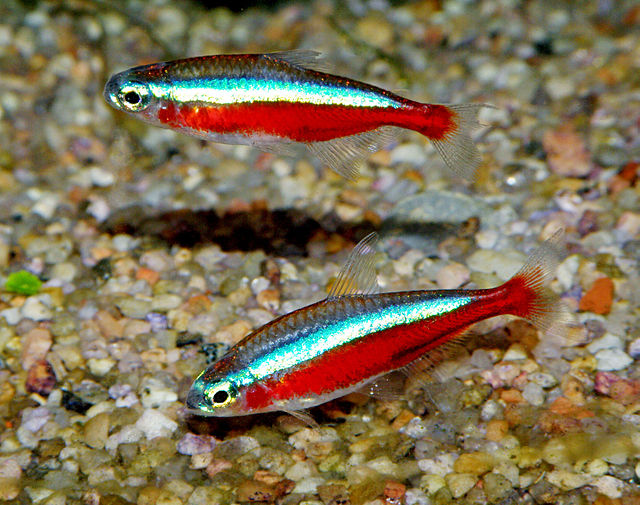
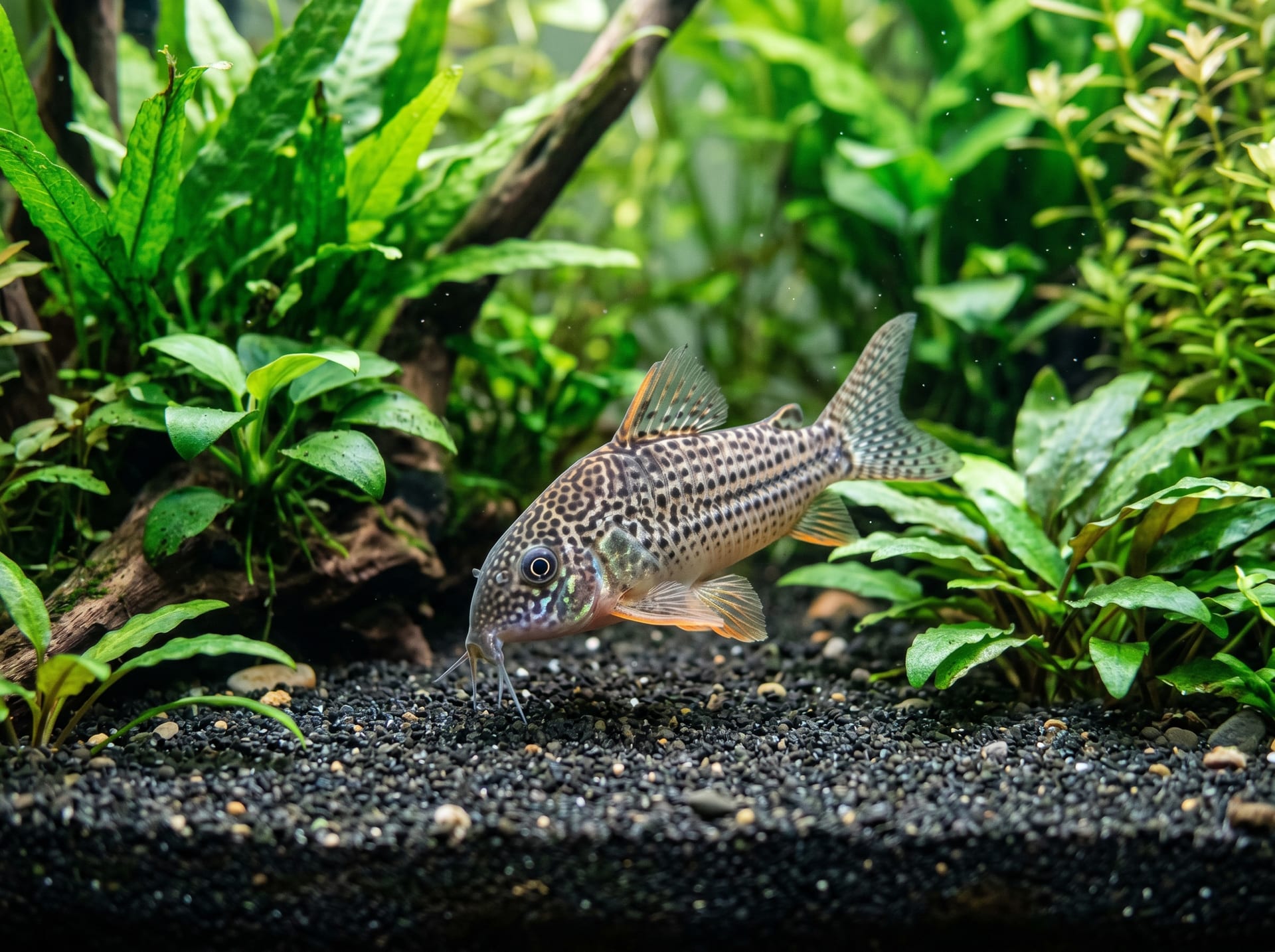
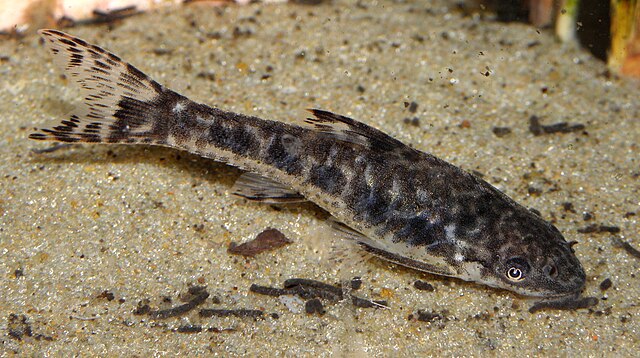
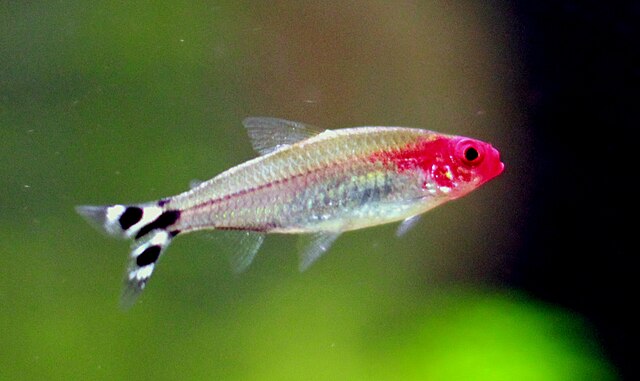
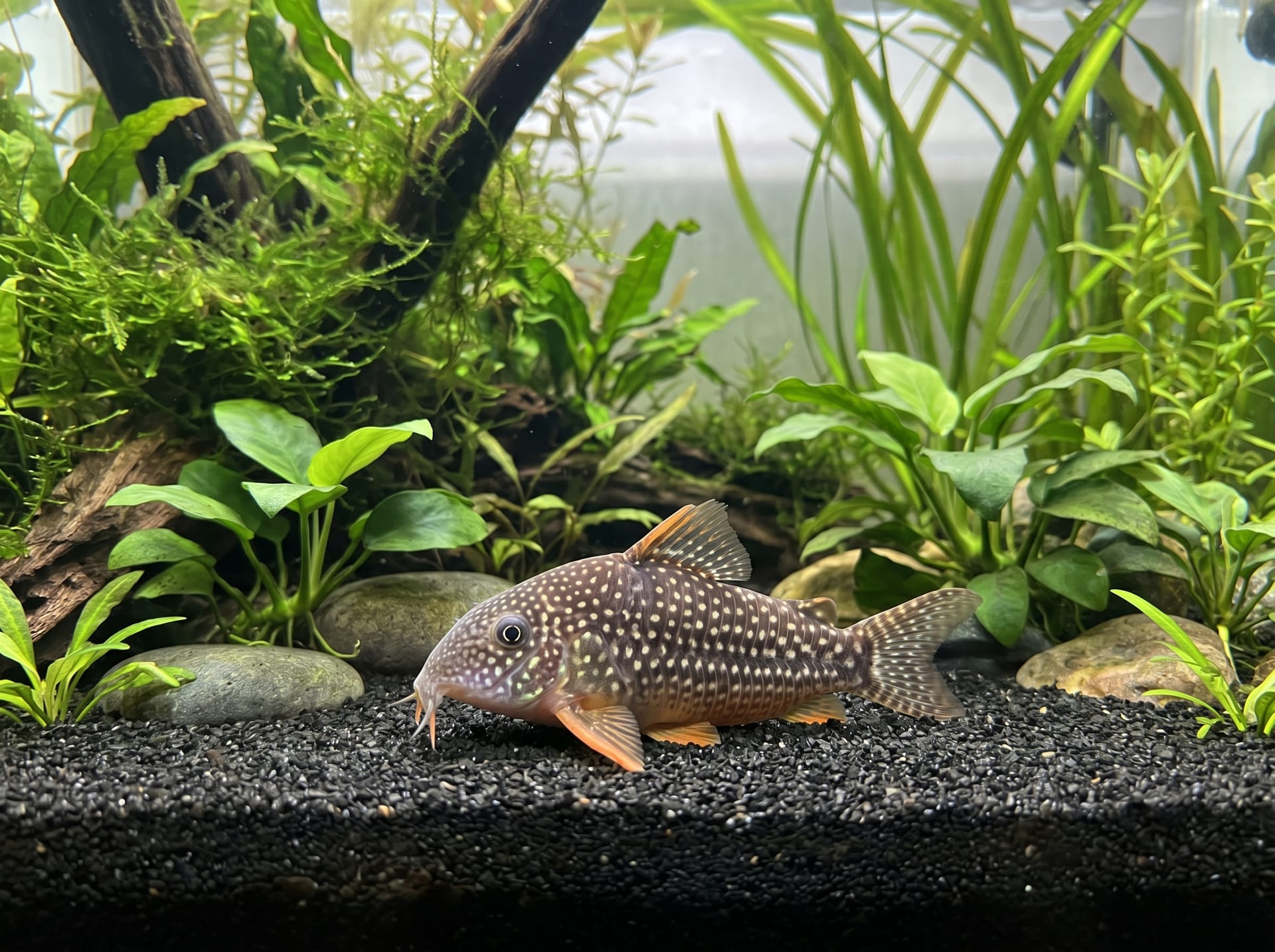
Mix with other species only those that prefer the same high temperature and slightly acidic water. Standard choices are small characins such as Cardinal Tetra and Rummy Nose Tetra. Corydoras sterbai and Otocinclus are also useful as bottom cleaners, but select species that can tolerate the same temperatures as discus.
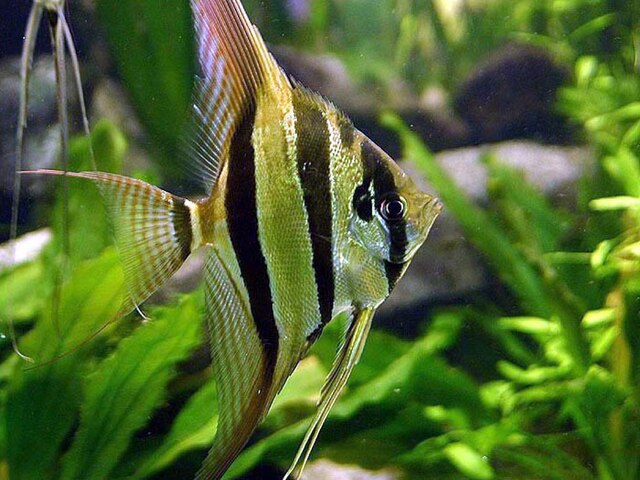
Conversely, Angelfish and large cichlids are aggressive and stress discus fish, so avoid them.
Major Diseases and Prevention
Ich (White Spot Disease): A parasitic disease presenting white spots on the body surface. Triggered by temperature fluctuations or water quality degradation. Treatment involves raising water temperature to 32°C to accelerate the parasite's lifecycle and using specialized medication (such as methylene blue) to eradicate it.
Gill Disease: A bacterial condition causing rapid breathing and gills that remain open. Poor water quality is the primary cause. Treat with antibiotic medicated baths and large water changes to improve water quality.
Digestive Upset: White, elongated, or floating feces indicate digestive problems. Reduce food quantity and fast the fish for 2–3 days while awaiting recovery.
The foundation of prevention is water quality maintenance and appropriate feeding. When introducing new fish, observe them in a quarantine tank for 2 weeks, confirm the absence of disease, and only then transfer them to the main tank.
Premium Discus at BreederDirect
Discus fish show significant individual variation in body form and coloration, making quality assessment a critical skill. At BreederDirect, you can purchase discus fish with proven lineage carefully reared by specialist breeders directly, and also receive concrete advice on care environments and feeding formulations. Create a care environment befitting the king of tropical fish and fully savor the appeal of discus.