Complete Guide to Keeping Apistogramma | Varieties, Breeding, and Water Quality Management Basics
A guide to keeping Apistogramma, small cichlids native to South America. Covers characteristics of popular varieties (Cockatoo, Agassizii, and others), breeding methods, and techniques for maintaining slightly acidic soft water.
Key Takeaways
A guide to keeping Apistogramma, small cichlids native to South America. Covers characteristics of popular varieties (Cockatoo, Agassizii, and others), breeding methods, and techniques for maintaining slightly acidic soft water.
Related Species
What is Apistogramma—Jeweled Cichlids of South America
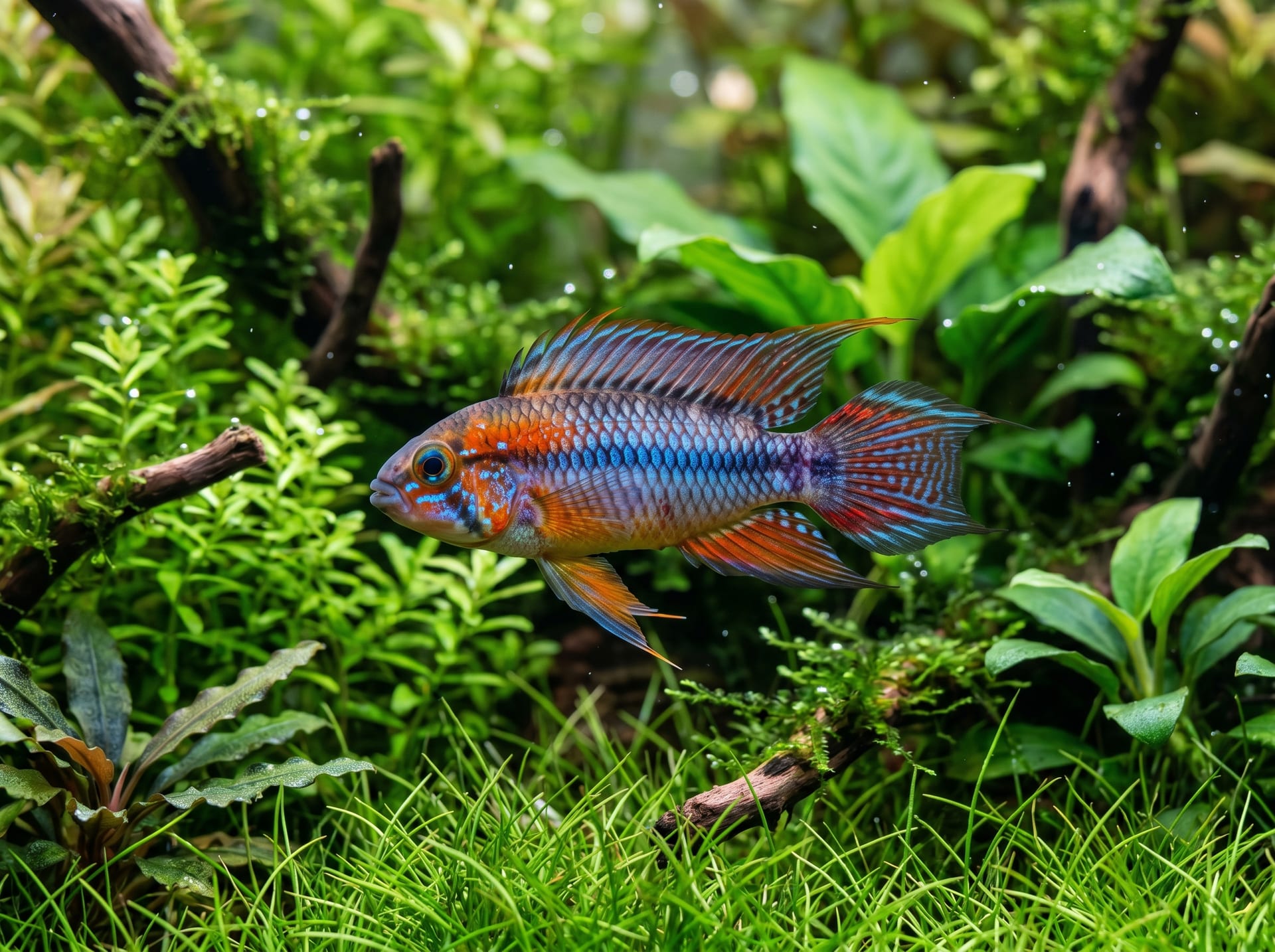
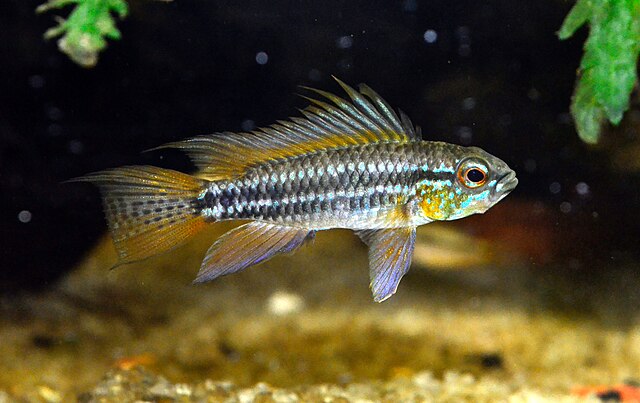
Apistogramma (Apistogramma spp.) is a genus of small cichlids native to South America, beloved by aquarists worldwide as "dwarf cichlids" for their vibrant coloration in males and complex breeding behaviors. Body length varies by species—males reach 6–9 cm and females are slightly smaller at 3–5 cm. Their compact size makes them ideal for breeding in even 60 cm aquariums.
Popular Varieties
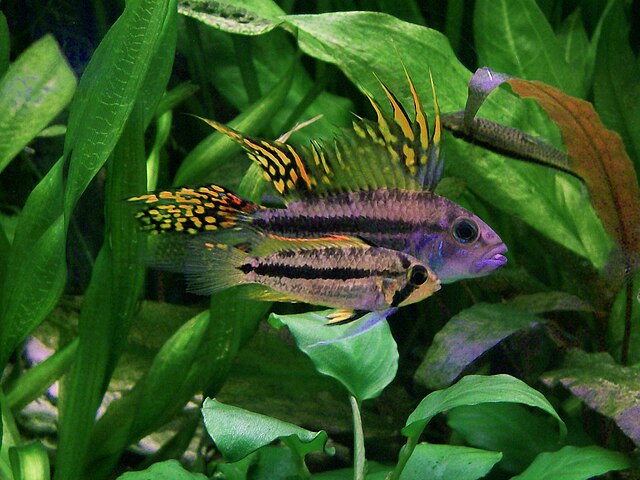
Apistogramma Cockatoo (A. cacatuoides) The most widely available beginner species. Males are characterized by large fins (with cultivated varieties like Triple Red). Hardy and easy to breed.
Apistogramma Agassizii (A. agassizii) A classic variety called "Agassizii." The caudal fin has the most distinctive shape of the genus, spreading into a fan. Double Red and "Fire" line varieties are particularly popular.
Apistogramma Bitaeniata (A. bitaeniata) Characterized by two vertical stripes along the body. Slightly more challenging with stricter water quality requirements, but exceptional beauty.
Apistogramma Macmasteri (A. macmasteri) From Colombia. Relatively hardy with vibrant coloration.
Keeping Conditions and Water Quality Management
Apistogramma originate from slightly acidic, soft-water rivers in South America. Water quality management is critical.
Target Water Parameters:
- pH: 5.5–6.8 (varies by species; Cockatoo tolerates around 6.5)
- Hardness: KH 1–4°dH, GH 3–8°dH (soft water)
- Temperature: 26–30°C
To achieve soft water:
- Use aquatic soil substrate (lowers pH and softens water)
- Use RO (reverse osmosis) water to remove impurities
- Use peat moss filtration (tannins lower pH and inhibit bacterial growth)
Fine sand substrates (such as Amazonian or Japanese sand) closely mimic their natural habitat, and you may observe fish sifting through sand to feed on small organisms.
Tank Layout
Breeding requires "shelters (caves)." Arrange multiple narrow spaces—such as terracotta pots, coconut shells, or corner caves—where females can nest.
Low-light aquatic plants like Microsorum, Bolbitis, and moss are ideal companions. Dense vegetation provides shelter for females and increases breeding success.
Breeding Behavior and Fry Rearing
Like all cichlids, Apistogramma exhibit "territorial parenting." Females lay eggs in shelters and diligently guard them and fry (females are the primary caregivers). Males defend territory around the shelter.
Breeding Sequence:
- Male lures female into shelter (nuptial coloration intensifies)
- Female lays eggs near shelter ceiling (approximately 50–100 eggs)
- Eggs hatch in 3–4 days (temperature-dependent)
- Fry become free-swimming 5–7 days after hatching
Feed newly hatched fry brine shrimp nauplii or microworms. As fry become free-swimming, males may be attacked by females; consider removing the male to a separate tank.
Considerations for Community Tanks
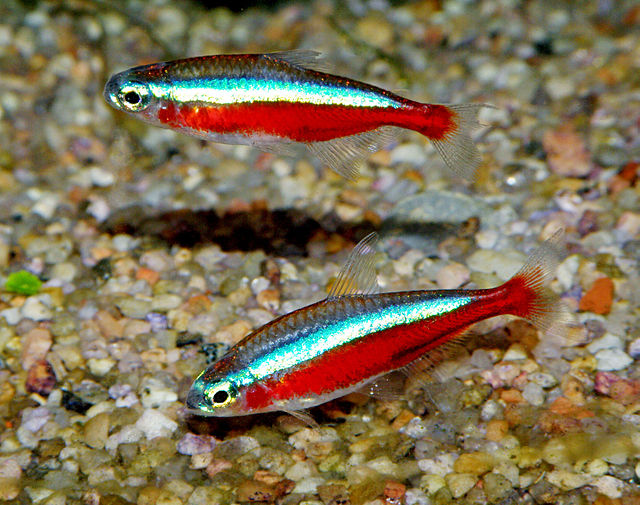
Males are highly territorial and fight fiercely; keep only one pair or one male with multiple females. Gentle small tetras and rasboras make compatible tank mates. However, breeding females become aggressive; monitor carefully to ensure community fish aren't harassed.
Compact and beautiful, with rewarding breeding potential, Apistogramma are an ideal species for those seeking to deepen their experience in tropical fish keeping.