Introduction: How to Avoid Mistakes When Setting Up Your Aquarium
When you decide to start keeping tropical fish, the first hurdle is "setting up the aquarium." A common beginner mistake is bringing home fish, putting them in the tank, and waking up the next day to find them all dead. In most cases, this is due to inadequate tank preparation.
Setting up an aquarium is the process of establishing water conditions and an environment where fish can safely live. The most critical aspect is "bacterial colonization," and whether you do this properly will greatly determine whether your fish will thrive and live long.
In this article, using a 60cm tank as an example, we'll explain step-by-step the points that often confuse beginners, from equipment selection to cycling the water.
Essential Equipment: What You Need to Buy
A 60cm tank is the most balanced size for tropical fish beginners. If it's too small, water quality becomes unstable; if it's too large, maintenance becomes difficult. First, let's identify the equipment you'll need.
Tank
The standard 60cm aquarium (60×30×36cm) is the baseline. With a capacity of approximately 57L, it can house 20-30 small to medium-sized tropical fish. Both glass and acrylic options are available, but glass is recommended since it resists scratching better.
Filter
This is one of the most important pieces of equipment in an aquarium. The following types work well for a 60cm tank.
- External Filter: High filtration capacity and excellent quiet operation. Somewhat pricier (such as Eheim 2213).
- Hang-on Back Filter: Easy to maintain and reasonably priced. Less suitable for planted tanks.
- Box Filter: Compact and easy to install. Somewhat underpowered for a 60cm tank on its own.
For beginners, I recommend either a Hang-on Back Filter or an External Filter. While external filters are somewhat expensive, they're a worthwhile investment in the long run due to their convenience and reliability.
Substrate
Substrate is an important material that serves not only an aesthetic purpose but also as a habitat for beneficial bacteria.
- Crushed Granite/Lava Rock: Durable and easy to maintain. Beginner-friendly.
- Aquarium Soil: Excellent for plant growth and softens water. Needs replacement every 1-2 years.
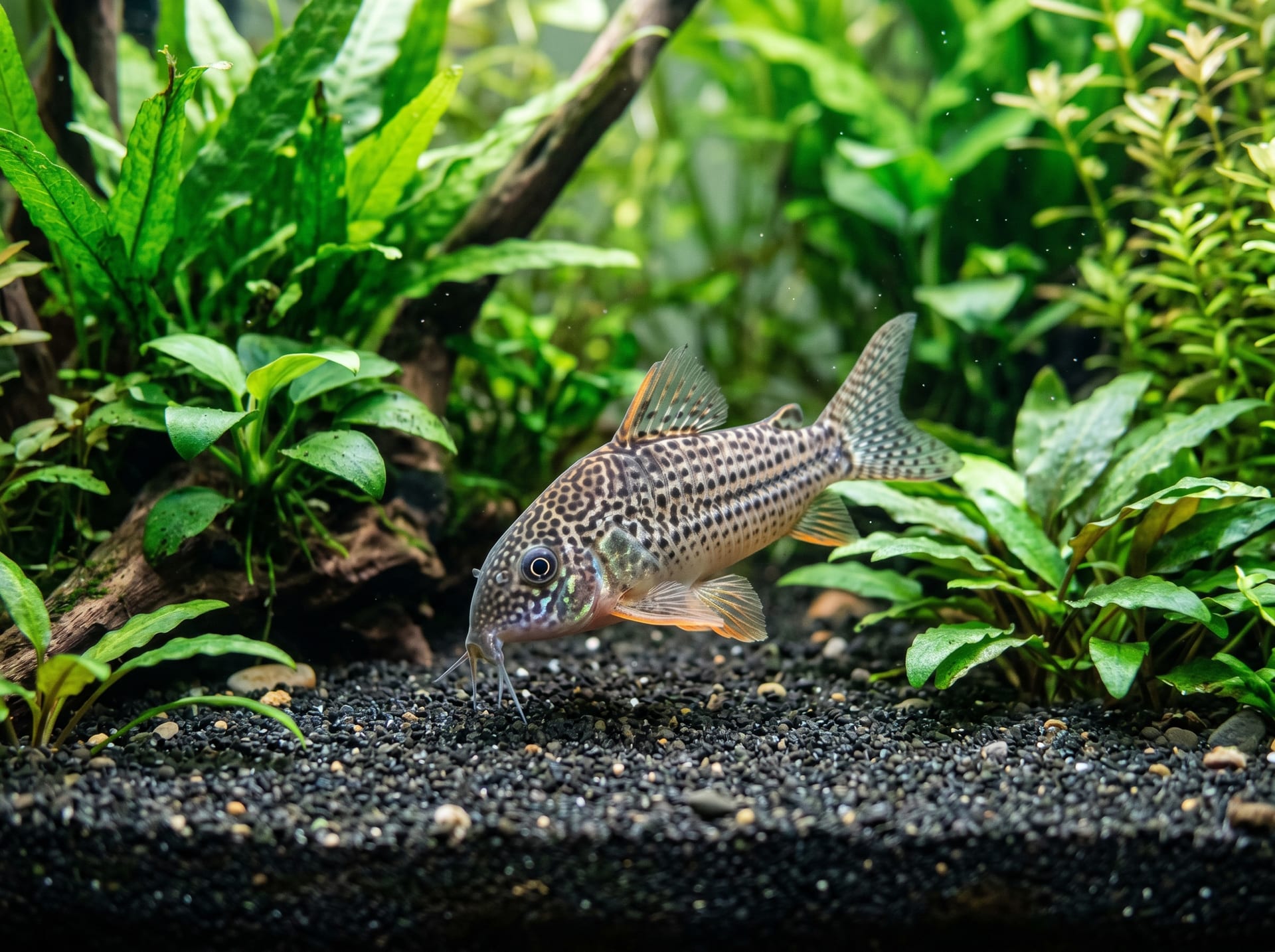
- Sand/Fine Sand: Ideal for bottom-feeding fish such as Corydoras.
Lighting
If you want to both view the fish and grow plants, LED lighting is energy-efficient and long-lasting. A 60cm LED light can be purchased for around ¥3,000-8,000. If you want to grow plants well, choose a light with higher brightness (2,000 lumens or more).
Heater & Thermostat
Most tropical fish prefer temperatures of 25-28°C. A 150-200W heater is suitable for a 60cm tank. An all-in-one unit with an integrated thermostat is recommended for ease of use.
Thermometer, Dechlorinator & Bucket
These are also essential. A digital thermometer is more accurate and easier to read. Dechlorinator (such as Contracolarine or Hypo) is necessary to neutralize chlorine in tap water.
Setting Up Your Tank: From Location to Substrate
Once you have all your equipment, it's time to set things up.
Choose Your Location
Once filled with water, an aquarium is extremely difficult to move. A filled 60cm tank weighs 70-80kg, so place it on a sturdy dedicated stand or furniture with sufficient weight capacity.
Avoid placing your tank in the following locations:
- Direct sunlight (causes algae blooms)
- Direct air conditioning or heating vents (causes temperature fluctuations)
- High-traffic areas (stresses the fish)
Wash and Add Substrate
Always rinse your substrate thoroughly before use. Crushed granite and similar substrates are especially cloudy, so rinse repeatedly until the water runs clear. Most aquarium soils shouldn't be rinsed, so check the package instructions.
Aim for a substrate depth of 3-5cm. Too thin and beneficial bacteria won't establish; too thick and anaerobic zones form, producing harmful gases.
Install Equipment
Once the substrate is in place, install the filter, heater, and lighting. Route cables outside the tank and create a "drip loop" (allowing the cord to hang down before plugging in) to prevent water from dripping onto outlets—this is an important safety measure.
Fill the Tank
Pouring water all at once will kick up the substrate and cloud the water. Place a plastic bag or plate on the substrate and pour water slowly onto it to minimize cloudiness. Add dechlorinator to tap water before use.
Planting Aquatic Plants: Beginner-Friendly Species and Planting Methods
Aquatic plants are more than decoration. They supply oxygen through photosynthesis, provide refuge for fish, and help purify the water by absorbing nitrates.
Beginner-Friendly Aquatic Plants
| Plant Name | Difficulty | Characteristics |
|---|
| Anacharis | ★☆☆ | Hardy and grows well. No CO₂ needed |
| Willow Moss | ★☆☆ | Attaches to driftwood/rocks. No CO₂ needed |
| Microsorum | ★☆☆ | Works in low light. Rhizome plant |
| Hygrophila | ★★☆ | Fast-growing. Good starter stem plant |
| Bucephalandra | ★★☆ | Compact and attractive. Rhizome plant |
For beginners, it's best to choose species that grow without CO₂ supplementation.
Planting Tips
For stem plants (like Hygrophila), bury the stem 3-5cm in the substrate. Tweezers make planting easier. For rhizome plants (Willow Moss, Microsorum), attach them to driftwood or rocks with cotton thread or ties, and they'll naturally attach within a few weeks.
After planting, run the lighting for 8-10 hours daily. A timer makes this easier to manage.
Cycling the Water: Growing Bacteria for 2-4 Weeks
This is the most critical—and most commonly skipped—step.
Don't add fish immediately after filling the tank with tap water. Fish waste produces ammonia, and without beneficial bacteria established to break it down, your fish will die from ammonia poisoning.
The Role of Bacteria
The goal is to establish the following cycle (nitrogen cycle) in your tank:
Ammonia (toxic)
→ Nitrite (toxic) ← Broken down by Nitrosomonas bacteria
→ Nitrate (relatively harmless) ← Broken down by Nitrobacter bacteria
→ Removed through water changes
Cycling Steps
- Run Equipment: Turn on the filter, heater (set to 25°C), and lighting.
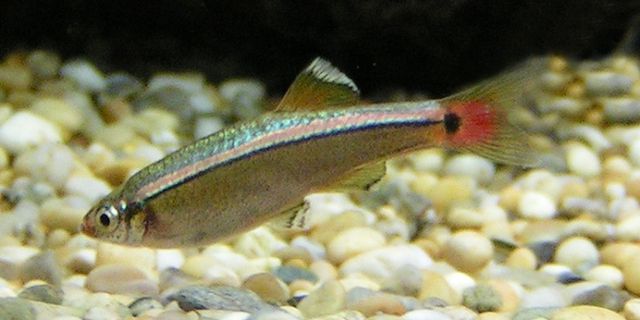
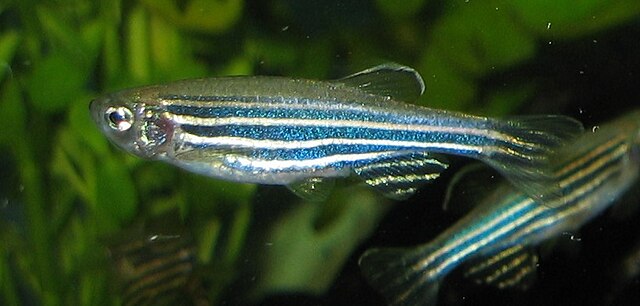
- Add Starter Fish (or use a commercial bacterial starter): You need a source of ammonia, so add 2-3 hardy fish. Red Tetras or Zebra Danios are common choices.
- Test Water Quality Regularly: Use a test kit (such as Tetra 6-in-1 Test) to check ammonia and nitrite weekly.
- Cycling Complete When Nitrite Drops to Zero: This typically takes 2-4 weeks.
Using Bacterial Starters
Products like "Tetra Vital" or "Super Bio" can speed up cycling. However, they don't eliminate the cycle completely, so observe for at least 1-2 weeks.
Water Changes During Cycling
During cycling, perform one water change per week of about 1/3 of the tank. Avoid changing too much at once, as this will wash away bacteria. Change water carefully in small amounts.
Introducing Fish: Tips for Success
Once cycling is complete, it's time to introduce fish. However, there are still pitfalls to avoid.
Acclimate Fish Carefully
Store water and home aquarium water differ in temperature, pH, and chemistry. Float the bag in the tank for 15-20 minutes to equalize temperature, then slowly acclimate the fish using either the "drip method" (adding tank water drop by drop) or the "swap method" (gradually replacing bag water with tank water) over about 1 hour.
Start with Fewer Fish
Adding too many fish at once causes water quality swings. Right after cycling, stock only about half your planned number, then wait 2-3 weeks before adding the rest.
Consider Compatibility
Choose compatible species. Aggressive fish like Bettas and Cichlids require careful tank mate selection.
Conclusion: Patience and Care Lead to Success
The most important aspect of tank setup is patience. By waiting the full 2-4 weeks for bacteria to establish, you'll dramatically improve your fish survival rate.
Once you've completed the cycling phase, tropical fish care is surprisingly manageable. With weekly water changes and feeding, plus monthly filter cleaning, your fish will thrive. Take the first step carefully and enjoy your tropical fish hobby!