Polypterus Care Guide: Species, Tank Size, Feeding, and Tank Mate Compatibility | ブリちょく
Tropical Fish| ✍️ BreederDirect Editorial
Polypterus Care Guide: Species, Tank Size, Feeding, and Tank Mate Compatibility
A beginner's guide to caring for Polypterus, an ancient fish native to Africa. Introduces popular species and their characteristics, appropriate tank sizes, feeding types and frequency, and precautions for keeping with other fish.
Key Takeaways
A beginner's guide to caring for Polypterus, an ancient fish native to Africa. Introduces popular species and their characteristics, appropriate tank sizes, feeding types and frequency, and precautions for keeping with other fish.
What Is the Polypterus?
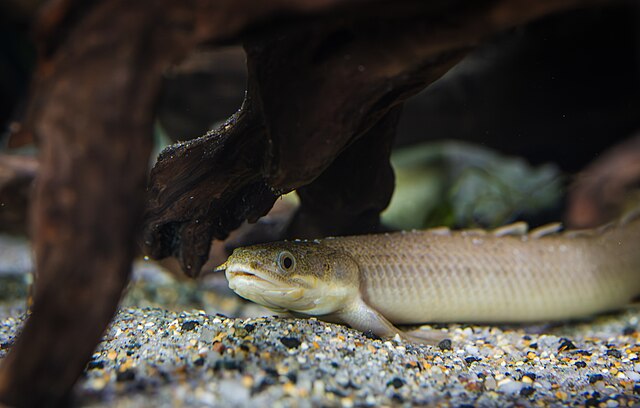
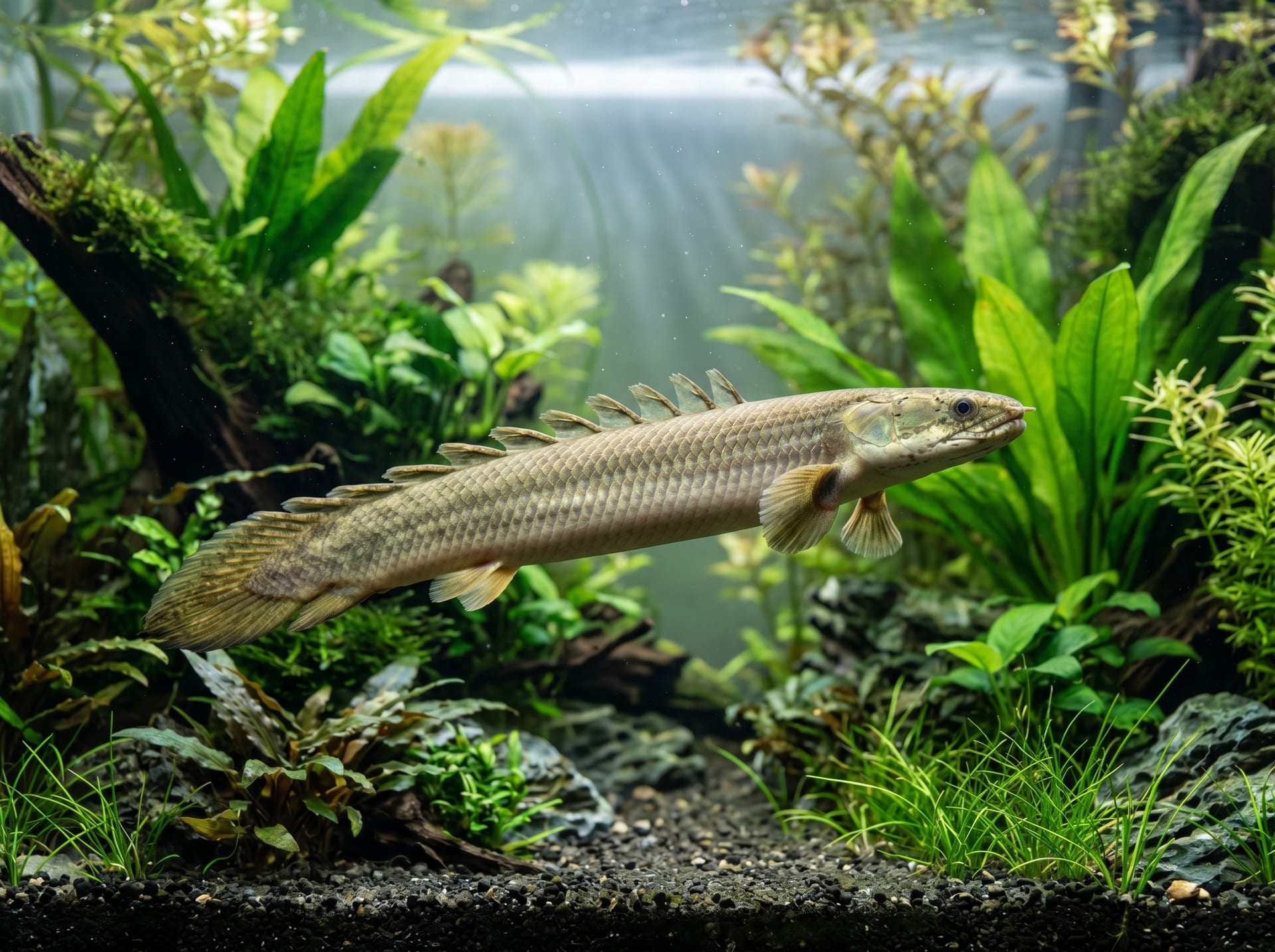
Polypterus is an ancient fish inhabiting rivers and wetlands of central West Africa. Characterized by a distinctive silhouette with multiple dorsal fins divided into flag-like sections, it is one of the living fossils that has existed on Earth since before the Cretaceous period.
It possesses a modified swim bladder capable of air breathing, and can be observed rising to the water surface to gulp air. Due to this trait, it is relatively tolerant of poor water quality and is popular as an ancient fish that is easy to keep even for beginners.
✍️
BreederDirect Editorial
The BreederDirect editorial team specializes in care information for animals, covering veterinary care and breeding to deliver beginner-friendly guides.
Find Tropical Fish on BreederDirect
Buy directly from verified breeders
Browse Related Listings
Find Tropical Fish listings related to this article on BreederDirect. Buy directly from verified breeders.
Related Tools
Related Articles
Browse by Category
🪸Coral
🐠Marine Fish
🐟Tropical Fish
🐡Goldfish
🐟Medaka
🦎Reptiles
Share
Major Species and Characteristics
Endlicheri is the most popular Polypterus species, growing to approximately 50–75 cm in length. It features beautiful black and tan banding patterns, has a docile temperament, and is easy to handle. With abundant availability and reasonable pricing, it is ideal as a beginner species.
Senegalus is one of the smallest species, reaching approximately 35–40 cm in length. This small species features a silver base with black spots and is appealing for its compact size that allows multiple individuals to be kept together.
Ornatipinnis is a large species with striking black and white contrast, reaching 60–80 cm in length. It tends to be somewhat more nervous than Endlicheri and displays stronger territorial behavior.
Delhezi is a beautiful medium-sized species (40–55 cm in length) covered with fine reticulated patterns and has a relatively calm temperament, making it suitable for community tanks.
Tank Size and Rearing Environment
Since Polypterus swim close to the substrate, a tank with good horizontal space is ideal. Senegalus requires a 90 cm standard tank, Endlicheri requires 120 cm or larger, and large species require 150 cm or more.
Fine sand (aquarium sand, bottom sand, etc.) is preferable for substrate; coarse or sharp gravel can cause abrasions to the belly. For filtration, use an undergravel filter or external filter capable of handling the ammonia load typical of large fish.
A tank cover is essential. Polypterus can escape at night and can slip through even small gaps.
Food Types and Feeding Frequency
Polypterus are carnivorous and primarily locate food by smell. Sinking artificial pellets (such as Carnivore or Crest) are the foundation of their diet. Many individuals initially prefer live food, requiring training to transition to artificial pellets.
Frozen bloodworms, frozen crickets, and frozen killifish can be used as live or frozen foods. Live small fish carry a risk of introducing pathogens and should be avoided. Feeding frequency should be approximately 3–4 times per week.
Notes on Tank Mates
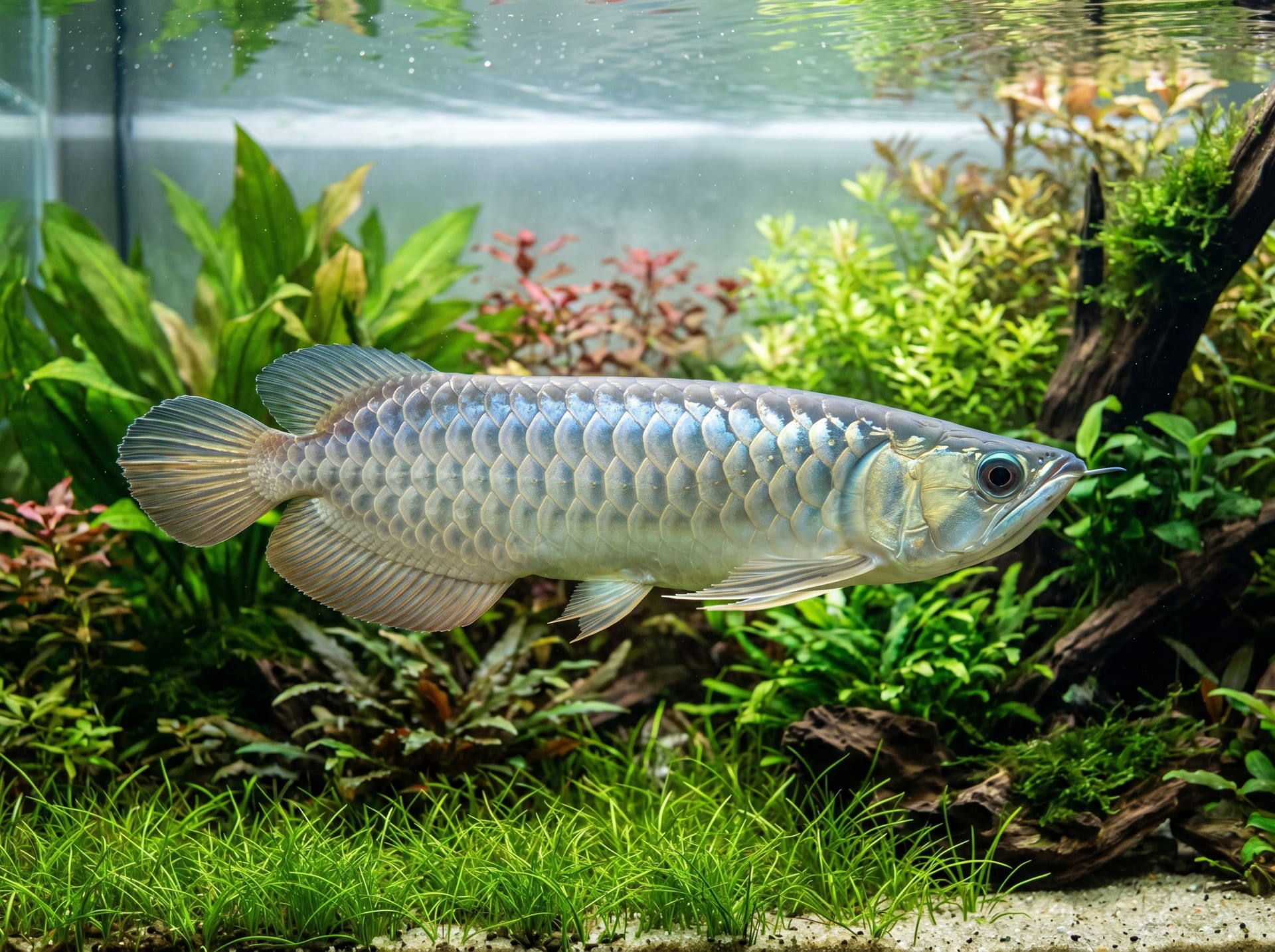
Polypterus will eat any fish that can fit in their mouths. Fish smaller than half their body length are at risk. They can coexist relatively peacefully with similarly sized large catfish species (such as Red-tailed Catfish and Tiger Shovel-nose Catfish) and arowanas.
Tetras, killifish, goldfish, and small characins will almost certainly be predated. When keeping multiple individuals of the same species, competition over food can result in fin and eye damage, requiring a spacious tank and abundant hiding places.
Summary
With its mystical appearance characteristic of ancient fish and relatively hardy constitution, Polypterus is an ideal fish for beginners to large fish keeping. Start by keeping a single Senegalus or Endlicheri in a 90–120 cm tank to experience its charm. With proper environment and feeding, it will become a long-lived companion that can live 10–20 years or more.