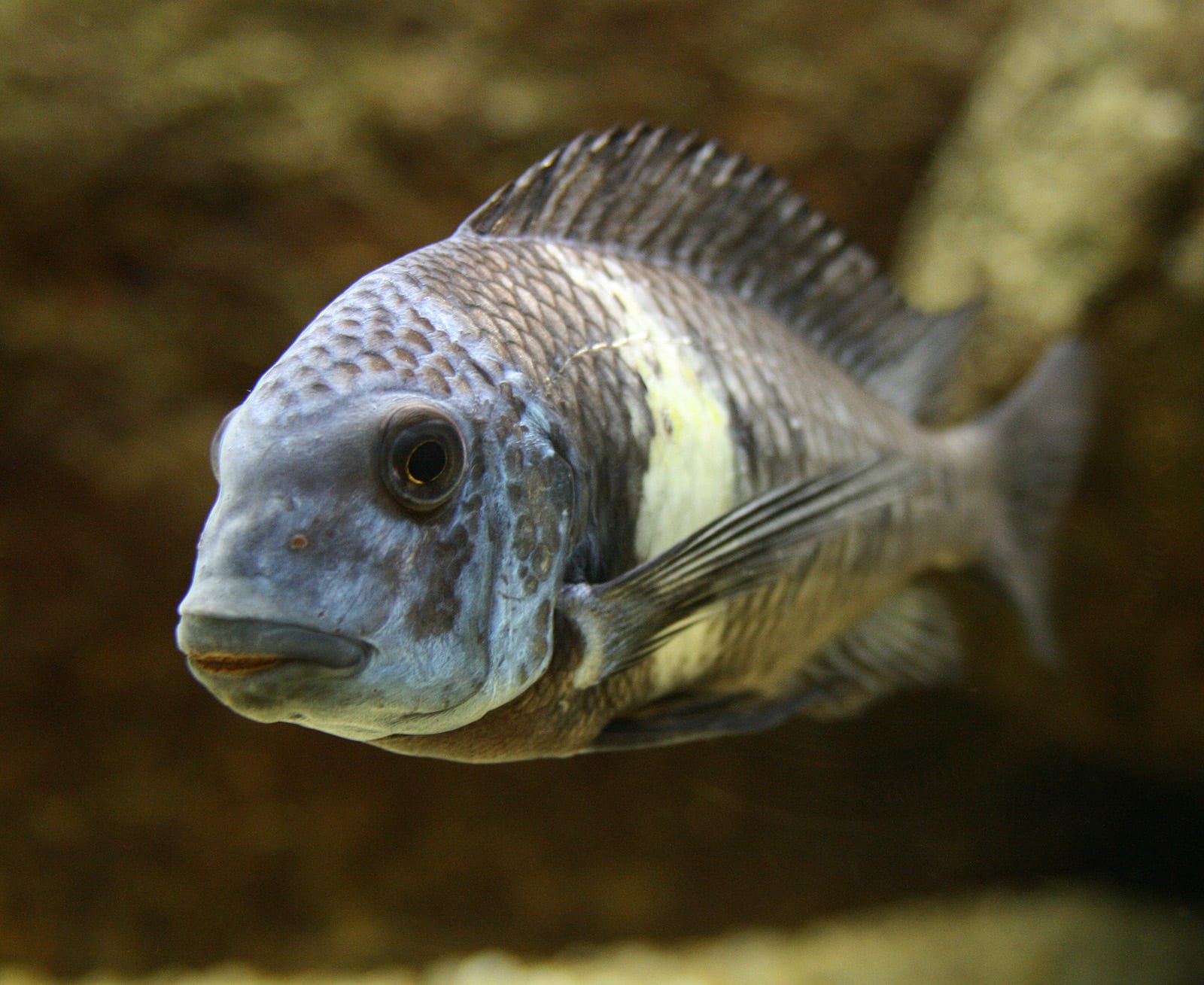
 © Manfred Werner / Tsui / CC BY-SA 3.0
White-spotted cichlid
Tropheus duboisi, the White-spotted cichlid, lives among the rocky shores of northern Lake Tanganyika. Juveniles are black with white spots, and as they mature they develop a blue face and a yellow-to-white band across the body, so their look changes dramatically with age. They reach a maximum total length of 12 cm and lean toward a herbivorous diet, grazing on algae. Watching them pick over the rocks is a real pleasure, but water quality, diet and tank mates all need care, and the species is rated for experienced keepers. It suits people who enjoy following a fish through its growth and are willing to give it steady attention.
View White-spotted cichlid encyclopedia →0% commission on your first sales!Register by September 30, 2026 and your first 2 sales are commission-free!
Breeder Wanted!
List on BreederDirect and sell directly to customers nationwide!
BreederDirect's 6 Transparency Commitments
All Tropical Fish listings include water quality, temperament, and tank size information from verified Breeder.
- Origin Disclosed
- Real Photos
- Water Quality Disclosed
- Recommended Tank Size
- Temperament Disclosed
- Breed Line Disclosed
Browse all 341 breeds
Water Type
Care Level
No listings match your filters
Adjust your filters, or get notified when new listings arrive.
Getting alerts is free with a member account. When new listings match your saved search, we'll notify you by email and in-app.
Browse other categories
Verified breeders (preview)
Are you raising tropical fish?
Register as a breeder and connect with buyers directly.
Apply as a breederWhite-spotted cichlid key facts
- Care level
- Advanced
- Lifespan
- Few reliable data
- Size
- Up to 12 cm TL (FishBase)
- Temperature
- 24〜26℃
- Diet
- Mainly herbivorous (spirulina and other plant-based foods)
- Water Temperature & Quality
- 24-26°C, pH 8.5-9.0, 10-12 dH (FishBase). Keep hard, alkaline water; it is very sensitive to poor water quality, so filtration and water changes are essential.
- Aquarium
- FishBase recommends one male with many females in a tank of at least 150 cm. Build rock piles on sand with plenty of hiding places and open swimming space.
- Tank Mates & Compatibility
- Fairly peaceful to other species but fights conspecifics. Groups of 5-6 rarely settle; 15-20 is usual. Newcomers added to an established group are not tolerated.
- Diet & Feeding
- Base the diet on plant matter such as spirulina foods and blanched vegetables, with only small amounts of frozen food. Never feed mammalian meat.
- Breeding & Egg-laying
- The female mouthbroods 5-15 eggs for over four weeks before releasing fry. Stress can make her spit or eat the brood, so avoid moving brooding females.
- Health & Cautions
- Sexing is difficult. It readily falls ill from poor water or unsuitable food and is not a beginner's fish.
About White-spotted cichlid
Tropheus duboisi (White-spotted cichlid) is an algae-grazing cichlid from northern Lake Tanganyika, reaching a maximum of 12 cm. Spotted juveniles become blue-faced adults. Rated for experienced keepers.
7 things to know before welcoming a White-spotted cichlid
1Looks change with age
Juveniles are black with white spots, while adults develop a blue face and a yellow-to-white band across the body. Because young fish look so different from adults, check how they will look when mature before bringing one home.
2For experienced keepers
This species is rated for experienced keepers. Water quality, diet and tank mates all need careful attention, so it suits people who already have solid fish-keeping experience.
3A rocky tank layout
In the wild it lives on the rocky shores of northern Lake Tanganyika. Stacking rocks to create hiding places and break lines of sight, in a tank with plenty of floor space, can help the fish settle.
4Stable water, good oxygen
Fish from Lake Tanganyika are generally kept in alkaline water, and this species is regarded as sensitive to sudden changes. Provide strong filtration and aeration for good oxygen levels, and favor small, frequent water changes over large ones.
5Plant-based diet
As an algae-grazing, herbivore-leaning fish, it does best on foods built around plant ingredients such as spirulina. Feeding too much protein-rich, animal-based food is often said to strain the digestive system, so watch both content and amount.
6Fighting among its own kind
It isn't especially aggressive toward other species, but it fights fiercely with its own kind. Groups of 5–6 don't settle, so it is usually kept in a group of 15–20. Newcomers added later are not accepted, so provide plenty of hiding spots and check daily that no fish is being chased continuously.
7Prepare before arrival
Set up the tank, filter and aeration, and let the water stabilize before the fish arrives. Ask the seller about the tank conditions and the food the fish has been eating, and start with the same food after arrival to ease the stress of the move.
Frequently asked questions about White-spotted cichlid
- Q.Is it suitable for beginners?
- A.Its difficulty is rated for experienced keepers. Water quality, feeding and tank mates all take careful management, so it is best considered after you have built up some fish-keeping experience.
- Q.How large does it grow?
- A.The maximum total length is 12 cm according to FishBase. Its color and pattern also change considerably as it grows.
- Q.How long does it live?
- A.Reliable information on lifespan is limited, so we cannot give a definite figure. Observe the fish daily and set up a stable environment with the long term in mind.
- Q.What does it eat?
- A.It is an algae-grazing fish that leans herbivorous, so plant-based foods suit it best. Be careful not to overfeed animal-based foods.
- Q.Can it live with other fish?
- A.It isn't especially aggressive toward other species, but it fights fiercely with its own kind, so it is usually kept in a group of 15–20. This requires a large tank, and fish added to an established group later are not accepted.
Useful tools for White-spotted cichlid care
Learn more about White-spotted cichlid in the encyclopedia
View White-spotted cichlid encyclopedia entry →
Care difficulty, lifespan, size and diet — all basics covered.
More in this category
Can't find the one you're looking for?
Post your wishes for free and breeders with matching animals will contact you with introductions.