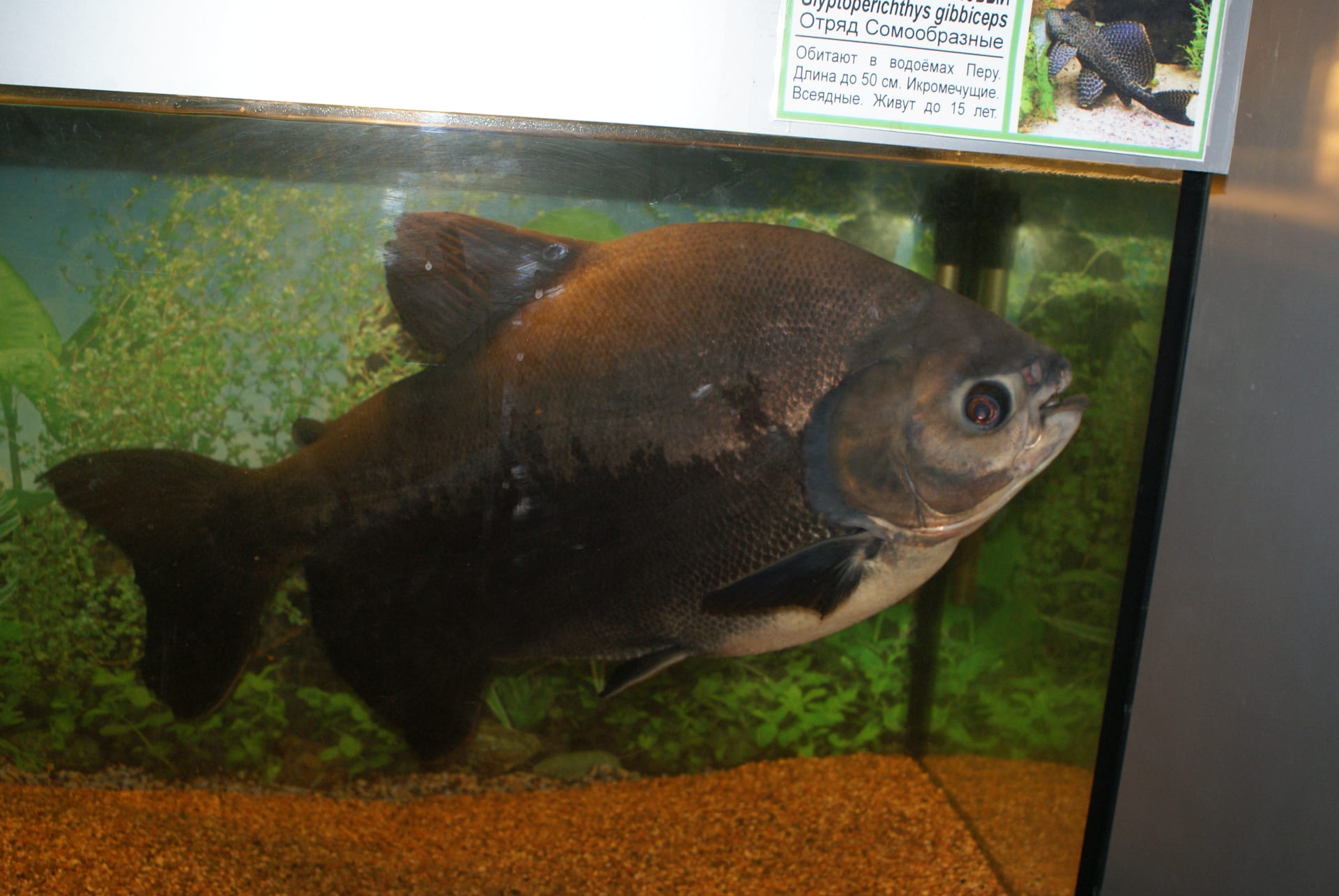
 © Хомелка / CC BY-SA 3.0
Pirapitinga
The red colossoma (Pirapitinga) is a large characin native to big rivers in northern South America. Juveniles have red bellies and look a lot like piranhas, but the fish feeds mainly on fruit and seeds. Its red belly and impressive body give it a real presence, which is part of its appeal. Records show a maximum length of 88 cm, a weight of 25 kg and a lifespan of up to 28 years, so a small juvenile grows into a very large, long-lived fish. It is rated for experienced keepers, and lifelong care at home is difficult. Bring one home only when you are ready to provide the space and the long-term commitment.
View Pirapitinga encyclopedia →0% commission on your first sales!Register by September 30, 2026 and your first 2 sales are commission-free!
Breeder Wanted!
List on BreederDirect and sell directly to customers nationwide!
BreederDirect's 6 Transparency Commitments
All Tropical Fish listings include water quality, temperament, and tank size information from verified Breeder.
- Origin Disclosed
- Real Photos
- Water Quality Disclosed
- Recommended Tank Size
- Temperament Disclosed
- Breed Line Disclosed
Browse all 341 breeds
Water Type
Care Level
No listings match your filters
Adjust your filters, or get notified when new listings arrive.
Getting alerts is free with a member account. When new listings match your saved search, we'll notify you by email and in-app.
Browse other categories
Verified breeders (preview)
Are you raising tropical fish?
Register as a breeder and connect with buyers directly.
Apply as a breederPirapitinga key facts
- Care level
- Advanced
- Lifespan
- Maximum reported age 28 years (FishBase)
- Size
- Up to 88 cm TL and 25 kg (FishBase)
- Temperature
- 23〜28℃
- Diet
- Omnivore leaning to plants (fruit, vegetables, prepared foods)
- Water Temperature & Quality
- 23-28°C, pH 4.8-6.8, up to 15 dH (FishBase). Huge waste output requires very powerful filtration such as a sump and frequent large water changes.
- Aquarium
- Seriously Fish suggests a 300 x 90 cm footprint; captive fish rarely reach maximum size but easily grow to about 60 cm. Keep décor minimal and secure heavy pieces; plants will be eaten. Protect heaters and other equipment.
- Tank Mates & Compatibility
- Eats small fish but is generally peaceful with large ones. It becomes more solitary with age and, in cramped tanks, chases and nips other fish.
- Diet & Feeding
- Mainly eats fruit, nuts and seeds in the wild. Feed pellets or sticks plus fruit and vegetables such as apple, banana, grapes, courgette, peas, cabbage and carrot.
- Breeding & Egg-laying
- Not bred in the hobby; food farms induce spawning with hormones.
- Cautions
- Its strong teeth can cause serious bites, so take care when working in the tank. Never release it, however large it grows.
About Pirapitinga
Red colossoma (Pirapitinga): a large South American characin that looks like a piranha when young but eats mainly fruit and seeds. Records of 88 cm and 28 years; for experienced keepers.
7 things to know before welcoming a Pirapitinga
1Built for lifelong care
Records show a maximum length of 88 cm and a weight of 25 kg, and individuals have reached 28 years of age. Even if you bring one home as a small juvenile, plan on the assumption that it may grow this large and live this long.
2Housing for full size
An adult outgrows a typical home aquarium, so you need a very large tank or pond with generous width and depth, planned for its full-grown size. Treat a juvenile tank as temporary and secure its permanent housing first.
3Piranha looks, fruit diet
Juveniles have red bellies and look much like piranhas, yet they feed mainly on fruit and seeds. Don't assume a strict carnivore from the looks alone; choose foods that suit its diet. Aquatic plants may be eaten as well.
4Include plant-based foods
Because it eats mainly fruit and seeds, include plant-based foods and keep the diet balanced. A big body eats a lot and fouls the water easily, so remove leftovers promptly and give yourself plenty of filtration capacity.
5Choose tank mates carefully
As it grows, fish small enough to fit in its mouth may be treated as food. Avoid keeping it with small fish; if you do add tank mates, limit them to similarly sized large fish, provide ample space, and judge by watching how they behave.
6Watch for jumping and bumping
A red colossoma can dart off when startled, hitting the glass or leaping out of the water. Fix a lid or cover firmly in place and set the tank in a quiet spot with little foot traffic.
7Daily health checks
Watching appetite, swimming and the body surface every day makes it easier to notice trouble early. If something seems off, check the water quality first and consult an expert in fish health if needed.
Frequently asked questions about Pirapitinga
- Q.Is the red colossoma a carnivore like a piranha?
- A.Juveniles look a lot like piranhas, but the red colossoma is a characin that feeds mainly on fruit and seeds. Once large, it may still eat small fish, so be careful about tank mates.
- Q.How large does it get?
- A.Records show a maximum length of 88 cm and a weight of 25 kg. It grows far larger than a juvenile suggests, so consider whether you can provide housing for its full-grown size.
- Q.How long does it live?
- A.The record is 28 years (FishBase). Lifelong care at home is difficult, so think carefully about whether you can keep caring for it far into the future.
- Q.Can a beginner keep one?
- A.It is rated for experienced keepers. It demands large-fish equipment and a long-term plan, so it is a hard choice for a first fish; consider it once you have experience and can provide adequate housing.
- Q.What should I feed it?
- A.Since it eats mainly fruit and seeds, build its diet around plant-based foods and keep it balanced. Leftovers can foul the water, so adjust the amount as you watch how much it eats.
Useful tools for Pirapitinga care
Learn more about Pirapitinga in the encyclopedia
View Pirapitinga encyclopedia entry →
Care difficulty, lifespan, size and diet — all basics covered.
More in this category
Can't find the one you're looking for?
Post your wishes for free and breeders with matching animals will contact you with introductions.