Source: Wikimedia Commons
Pirapitinga
AdvancedPiaractus brachypomus
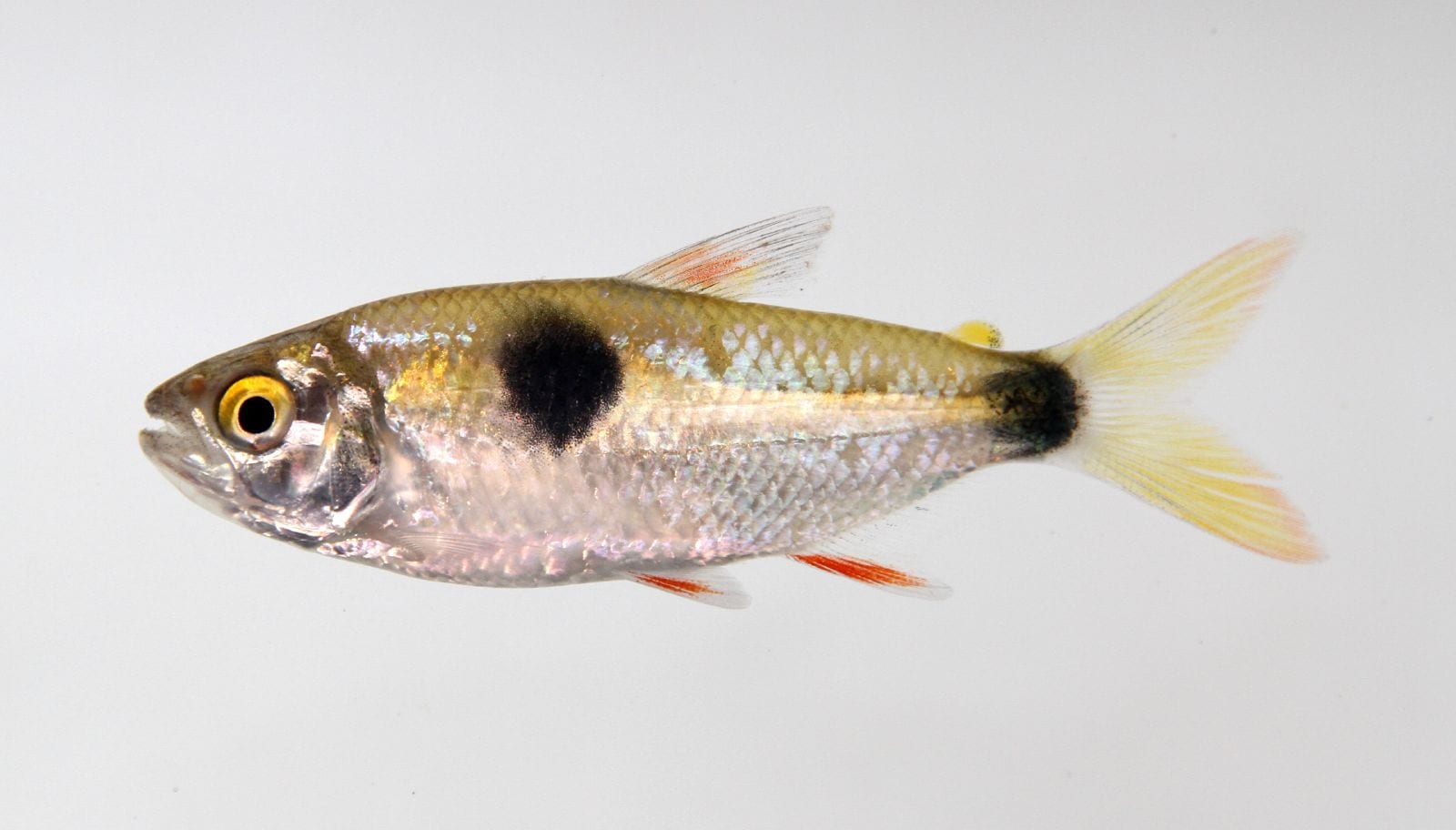
A large characin of northern South America's great rivers. Red-bellied juveniles resemble piranhas, but it eats mainly fruit and seeds. Recorded to 88 cm, 25 kg and 28 years; lifelong home care is very difficult.
Difficulty
Advanced
Temperature
23〜28℃
Lifespan
Maximum reported age 28 years (FishBase)
Size
Up to 88 cm TL and 25 kg (FishBase)
Diet
Omnivore leaning to plants (fruit, vegetables, prepared foods)
About
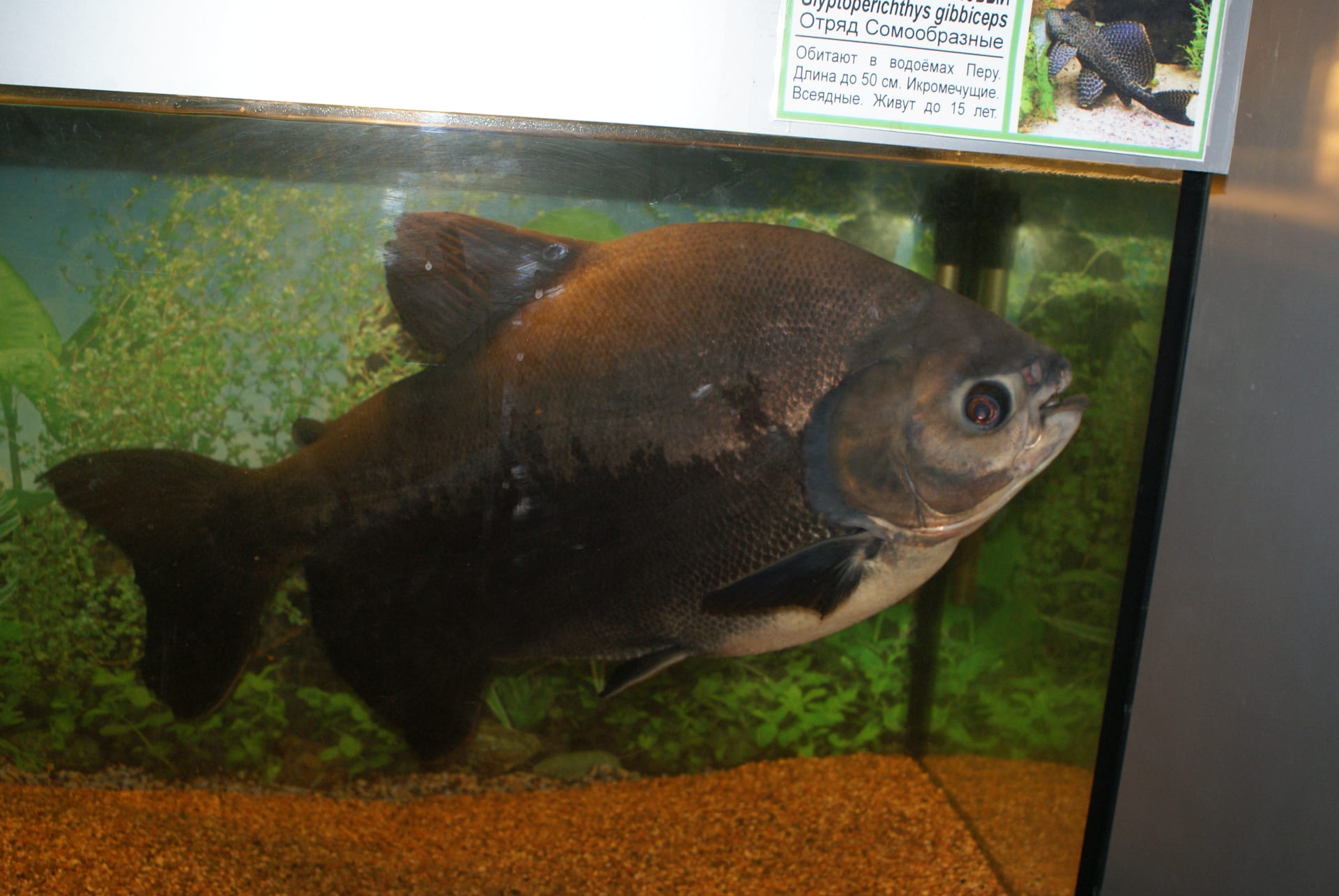
The pirapitinga or red pacu, Piaractus brachypomus, is a large serrasalmid whose Japanese name comes from the old name Colossoma brachypomum. It occurs in the Orinoco and Amazon basins, with reports from Argentina (FishBase). FishBase records 88 cm TL, 25 kg and a maximum age of 28 years. Red-bellied juveniles mimic the red-bellied piranha and are often confused with it, but the diet is mainly fruit, nuts and seeds, supplemented by insects and small fish. Its powerful molar-like teeth can inflict serious bites. It lives in main channels and floodplains, entering flooded forest in the rainy season. An important food fish, it is farmed in places such as China and Taiwan, where introduced populations exist. Albino forms are also traded. Sold as small juveniles, it grows fast; Seriously Fish suggests a 300 x 90 cm footprint and questions whether it should be kept as an aquarium fish at all. Before buying, confirm that you can truly provide lifelong housing.
Source: Wikipedia (CC BY-SA 4.0)
Lifespan of the Pirapitinga
The Pirapitinga lives Maximum reported age 28 years (FishBase).
Size of the Pirapitinga
The Pirapitinga grows to Up to 88 cm TL and 25 kg (FishBase).
Temperature & humidity for the Pirapitinga
The ideal temperature for the Pirapitinga is 23〜28℃.
Basic Info
Origin
South America (Orinoco and Amazon basins)
Lifespan
References & Sources
Edited & verified by: BreederDirect editorial team
The taxonomic, regulatory, and husbandry data on this page are compiled and verified against the authoritative primary sources below.
Primary sources
Taxonomy & Authority
Accepted name: Piaractus brachypomus (Cuvier, 1818)
Synonyms: Colossoma bidens (Spix & Agassiz, 1829), Colossoma brachypomum (Cuvier, 1818), Colossoma branchypomus (Cuvier, 1818), Colossoma paco (Humboldt, 1821), Myletes bidens Spix & Agassiz, 1829, Myletes brachypomus Cuvier, 1818, Myletes paco Humboldt, 1821, Piaractus briachypumus (Cuvier, 1818), Reganina bidens (Spix & Agassiz, 1829), Salmo pacu Kner, 1860, Wateina fowleri Amaral Campos, 1946
Authority databases: GBIF · GBIF · FishBase
Nomenclature follows global taxonomic authority databases.
Regulations & Conservation Status
Not CITES-listedIUCN LC · Least Concern
Not listed in the CITES Appendices (checked on Species+). Not designated under Japan's Invasive Alien Species Act nor on the invasive species list (as of September 2026). A large fish exceeding 60 cm, with introduced populations outside its native range linked to farming. Plan for lifelong housing and never release it into the wild.
Sources: Species+ (CITES) / FishBase
Regulations may change. Always verify the latest information with the relevant authorities.
Pirapitinga Listings
Loading latest listingsFind listings for this species